

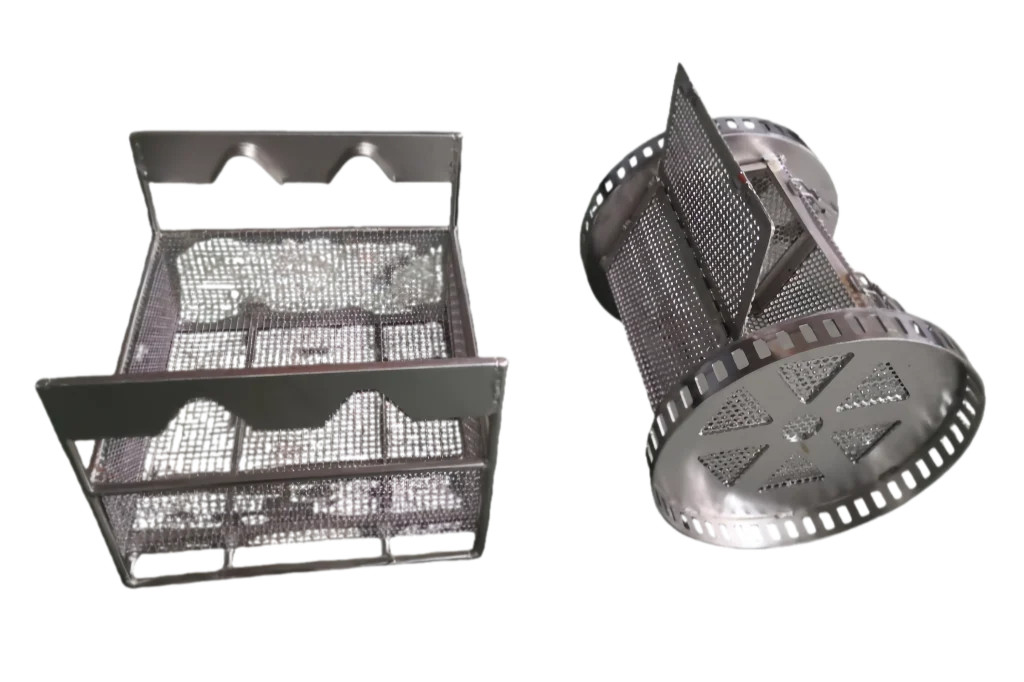
Uneven oxide scale on heat-treated parts can delay downstream processes like coating or assembly, and manual descaling often creates a bottleneck. Heat treatment scale removal, when done with automated cleaning equipment, delivers repeatable results, lower labor demand, and better surface readiness. Our team has seen that the right process — combining mild chemical detergents with ultrasonic or spray action — can cut post-heat-treatment rework by more than half. This guide covers the formation of scale, compares available removal methods, and explains how to select and optimize automated cleaning equipment to integrate into your production line.
The Causes of Heat Treatment Scale on Metal Parts
When ferrous and many non‑ferrous alloys are heated to hardening or annealing temperatures, the metal surface reacts with oxygen, forming an oxide layer. The thickness and composition of this layer depend on furnace atmosphere, temperature, and soak time. Carbon steel typically develops a blue-black iron oxide, while tool steels and stainless grades may form tenacious chromium‑rich scales. If left in place, the scale weakens paint or PVD coating adhesion, alters critical dimensions, and can act as an initiation point for corrosion.
A Comparison of Heat Treatment Scale Removal Methods
Several descaling approaches are used in production, each with trade‑offs in cycle time, part damage risk, and automation potential.
| Метод | Typical cycle | Surface contact | Suitability for complex geometries | Automation ready |
|---|---|---|---|---|
| Manual wire brushing / grinding | Highly variable per part | Abrasive, may remove base material | Low – blind holes difficult | No |
| Abrasive blasting | 2–8 min per batch | Aggressive, can mask precision features | Moderate – line-of-sight limits | Semi‑automatic |
| Acid pickling | 10–60 min | Chemical dissolution, risk of hydrogen embrittlement | Good if parts are immersed | Batch immersion only |
| Ultrasonic + mild detergent | 5–15 min per basket | Cavitation reaches cracks, threads, blind holes | Отлично | Полностью автоматическая |
| High‑pressure spray | 3–10 min per cycle | Mechanical stripping + detergent | Good for open surfaces | Inline or batch |
cURL Too many subrequests by single Worker invocation. To configure this limit, refer to https://developers.cloudflare.com/workers/wrangler/configuration/#limits
Choosing Automated Equipment for Heat Treatment Scale Removal
cURL Too many subrequests by single Worker invocation. To configure this limit, refer to https://developers.cloudflare.com/workers/wrangler/configuration/#limits
cURL Too many subrequests by single Worker invocation. To configure this limit, refer to https://developers.cloudflare.com/workers/wrangler/configuration/#limits 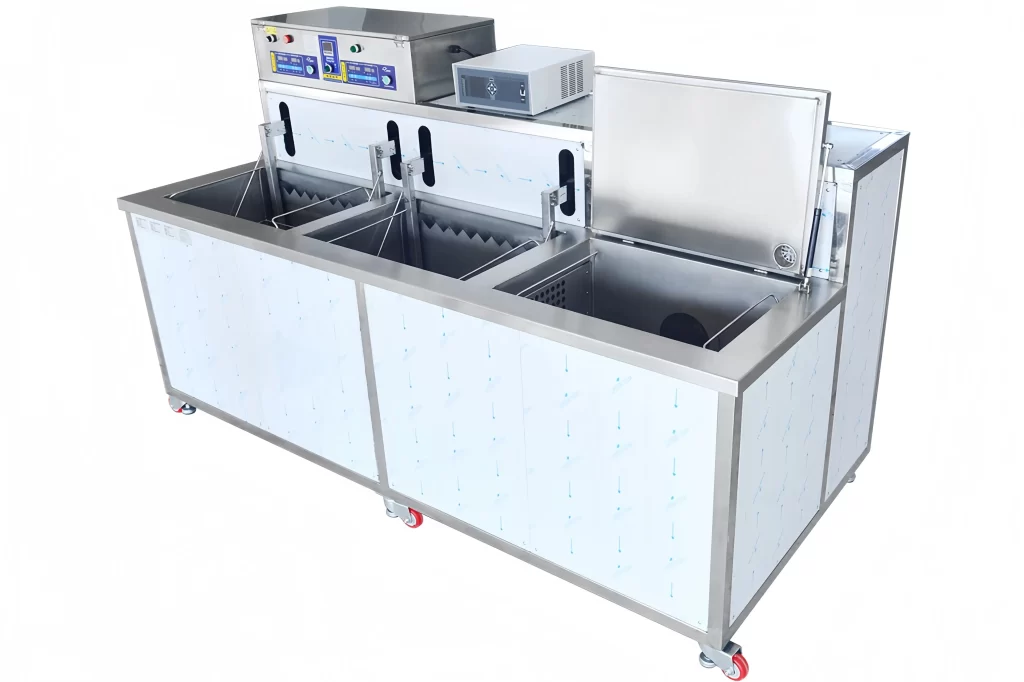
cURL Too many subrequests by single Worker invocation. To configure this limit, refer to https://developers.cloudflare.com/workers/wrangler/configuration/#limits
cURL Too many subrequests by single Worker invocation. To configure this limit, refer to https://developers.cloudflare.com/workers/wrangler/configuration/#limits
cURL Too many subrequests by single Worker invocation. To configure this limit, refer to https://developers.cloudflare.com/workers/wrangler/configuration/#limits Многоцилиндровая ультразвуковая очистка: глубокий анализ промышленных конфигураций.
Optimizing the Heat Treatment Scale Removal Process
cURL Too many subrequests by single Worker invocation. To configure this limit, refer to https://developers.cloudflare.com/workers/wrangler/configuration/#limits
- cURL Too many subrequests by single Worker invocation. To configure this limit, refer to https://developers.cloudflare.com/workers/wrangler/configuration/#limitscURL Too many subrequests by single Worker invocation. To configure this limit, refer to https://developers.cloudflare.com/workers/wrangler/configuration/#limits
- ТемператураcURL Too many subrequests by single Worker invocation. To configure this limit, refer to https://developers.cloudflare.com/workers/wrangler/configuration/#limits
- Частота ультразвукаcURL Too many subrequests by single Worker invocation. To configure this limit, refer to https://developers.cloudflare.com/workers/wrangler/configuration/#limits
- cURL Too many subrequests by single Worker invocation. To configure this limit, refer to https://developers.cloudflare.com/workers/wrangler/configuration/#limitscURL Too many subrequests by single Worker invocation. To configure this limit, refer to https://developers.cloudflare.com/workers/wrangler/configuration/#limits
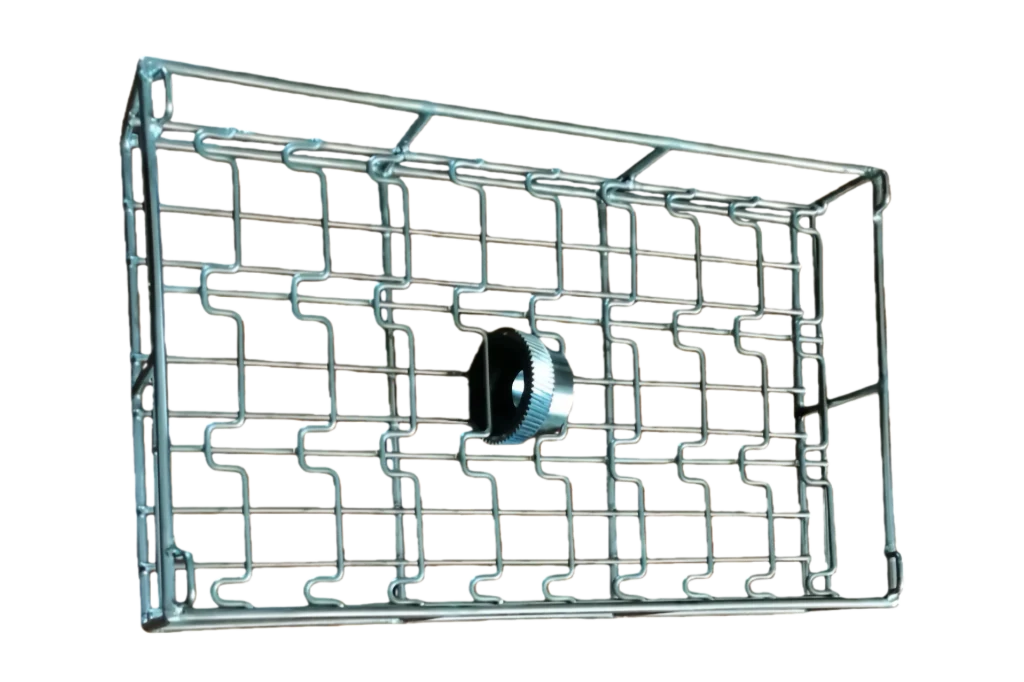
cURL Too many subrequests by single Worker invocation. To configure this limit, refer to https://developers.cloudflare.com/workers/wrangler/configuration/#limits
Managing Costs and Environmental Impact in Scale Removal
cURL Too many subrequests by single Worker invocation. To configure this limit, refer to https://developers.cloudflare.com/workers/wrangler/configuration/#limits
| cURL Too many subrequests by single Worker invocation. To configure this limit, refer to https://developers.cloudflare.com/workers/wrangler/configuration/#limits | cURL Too many subrequests by single Worker invocation. To configure this limit, refer to https://developers.cloudflare.com/workers/wrangler/configuration/#limits | cURL Too many subrequests by single Worker invocation. To configure this limit, refer to https://developers.cloudflare.com/workers/wrangler/configuration/#limits |
|---|---|---|
| cURL Too many subrequests by single Worker invocation. To configure this limit, refer to https://developers.cloudflare.com/workers/wrangler/configuration/#limits | cURL Too many subrequests by single Worker invocation. To configure this limit, refer to https://developers.cloudflare.com/workers/wrangler/configuration/#limits | cURL Too many subrequests by single Worker invocation. To configure this limit, refer to https://developers.cloudflare.com/workers/wrangler/configuration/#limits |
| cURL Too many subrequests by single Worker invocation. To configure this limit, refer to https://developers.cloudflare.com/workers/wrangler/configuration/#limits | cURL Too many subrequests by single Worker invocation. To configure this limit, refer to https://developers.cloudflare.com/workers/wrangler/configuration/#limits | cURL Too many subrequests by single Worker invocation. To configure this limit, refer to https://developers.cloudflare.com/workers/wrangler/configuration/#limits |
| cURL Too many subrequests by single Worker invocation. To configure this limit, refer to https://developers.cloudflare.com/workers/wrangler/configuration/#limits | cURL Too many subrequests by single Worker invocation. To configure this limit, refer to https://developers.cloudflare.com/workers/wrangler/configuration/#limits | cURL Too many subrequests by single Worker invocation. To configure this limit, refer to https://developers.cloudflare.com/workers/wrangler/configuration/#limits |
| Утилизация отходов | cURL Too many subrequests by single Worker invocation. To configure this limit, refer to https://developers.cloudflare.com/workers/wrangler/configuration/#limits | cURL Too many subrequests by single Worker invocation. To configure this limit, refer to https://developers.cloudflare.com/workers/wrangler/configuration/#limits |
cURL Too many subrequests by single Worker invocation. To configure this limit, refer to https://developers.cloudflare.com/workers/wrangler/configuration/#limits
Steps to Implement an Automated Descaling Line
cURL Too many subrequests by single Worker invocation. To configure this limit, refer to https://developers.cloudflare.com/workers/wrangler/configuration/#limits
- cURL Too many subrequests by single Worker invocation. To configure this limit, refer to https://developers.cloudflare.com/workers/wrangler/configuration/#limitscURL Too many subrequests by single Worker invocation. To configure this limit, refer to https://developers.cloudflare.com/workers/wrangler/configuration/#limits
- cURL Too many subrequests by single Worker invocation. To configure this limit, refer to https://developers.cloudflare.com/workers/wrangler/configuration/#limitscURL Too many subrequests by single Worker invocation. To configure this limit, refer to https://developers.cloudflare.com/workers/wrangler/configuration/#limits
- cURL Too many subrequests by single Worker invocation. To configure this limit, refer to https://developers.cloudflare.com/workers/wrangler/configuration/#limitscURL Too many subrequests by single Worker invocation. To configure this limit, refer to https://developers.cloudflare.com/workers/wrangler/configuration/#limits
- cURL Too many subrequests by single Worker invocation. To configure this limit, refer to https://developers.cloudflare.com/workers/wrangler/configuration/#limitscURL Too many subrequests by single Worker invocation. To configure this limit, refer to https://developers.cloudflare.com/workers/wrangler/configuration/#limits
- cURL Too many subrequests by single Worker invocation. To configure this limit, refer to https://developers.cloudflare.com/workers/wrangler/configuration/#limitscURL Too many subrequests by single Worker invocation. To configure this limit, refer to https://developers.cloudflare.com/workers/wrangler/configuration/#limits
cURL Too many subrequests by single Worker invocation. To configure this limit, refer to https://developers.cloudflare.com/workers/wrangler/configuration/#limits
Common Questions About Heat Treatment Scale Removal
Does ultrasonic cleaning remove all types of heat treatment scale?
Ultrasonic cleaning is highly effective on oxide scales that are reasonably adherent — the cavitation impact dislodges loosely bonded layers and, when paired with an alkaline detergent, gradually dissolves the remaining scale. Extremely thick, fused scales may require a quick pre‑soak or a short mechanical pre‑treatment; however, for most production parts, a 10‑minute ultrasonic cycle leaves surfaces ready for the next manufacturing step.
Which cleaning chemical is safest for heat treatment scale removal?
Alkaline detergents are generally safer than strong mineral acids because they avoid hydrogen embrittlement and are less corrosive to equipment. When the process demands solvent‑only cleaning, hydrocarbon or modified‑alcohol solvents offer effective degreasing and mild descaling with lower toxicity than chlorinated solvents.
How do I prevent flash rust after descaling?
Flash rust occurs when clean metal is exposed to air humidity. A multi‑stage rinse with ultrapure water (conductivity ≤ 0.06 µS/cm) removes ionic residues, and immediate hot‑air or vacuum drying eliminates surface moisture. In high‑humidity environments, a brief rust‑preventative dip may be added as a final station.
Can one cleaning system handle both heat treatment scale and machining oils?
Yes, a properly designed multi‑tank system can first degrease in a hydrocarbon or alkaline stage, then descale in a dedicated ultrasonic tank, and finally rinse and dry — all in one automated sequence. This consolidates two cleaning operations into a single line, saving floor space and labor.
If your production involves high‑volume scale removal and you would like a tailored process recommendation, sharing your part data and cleanliness goals with us is often the quickest way to identify the most cost‑effective cleaning configuration.
Если вас интересует, ознакомьтесь с этими связанными статьями:
Автоматические ультразвуковые системы очистки для передового производства
Системы ультразвуковой промышленной очистки: руководство по различным применениям
Снижение затрат энергии в промышленной ультразвуковой очистке
Как выбрать многотонные ультразвуковые системы для высокой производительности
 Russian
  English
  German
  Spanish
  French
  Portuguese