Ultrasonic cleaning time is not a number that can be read from a wall chart. The right answer depends on part geometry, contaminant type, bath chemistry, temperature, ultrasonic power density, loading, and the cleanliness specification the parts must meet. In most process-development work, the active ultrasonic stage is usually several minutes per tank, but the total line time also includes degassing, rinsing, drying, and inspection. The goal is not to run the timer longer; it is to reach a measurable cleanliness level repeatably [1].
Why Ultrasonic Cleaning Time Is Not a Standard Setting
A parts washing line is a system, not a timer. Cavitation removes contamination from the surface, but the cleaning chemical must also wet the part, penetrate blind features, and carry removed soil away. If any of those steps is slow, simply increasing ultrasonic time may produce only marginal gains at the cost of energy, chemical consumption, and possible surface damage. For example, a stamped aluminum part with light oil may clean in a few minutes, while a machined component with fine threads, blind holes, and burned-on carbon can require a longer ultrasonic stage at higher temperature. For this reason, experienced process engineers treat published cycle times as planning references rather than fixed production values [1].
Six Factors That Control Cycle Time
1. Part Geometry and Blind Features
Cavitation is most intense near the transducer side of the tank and becomes less uniform inside deep recesses. Threads, blind holes, narrow slots, and assembled interfaces can trap air or contaminants, slowing the cleaning mechanism. Rotating baskets or part reorientation often help more than extending time alone.
2. Contaminant Type and Loading
Light cutting fluids, water-soluble coolants, and light oils respond quickly. Baked-on carbon, varnish, heavy oxides, stamping compounds, and anti-rust residues take longer and may require a pre-wash stage. Overloading a basket reduces cavitation uniformity and may leave impingement shadows on the parts.
3. Chemistry and Operating Temperature
The cleaning chemistry does much of the work that ultrasonic energy initiates. Warming an aqueous bath lowers viscosity, improves wetting, and speeds oil removal, but the correct operating temperature depends on the detergent and the substrate. Too high a temperature can damage heat-sensitive parts and may reduce cavitation intensity in some water-based systems.
4. Ultrasonic Power Density and Frequency
Lower frequencies, such as 20–28 kHz, generate larger, more energetic cavitation bubbles and are usually selected for heavy soils on hard metals. Higher frequencies, such as 40–80 kHz, produce finer cavitation and are better for delicate or highly finished surfaces. Low power density can stretch cycle time because cavitation never reaches full intensity across the tank.
A basket can block ultrasonic energy if it is densely loaded or if parts shield one another. Cleaning baskets should hold parts securely while allowing cleaning solution to reach all critical surfaces. Blind holes should be oriented so that trapped air can escape and chemistry can enter.
6. Degassing and Tank Condition
Fresh or refilled cleaning baths contain dissolved gas that damps cavitation. Degassing time depends on tank volume, water quality, chemistry, and liquid column depth. Rushing into a timing study before the bath is degassed often produces false cycle-time data because the tank is not yet cleaning at full intensity [3].
Typical Cycle Time Ranges by Application
The values below are practical planning ranges for process development. They should be validated on real parts under production loading, basket orientation, and cleanliness requirements [1][3].
Application or contaminant
Typical active ultrasonic stage
Light machining oils, coolants, chips
2–10 min
Stamping oils, fingerprints, general oils
cURL Too many subrequests by single Worker invocation. To configure this limit, refer to https://developers.cloudflare.com/workers/wrangler/configuration/#limits
cURL Too many subrequests by single Worker invocation. To configure this limit, refer to https://developers.cloudflare.com/workers/wrangler/configuration/#limits
cURL Too many subrequests by single Worker invocation. To configure this limit, refer to https://developers.cloudflare.com/workers/wrangler/configuration/#limits
cURL Too many subrequests by single Worker invocation. To configure this limit, refer to https://developers.cloudflare.com/workers/wrangler/configuration/#limits
cURL Too many subrequests by single Worker invocation. To configure this limit, refer to https://developers.cloudflare.com/workers/wrangler/configuration/#limits
cURL Too many subrequests by single Worker invocation. To configure this limit, refer to https://developers.cloudflare.com/workers/wrangler/configuration/#limits
cURL Too many subrequests by single Worker invocation. To configure this limit, refer to https://developers.cloudflare.com/workers/wrangler/configuration/#limits
cURL Too many subrequests by single Worker invocation. To configure this limit, refer to https://developers.cloudflare.com/workers/wrangler/configuration/#limits
cURL Too many subrequests by single Worker invocation. To configure this limit, refer to https://developers.cloudflare.com/workers/wrangler/configuration/#limits
cURL Too many subrequests by single Worker invocation. To configure this limit, refer to https://developers.cloudflare.com/workers/wrangler/configuration/#limits
cURL Too many subrequests by single Worker invocation. To configure this limit, refer to https://developers.cloudflare.com/workers/wrangler/configuration/#limitsComo Escolher Sistemas Ultrassónicos de Múltiplos Tanques para Alto VolumecURL Too many subrequests by single Worker invocation. To configure this limit, refer to https://developers.cloudflare.com/workers/wrangler/configuration/#limits
How to Build a Repeatable Cleaning-Time Protocol
cURL Too many subrequests by single Worker invocation. To configure this limit, refer to https://developers.cloudflare.com/workers/wrangler/configuration/#limits
cURL Too many subrequests by single Worker invocation. To configure this limit, refer to https://developers.cloudflare.com/workers/wrangler/configuration/#limits
cURL Too many subrequests by single Worker invocation. To configure this limit, refer to https://developers.cloudflare.com/workers/wrangler/configuration/#limits
cURL Too many subrequests by single Worker invocation. To configure this limit, refer to https://developers.cloudflare.com/workers/wrangler/configuration/#limits
cURL Too many subrequests by single Worker invocation. To configure this limit, refer to https://developers.cloudflare.com/workers/wrangler/configuration/#limits
cURL Too many subrequests by single Worker invocation. To configure this limit, refer to https://developers.cloudflare.com/workers/wrangler/configuration/#limits
cURL Too many subrequests by single Worker invocation. To configure this limit, refer to https://developers.cloudflare.com/workers/wrangler/configuration/#limits
cURL Too many subrequests by single Worker invocation. To configure this limit, refer to https://developers.cloudflare.com/workers/wrangler/configuration/#limits
cURL Too many subrequests by single Worker invocation. To configure this limit, refer to https://developers.cloudflare.com/workers/wrangler/configuration/#limits
When a Published Range Is Not Enough
cURL Too many subrequests by single Worker invocation. To configure this limit, refer to https://developers.cloudflare.com/workers/wrangler/configuration/#limits
Contact an Ultrasonic Cleaning Engineer
cURL Too many subrequests by single Worker invocation. To configure this limit, refer to https://developers.cloudflare.com/workers/wrangler/configuration/#limits
cURL Too many subrequests by single Worker invocation. To configure this limit, refer to https://developers.cloudflare.com/workers/wrangler/configuration/#limits
cURL Too many subrequests by single Worker invocation. To configure this limit, refer to https://developers.cloudflare.com/workers/wrangler/configuration/#limits
cURL Too many subrequests by single Worker invocation. To configure this limit, refer to https://developers.cloudflare.com/workers/wrangler/configuration/#limits
cURL Too many subrequests by single Worker invocation. To configure this limit, refer to https://developers.cloudflare.com/workers/wrangler/configuration/#limits
cURL Too many subrequests by single Worker invocation. To configure this limit, refer to https://developers.cloudflare.com/workers/wrangler/configuration/#limits
Perguntas Frequentes
How long should a typical ultrasonic cleaning cycle last?
cURL Too many subrequests by single Worker invocation. To configure this limit, refer to https://developers.cloudflare.com/workers/wrangler/configuration/#limits
Does higher temperature shorten ultrasonic cleaning time?
cURL Too many subrequests by single Worker invocation. To configure this limit, refer to https://developers.cloudflare.com/workers/wrangler/configuration/#limits
Do I need to degas before starting the timer?
cURL Too many subrequests by single Worker invocation. To configure this limit, refer to https://developers.cloudflare.com/workers/wrangler/configuration/#limits
Can I shorten cycle time by loading more parts?
cURL Too many subrequests by single Worker invocation. To configure this limit, refer to https://developers.cloudflare.com/workers/wrangler/configuration/#limits
How often should cleaning time be adjusted?
cURL Too many subrequests by single Worker invocation. To configure this limit, refer to https://developers.cloudflare.com/workers/wrangler/configuration/#limits
What if longer ultrasonic exposure damages the part surface?
cURL Too many subrequests by single Worker invocation. To configure this limit, refer to https://developers.cloudflare.com/workers/wrangler/configuration/#limits


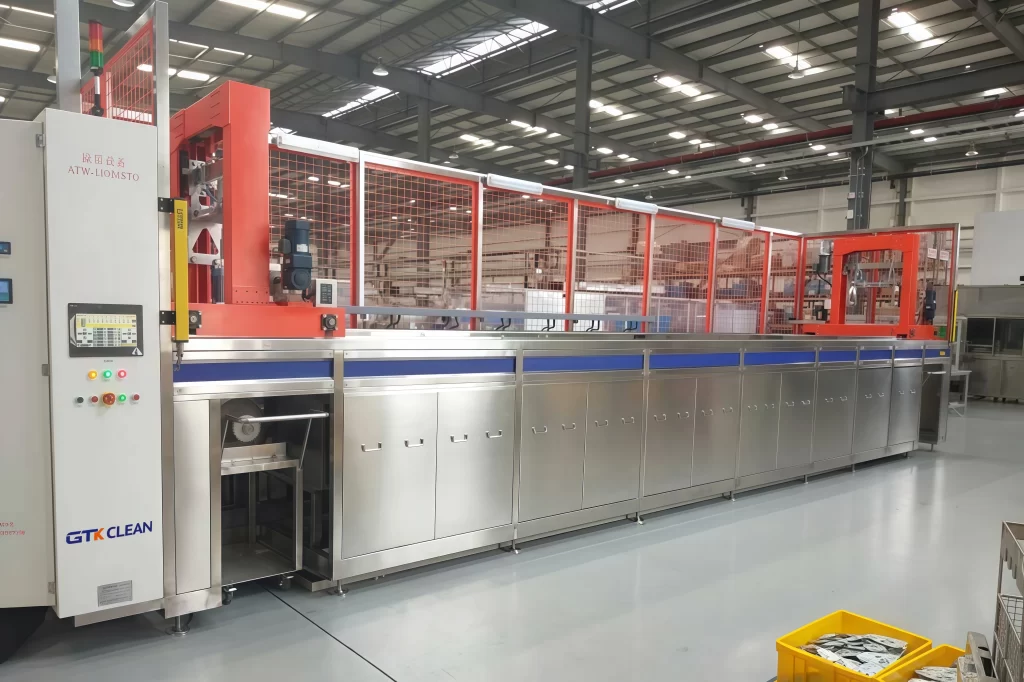

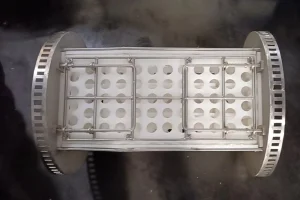 cURL Too many subrequests by single Worker invocation. To configure this limit, refer to https://developers.cloudflare.com/workers/wrangler/configuration/#limits
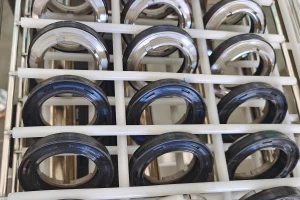 cURL Too many subrequests by single Worker invocation. To configure this limit, refer to https://developers.cloudflare.com/workers/wrangler/configuration/#limits
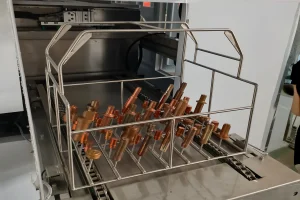
 Portuguese
 English
 German
 Spanish
 French
 Russian