
Budgeting for industrial cleaning equipment upgrades isn't just about picking a number and hoping it works out. The real challenge lies in balancing what you need today against what your operation will demand in three or five years. After working through countless equipment decisions, one pattern becomes clear: the companies that get this right treat it as a strategic exercise, not a purchasing task. This means looking hard at current system performance, understanding true ownership costs, and building flexibility into whatever you buy.
Assessing Current Cleaning System Performance and Needs
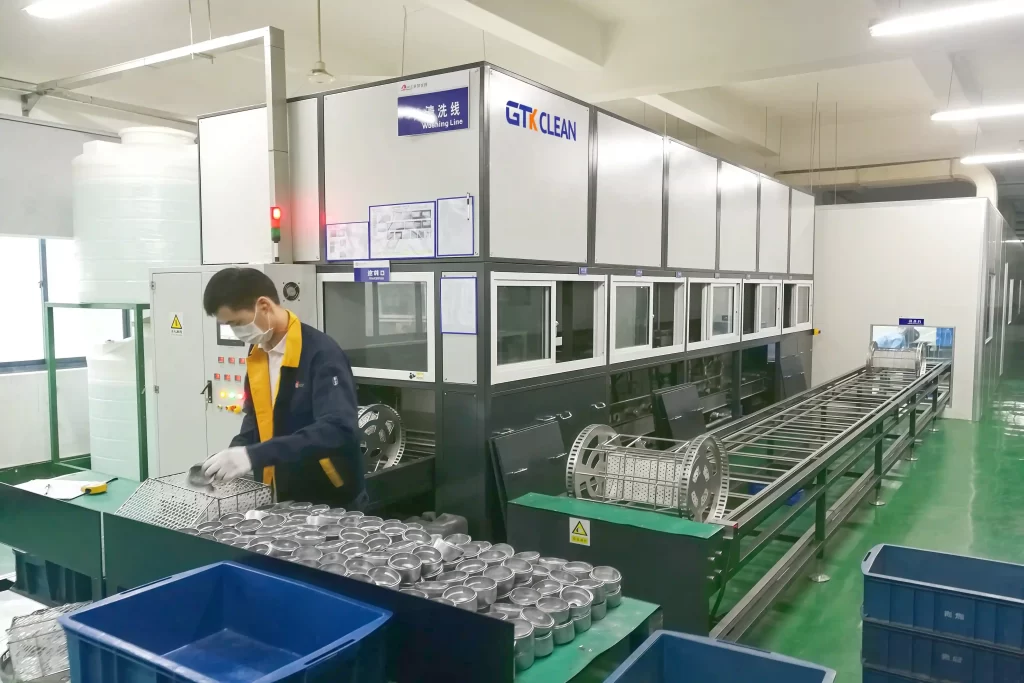
A strategic upgrade begins with a thorough evaluation of existing cleaning systems. Analyzing current operational efficiency reveals bottlenecks, inadequate cleanliness levels, or excessive resource consumption. This assessment includes examining existing equipment for its effectiveness in meeting evolving cleanliness requirements and regulatory compliance. Understanding these deficiencies helps define precise specifications for new industrial cleaning machine cost and capabilities. For example, if current systems struggle with complex geometries, a multi-stage ultrasonic cleaning system might be necessary. This data-driven approach ensures that any industrial cleaning equipment investment directly addresses existing pain points and future needs.
For further insights into optimizing your cleaning processes, consider reading 《What Is Ultrasonic Cavitation Effect?》
Calculating Total Cost of Ownership for New Equipment
Calculating the Total Cost of Ownership (TCO) gives you a realistic budget picture. Beyond the initial industrial cleaning machine cost, TCO encompasses installation, training, consumables, maintenance, and energy consumption. Designing comprehensive automated cleaning equipment allows for a holistic view of these factors. The focus should be on solutions that reduce long term operational costs through efficiency and durability.
| TCO Component | Description |
|---|---|
| Initial Purchase | Base equipment cost including standard features |
| Installation | Facility modifications, utility connections, commissioning |
| Training | Operator certification, maintenance staff education |
| Consumables | Cleaning agents, filters, replacement parts |
| Energy | Power consumption over equipment lifespan |
| Maintenance | Scheduled service, unexpected repairs |
What factors influence the cost of industrial cleaning equipment upgrades?
Several factors influence the overall industrial cleaning equipment investment. The primary cost is the equipment itself, which varies significantly based on technology (ultrasonic, solvent, conveyor systems), size, and automation level. Beyond this, installation costs, including facility modifications and utility connections, prove critical. Training expenses for operators and maintenance staff ensure proper use and longevity. Customization for specific part dimensions or cleanliness standards can affect the final price. The cost of associated components like specialized cleaning baskets or water treatment systems also factors in.
Justifying Return on Investment for Advanced Cleaning Technology
Demonstrating a clear Return on Investment (ROI) matters for any significant industrial cleaning equipment investment. Advanced cleaning technology backed by technical patents delivers tangible benefits. These include enhanced cleaning efficiency, leading to increased throughput and reduced cycle times. Superior cleaning performance minimizes defects and rework, improving product quality. Automated systems reduce labor costs and ensure consistent results. Compliance with stringent industry regulations is also a significant, often overlooked, ROI driver.
How can I justify the ROI of new industrial cleaning technology?
Justifying ROI involves a comprehensive cost-benefit analysis. Quantify current operational inefficiencies, such as high labor hours, excessive chemical usage, or product rejection rates due to inadequate cleaning. Compare these costs against the projected savings and benefits offered by new industrial cleaning equipment. Automated ultrasonic cleaning systems reduce manual labor and material consumption. Improved cleaning quality from technologies like Pre PVD (Coating) Parts Ultrasonic Cleaners can lead to higher yields and better product performance, directly impacting profitability.
Securing Funding and Managing Budgetary Constraints
Securing funding for industrial cleaning equipment upgrades requires a well-structured financial plan. Capital expenditure planning involves identifying internal funds, exploring industrial equipment financing options, or leveraging government incentives. Understanding the long-term value of cleaning solutions often justifies significant upfront investment. Effective budget allocation strategies prioritize equipment that offers the highest impact on operational efficiency and product quality. Depreciation schedules for new assets should also be considered for tax planning purposes.
Future Proofing Your Cleaning Equipment Investment
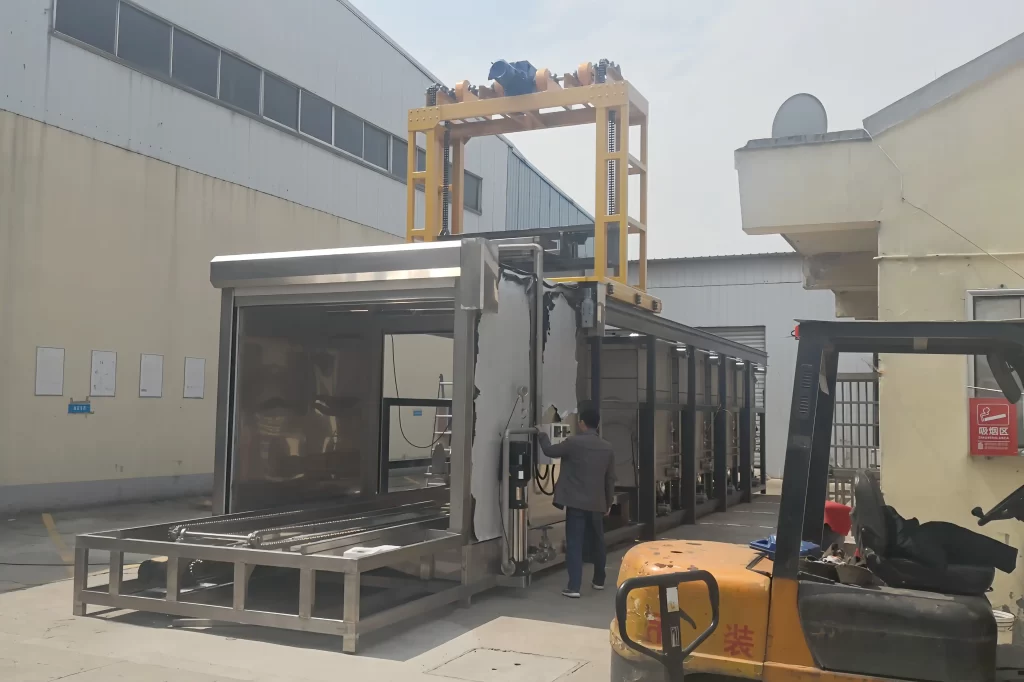
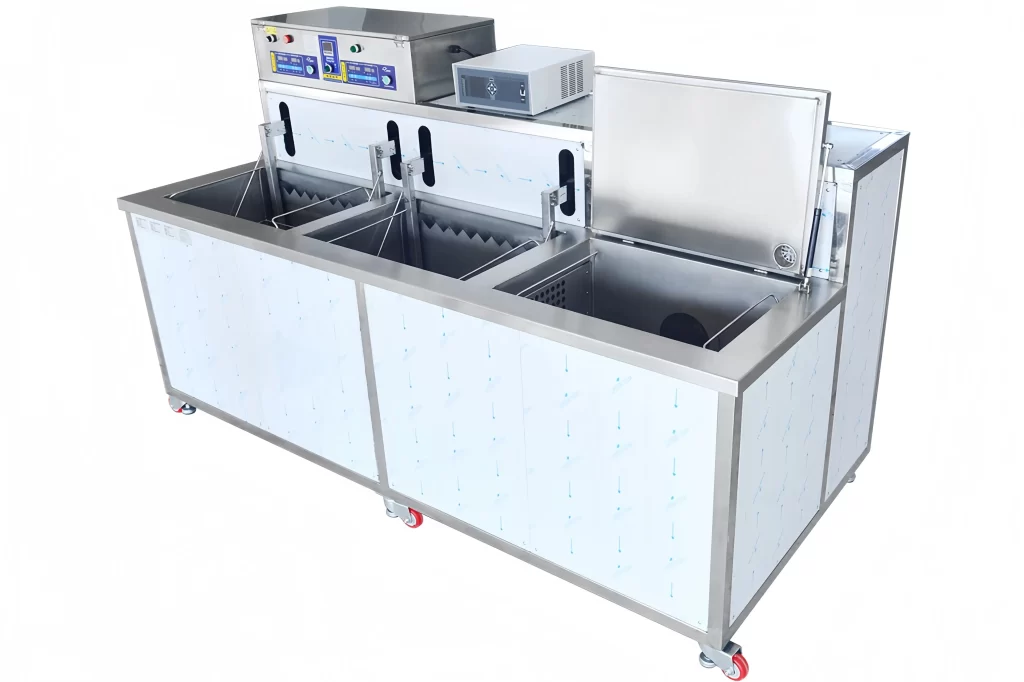
Future-proofing your industrial cleaning equipment investment ensures its long-term viability and adaptability. Systems designed to meet evolving cleanliness requirements should offer scalable cleaning solutions. This includes modular designs that can be expanded or reconfigured as production needs change. Investing in versatile technologies, such as multi-frequency ultrasonic cleaners or hydrocarbon solvent ultrasonic vacuum cleaners, allows for adaptation to new materials or contaminants. Comprehensive systems, including advanced water treatment systems, support sustainable industrial cleaning practices and extend equipment lifespan.
What are the long term financial benefits of upgrading cleaning systems?
Upgrading to advanced cleaning systems offers substantial long term financial benefits. These include reduced operational costs through lower energy and water consumption, particularly with efficient filtration and circulation systems. Enhanced equipment longevity, supported by preventative maintenance budgets, minimizes replacement cycles. Improved product quality reduces scrap and rework, leading to significant material savings. These upgrades contribute to a stronger cleaning technology ROI and a more competitive manufacturing process.
Partner with GTKCLEAN for Strategic Cleaning Equipment Solutions
Elevate your operational efficiency and achieve superior cleanliness with GTKCLEAN's cutting-edge industrial cleaning equipment. With 20+ years of R&D and 28 technical patents, we provide comprehensive, automated solutions tailored to your evolving needs, from ultrasonic to solvent and conveyor systems. Contact our experts today to discuss how our advanced technology can optimize your budget and deliver unparalleled performance. Reach out to us at +86 17768507147 or [email protected] for a consultation.
Frequently Asked Questions About Industrial Cleaning Equipment Budgeting
What is the most critical factor when budgeting for industrial cleaning equipment upgrades?
The most critical factor is a comprehensive Total Cost of Ownership (TCO) analysis. This goes beyond the initial purchase price to include installation, training, maintenance, energy consumption, and potential downtime. A thorough TCO, considering industrial cleaning machine cost and long-term operational expenses, ensures a realistic and sustainable budget.
How can I ensure my industrial cleaning equipment budget aligns with future regulatory standards?
To align with future standards, prioritize scalable and adaptable cleaning technology. Invest in equipment from manufacturers that offer independently designed, comprehensive systems, including advanced water treatment systems, which are often crucial for environmental compliance. This ensures your equipment lifecycle management accounts for evolving cleanliness requirements.
What role does preventative maintenance play in an industrial cleaning equipment budget?
Preventative maintenance is a cornerstone of effective industrial cleaning equipment budgeting. Allocating funds for regular servicing extends equipment lifespan, reduces unexpected repair costs, and maintains optimal performance, directly impacting your preventative maintenance budget and overall equipment lifecycle management. This proactive approach minimizes downtime and maximizes cleaning technology ROI.
Can upgrading industrial cleaning equipment truly offer significant long term financial benefits?
Strategic upgrades to advanced industrial cleaning equipment yield substantial long-term financial benefits. These include reduced labor costs, lower utility consumption, improved product quality (reducing rework), and extended equipment longevity. These factors collectively contribute to a strong cleaning technology ROI and significant long term cost savings.
 English
  German
  Spanish
  French
  Russian
  Portuguese