
Industrial Parts Washer Baskets
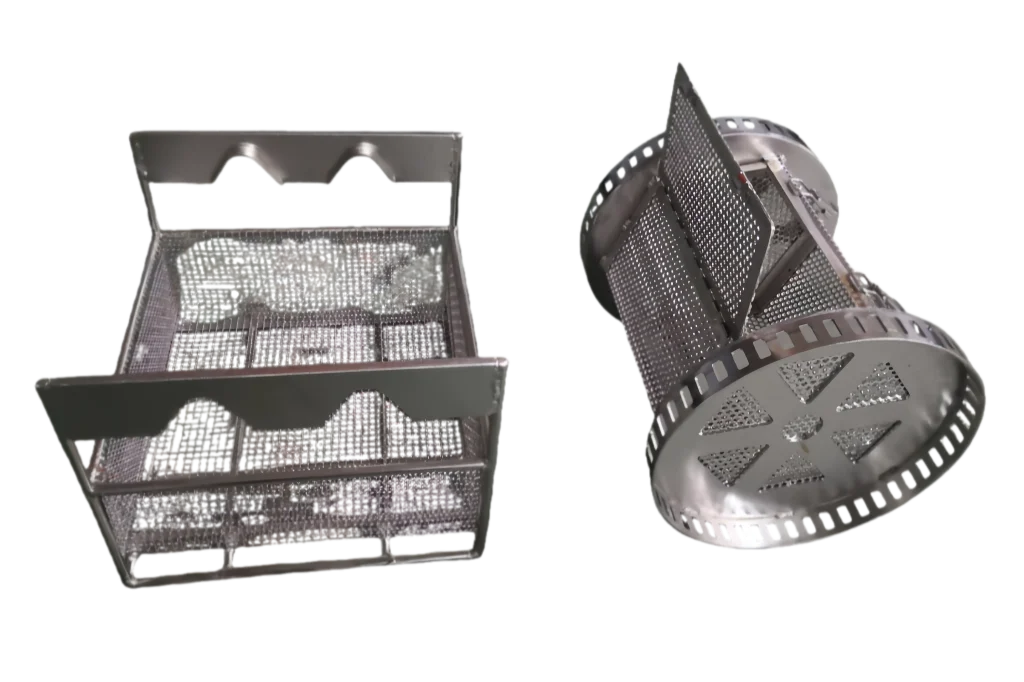
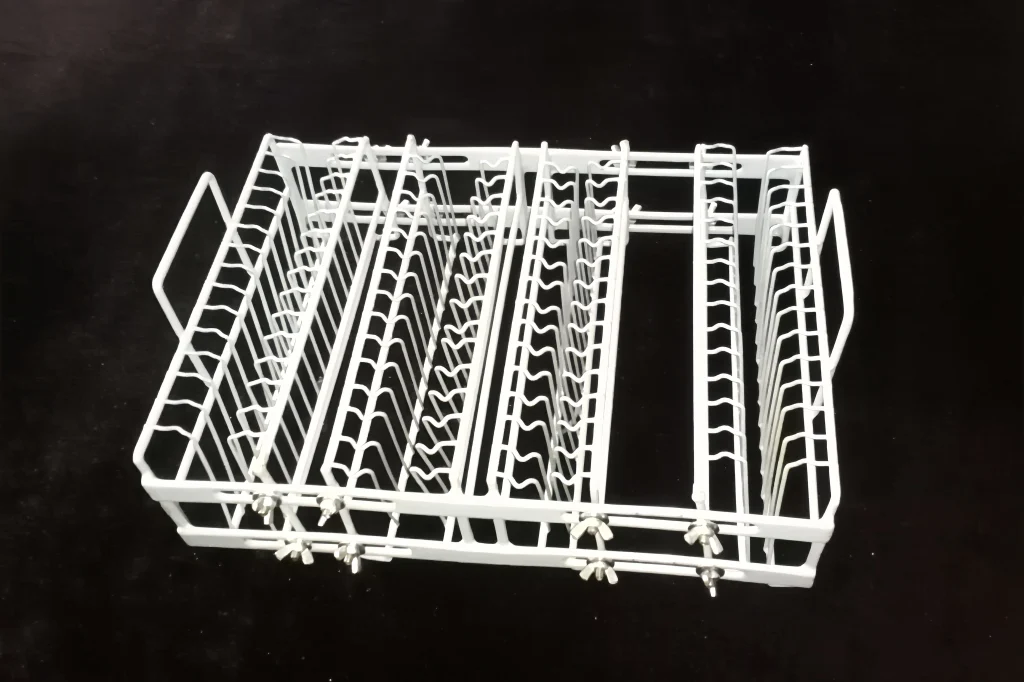
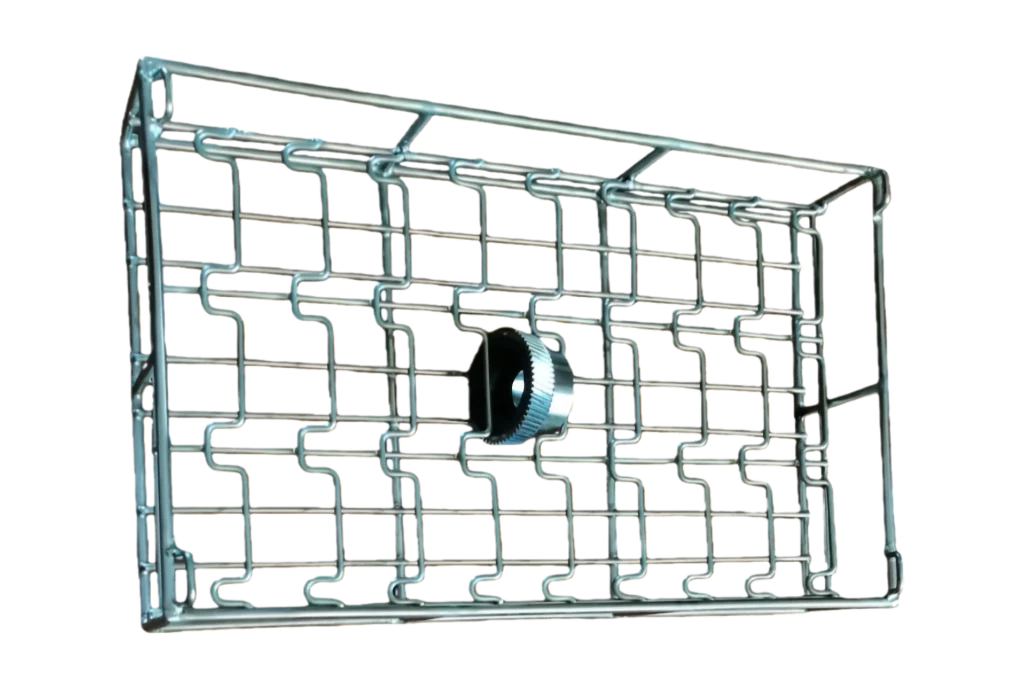
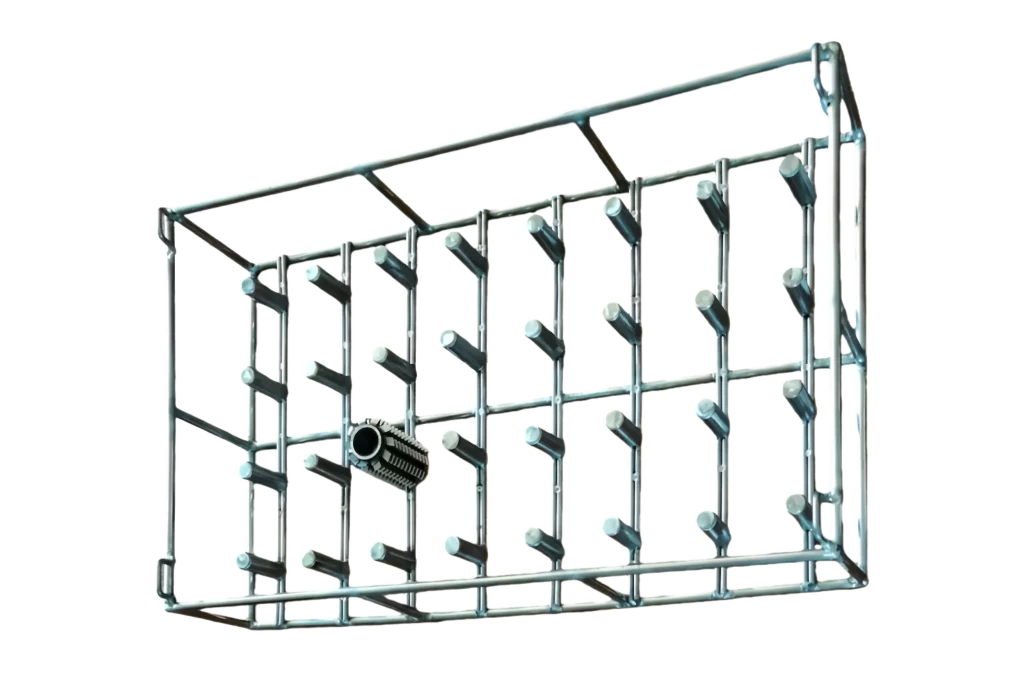
Before designing and manufacturing a cleaning machine, GTK engineers must consider and design the cleaning basket based on the shape, weight, and cleaning requirements of the workpieces. Different cleaning basket designs correspond to different cleaning processes:
- For products with blind holes, a circular basket that can rotate the products is required to achieve effective cleaning and drying;
- For sheet-like cleaning products, the primary consideration is whether there will be traces, water stains, etc. left after cleaning the contact points between the cleaned parts and the cleaning basket;
- For heavy-load workpieces, the load-bearing capacity of the cleaning basket is prioritized in the design;
- For workpieces that require pickling, the corrosion resistance of the basket material must be considered.
- Once the cleaning basket is determined, the cleaning method and drying process are basically clarified.
Washing basket, also known as cleaning basket, loading basket or workpieces basket, is a key carrier used for holding and transporting workpieces in the cleaning process. It directly affects cleaning efficiency, effectiveness and workpiece safety.
Cleaning Baskets Are Far More Than Just Simple Containers—They Play Multiple Critical Roles In Automated Cleaning Processes:
Workpiece Bearing and Fixation: Safely accommodate workpieces to prevent them from colliding with each other, getting damaged, or shifting position during intense cleaning processes (such as ultrasonic cleaning and spray cleaning).
Cleaning Process Optimization: Arrange workpieces in an orderly manner to ensure cleaning media (liquids, gases) can fully contact all surfaces of the workpieces, including complex internal cavities and blind holes, and avoid leaving hard-to-reach areas uncleaned.
Facilitating Automated Transfer: As standardized carriers, cleaning baskets can seamlessly interface with the conveyor systems (e.g., rollers, chains, AGVs) of cleaning machines, drying equipment, and even the entire production line, enabling automatic transfer of workpieces between stations.
Enhancing Production Efficiency: Enable batch processing, allowing a large number of workpieces to be cleaned at one time, significantly improving overall production efficiency.
Protecting Worker Safety: Provide a buffer for safe operation when handling high-temperature, sharp-edged, or chemical residue-contaminated workpieces.
Common Materials For Washing Baskets
| Material | Characteristics | Applicable Scenarios |
| Stainless Steel | The most commonly used. Durable and robust, with high temperature and corrosion resistance, and a long service life. Easy to clean and does not easily contaminate the cleaning fluid. | Suitable for almost all scenarios, especially water-based and solvent-based cleaning agents, high-temperature and high-pressure cleaning, and ultrasonic cleaning. |
| Plastics (e.g., PP, PVDF) | Lightweight, cost-effective, and excellent electrical insulation. Strong resistance to acid and alkali corrosion. However, it has poor temperature resistance and may age with long-term use. | Ideal for cleaning with corrosive chemicals, or applications requiring strict scratch resistance on workpiece surfaces (e.g., optical lenses, electroplated parts). |
| Teflon (PTFE) | Offers exceptional chemical resistance and non-stick properties; workpiece residues are not easily attached. However, it has low mechanical strength and is relatively expensive. | Used for cleaning viscous substances (e.g., glue, resin) or in extreme chemical environments. |
The cleaning machine basket serves as a bridge connecting workpieces and cleaning processes, acting as a seemingly simple yet highly technically intensive fixture. A well-designed cleaning basket can:
- Maximize cleaning effectiveness and consistency.
- Minimize workpiece damage and operational time.
- Seamlessly integrate into automated production lines.
Maintenance Tips for Cleaning Baskets
- Regular Cleaning: After use, promptly clean the basket surface to remove residual cleaning detergents and dirt, avoiding long-term adhesion and corrosion.
- Routine Inspection: Check for deformation, cracks, or mesh damage. Repair small damages in time; replace severely damaged baskets to prevent workpiece falling or uneven cleaning.
- Proper Storage: Store baskets in a dry, ventilated environment to avoid moisture and corrosion. Stack them reasonably to prevent deformation due to excessive pressure.
- Avoid Misuse: Do not exceed the load capacity, and avoid collision with hard objects during handling to protect the basket structure.
In summary, selecting the right cleaning basket requires comprehensive consideration of process, workpiece, and environmental factors. Choosing appropriate materials and maintaining them properly can significantly improve cleaning efficiency, reduce costs, and extend the service life of both the basket and the cleaning equipment.
For further technical inquiries or customized cleaning baskets, please do not hesitate to contact us. Thank you for your trust!

 English
  German
  Spanish
  French
  Russian
  Portuguese