
Selecting an industrial cleaning system involves more than comparing initial price tags. Many companies encounter significant operational issues and unexpected costs because they overlook critical factors during the selection process. Understanding these common cleaning system selection mistakes can help manufacturers make informed decisions, ensuring optimal performance, compliance, and long-term efficiency for their operations.
Underestimating Application-Specific Cleaning Needs
A frequent error in industrial cleaning system selection is failing to conduct a thorough analysis of specific application requirements. This oversight often leads to systems that are either insufficient for the task or over-engineered, resulting in wasted resources.
Precision cleaning demands vary significantly across industries and part types. The cleaning efficacy needed for medical implants differs greatly from that for general industrial components. Material compatibility is also paramount. An aggressive chemical or ultrasonic frequency suitable for stainless steel could damage delicate electronics or certain alloys. I consistently advise clients to detail every aspect of their parts, including geometry, material composition, and the exact contaminants to be removed.
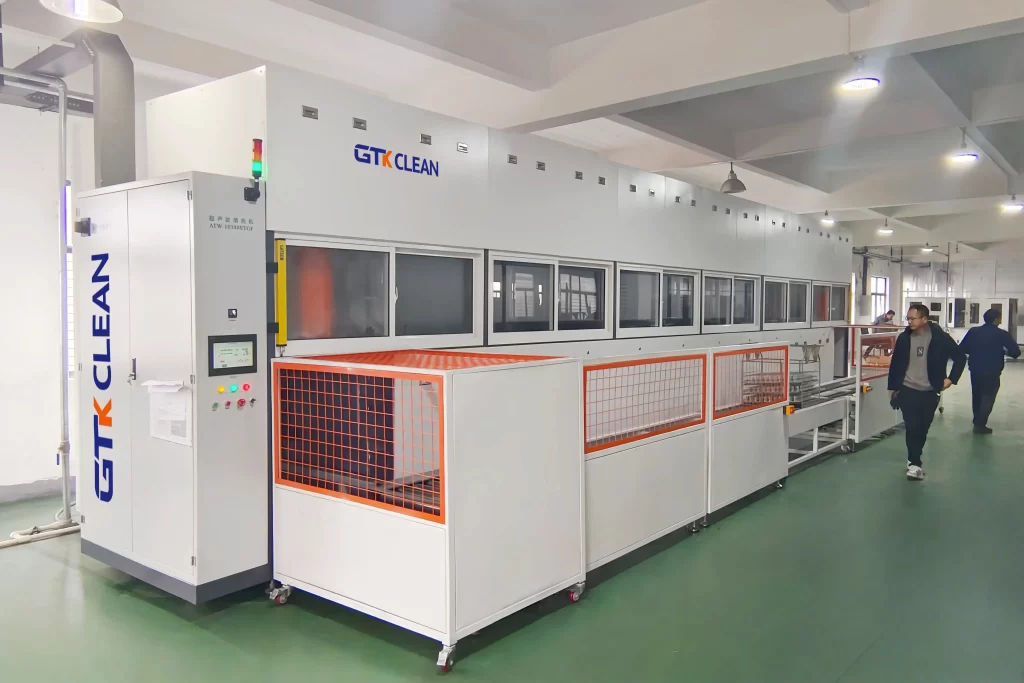
Consider a project where a client was struggling with residue on their pre-PVD (Physical Vapor Deposition) parts. They had initially chosen a generic spray washer, but the complex geometries of their components meant blind holes and internal surfaces retained contaminants, leading to PVD coating defects. We recommended a specialized ultrasonic cleaning system, specifically our Pre PVD (Coating) Parts Ultrasonic Cleaners. This system features multi-stage cleaning, including hydrojet spray and ultrasonic cleaning, followed by multi-stage ultrapure water rinsing to achieve conductivity ≤ 0.06 μS/cm. The tailored approach, focusing on deep holes and complex parts, resulted in a 95% reduction in coating defects, significantly improving product quality and reducing rework.
| Cleaning Method | Primary Contaminant Type | Material Compatibility | Efficacy for Complex Geometries | Typical Application |
|---|---|---|---|---|
| Ultrasonic | Oils, particles, residues | Metals, glass, plastics | High, penetrates blind holes | Precision parts, medical |
| Solvent | Heavy oils, greases | Metals, some plastics | Moderate, chemical dissolution | Automotive, aerospace |
| Aqueous Spray | Light oils, chips | Most materials | Low, line-of-sight | General industrial |
| Conveyor Belt | Continuous production | Various | Variable, depends on nozzles | Mass production |
GTKCLEAN's comprehensive range of automated cleaning equipment, including ultrasonic, solvent, and conveyor systems, is designed with over 20 years of R&D experience to address diverse industrial needs. This allows us to provide tailored solutions that precisely match application requirements.
Overlooking Regulatory Compliance and Safety in Cleaning Systems
Ignoring regulatory compliance and safety standards during the selection of industrial cleaning systems can lead to severe consequences, including hefty fines, operational shutdowns, and risks to personnel.
Environmental regulations, such as those governing wastewater discharge or volatile organic compound (VOC) emissions, are constantly evolving. A cleaning system chosen without considering these aspects might become obsolete or non-compliant quickly. Safety standards, including those related to chemical handling, noise levels, and machine guarding, are equally important to protect workers.
Manufacturers must integrate waste management protocols into their decision-making process. This involves evaluating how the system handles spent cleaning solutions, filters out contaminants, and minimizes overall waste generation. A system with integrated filtration and circulation systems, for example, can significantly extend fluid life and reduce the frequency of waste disposal. We emphasize selecting equipment that not only cleans effectively but also supports a safe and environmentally responsible operation.
Ignoring Long-Term Operational Cleaning Costs and Scalability
Focusing solely on the initial purchase price of a cleaning system is a common mistake that often results in higher total cost of ownership.
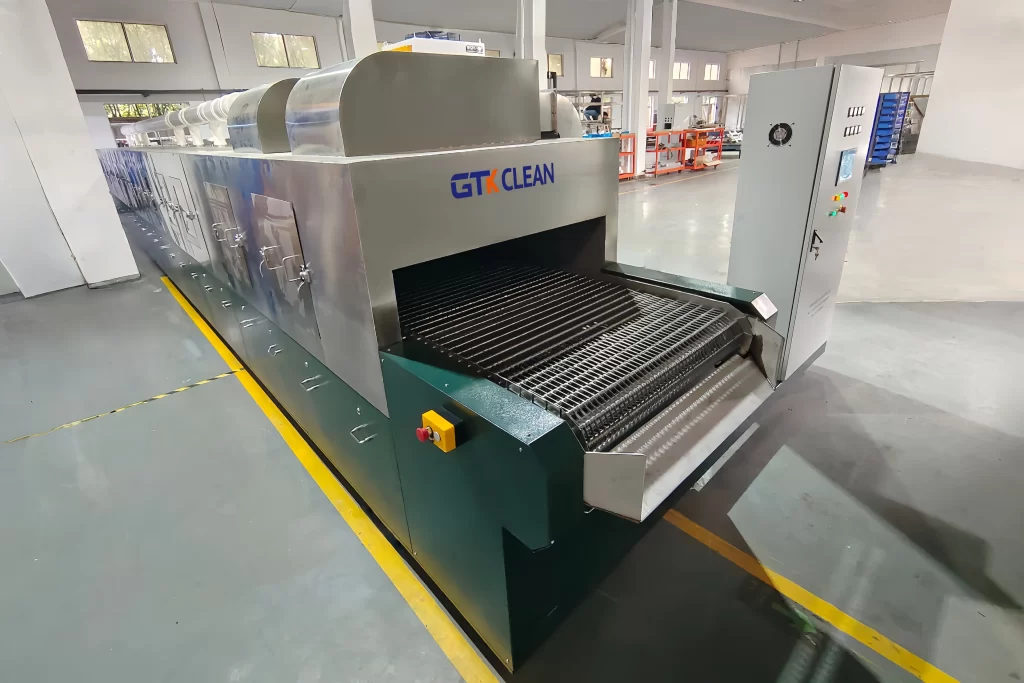
The true cost extends far beyond the upfront investment, encompassing energy consumption, water usage, chemical expenditure, maintenance costs, and labor requirements. An energy-efficient system, even if slightly more expensive initially, can yield substantial savings over its lifespan. Similarly, a system designed for easy maintenance will reduce downtime and associated labor costs.
Scalability is another critical factor. Production demands can fluctuate, and a cleaning system should be capable of adapting to future growth or changes in part volume and type. Investing in a modular system or one with adjustable parameters can prevent the need for costly replacements or additional equipment down the line. If you are evaluating systems for a facility that may expand production lines within the next few years, it is worth discussing throughput flexibility and upgrade paths before committing. Our independently designed automated equipment offers superior cleaning performance and adapts to evolving cleanliness requirements, optimizing long-term return on investment.
Failing to Evaluate Cleaning Technology and Automation Properly
The industrial cleaning landscape offers a variety of technologies, each suited for different applications. Choosing an outdated technology or underestimating the benefits of automation can significantly hinder cleaning efficacy and operational efficiency.
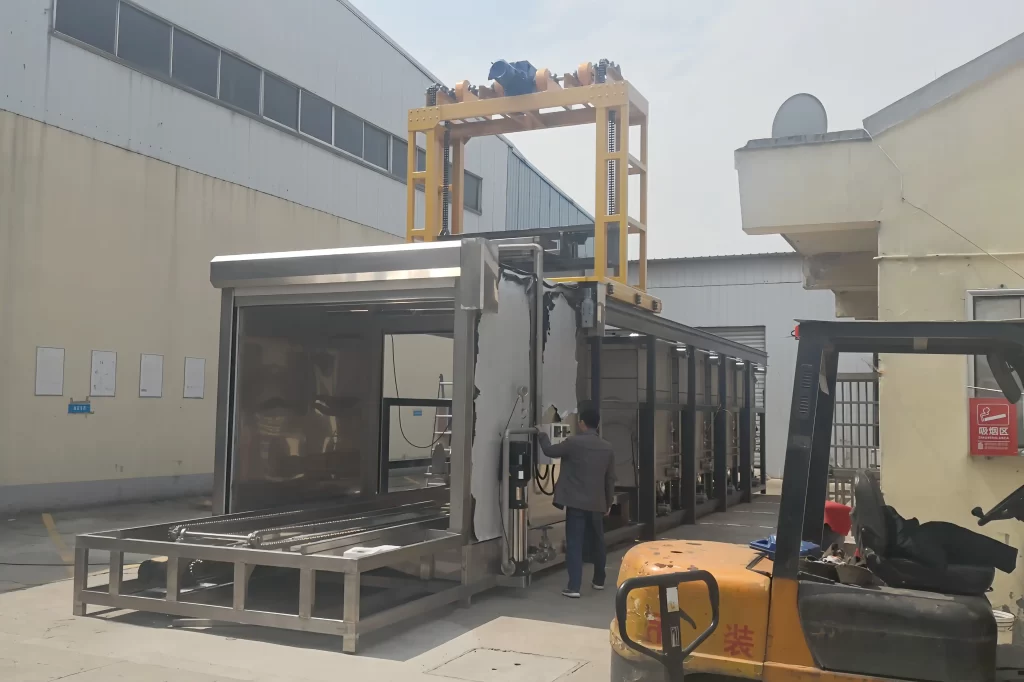
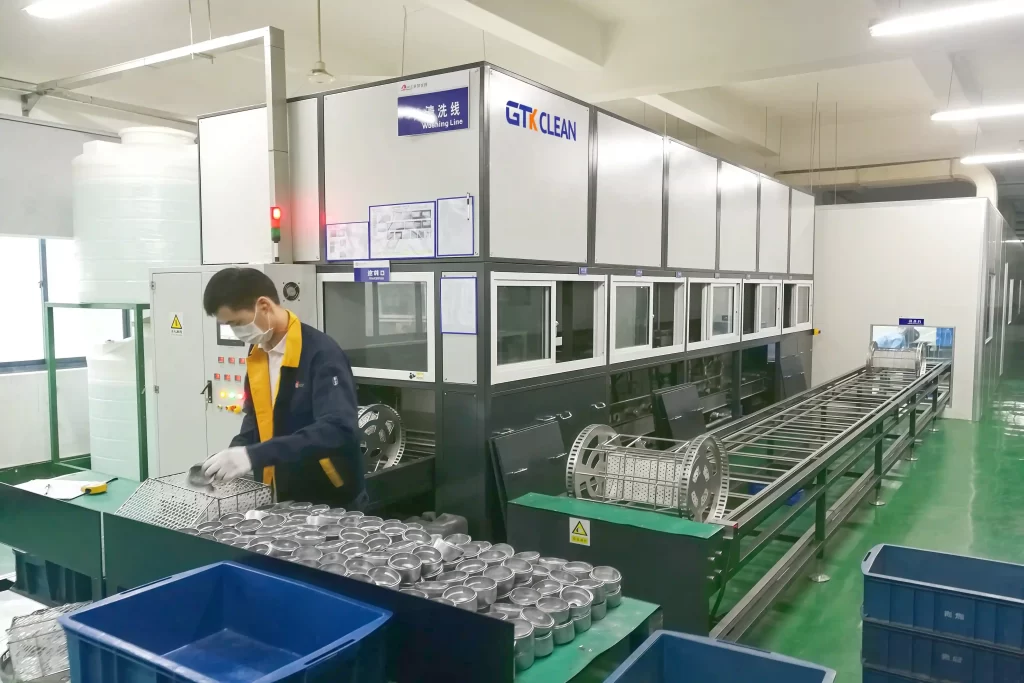
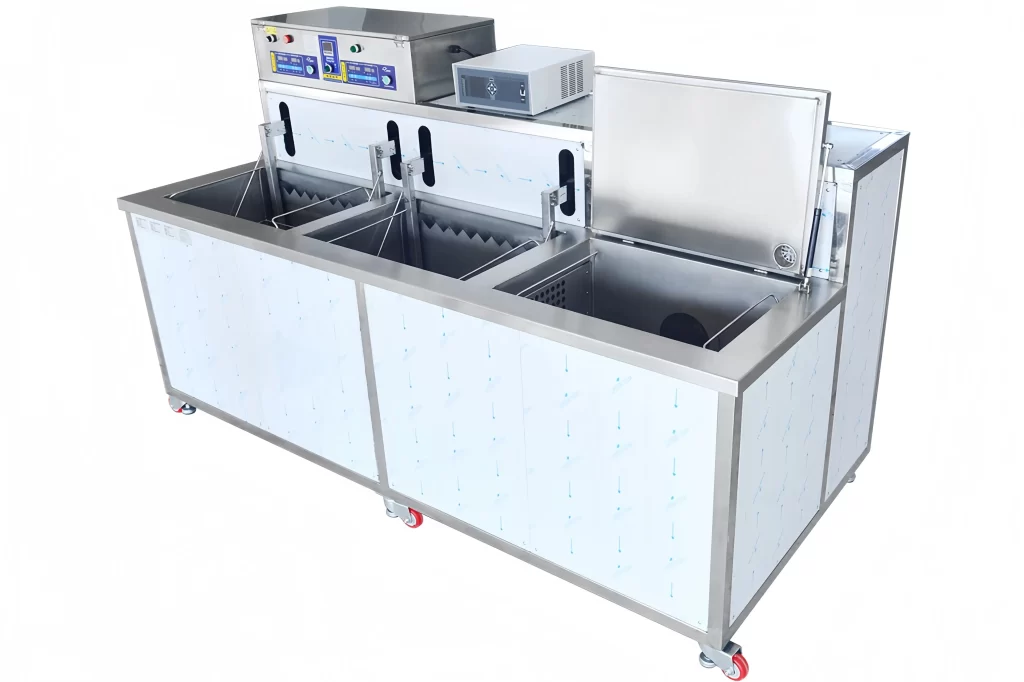
Ultrasonic cleaning systems excel at precision cleaning for intricate parts by using cavitation bubbles to dislodge contaminants, while conveyor belt cleaning systems are ideal for high-volume, continuous production lines. The choice depends on part geometry, contamination type, and production volume.
Automation in cleaning processes reduces manual labor, improves consistency, and enhances safety. A fully automated system can maintain stable cleaning quality, minimize human error, and allow for remote monitoring and process upgrades. Failing to properly integrate the cleaning system with existing production lines or underestimating the impact of automation on labor costs and throughput can lead to bottlenecks and suboptimal performance.
Neglecting Supplier Expertise and Post-Sale Cleaning Support
The relationship with a cleaning system supplier extends beyond the initial purchase. Choosing a supplier based solely on price, without considering their industry expertise, technical support, and after-sales services, can result in significant operational challenges.
A reputable supplier offers valuable insights during the selection phase, helping you identify the most suitable technology and configuration for your unique needs. Post-sale support, including installation assistance, operator training, and the availability of spare parts, is critical for ensuring continuous operation and maximizing the lifespan of your investment. A lack of readily available technical support can lead to prolonged downtime when issues arise.
We believe that a strong partnership with a knowledgeable supplier is as important as the cleaning system itself. GTKCLEAN's global operations, 28 technical patents, and experience serving Fortune 500 companies ensure reliable partnership and expert support throughout the system's lifecycle.
Frequently Asked Questions
How can I ensure my cleaning system meets regulatory compliance?
Ensuring regulatory compliance requires a proactive approach. This includes thorough research into local and international standards, selecting equipment designed for specific environmental protocols, and implementing robust process control and documentation for auditing purposes. Regular monitoring and adjustment of cleaning parameters are part of maintaining compliance over time.
How often should industrial cleaning equipment be maintained?
Regular preventative maintenance is crucial, typically ranging from weekly checks to annual professional servicing, depending on usage intensity and the specific industrial cleaning equipment type. Adhering to manufacturer guidelines ensures consistent performance and extends lifespan.
Can a single cleaning system handle multiple types of contaminants?
While some versatile systems exist, a single system often excels at specific contamination types. For diverse needs, a modular or multi-stage system might be more effective, ensuring optimal cleaning efficacy without compromising material compatibility. Customization can address varied requirements.
What is the difference between ultrasonic and solvent cleaning for precision parts?
Ultrasonic cleaning uses high-frequency sound waves in a liquid to create cavitation bubbles that dislodge contaminants, making it ideal for intricate geometries. Solvent cleaning relies on chemical dissolution, often preferred for removing specific organic residues and for parts sensitive to aqueous solutions.
What are the environmental implications of different cleaning methods?
Different methods have varying environmental impacts. Solvent cleaning systems require careful waste management and often closed-loop systems to minimize emissions, whereas water-based systems might focus on water treatment and energy consumption. Each method requires specific considerations. To discuss which approach fits your facility's environmental requirements, contact GTKCLEAN at [email protected] or call +86 17768507147.
If you're interested, check out these related articles:
Semi-Automated Ultrasonic Cleaning for Medium-Volume Production
Why Coating Manufacturers Choose GTKCLEAN Pre-Coating Cleaning Equipment
Automated Ultrasonic Cleaning: Elevating Industrial Process Consistency
 English
  German
  Spanish
  French
  Russian
  Portuguese