
Common Industrial Cleaning Methods-Ultrasonic Cleaning, Immersion Cleaning & Spray Cleaning
Cleaning stands as an indispensable procedure in the chemical industry, covering production, routine maintenance, equipment inspection, operational safety and other core processes. It aims to eliminate various contaminants adhering to the surface of industrial equipment, pipelines, storage vessels and finished products, including oil grime, rust deposits, limescale, polymer residues, catalyst dust, leftover chemical agents and biological fouling.
Proper industrial cleaning delivers the following core benefits:
Stable Equipment Operation & Optimized Efficiency
Prevent heat transfer efficiency reduction, fluid flow resistance rise, equipment corrosion and pipeline blockage caused by scale buildup.
Guaranteed Product Quality
Avoid cross-contamination from residual substances left by previous production batches and maintain high product purity.
Guaranteed Workplace Safety
Remove flammable, explosive and toxic residual materials to prevent dangerous chemical reactions.
Extended Equipment Service Life
Cut down equipment wear and corrosion effectively.
Compliance with Environmental Regulations
Ensure all discharged and disposed cleaning wastewater meets official environmental discharge standards.
Preparedness for Equipment Maintenance
Create a safe and tidy working environment for equipment overhaul, flaw detection and routine inspections.
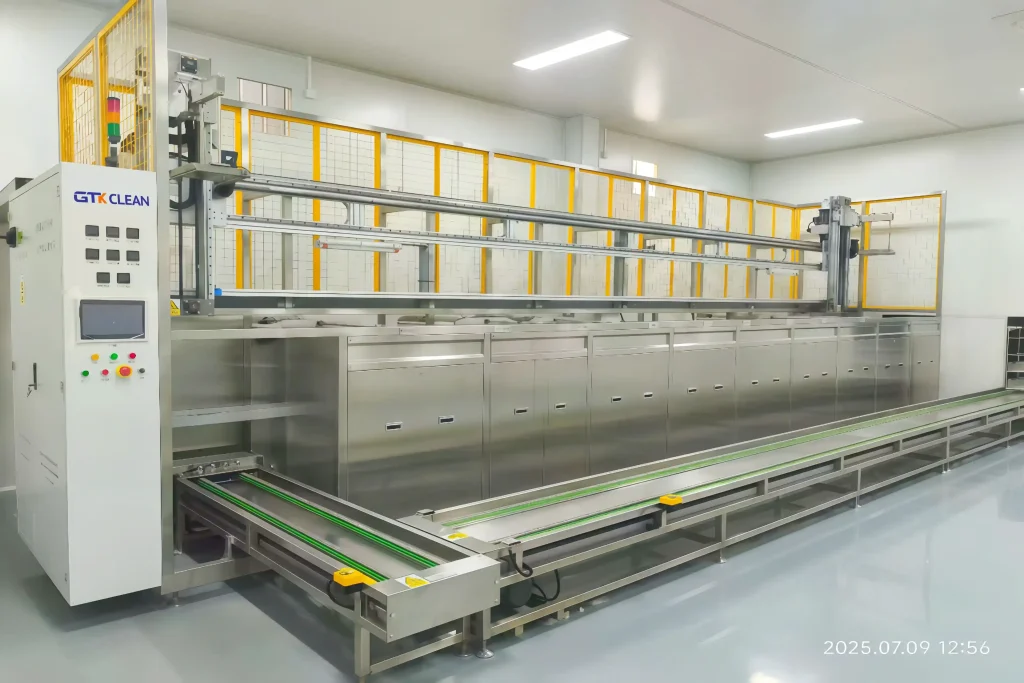
Industrial cleaning is a mainstream practical industrial technology designed to remove dirt and contaminants from industrial facilities and mechanical components. It is categorized into physical, chemical, biological and thermal cleaning techniques. Below are detailed introductions to the three most widely adopted cleaning solutions.
1. Ultrasonic Cleaning
This cleaning technology generates tiny cavitation bubbles via high-frequency sound wave vibration. With powerful cavitation effect, it penetrates deep into workpiece surfaces and narrow crevices to strip off stubborn dirt rapidly.Featuring fast cleaning speed and thorough cleaning performance, it is the ideal choice for high-precision components with strict surface finish requirements.
2. Immersion Cleaning
Workpieces are fully submerged inside formulated chemical cleaning solutions. Contaminants get softened and dissolved through sustained chemical reactions to achieve thorough cleaning results.Compared with mechanical cleaning methods, it requires no sophisticated supporting devices, boasts simple operation and achieves reliable dirt removal efficiency.
3. Spray Cleaning
It removes surface contaminants by combining high-pressure water impact with the wetting, dissolving and emulsifying properties of professional cleaning agents.This method enables precise control over water flow and cleaning agent dosage. It features eco-friendly operation, low chemical consumption and low overall operating costs, perfectly matching large-scale batch cleaning demands.
Enterprises shall formulate targeted cleaning procedures and select matched cleaning agents based on workpiece material properties and actual dirt types.For workpieces with strict requirements on anti-corrosion and rust prevention performance, cleaning agents blended with corrosion inhibitors and rust preventatives are highly recommended. For projects prioritizing environmental friendliness and operational safety, water-based cleaning solutions serve as the optimal option.
 English
  German
  Spanish
  French
  Russian
  Portuguese