

How to Use Ultrasonic Cleaners for SCR Catalyst Regeneration
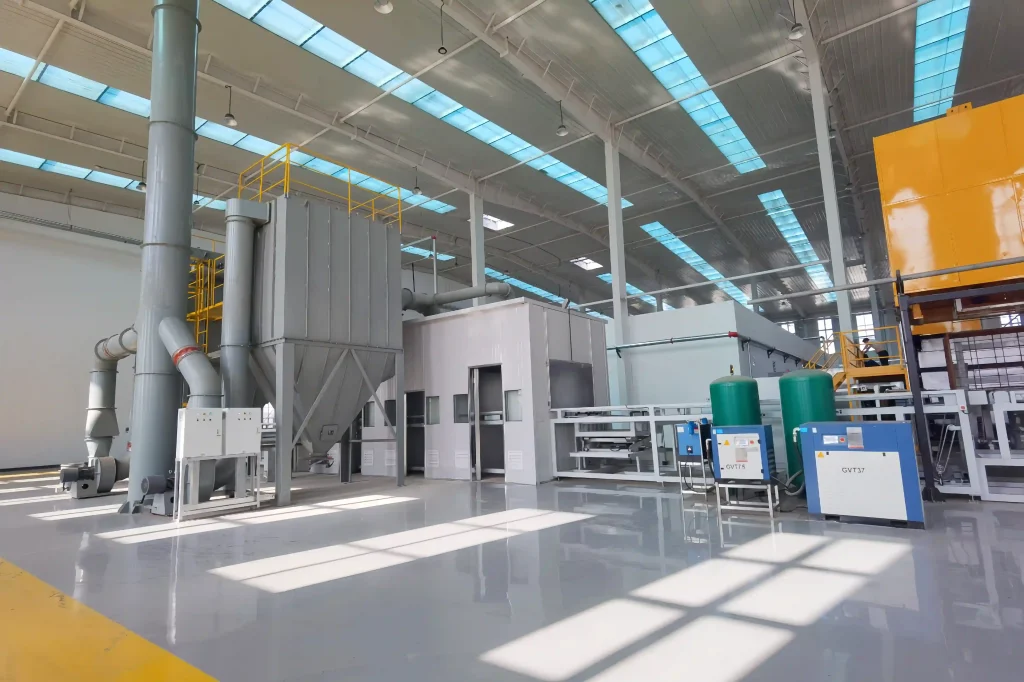
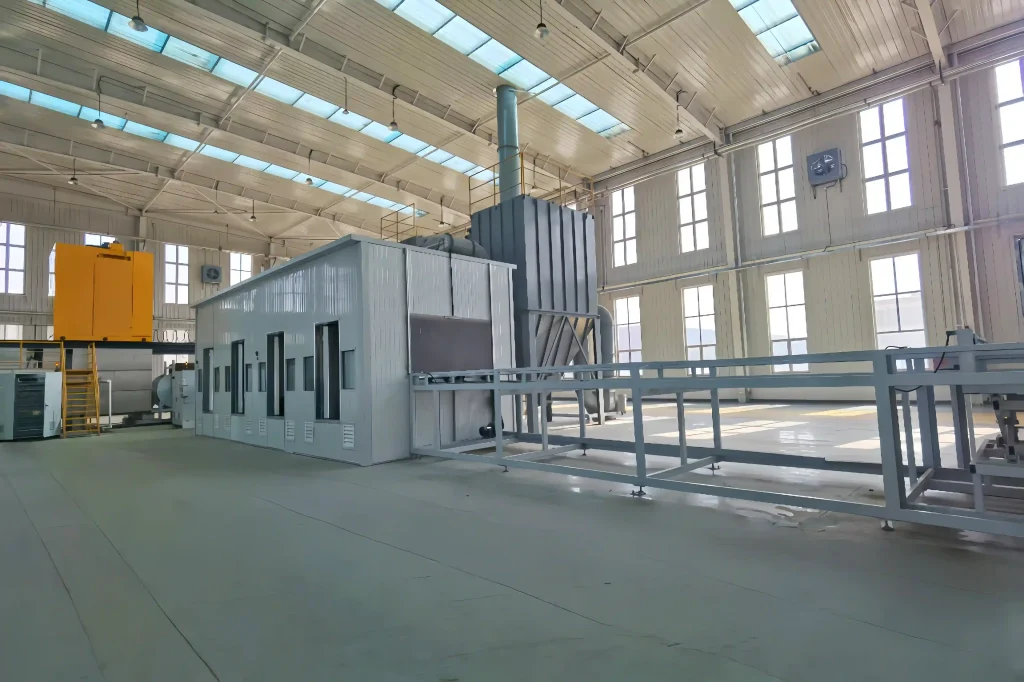
Ultrasonic cleaning systems used for SCR catalyst regeneration consist of several key components: an air compressor with high-pressure nozzles, a cleaning tank, ultrasonic transducers, heaters, a hot-air dryer, drain lines with control valves, and a removable, sealing tank lid.The ultrasonic transducers are mounted at the bottom of the cleaning tank. Heaters are installed in the base of the tank to heat the cleaning solution. The hot-air dryer is connected to the tank interior via ducts. A full set of SCR denitrification catalyst regeneration processes is also integrated.
With this system, the air compressor first blows off surface dust and loose deposits from deactivated catalysts. The cleaning tank then carries out water washing, chemical treatment, and activation. Heaters regulate solution temperatures during chemical processing to accelerate reaction efficiency. Finally, the hot-air dryer thoroughly dries the catalysts, enabling efficient on-site regeneration and significantly improving overall processing productivity.
SCR Denitrification Catalyst Regeneration Process
Over time, catalyst activity declines due to poisoning, loss of active sites, micropore clogging, or internal channel blockage.
Catalyst Poisoning
- Poisoning occurs when harmful compounds in flue gas react with active components. Arsenic and alkali metals (primarily potassium and sodium) are the main causes.
- Arsenic poisoning is triggered by gaseous As₂O₅ in high-temperature flue gas, which diffuses into catalyst pores, adsorbs onto both active and inactive sites, and blocks catalytic reactions.
- Potassium and sodium ions mainly come from biomass combustion. These alkalis directly deactivate active sites. In aqueous form, they are highly mobile, penetrate deep into the catalyst structure, and cause long-term degradation.
Micropore Blockage
Fine particles of ammonium salts and fly ash deposit inside catalyst micropores, preventing NOₓ, NH₃, and O₂ from reaching active surfaces, resulting in catalyst deactivation.
Thermal Sintering
Prolonged exposure to temperatures above 450°C causes sintering of active surface sites. This increases catalyst particle size, reduces specific surface area, and causes volatilization of active components, lowering overall activity.
Common Regeneration Technologies
Typical methods include water washing regeneration, thermal regeneration, thermal-reduction regeneration, acid treatment, and SO₂ acidification thermal regeneration.
Technical Requirements for Regenerated SCR Catalysts
- Activity restored to over 95% of fresh catalyst
- SO₂/SO₃ conversion rate controlled below 0.75%
- Ammonia slip limited to less than 3 ppm
- Mechanical strength fully preserved
- Deactivation rate under operating conditions matches that of the original catalyst
- No damage to microstructure and no loss of active components during regeneration
How Ultrasonic Cleaning Works
An ultrasonic generator produces high-frequency electrical signals, which are converted into high-frequency mechanical vibrations by transducers and transmitted into the cleaning solution.Ultrasonic waves radiate through the liquid in alternating compression and rarefaction cycles, creating countless micro-bubbles, known as cavitation nuclei. These bubbles expand rapidly under sufficient acoustic pressure then collapse violently.The collapse generates powerful shockwaves of thousands of atmospheres, breaking insoluble contaminants and dispersing them into the solution. Oily coatings are emulsified, and bonded particles are detached, thoroughly cleaning the catalyst surface.
Advantages of Ultrasonic Cleaning
Compared with conventional methods, ultrasonic cleaning offers major advantages, especially in industrial and large-scale operations. It has largely replaced immersion, manual scrubbing, pressure washing, vibration cleaning, and steam cleaning.
Its high efficiency and superior cleanliness come from the deep penetration and powerful cavitation effect of ultrasonic waves. It easily cleans complex shapes, internal cavities, and fine holes.Common processes such as degreasing, derusting, and phosphating can be finished in just 2–3 minutes — several times, even dozens of times faster than traditional methods, while achieving much higher cleanliness standards.This makes ultrasonic cleaning irreplaceable in applications demanding high surface quality and productivity.
 English
  German
  Spanish
  French
  Russian
  Portuguese