
Manufacturing operations generate significant solvent waste that cuts directly into profit margins while creating disposal headaches. Solvent recovery systems address both problems simultaneously, turning what was once an expense into a recoverable resource. The economics work out favorably for most facilities, though the specific return depends heavily on solvent volumes and local disposal costs.
Financial and Environmental Returns from Solvent Recovery
The case for solvent recovery systems rests on straightforward math. Virgin solvent purchases represent a recurring expense that recovery systems can reduce by 70-90% depending on the application and contamination levels. Hazardous waste disposal fees add another layer of cost that shrinks proportionally with reduced waste volumes.
VOC emission reduction follows naturally from closed-loop operation. Solvents that would otherwise evaporate during processing or storage remain captured within the system. This matters for regulatory compliance, but it also reflects genuine resource conservation rather than simply meeting minimum requirements.
GTKCLEAN has spent over 20 years developing industrial cleaning systems that integrate recovery capabilities into the cleaning process itself. The approach treats solvent management as inseparable from cleaning performance rather than an afterthought.
Recovery Technologies and Their Practical Applications
Distillation remains the workhorse technology for solvent recovery. Heat separates solvents from contaminants based on boiling point differences, producing recovered solvent that often matches virgin purity specifications. The process works well for single-solvent systems and some mixed-solvent applications where boiling points differ sufficiently.
Filtration handles solid contaminant removal, often serving as a pre-treatment step before distillation. Adsorption technologies capture solvent vapors from exhaust streams, preventing atmospheric losses that would otherwise represent both waste and emissions.
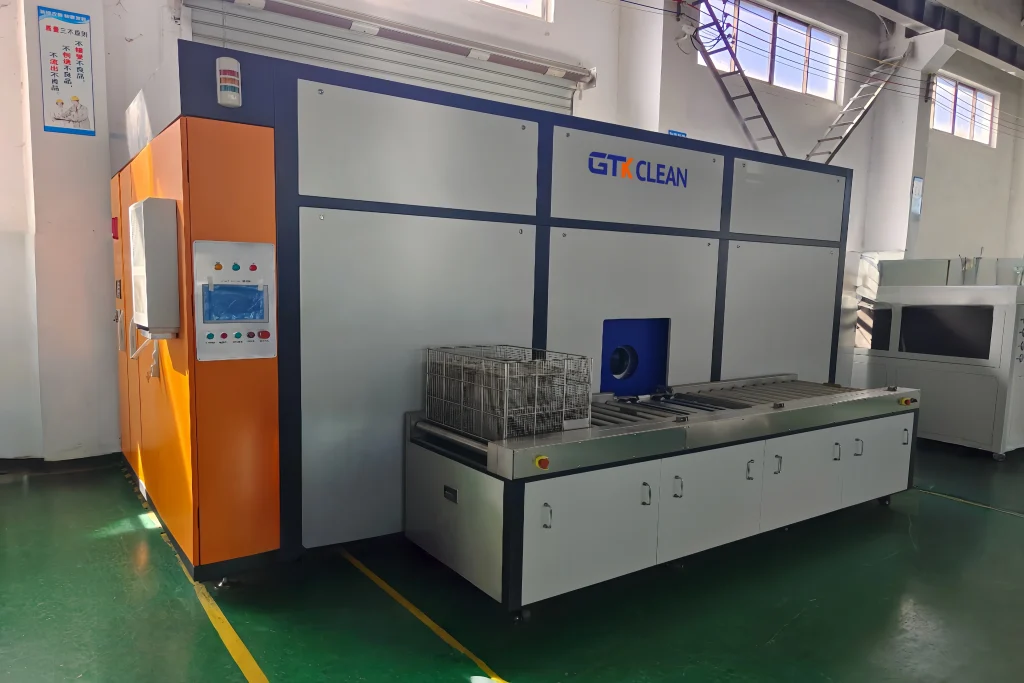
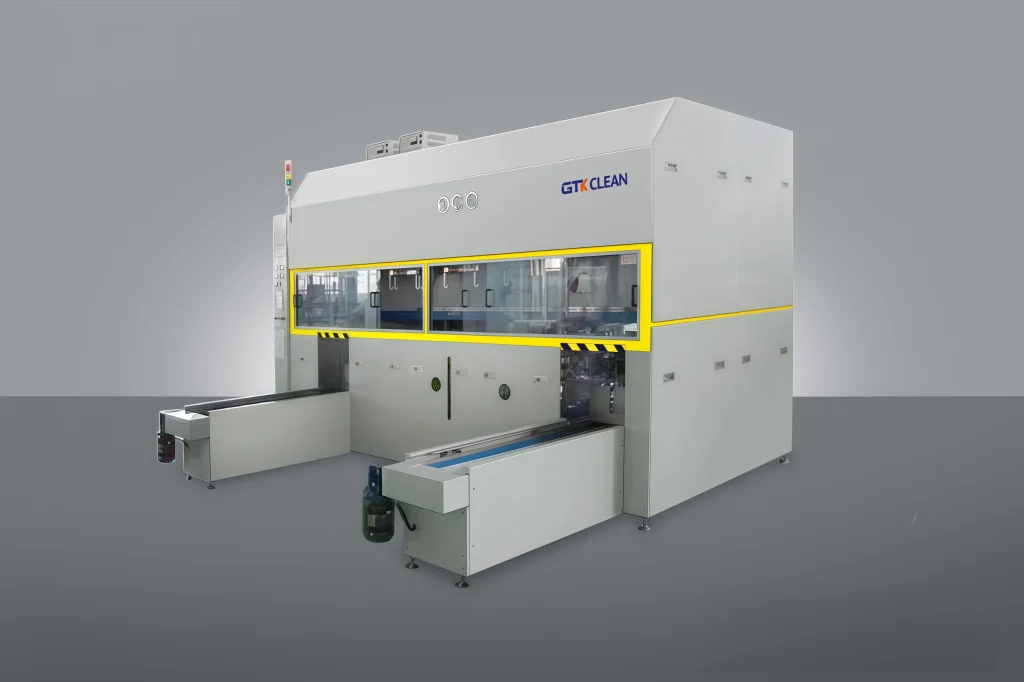
Closed-loop solvent systems combine these technologies to create continuous recycling during operation. GTKCLEAN's Hydrocarbon Solvent Ultrasonic Cleaning Systems incorporate vapor condensation and vacuum distillation within the cleaning equipment itself. This integration eliminates the need for separate recovery infrastructure while maintaining high solvent purity throughout the cleaning cycle.
Planning an Implementation That Actually Works
Successful solvent recovery system implementation starts with understanding what you're actually dealing with. A thorough solvent audit identifies all solvent types in use, their volumes, contamination sources, and current disposal pathways. This baseline data drives every subsequent decision.
System selection criteria should reflect your specific situation rather than generic specifications. Required solvent purity varies by application. Some processes tolerate minor contamination while others demand near-virgin quality. Processing capacity must match peak demand with some margin for growth. Physical footprint constraints may eliminate otherwise attractive options.
Safety considerations deserve serious attention during planning. Solvent handling creates fire, explosion, and health hazards that require appropriate engineering controls and operational procedures. Factory safety protocols should address normal operation, maintenance activities, and emergency scenarios before the system arrives.
Matching System Capabilities to Factory Requirements
The right solvent recovery system depends on several interconnected factors. Solvent chemistry determines which recovery technologies will work effectively. Hydrocarbon solvents behave differently than chlorinated solvents or water-miscible options.
Volume processing requirements set minimum capacity thresholds. Undersized systems create bottlenecks while oversized equipment wastes capital and floor space. Energy consumption varies significantly between technologies and affects operating costs throughout the system's life.
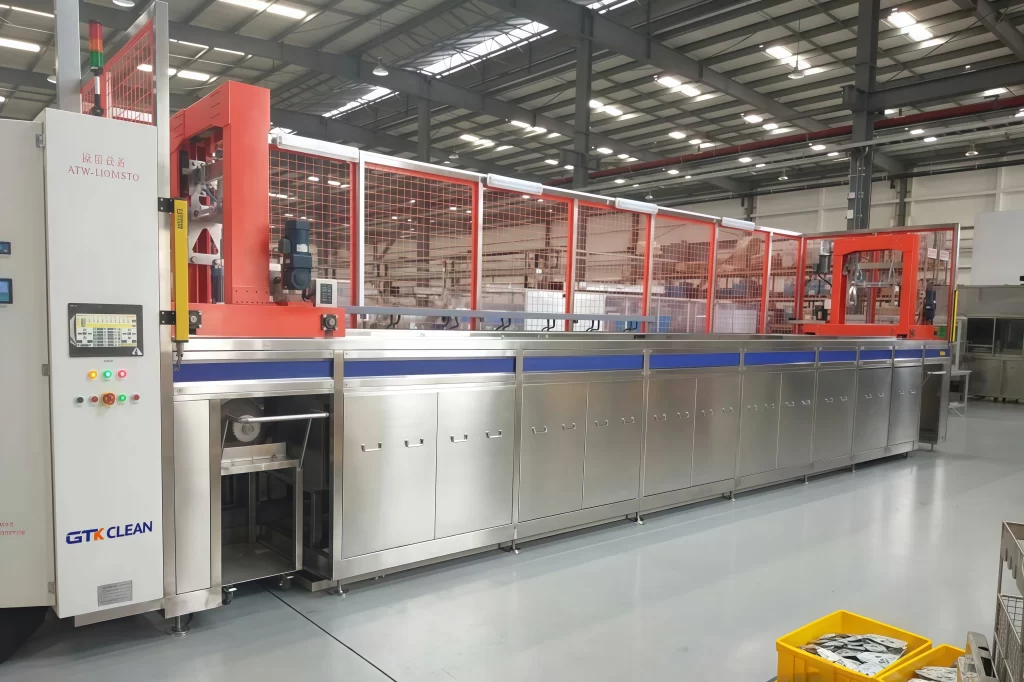
Integration with existing equipment matters more than specifications might suggest. GTKCLEAN's Automated Ultrasonic Cleaners and Hydrocarbon Ultrasonic Cleaning machine designs account for recovery system integration from the outset. Retrofit installations into existing equipment often prove more challenging than new installations designed with recovery in mind.
Regulatory Compliance and Operational Safety
Environmental regulations governing solvent use and emissions continue tightening across most jurisdictions. VOC emission limits affect permit requirements and may trigger additional monitoring obligations. Hazardous waste regulations govern both the disposal of unrecoverable residues and the handling of recovered solvents that don't meet reuse specifications.
GTKCLEAN designs systems with compliance requirements built into the operating parameters. Gas monitoring detects leaks before they become emission events. Exhaust systems capture and treat any vapors that escape primary containment. These features support compliance without requiring constant operator attention.
Regular environmental compliance audits verify that actual operations match permitted activities. Documentation requirements vary by jurisdiction but generally include records of solvent purchases, recovery volumes, waste disposal, and emission monitoring results.
Economic Performance Over the System Lifetime
Return on investment calculations for solvent recovery systems require honest accounting of both costs and benefits. Capital costs include equipment, installation, and any facility modifications needed to accommodate the system. Operating costs cover energy, maintenance, consumables, and labor.
Benefits accumulate from reduced solvent purchases, lower disposal costs, and avoided compliance penalties. Some facilities also realize productivity gains from improved solvent quality consistency. The payback period typically falls between two and five years for well-matched installations, though specific results vary with solvent prices and disposal costs.
Carbon footprint reduction accompanies the economic benefits. Manufacturing new solvents consumes energy and generates emissions. Recovering and reusing existing solvents avoids that upstream impact. For companies tracking sustainability metrics, these avoided emissions contribute to corporate environmental goals.
Keeping Systems Running at Peak Performance
Maintenance requirements for solvent recovery systems follow predictable patterns. Distillation units need periodic cleaning to remove accumulated residues. Filters require replacement on schedules determined by contamination loading. Seals and gaskets wear over time and should be replaced before they fail.
Troubleshooting common issues usually starts with recovery rate or purity measurements. Declining recovery rates often indicate fouled heat transfer surfaces or worn seals allowing vapor losses. Purity problems may reflect inadequate separation, contaminated feed stock, or equipment issues affecting the distillation process.
Optimizing system settings can improve performance beyond initial commissioning levels. Temperature and pressure adjustments, feed rate modifications, and timing changes all offer opportunities for improvement. GTKCLEAN's equipment designs incorporate adjustment capabilities that allow operators to fine-tune performance for their specific conditions.
Working with GTKCLEAN on Solvent Recovery Solutions
Suzhou Grintek Environmental Technology Co.,Ltd. brings 20 years of R&D experience and 28 technical patents to solvent recovery applications. Our independently designed systems address the specific requirements of industrial cleaning operations where solvent quality directly affects cleaning results.
Contact us at +86 17768507147 or [email protected] to discuss your facility's solvent recovery needs. We can help evaluate your current situation and identify the approach most likely to deliver meaningful results for your operation.
What makes solvent recovery systems worthwhile for manufacturing operations?
Solvent recovery systems reduce costs on two fronts simultaneously. Virgin solvent purchases drop substantially when recovered solvent meets reuse specifications. Hazardous waste disposal volumes and associated fees decline proportionally. The environmental benefits follow from the same mechanisms, with lower VOC emissions and reduced waste generation supporting compliance requirements and sustainability objectives.
How do these systems support environmental compliance?
Solvent recovery systems capture solvents that would otherwise become waste or emissions. VOC releases drop because solvents remain contained within the recovery loop rather than evaporating during use or storage. Hazardous waste volumes decrease because recovered solvent returns to productive use. These reductions help facilities meet permit limits and demonstrate environmental responsibility beyond minimum compliance.
What determines the right system choice for a particular facility?
Solvent type and chemistry establish which recovery technologies will work effectively. Volume requirements set capacity thresholds. Purity specifications determine whether simple filtration suffices or distillation becomes necessary. Energy costs, available floor space, and integration with existing equipment all influence the final selection. GTKCLEAN's experience across diverse applications helps identify the approach most likely to succeed in specific situations.
 English
  German
  Spanish
  French
  Russian
  Portuguese