

Industrial cleaning demands precision and efficiency. Selecting the right cleaning system means understanding the technologies behind it and how they apply to real-world production environments. Effective cleaning directly shapes product quality, operational costs, and environmental compliance. What follows covers the fundamentals of industrial ultrasonic cleaning and its practical applications across multiple sectors.
Fundamentals of Ultrasonic Cleaning for Industry
Ultrasonic cleaning uses high-frequency sound waves to generate microscopic bubbles within a liquid, a phenomenon known as ultrasonic cavitation. These bubbles form and collapse rapidly, creating powerful implosions that dislodge contaminants from component surfaces. The process works exceptionally well for intricate parts and complex geometries where traditional cleaning methods fall short. Transducer technology sits at the core, converting electrical energy into high-frequency sound waves. Cleaning frequency typically ranges from 20 kHz to 80 kHz, selected based on contamination type and part sensitivity. Lower frequencies produce larger, more aggressive cavitation bubbles suited for robust parts and stubborn contaminants. Higher frequencies generate smaller, gentler bubbles better matched to delicate items and precision cleaning.
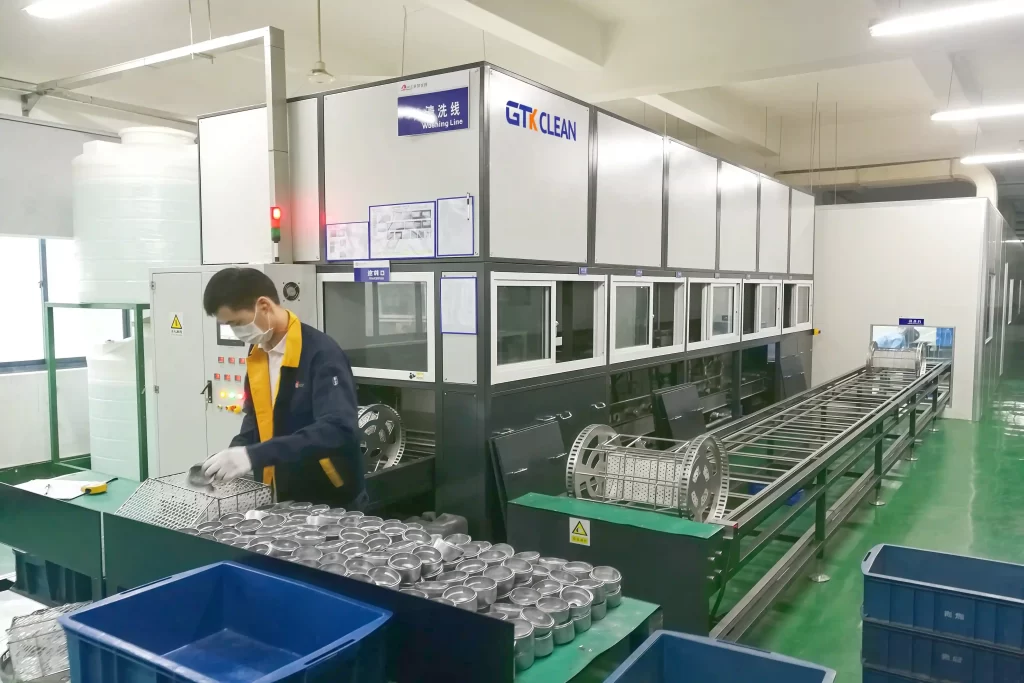
Aqueous cleaning solutions are the standard, often enhanced with detergents or specialized chemicals to optimize contaminant removal. Solution choice depends on the material being cleaned and the nature of the soil. Proper temperature control also plays a significant role in maximizing cleaning efficiency. Systems incorporating advanced transducer technology ensure uniform cavitation distribution throughout the cleaning tank, guaranteeing consistent and thorough cleaning for every component. Multi-stage cleaning processes, such as those for Pre PVD (Coating) Parts Ultrasonic Cleaners, integrate hydrojet spray, ultrasonic cleaning, multi-stage ultrapure water rinsing, and various drying methods. This comprehensive approach achieves exceptional cleanliness and prevents secondary contamination.
Precision Cleaning in Aerospace and Automotive Sectors
In aerospace and automotive industries, component cleanliness is non-negotiable. Even microscopic particles can compromise performance and safety. Ultrasonic cleaning systems provide the precision required for aerospace component cleaning, removing residues from turbine blades, hydraulic components, and structural parts. Automotive parts degreasing benefits significantly from this technology, effectively eliminating oils, greases, and machining fluids from engine components, transmission parts, and brake systems. Rotary Basket Ultrasonic Cleaning Systems prove particularly effective here, offering 360° cleaning for complex parts like engine blocks and gearboxes. These systems ensure thorough contaminant removal from blind holes and intricate internal passages, which matters greatly for precision manufacturing cleaning.
Medical Device and Pharmaceutical Production Cleaning
Medical device and pharmaceutical sectors demand the highest cleanliness standards. Ultrasonic cleaning is indispensable for medical instrument cleaning and pharmaceutical equipment sanitation, achieving the ultra-clean surfaces required for biocompatibility and regulatory compliance. Systems designed for cleanroom cleaning processes remove residues, biological contaminants, and particulate matter from surgical tools, implants, and pharmaceutical production equipment. The precise and gentle action of ultrasonic cavitation ensures thorough cleaning without damaging sensitive materials. This technology proves vital for achieving the sterile conditions necessary for patient safety and product integrity.
Electronics and Optics Component Cleaning
Cleaning sensitive electronics and optical components requires extreme care and precision. Ultrasonic cleaning excels here by removing microscopic contaminants without causing damage. For printed circuit board cleaning, it effectively removes flux residues and solder paste. In semiconductor manufacturing, it cleans delicate wafers, eliminating particles that could lead to defects. Optical lens cleaning benefits from the gentle yet powerful cavitation, ensuring streak-free surfaces that performance depends on. Systems engineered to prevent damage to sensitive components while removing microscopic contaminants prove vital for product reliability. Specialized solutions for microelectronics cleaning and flux removal systems ensure optimal performance for these applications.
How do ultrasonic cleaning systems improve manufacturing efficiency?
Ultrasonic cleaning systems enhance manufacturing efficiency through several mechanisms. They drastically reduce cleaning cycle times compared to manual methods, accelerating throughput. The automated nature minimizes labor costs and human error, ensuring consistent cleaning quality. Their ability to thoroughly clean complex parts reduces rework and improves overall product quality, leading to fewer rejections. This manufacturing process optimization contributes to substantial cost savings and increased production throughput. Automated Ultrasonic Cleaners designed for seamless integration into production lines further boost operational efficiency.
Heavy Industry and Maintenance Applications
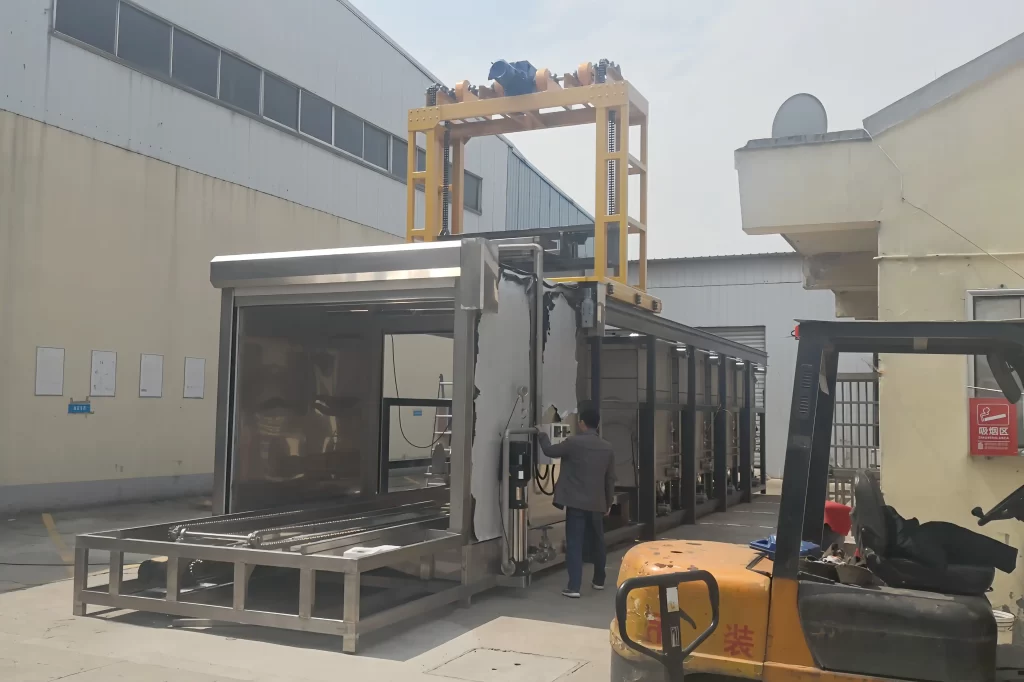
Ultrasonic cleaning extends its utility to heavy industry and maintenance, addressing robust and large-scale cleaning requirements. It proves highly effective for heavy machinery cleaning, removing stubborn grease, oil, and carbon deposits from engine components, gearboxes, and industrial tools. For mold cleaning systems, it efficiently strips away residues without abrasive methods that could damage critical surfaces. Tool and die cleaning benefits from thorough removal of lubricants, coolants, and metal fines, extending tool life and maintaining precision. Heavy-Duty Automated Ultrasonic Cleaning Systems are specifically designed for components weighing up to 2000 kg, offering robust solutions for industrial degreasing applications and maintenance cleaning. These systems handle the most challenging industrial environments, ensuring operational integrity and extending equipment lifespan.
What industries benefit most from ultrasonic cleaning technology?
Numerous industries gain significant advantages from ultrasonic cleaning technology. High-precision sectors like aerospace, automotive, and medical device manufacturing benefit from its ability to achieve stringent cleanliness levels for critical components. Electronics and optics industries rely on it for delicate part cleaning, preventing damage while removing microscopic contaminants. Heavy industries and general manufacturing utilize it for efficient degreasing, rust removal, and maintenance cleaning. This broad applicability highlights the technology's versatility and cost effective cleaning capabilities across diverse industrial applications.
Environmental and Operational Advantages
Modern ultrasonic cleaning systems offer substantial environmental and operational advantages. They are inherently eco friendly cleaning solutions, often reducing the need for harsh chemicals and minimizing hazardous waste generation. By utilizing aqueous cleaning solutions, they promote reduced chemical usage and easier waste water treatment. This contributes to improved worker safety by reducing exposure to dangerous substances. Many systems incorporate circulation filtration and solvent recycling systems, extending cleaning fluid life and further reducing environmental impact. Energy efficient cleaning designs in current systems also lead to lower operational costs.
| Feature | Ultrasonic Cleaning | Traditional Cleaning (Manual/Spray) |
|---|---|---|
| Cleaning Mechanism | Cavitation bubbles reach all surfaces, including blind holes. | Limited penetration, relies on direct contact or line of sight. |
| Precision | Microscopic cleaning, removes sub-micron particles. | Less precise, may leave residues in intricate areas. |
| Chemical Usage | Often uses aqueous, biodegradable solutions; reduced chemical demand. | May require harsh solvents; higher chemical consumption. |
| Labor Cost | Automated, minimal manual intervention. | High labor intensity for complex parts. |
| Environmental Impact | Lower waste generation, easier wastewater treatment. | Higher waste volume, more complex disposal. |
| Part Damage | Non-abrasive, safe for delicate parts. | Risk of scratching or damage, especially with brushes or high-pressure spray. |
If you want to learn more about the fundamental science behind this technology, we recommend reading 《What Is Ultrasonic Cavitation Effect?》.
Raise Your Industrial Cleaning Standards with GTKCLEAN
At Suzhou Grintek Environmental Technology Co.,Ltd., we leverage 20+ years of R&D and 28 technical patents to deliver industrial cleaning performance that meets demanding specifications. From precision aerospace components to heavy machinery, our independently designed Ultrasonic Cleaning Systems ensure superior cleanliness, efficiency, and compliance. Partner with GTKCLEAN to address your operational challenges with proven solutions. Contact us today for a tailored solution at [email protected] or +86 17768507147.
Frequently Asked Questions About Industrial Ultrasonic Cleaning
Are there environmental advantages to using ultrasonic industrial cleaners?
Yes, ultrasonic industrial cleaners offer significant environmental advantages. They often reduce the need for harsh chemicals, minimizing hazardous waste generation and promoting the use of biodegradable aqueous solutions. This leads to safer working environments and easier wastewater treatment, aligning with sustainable industrial practices. GTKCLEAN's systems are designed with these environmental benefits in mind.
What types of contaminants can ultrasonic cleaning systems effectively remove?
Ultrasonic Cleaning Systems are highly effective at removing a wide range of contaminants, including oils, grease, chips, carbon deposits, flux residues, polishing compounds, and even microscopic particles. The cavitation process reaches into intricate geometries and blind holes that traditional cleaning methods cannot, ensuring thorough surface preparation for various industrial parts cleaning applications.
How does GTKCLEAN ensure superior cleaning performance in its ultrasonic systems?
GTKCLEAN ensures superior cleaning performance through over two decades of R&D experience and 28 technical patents. Our expertise in transducer design, frequency modulation, and automated cleaning systems allows us to precisely control the cavitation process. This enables us to develop customized solutions for diverse industrial applications, delivering consistent, high-quality results for our clients globally.
 English
  German
  Spanish
  French
  Russian
  Portuguese