
Industrial cleaning eats into manufacturing budgets faster than most operations managers want to admit. The chemical solutions alone can represent a surprisingly large line item, and that's before you factor in water, disposal, and the labor hours spent managing it all. After twenty years working with advanced cleaning technologies, I've watched facilities slash their solution expenses by rethinking how they approach the entire process. The methods that actually work span chemical management, equipment upgrades, and maintenance practices that most plants overlook.
Strategic Chemical Management for Cost Efficiency
Getting chemical management right determines whether you're burning money or running a tight operation. This means taking a hard look at how you select, use, and track your cleaning agents. Dilution control systems pay for themselves quickly by eliminating the guesswork that leads to overuse. I've seen operators pour chemicals by feel for years, never realizing they were using twice what the job required.
Sustainable cleaning agents deserve more attention than they typically get. Yes, the upfront cost can be higher, but the math changes when you factor in disposal fees and worker safety improvements. Tracking your chemical inventory with actual data rather than gut instinct prevents the twin problems of running short and watching product expire on the shelf.
What are the most effective methods for reducing chemical waste in industrial cleaning?
Cutting chemical waste requires attacking the problem from multiple angles. Solvent recycling systems, like those built into Multi-Tank Hydrocarbon Ultrasonic Cleaners, stretch the useful life of cleaning fluids far beyond what most facilities expect. Chemical reclamation through distillation or filtration lets you reuse spent solutions instead of buying fresh and paying to haul away the old stuff.
These waste minimization approaches hit both the cost and environmental targets that modern manufacturing demands. The facilities getting this right aren't just saving money. They're positioning themselves ahead of tightening regulations.
Leveraging Advanced Cleaning Technologies for Savings
The upfront investment in better cleaning equipment makes finance departments nervous, but the long-term numbers tell a different story. Ultrasonic cleaning uses high-frequency sound waves to create cavitation bubbles that do the heavy lifting, which means you can dial back chemical concentrations significantly.
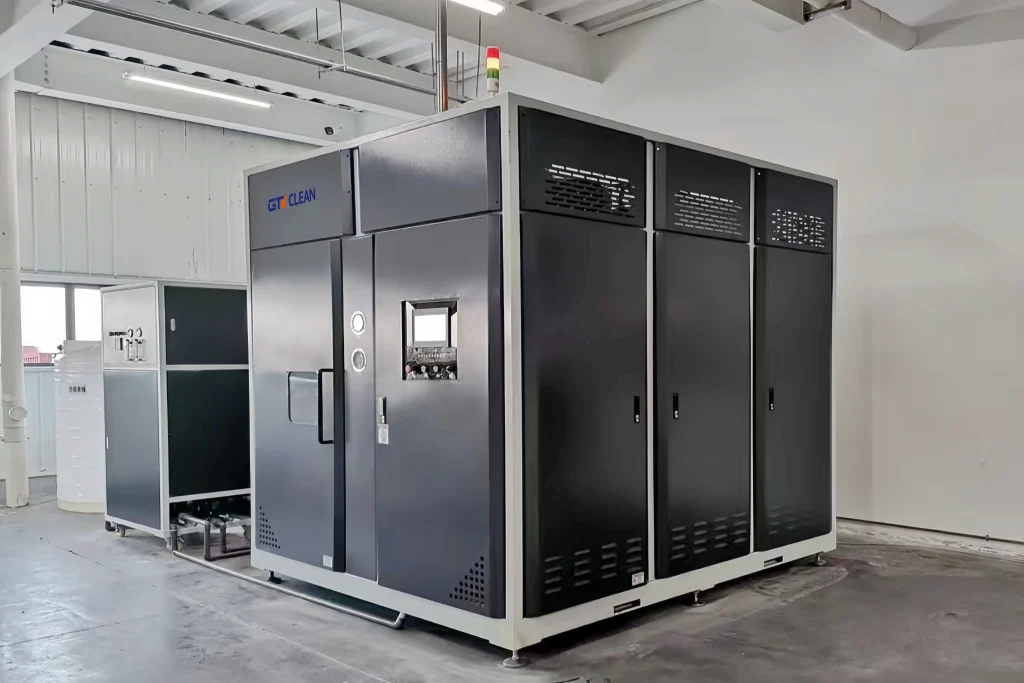
Ultrasonic Cleaners for CNC Machined Parts run automated multi-stage processes with ultrasonic degreasing and RO/DI water rinses. They pull contaminants off parts while using less chemistry than manual methods. Hydrocarbon Solvent Ultrasonic Vacuum Cleaners take this further with built-in solvent recovery and recycling that dramatically cuts fluid consumption.
Conveyor belt systems like the CNC Aluminum Shell Inline Cleaners use multi-directional spray nozzles and DI water rinsing to clean thoroughly without wasting solution. The automation removes the human variability that drives up costs in manual operations.
How can advanced cleaning technologies contribute to long term cost savings?
Better technology saves money through several mechanisms that compound over time. Precise chemical dosing eliminates the waste that comes from manual measurement. Faster cycles and automated processes cut labor costs while pushing more parts through the line.
Energy efficient features matter more than they used to. The integrated heat recovery systems in CNC Aluminum Shell Inline Cleaners reduce utility bills month after month. Superior cleaning quality also means fewer rejects and less rework, which improves your return on the cleaning investment. Rotary Basket Ultrasonic Cleaners deliver the consistency that precision-machined components require.
| Technology Type | Key Advantage for Cost Savings | Typical Solution Reduction | Applicable GTKCLEAN Product |
|---|---|---|---|
| Ultrasonic Cleaning | Reduced chemical concentration, superior cleaning | 30-50% | Pre PVD (Coating) Parts Ultrasonic Cleaners |
| Solvent Cleaning | Solvent recycling, extended fluid life | 60-80% | Multi-Tank Hydrocarbon Ultrasonic Cleaners |
| Conveyor Belt Systems | Continuous operation, precise application | 20-40% | Fastener Tunnel Cleaners |
| Rotary Basket Systems | 360° cleaning, reduced manual labor | 25-45% | Rotary Basket Ultrasonic Cleaners |
Water Treatment and Effluent Management Strategies
Water costs and disposal fees add up faster than most facilities track. Industrial wastewater recycling systems let you reuse rinse water instead of constantly drawing fresh supply. Advanced waste treatment systems filter and purify used cleaning solutions, extending their useful life and shrinking the volume you need to send out for disposal.
Solid effluent management keeps you out of trouble with regulators while reducing your environmental footprint. The penalties for improper discharge can be severe, and they're getting worse. Water conservation practices aren't just good citizenship anymore. They're becoming a competitive requirement.
What regulatory compliance issues are relevant to industrial cleaning solution disposal?
Environmental regulations around cleaning solution disposal have teeth. The rules govern how you handle, treat, and discharge hazardous waste to prevent contamination. Manufacturers face specific requirements for chemical composition, pH levels, and heavy metal content in wastewater.
Getting this wrong brings fines, legal exposure, and reputation damage that can take years to repair. Proper effluent management with pre-treatment and documentation isn't optional. It's the cost of doing business in modern manufacturing.
Preventative Maintenance and Process Optimization
The facilities that spend the least on cleaning solutions are usually the ones that invest the most in preventing problems before they start. Regular inspection and upkeep of cleaning equipment, including Automated Ultrasonic Cleaners, prevents the breakdowns that force expensive emergency cleaning runs.
Contamination control at the source reduces what ends up in your cleaning process. Less dirt coming in means less aggressive cleaning required, which translates directly to lower chemical and water consumption. Adjusting cleaning cycles and temperatures based on actual conditions rather than worst-case assumptions extends equipment life and cuts operating costs.
Supplier Partnerships and Bulk Procurement Advantages
Your relationship with chemical suppliers affects your bottom line more than most purchasing decisions. Long-term partnerships with reliable suppliers open the door to volume discounts and stable pricing that spot-buying can never match. Bulk chemical purchasing reduces per-unit costs in ways that add up across a year of operations.
Good supplier relationships also bring benefits beyond price. Customized formulations, better delivery schedules, and early access to more efficient cleaning chemistries all flow from partnerships built on mutual benefit. This approach secures your supply chain while maximizing the economic advantages available to committed customers.
Elevate Your Manufacturing Efficiency with GTKCLEAN
Suzhou Grintek Environmental Technology Co.,Ltd. has spent over two decades developing industrial cleaning solutions that actually work, backing that experience with 28 technical patents and relationships with global manufacturing leaders. Our ultrasonic, solvent, and water treatment systems address both cleanliness requirements and operational cost reduction.
GTKCLEAN can help you turn cleaning processes from a cost center into a competitive advantage. Reach out for a consultation built around your facility's specific challenges. +86 17768507147 | [email protected]
FAQ
What are common pitfalls when trying to reduce cleaning solution expenses in manufacturing?
The mistakes I see most often include sacrificing cleaning quality for short-term savings, mixing incompatible chemicals, letting equipment maintenance slide, and refusing to invest in modern cleaning technology. A complete approach that addresses both chemical management and equipment upgrades avoids these traps. Integrated solutions deliver consistent performance without the hidden costs that come from cutting corners.
How does GTKCLEAN's automated cleaning equipment contribute to long term cost reduction?
GTKCLEAN's automated systems, including ultrasonic and solvent cleaning equipment, deliver precise chemical dosing, lower water consumption, and faster cleaning cycles. These improvements reduce solution expenses, labor costs, and energy usage over the life of the equipment. The systems are built for durability with minimal maintenance requirements, extending their cost-effectiveness well beyond the initial purchase.
Can optimizing industrial cleaning processes improve environmental compliance?
Without question. Solvent recycling, efficient water treatment, and reduced chemical consumption all contribute directly to better environmental compliance. GTKCLEAN's solutions help manufacturers meet strict regulations while minimizing their ecological impact and avoiding the penalties that come with violations. Many of our systems use closed-loop designs specifically to reduce waste discharge.
What role does preventative maintenance play in reducing cleaning solution expenses?
Preventative maintenance is one of the most overlooked cost reduction strategies in industrial cleaning. Keeping equipment and processes in good condition reduces how often you need to clean and how aggressively you need to clean. Regular upkeep prevents the excessive buildup and contamination that drive up chemical consumption. This proactive approach extends equipment lifespan and maintains consistent cleaning results.
 English
  German
  Spanish
  French
  Russian
  Portuguese