
Industrial cleaning runs on solvents, and that dependency comes with real costs. Procurement budgets climb year over year. Disposal fees eat into margins. Regulators tighten VOC limits while environmental audits grow more frequent. The pressure to cut solvent use isn't theoretical anymore—it shows up in quarterly reports and compliance reviews. What follows covers the practical side of reducing consumption: where the waste actually happens, which recovery technologies deliver measurable returns, and how modern cleaning equipment changes the math on solvent economics.
Why Solvent Reduction Has Become a Business Priority
The financial case for solvent reduction has strengthened considerably over the past decade. Virgin solvent prices have tracked upward with petrochemical feedstock costs, while hazardous waste disposal rates have increased faster than general inflation in most industrial regions. A facility spending $80,000 annually on solvent procurement and another $25,000 on disposal faces real incentive to examine alternatives.
Environmental pressure adds another dimension. VOC emissions from industrial solvents contribute to ground-level ozone formation, and regulatory frameworks in North America, Europe, and increasingly in Asia have responded with progressively stricter limits. Companies that exceed thresholds face penalties, but the operational disruption from compliance failures often costs more than the fines themselves.
There's also a competitive angle. Manufacturers supplying automotive, aerospace, and electronics sectors increasingly face sustainability audits from their customers. Demonstrating measurable progress on solvent reduction can influence supplier selection decisions. The companies treating this as a strategic initiative rather than a compliance burden tend to capture those advantages earlier.
Practical Strategies for Optimizing Solvent Use and Recovery
Reducing solvent consumption starts with understanding where it actually goes. Most facilities find that a significant portion of their solvent loss comes from dragout—the solvent that leaves the cleaning tank on parts and fixtures. Optimizing drain times, adjusting fixture designs, and controlling part orientation during withdrawal can recover meaningful volumes without capital investment.
Solvent selection matters more than many operations recognize. Switching from a high-vapor-pressure solvent to one with lower volatility reduces evaporative losses during open-tank operations. Low-VOC formulations and modified alcohols can achieve equivalent cleaning performance for many applications while cutting emissions and consumption simultaneously.
Closed-loop systems represent the most effective approach to solvent waste minimization. These configurations capture vapors, condense them for reuse, and filter particulates from the working fluid. A well-designed closed-loop system can extend solvent life by factors of ten or more compared to open-tank operations. The initial investment recovers quickly when solvent purchase volumes drop by 70-80%.
Which Technologies Actually Work for Solvent Recovery
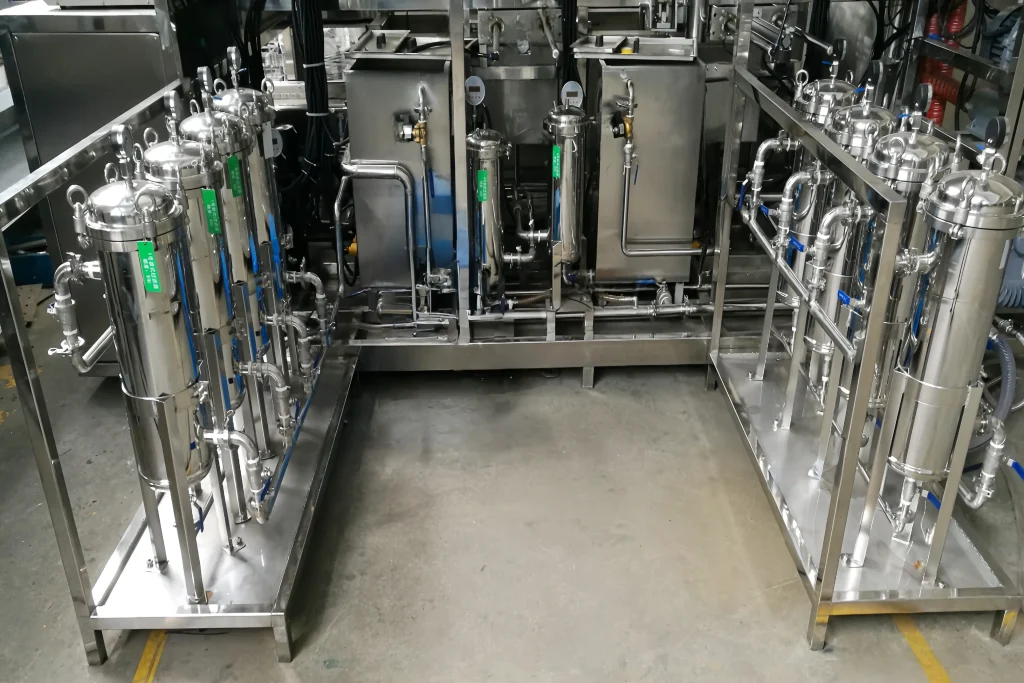
Solvent recovery technology selection depends on the contaminants involved and the purity requirements of the application. Distillation remains the workhorse technology for most industrial solvents. By heating contaminated solvent to its boiling point and condensing the vapor, distillation produces high-purity recovered solvent suitable for demanding applications. The energy cost is real, but modern vacuum distillation systems reduce operating temperatures and improve efficiency.
Filtration handles particulate contamination effectively and costs relatively little to implement. For operations where the primary contaminant is machining chips, grinding swarf, or other solids, filtration alone may extend solvent life substantially. It won't address dissolved oils or other chemical contamination, though.
Activated carbon adsorption works well for removing dissolved organic compounds, residual odors, and trace VOCs from recovered solvents. The carbon eventually saturates and requires replacement or regeneration, adding an ongoing cost, but for applications requiring high-purity solvent, it's often necessary.
Membrane separation has gained ground in recent years. These systems use selective permeation to separate solvent molecules from larger contaminant molecules. Energy consumption runs lower than distillation, and the technology operates continuously rather than in batches. Membrane fouling remains a limitation for heavily contaminated solvent streams, and not all solvent chemistries are compatible with available membrane materials.
| Technology | Principle | Advantages | Disadvantages |
|---|---|---|---|
| Distillation | Vaporization and condensation | High purity, broad applicability | Energy intensive, can degrade heat-sensitive solvents |
| Filtration | Physical separation of solids | Cost-effective for particulates, simple | Does not remove dissolved impurities |
| Activated Carbon | Adsorption of organic compounds | Effective for VOCs and odors, versatile | Requires regeneration/replacement of carbon |
| Membrane Separation | Selective permeation through a membrane | Lower energy consumption, continuous operation | Membrane fouling, limited solvent compatibility |
For a deeper understanding of how these systems work, consider reading 《What Is The Technical Principle Of Hydrocarbon(Solvent) Cleaning Machines?》 to explore the underlying science.
How Modern Cleaning Equipment Changes Solvent Economics
Equipment design has evolved substantially, and newer systems achieve cleaning results that older equipment simply couldn't match with equivalent solvent volumes. The difference comes from better process control, more efficient energy transfer to the cleaning action, and integrated recovery systems that minimize losses.
Ultrasonic cleaning illustrates this shift well. Cavitation—the formation and collapse of microscopic bubbles in the cleaning fluid—delivers mechanical cleaning action that supplements chemical dissolution. Parts clean faster and more thoroughly, which means shorter exposure times and lower solvent consumption per cleaning cycle. The technology works particularly well for complex geometries where spray or immersion cleaning struggles to reach all surfaces.
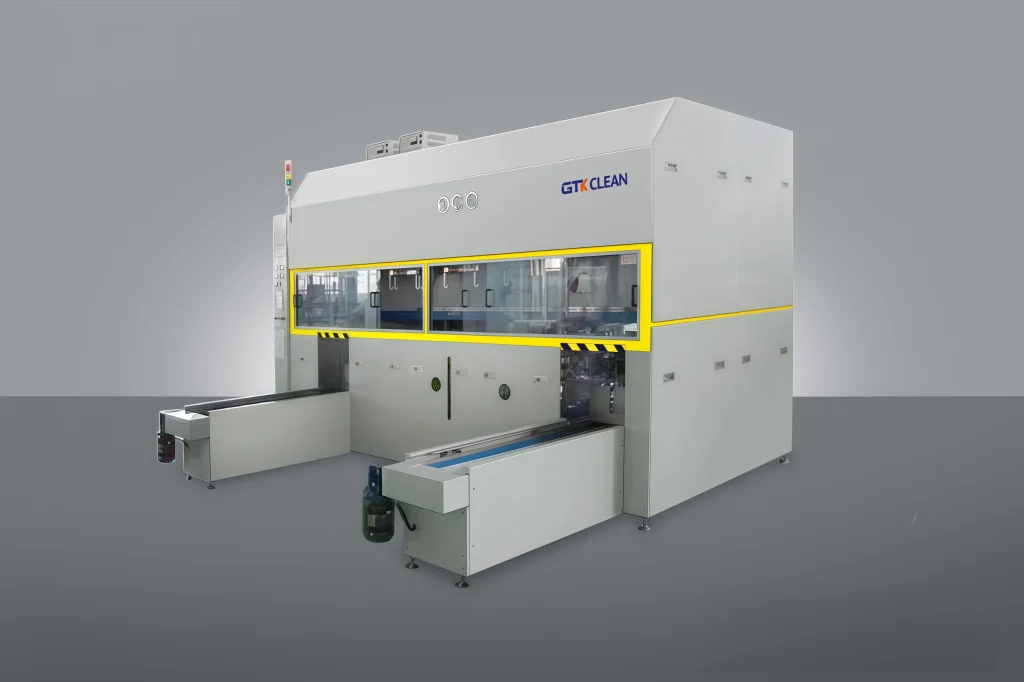
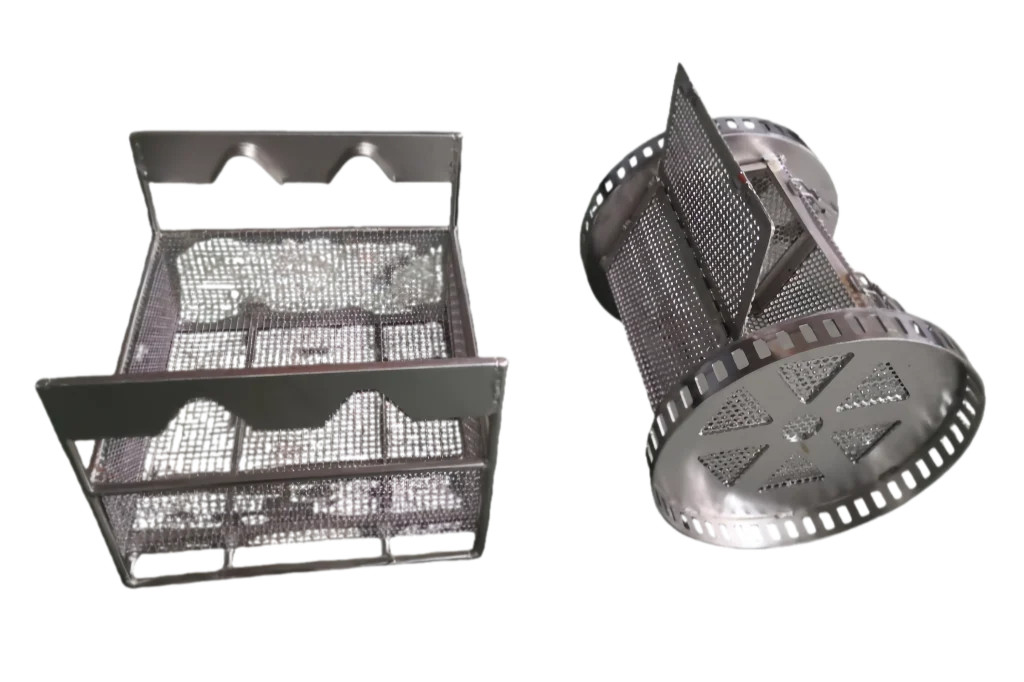
GTKCLEAN's Multi-Tank Hydrocarbon Ultrasonic Cleaners use high-purity hydrocarbon solvents in a rotary basket configuration that provides 360° exposure for complex parts. Battery housings for electric vehicles, stamped components with intricate features, and precision machined parts all benefit from this approach. Vacuum ultrasonic cleaning improves penetration into blind holes and recessed features, while vacuum hydrocarbon vapor drying removes residual solvent completely. The parts come out clean and dry, ready for the next process step.
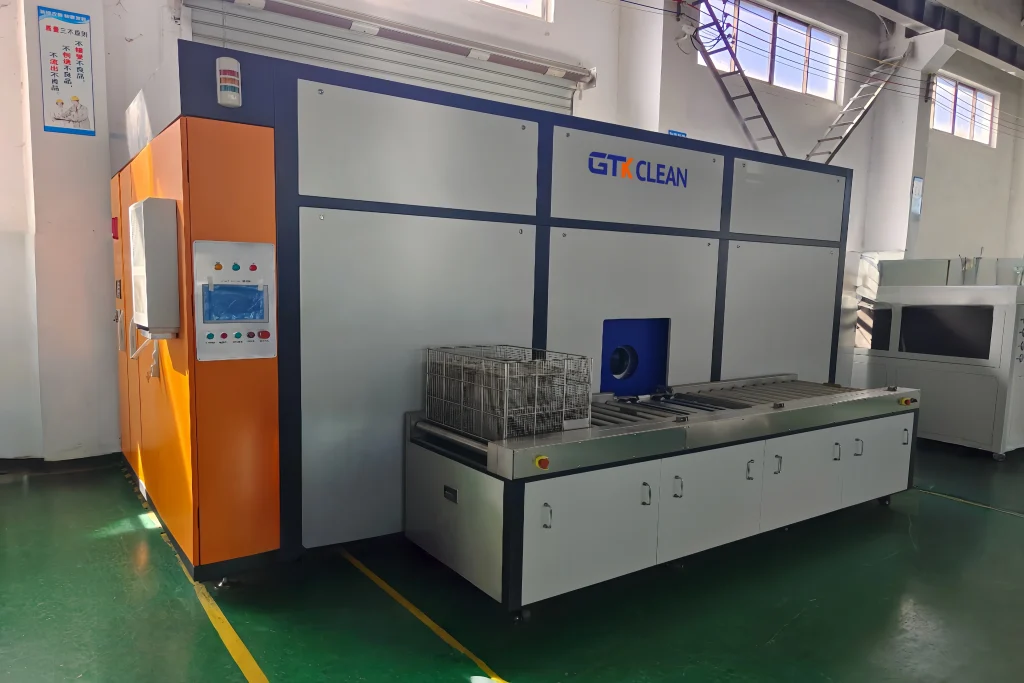
The Hydrocarbon Solvent Ultrasonic Vacuum Cleaners take integration further. These fully automatic systems combine ultrasonic cleaning, vacuum vapor cleaning, and drying in a single station. Built-in vapor condensation captures solvent that would otherwise escape to atmosphere, and vacuum distillation continuously purifies the working fluid. The closed-loop design keeps monthly solvent consumption under 200 liters for systems with initial capacities around 1800 liters. That's a consumption rate that would have seemed unrealistic a generation ago.
For applications where aqueous cleaning makes sense, the Pre PVD (Coating) Parts Ultrasonic Cleaners use multi-stage processes with ultrapure water and alkaline or neutral detergents. These systems achieve conductivity levels at or below 0.06 μS/cm, preventing water spots and secondary contamination on parts destined for coating operations. The approach eliminates harsh solvents entirely for suitable applications.
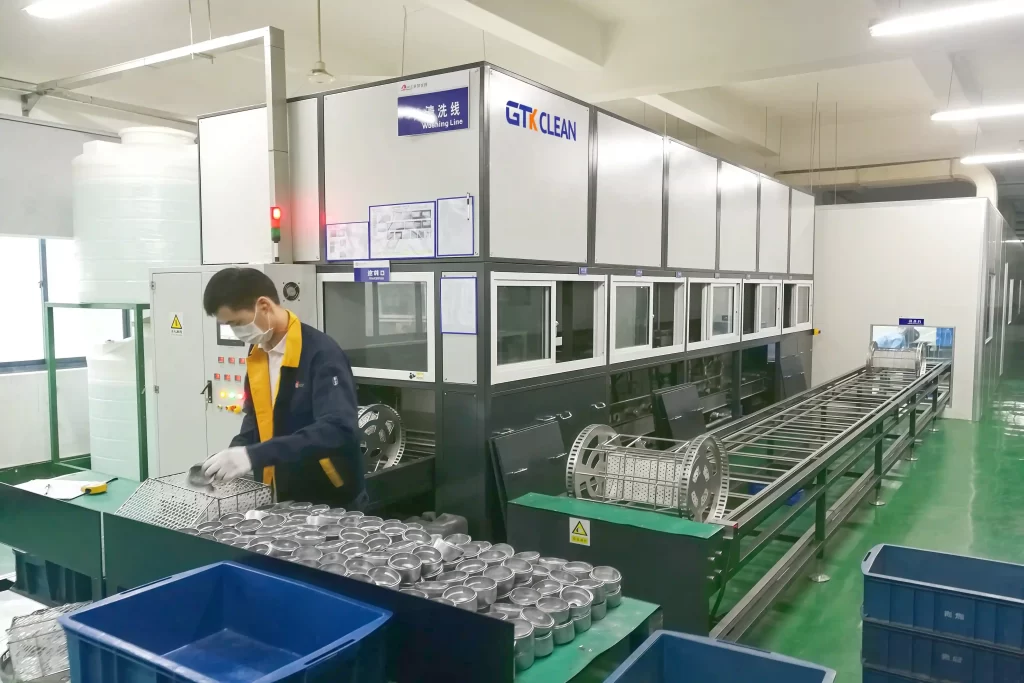
CNC machined parts present particular challenges. Deep holes, blind holes, and complex internal passages trap cutting fluids and chips that resist simple immersion cleaning. The Ultrasonic Cleaners for CNC Machined Parts address this with automated multi-stage processing that combines ultrasonic degreasing with DI water rinsing. Contaminants come out without excessive solvent use.
Rotary Basket Ultrasonic Cleaning Systems handle complex components that need 360° cleaning action while protecting delicate surfaces. Fully automated operation reduces labor requirements, and robust load-bearing capacity accommodates heavier parts. For really large components, the Heavy-Duty Automated Ultrasonic Cleaning Systems handle workpieces up to 2000 kg with automated multi-stage cleaning that includes ultrasonic degreasing and rust prevention treatment.
Making the Financial Case for Solvent Reduction Equipment
Capital investment in cleaning equipment requires justification, and the numbers need to work. The good news is that solvent reduction initiatives often generate returns that exceed typical capital project hurdles.
Start with current costs. Document annual solvent purchases, disposal fees, labor hours for cleaning operations, and any regulatory compliance costs. Include the less obvious expenses: production delays from cleaning bottlenecks, rework from inadequate cleaning, and the administrative burden of hazardous materials handling.
New equipment changes several of these line items simultaneously. Solvent purchases drop, often by 60-80% for closed-loop systems. Disposal volumes fall proportionally. Automated systems reduce labor requirements. Faster cleaning cycles can eliminate production bottlenecks. Better cleaning quality reduces rework rates.
Calculating Return on Investment for New Equipment
The payback calculation is straightforward once you have the numbers. Total the investment cost, including equipment purchase, installation, facility modifications, and training. Quantify annual savings from reduced solvent consumption, lower disposal costs, labor savings, and efficiency improvements. Divide investment by annual savings to get the payback period in years.
Most solvent reduction equipment investments pay back in two to four years, with ongoing savings continuing indefinitely afterward. A lifecycle cost analysis extends this view over the expected equipment life, typically 15-20 years for industrial cleaning systems. The cumulative savings over that period often exceed the initial investment by factors of five to ten.
Some jurisdictions offer sustainable manufacturing incentives that improve the economics further. Tax credits, accelerated depreciation, and grant programs for pollution prevention equipment can reduce effective investment costs by 10-30% in favorable cases.
Staying Ahead of Regulatory Requirements
Regulatory frameworks continue to evolve, generally in the direction of stricter limits on solvent emissions and more comprehensive reporting requirements. VOC regulations in the United States have tightened progressively since the Clean Air Act amendments of 1990, and EPA solvent guidelines now cover a broader range of industrial operations than ever before.
European regulations under REACH impose registration, evaluation, and authorization requirements for chemical substances including many industrial solvents. Some solvent chemistries face restrictions or phase-outs as regulators identify safer alternatives. Companies using these substances need transition plans.
Hazardous waste regulations govern spent solvent handling, storage, and disposal. Violations carry significant penalties, but the operational disruption from a compliance failure—halted production, emergency remediation, regulatory scrutiny—often costs more than the fines.
Investing in solvent reduction now positions operations favorably for future regulatory changes. Equipment that minimizes emissions and waste generation today will likely meet tomorrow's requirements without modification.
Working with GTKCLEAN on Sustainable Cleaning Solutions
Suzhou Grintek Environmental Technology Co., Ltd. brings over 20 years of R&D experience and 28 technical patents to industrial cleaning challenges. The company designs and manufactures automated cleaning equipment independently, including advanced solvent systems and ultrasonic cleaning solutions engineered for reduced consumption and superior cleaning performance.
The equipment portfolio addresses applications across precision manufacturing, automotive, aerospace, and electronics sectors. Systems range from compact single-station cleaners to large-scale automated lines handling heavy workpieces. Integration of solvent recovery, vapor condensation, and vacuum distillation reflects a design philosophy that treats solvent conservation as a core requirement rather than an afterthought.
FAQ
What are the primary benefits of reducing solvent consumption in industrial cleaning?
Cost savings lead the list. Facilities typically see 60-80% reductions in solvent purchase costs and proportional decreases in disposal expenses. Worker safety improves with reduced exposure to volatile chemicals. Environmental compliance becomes easier when emissions drop below regulatory thresholds. The operational benefits extend to faster cleaning cycles and higher first-pass quality in many cases.
Can ultrasonic cleaning systems effectively reduce reliance on traditional solvents?
They can, and often dramatically. Ultrasonic cavitation provides mechanical cleaning action that supplements chemical dissolution, allowing lower solvent concentrations or shorter exposure times to achieve equivalent results. Combined with aqueous or low-VOC formulations, ultrasonic systems can eliminate traditional solvents entirely for many applications. Our Ultrasonic Cleaning Systems are designed with this efficiency in mind.
How does GTKCLEAN's expertise contribute to sustainable industrial cleaning solutions?
The company's 20-plus years of focused R&D have produced equipment that integrates cleaning performance with solvent conservation. Closed-loop solvent systems with built-in recovery, vacuum distillation for continuous purification, and advanced ultrasonic cleaning technology all reflect this approach. The 28 technical patents represent specific innovations in areas like vapor condensation efficiency and cleaning process optimization. We offer Hydrocarbon Solvent Recovery Systems for maximum sustainability.
Contact Us
Partner with us to optimize your industrial cleaning processes, reduce solvent consumption, and achieve superior cleaning performance while ensuring environmental compliance. Contact us today for a consultation or to explore our innovative solutions tailored to your specific needs. Email: [email protected] | Phone: +86 17768507147
 English
  German
  Spanish
  French
  Russian
  Portuguese