
Keeping a conveyor belt clean sounds straightforward until you watch material cake onto the return side and drop into places it was never meant to go. The mess builds quietly—under idlers, around pulleys, across walkways—until someone notices the belt tracking off or a bearing seizing. By then, the line is down and a crew is shoveling. Effective conveyor cleaning prevents that spiral. It keeps carryback from accumulating, reduces spillage before it becomes a safety issue, and lets the system run the way it was designed to run. The payoff shows up in fewer emergency stops, lower repair bills, and equipment that lasts longer than the warranty predicted.
Why Carryback and Spillage Cost More Than They Appear To
Material sticking to a belt after discharge creates problems that compound over time. That thin layer of carryback riding the return side eventually falls off—onto idlers, onto the floor, into areas that require manual cleanup. Each pass adds more. The buildup increases friction, accelerates wear on rollers and pulleys, and forces the drive to work harder. Energy consumption creeps up. Components fail earlier than expected.
Spillage creates its own cascade of issues. Beyond the obvious material loss, it introduces trip hazards and can trigger regulatory concerns depending on what's being conveyed. Dust from dry materials settles on everything nearby, including electrical enclosures and ventilation systems. Wet or sticky materials attract pests or create slip hazards. Either way, someone has to clean it up, and that labor cost rarely appears in the original equipment budget.
The less obvious damage happens to the belt itself. Abrasive particles trapped between the belt and pulleys act like sandpaper on every rotation. Premature belt wear shortens replacement cycles and adds unplanned capital expense. A conveyor cleaning system positioned correctly removes most of this material before it causes damage, turning a reactive maintenance problem into a predictable operating cost.
Matching Cleaner Types to What the Belt Actually Carries
Not every conveyor cleaning solution works equally well on every material. A scraper that handles dry aggregate beautifully may smear wet clay across the belt surface. A brush system perfect for light powders will wear out in weeks against sharp-edged ore. Selecting the right cleaner type starts with understanding what the belt carries and how that material behaves.
Primary cleaners mount at the head pulley where most material discharges. They handle the bulk of removal, scraping off the majority of carryback before it reaches the return side. Polyurethane blades work well for general applications, offering good wear resistance and consistent contact. Tungsten carbide tips handle more abrasive materials but require careful tensioning to avoid belt damage.
Secondary cleaners install downstream of the primary, catching finer particles the first cleaner missed. These typically use lighter contact pressure and narrower blade profiles. For materials that stick aggressively—think wet coal or certain food products—high-pressure wash systems may be the only effective option. Brush cleaners suit applications where gentle contact matters, such as conveying finished goods that could be scratched.
Mining operations dealing with rock and ore need heavy-duty belt cleaners built to survive impact and abrasion. Food processing lines require cleaners that meet sanitation standards and can be disassembled for inspection. Bulk material handling across multiple product types often benefits from modular designs that allow quick blade changes when switching materials.
Heavy-Duty Applications Demand Specific Designs
Heavy-duty belt cleaners face conditions that would destroy lighter equipment within days. Abrasive materials like crusite or taconite wear through standard polyurethane quickly. Impact from large chunks can bend mounting brackets or crack housings. Dust infiltration grinds bearings and seizes adjustment mechanisms.
Effective designs for these environments use tungsten carbide or ceramic blade tips that resist abrasion far longer than polymer alternatives. Mounting systems incorporate spring or pneumatic tensioning that maintains consistent blade pressure as the tip wears. Sealed bearings and protected adjustment points keep dust out of moving parts. These features add cost upfront but extend service intervals dramatically, reducing both maintenance labor and unplanned downtime.
Automated Systems Change the Maintenance Equation
Manual belt cleaning works, but it requires someone to do it consistently. That consistency often slips when production pressure builds or crews run short. Automated cleaning systems remove that variable, delivering the same cleaning performance shift after shift without requiring operator attention.
The labor savings alone justify many installations. Workers previously assigned to shovel spillage or scrape buildup can focus on tasks that actually require human judgment. But the bigger benefit may be consistency. Automated systems maintain constant blade pressure and cleaning action regardless of shift changes, fatigue, or competing priorities. The belt stays cleaner, and the problems that stem from inconsistent cleaning simply don't develop.
Remote monitoring adds another layer of value. Sensors tracking blade wear, motor current, or cleaning effectiveness feed data to central control systems. Operators see trends before they become failures. A blade wearing faster than expected might indicate a change in material properties or a misaligned belt—information that helps maintenance teams address root causes rather than just symptoms.
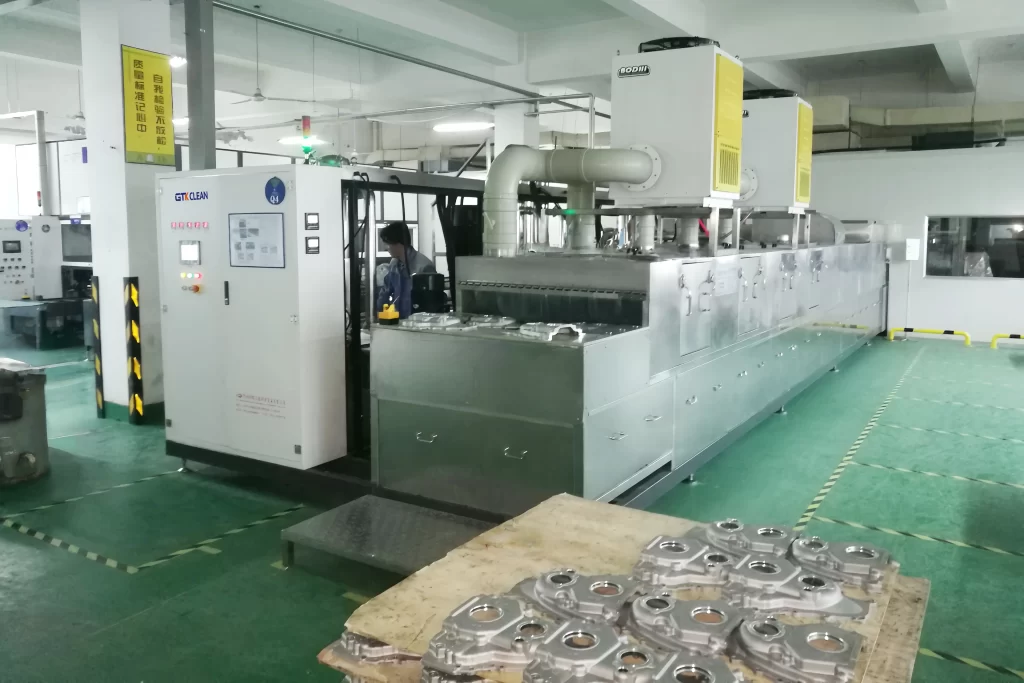
GTKCLEAN's CNC Aluminum Shell Inline Cleaners demonstrate how automation applies to parts cleaning within conveyor systems. These units move components through sequential stages—spray degreasing, rinsing, drying—without manual handling between steps. PLC control coordinates timing and fluid management. The result is consistent cleanliness at production-line speeds, with minimal operator involvement once the system is running.
Integration Requires Attention to Infrastructure Details
Adding an automated conveyor cleaning system to an existing line involves more than finding floor space. Power requirements must match available supply—both voltage and amperage. Water connections need adequate pressure and flow for wash systems. Drainage must handle the volume of spent cleaning fluid without creating puddles or backups.
Control system compatibility matters for facilities with centralized automation. The cleaning system should communicate with existing PLCs or SCADA systems, reporting status and accepting commands through standard protocols. Physical space must accommodate not just the equipment footprint but also access for maintenance—blade changes, filter replacement, inspection of wear components.
Evaluating these factors before purchase prevents expensive surprises during installation. A system that fits perfectly on paper but requires electrical upgrades or structural modifications to install will blow past its projected budget and timeline.
The Numbers Behind Cleaning System Investments
Justifying a conveyor cleaning system purchase requires translating operational improvements into financial terms. The calculation framework involves several categories of savings, some obvious and some less so.
Maintenance cost reduction comes first. Cleaner belts mean less wear on idlers, pulleys, and the belt itself. Replacement intervals extend. Emergency repair calls decrease. The maintenance team spends less time reacting to failures and more time on planned activities. These savings compound over years of operation.
Belt life extension deserves separate attention because belts represent significant capital expense. A heavy-duty conveyor belt can cost tens of thousands of dollars. Extending its service life by even 20% through better cleaning defers that replacement cost and improves return on the original belt investment.
Operational uptime benefits show up in production numbers. Every hour the line runs instead of sitting idle for cleanup or repair adds output. For high-volume operations, even small improvements in availability translate to meaningful revenue gains. Reduced spillage also means more material reaches its destination rather than ending up on the floor—direct recovery of product that would otherwise be lost.
Energy savings often surprise operators who haven't measured them. A belt coated with sticky material requires more force to move. The drive motor draws more current. Over thousands of operating hours, that excess consumption adds up. Clean belts run more efficiently.
GTKCLEAN's Fastener Tunnel Cleaners illustrate how system design affects operating costs. Their oil-water separation technology extends cleaning fluid life, reducing both fluid purchases and disposal costs. Consistent cleaning quality prevents defective parts from reaching subsequent processes, avoiding rework expenses.
| Aspect | Traditional Cleaning | Advanced Automated Cleaning |
|---|---|---|
| Downtime Impact | High (manual intervention) | Low (continuous operation) |
| Maintenance Costs | Higher (reactive repairs) | Lower (preventative) |
| Labor Requirement | High (manual cleaning) | Low (automated) |
| Cleaning Consistency | Variable | High (precise control) |
| Belt Life | Shorter | Longer |
| Material Recovery | Lower | Higher |
Compliance and Safety Depend on Consistent Cleaning
Regulatory requirements and workplace safety standards intersect directly with conveyor cleaning practices. Dust accumulation creates explosion risks in facilities handling combustible materials. Spillage on walkways causes slip-and-fall injuries. Product contamination from dirty equipment triggers recalls and regulatory action.
Dust control matters most in operations handling fine powders, grain, or other materials that become airborne easily. Accumulated dust on equipment surfaces, in ventilation systems, or on structural members represents both a fire hazard and a respiratory risk. Effective conveyor cleaning reduces the amount of material available to become airborne in the first place.
Food processing and pharmaceutical operations face particularly strict requirements. Equipment surfaces that contact product must meet specific cleanliness standards. Conveyor cleaning systems in these environments need designs that allow thorough sanitization and inspection. Materials of construction must resist corrosion and avoid harboring bacteria.
GTKCLEAN's Turnover Box Inline Cleaners address these requirements for container cleaning applications. High-throughput processing ensures containers emerge clean and dry, ready for sensitive products. The design supports the documentation and verification that regulated industries require.
Beyond regulatory compliance, consistent cleaning simply makes facilities safer to work in. Fewer slip hazards, less dust in the air, reduced manual handling of cleaning tasks—these improvements protect workers and reduce incident rates.
Optimize Your Production with GTKCLEAN
GTKCLEAN brings over 20 years of R&D experience and 28 technical patents to automated cleaning equipment design. Our conveyor belt cleaning systems and related solutions address the full range of industrial cleaning challenges. Contact Suzhou Grintek Environmental Technology Co.,Ltd. to discuss your specific requirements. Reach us at +86 17768507147 or [email protected].
What long-term value do quality conveyor cleaning systems deliver?
Quality conveyor cleaning systems extend belt and component life, reduce material loss from spillage and carryback, minimize unscheduled downtime, and lower ongoing maintenance costs. These benefits accumulate over years of operation, typically delivering returns that far exceed the initial equipment investment. Improved workplace safety and regulatory compliance add value that's harder to quantify but equally real.
How does GTKCLEAN address different industry requirements?
Two decades of development work across multiple industries has produced specialized solutions for distinct operating environments. Food processing applications get designs meeting sanitation standards with easy-clean surfaces and inspection access. Mining and heavy industry applications receive robust construction engineered for abrasive materials and harsh conditions. Each solution reflects the specific challenges of its intended environment.
Can GTKCLEAN develop custom solutions for unusual applications?
Custom development is a core capability. Production lines vary in layout, material characteristics, throughput requirements, and integration constraints. GTKCLEAN's engineering team works with clients to understand these specifics and design conveyor cleaning systems that fit the actual operating environment rather than forcing compromises to match standard equipment.
 English
  German
  Spanish
  French
  Russian
  Portuguese