
Keeping a solvent cleaning system running well takes more than occasional attention. After years of watching these machines in production environments, the pattern becomes clear: systems that get consistent, thoughtful care outlast and outperform those maintained only when something breaks. The difference shows up in cleaning quality, solvent costs, and the frequency of unplanned stops. What follows covers the practical side of maintaining these systems, from understanding how the components work together to managing solvent recovery and staying compliant with safety requirements.
How Solvent Cleaning Systems Actually Work
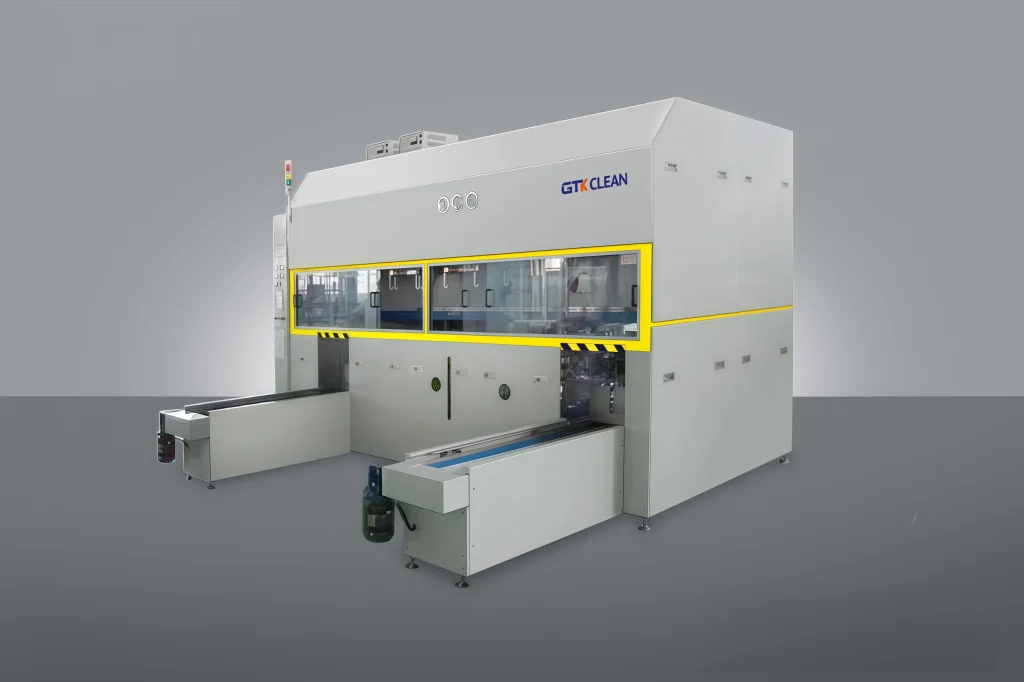
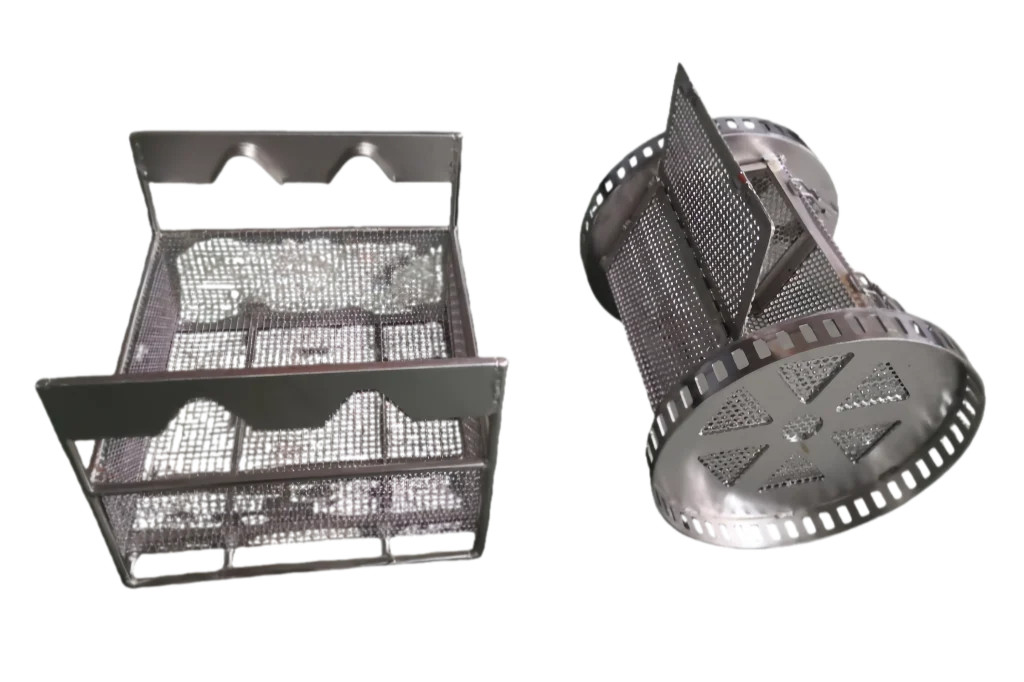
Modern solvent cleaning equipment combines several processes into integrated units. The cleaning tanks form the foundation, often fitted with ultrasonic transducers that create cavitation in the solvent. This cavitation action reaches into blind spots and complex geometries that spray cleaning alone would miss. Multi-tank hydrocarbon ultrasonic cleaners typically use rotary baskets to expose all surfaces of the parts being cleaned, eliminating the shadowing problems that plague simpler setups.
Vapor degreasing operates on a straightforward principle. The solvent heats until it vaporizes, creating a zone of clean vapor above the liquid. When cooler parts enter this zone, the vapor condenses on their surfaces and dissolves oils, greases, and machining residues. The condensed solvent drips back into the tank, carrying contaminants with it. Some systems add immersion stages after vapor degreasing, using ultrasonic agitation to handle stubborn contamination. Hydrocarbon solvent ultrasonic vacuum cleaners take this further by combining ultrasonic cleaning, vacuum vapor cleaning, and drying in a single automated sequence.
Solvent recovery through distillation makes these systems economically viable for continuous operation. The distillation unit separates contaminants from used solvent, returning purified solvent to the cleaning process while concentrating waste for disposal. This reclamation significantly cuts solvent purchasing costs and reduces hazardous waste volumes.
Automation has transformed how these systems integrate into production lines. CNC aluminum shell inline cleaners use continuous conveyors for automated multi-stage cleaning, moving parts through spray degreasing, rinsing, and drying without manual handling. Fastener tunnel cleaners apply similar principles to high-volume fastener production, incorporating oil-water separation to handle the heavy contamination loads these applications generate. Understanding how these components interact is essential for maintaining them effectively.
Building a Maintenance Schedule That Actually Works
A maintenance schedule only helps if it matches how the equipment actually operates. The goal is catching problems early, before they affect cleaning quality or cause unexpected shutdowns. Twenty years of field experience across different industries has shown which inspection intervals prevent the most problems.
Daily checks should be quick but thorough. Verify solvent levels, look for visible contamination in the tanks, and confirm that all automated functions complete their cycles normally. Weekly inspections go deeper into filter condition and fluid clarity. Monthly assessments should include seal and gasket examination, since these components degrade gradually and leak detection often comes too late.
| Maintenance Task | Frequency | What to Look For |
|---|---|---|
| Solvent Level Check | Daily | Adequate volume, no unusual consumption rate |
| Filter Inspection | Weekly | Clogging, discoloration, flow restriction |
| Seal and Gasket Examination | Monthly | Cracking, hardening, evidence of leakage |
| Ultrasonic Transducer Test | Quarterly | Power output degradation, uneven cavitation patterns |
| Distillation Unit Cleaning | Bi-annually | Sludge accumulation, scale buildup on heating elements |
| System Calibration | Annually | Temperature accuracy, pressure settings, flow rate verification |
Quarterly ultrasonic transducer testing matters more than many operators realize. Transducer output degrades gradually, so cleaning quality declines slowly enough that the change goes unnoticed until parts start failing inspection. A simple foil erosion test reveals whether the transducers still deliver adequate cavitation intensity.
Annual professional calibration catches drift in temperature controllers, pressure regulators, and flow sensors. These calibrations also provide documentation for quality audits and regulatory compliance.
What Are the Most Common Issues in Solvent Cleaning Systems and How Can They Be Prevented?
Reduced cleaning effectiveness usually traces back to contaminated solvent or worn ultrasonic components. Regular solvent analysis and timely replacement of Ultrasonic Vibration Plate or transducers prevent gradual quality decline. Excessive solvent loss often results from inadequate freeboard cooling, which allows vapor to escape, or from seal deterioration that permits liquid leaks. Effective vapor recovery systems and routine seal inspections address both causes. Equipment malfunctions typically involve pumps, heaters, or control systems. Scheduled component checks and maintaining spare parts inventory for critical items minimize downtime when failures occur.
Managing Solvent for Maximum Recovery and Minimum Waste
Solvent costs represent a significant portion of operating expenses for any cleaning system. Effective solvent management directly affects profitability while also determining environmental compliance status. The economics favor aggressive recovery and purification.
Integrated distillation systems continuously purify solvent during operation. The process separates contaminants by boiling point, returning clean solvent to the cleaning tanks while concentrating impurities for disposal. Well-designed recovery units reclaim over 98% of used solvent, dramatically reducing both purchasing costs and hazardous waste volumes.
Multi-tank hydrocarbon ultrasonic cleaners typically optimize solvent heating to 40-60°C, the temperature range where hydrocarbon solvents achieve maximum solubility for common machining oils. Operating outside this range wastes energy or reduces cleaning effectiveness. Vacuum distillation, used in more advanced systems, allows solvent recovery at lower temperatures, reducing thermal degradation and extending solvent life further.
Hydrocarbon solvent ultrasonic vacuum cleaners incorporate built-in vapor condensation that captures solvent vapor before it can escape to atmosphere. This closed-loop approach satisfies emission regulations while recovering solvent that would otherwise be lost. The concentrated waste stream requires proper disposal, but the volume is a fraction of what open systems generate.
The financial case for advanced solvent management is straightforward. Reduced solvent purchases, lower disposal fees, and extended equipment life all contribute to operating cost reduction. Systems designed with these capabilities pay back their additional cost within months of installation.
Safety Requirements and Regulatory Compliance
Solvent cleaning operations involve flammable materials, vapor exposure risks, and hazardous waste handling. Safety protocols must address all three areas, and regulatory compliance requires documented procedures and regular verification.
Ventilation systems prevent vapor accumulation in the work area. Hydrocarbon solvents have flash points that require attention, and vapor concentrations must stay well below lower explosive limits. Modern automated systems include gas monitoring that triggers alarms and emergency shutdown if concentrations approach dangerous levels. Exhaust systems should maintain negative pressure in the cleaning area to prevent vapor migration.
Operator training covers safe solvent handling, equipment operation procedures, and emergency response. Training should be documented and refreshed periodically. New operators need supervised practice before working independently. Emergency drills verify that personnel know shutdown procedures and evacuation routes.
Environmental compliance involves emission limits, waste disposal requirements, and workplace exposure standards. Closed-loop solvent recovery systems simplify compliance by minimizing emissions and concentrating waste. Documentation of solvent purchases, recovery rates, and waste disposal creates the audit trail regulators expect.
Personal protective equipment requirements depend on the specific solvents used and the tasks being performed. Chemical-resistant gloves, safety glasses, and respirators may be needed for maintenance tasks that involve direct solvent contact. Equipment labels should specify PPE requirements for each operation.
What Are the Critical Safety Considerations for Maintaining Industrial Solvent Cleaning Equipment?
Ventilation must remain active during any maintenance that could release solvent vapor. Lockout/tagout procedures prevent accidental equipment startup while technicians work inside tanks or on electrical systems. Chemical handling protocols specify appropriate PPE for each task. Technicians need training to recognize leak indicators and understand the hazards of the specific solvents in use. Electrical component inspection should verify proper grounding, since static discharge can ignite solvent vapors. Hot work near solvent cleaning equipment requires special permits and vapor monitoring.
Diagnosing Problems and Improving Performance
Troubleshooting solvent cleaning systems requires systematic thinking. Symptoms often have multiple possible causes, and jumping to conclusions leads to unnecessary parts replacement or continued problems.
Inadequate cleaning results can stem from solvent contamination, insufficient ultrasonic power, incorrect temperature, or inadequate cycle time. Start by checking solvent condition. Contaminated solvent loses cleaning power gradually, so the decline may not be obvious until cleaning failures become frequent. If solvent tests acceptable, verify ultrasonic transducer output using a foil erosion test or cavitation meter. Temperature verification comes next, since controllers can drift out of calibration.
Excessive solvent consumption points to vapor loss or liquid leaks. Vapor loss typically results from inadequate freeboard cooling or improper part loading that disrupts the vapor zone. Liquid leaks show up as wet spots around seals, fittings, or tank joints. Addressing vapor loss often requires adjusting cooling water flow or modifying loading procedures.
Performance optimization involves matching cleaning parameters to the specific contamination being removed. Hydrocarbon solvents work best within specific temperature ranges for different oil types. Ultrasonic frequency affects cleaning action on different part geometries. Cycle time adjustments balance cleaning thoroughness against throughput requirements. Multi-stage systems allow different parameters at each stage, optimizing the overall process.
Component replacement should use manufacturer-specified parts. Seals, gaskets, and O-rings made from incompatible materials degrade rapidly in solvent contact. Pumps and heating elements have finite service lives, and replacement before failure prevents unplanned downtime.
Where Solvent Cleaning Technology Is Heading
Automation and data integration are reshaping solvent cleaning system maintenance. Sensors now monitor parameters that previously required manual checks, and data logging creates maintenance records automatically. These capabilities enable predictive maintenance approaches that schedule service based on actual equipment condition rather than fixed intervals.
Real-time monitoring of solvent condition, ultrasonic power output, and system temperatures allows early detection of developing problems. Trend analysis reveals gradual degradation before it affects cleaning quality. This predictive approach reduces both unplanned downtime and unnecessary preventive maintenance.
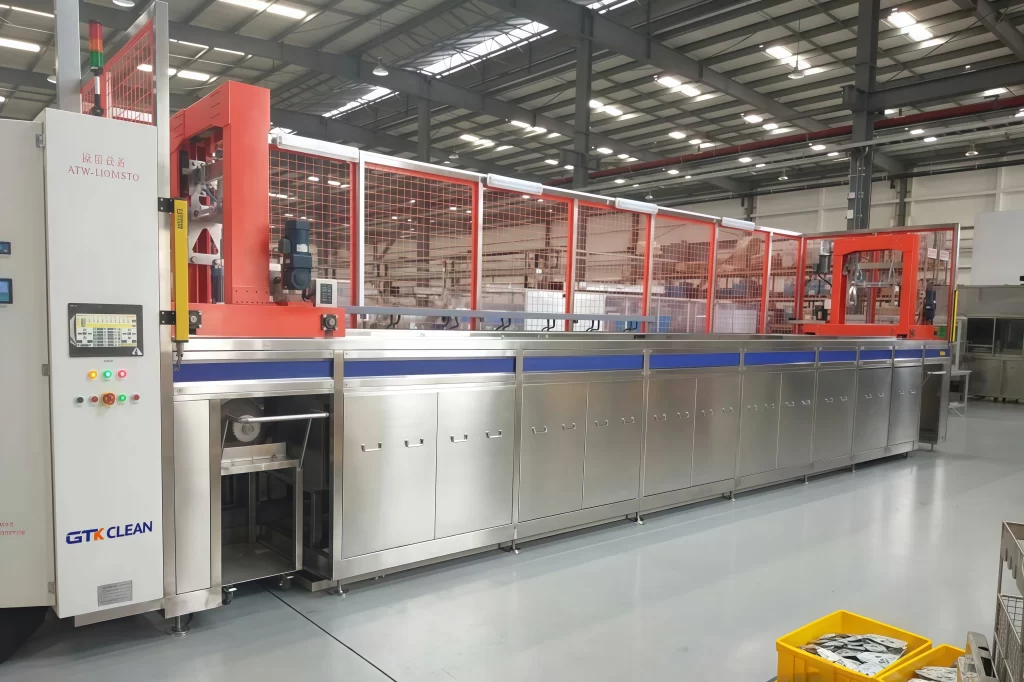
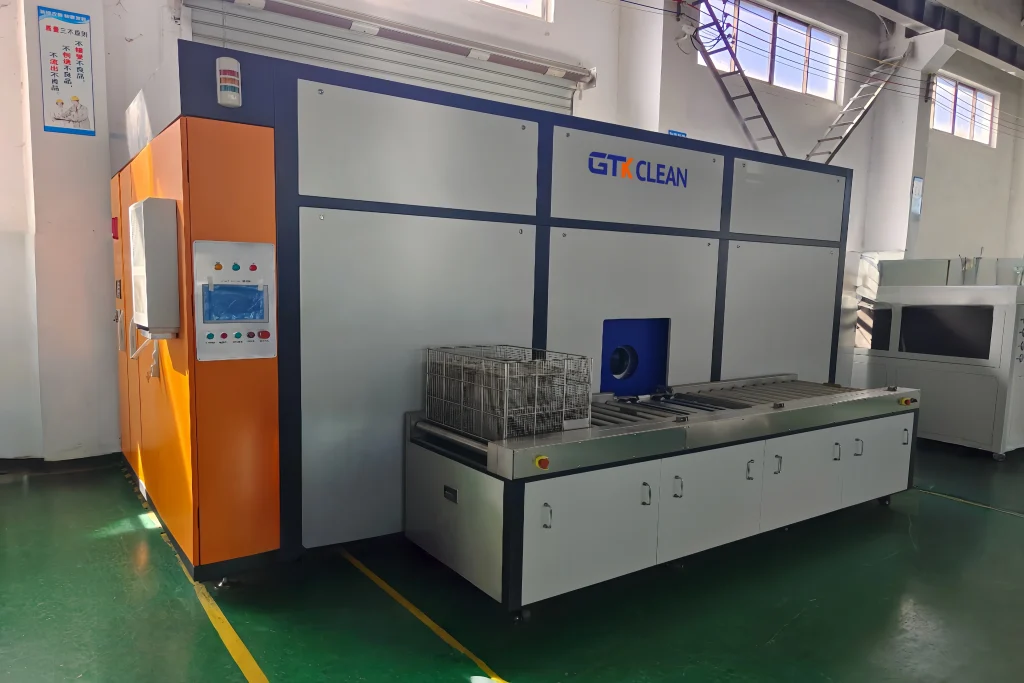
Rotary basket ultrasonic cleaners now feature fully automatic loading, cleaning, rinsing, and drying sequences. These systems minimize manual labor while ensuring consistent processing. Remote connectivity allows software updates and diagnostic support without on-site visits.
Sustainability requirements are driving continued improvement in solvent recovery efficiency and emission control. Closed-loop systems that approach zero solvent loss are becoming standard for new installations. Waste minimization through high-efficiency distillation reduces disposal costs and environmental impact.
《What Is The Technical Principle Of Hydrocarbon(Solvent) Cleaning Machines?》
Working with GTKCLEAN
Suzhou Grintek Environmental Technology Co.,Ltd. (GTKCLEAN) brings two decades of focused development to industrial cleaning equipment. The 28 technical patents behind our systems reflect continuous improvement driven by real production requirements. From multi-tank ultrasonic cleaners to integrated vacuum systems, our equipment addresses the full range of solvent cleaning applications.
Maintenance support extends beyond equipment supply. We provide training for in-house teams, troubleshooting assistance, and spare parts availability that keeps your systems running. Contact us at +86 17768507147 or [email protected] to discuss your specific requirements.
Frequently Asked Questions About Solvent Cleaning System Maintenance
How Often Should a Solvent Cleaning System Be Serviced to Maintain Peak Performance?
Service frequency depends on usage intensity, solvent type, and the cleanliness requirements of your application. High-volume production lines running multiple shifts need more frequent attention than intermittent operations. As a baseline, daily visual checks catch obvious problems, weekly inspections verify filter and fluid condition, monthly assessments cover seals and mechanical components, and annual professional servicing handles calibration and thorough inspection. Adjust these intervals based on your specific operating conditions and the results you observe.
What Are the Benefits of Implementing a Proactive Maintenance Plan for Solvent Cleaning Systems?
Proactive maintenance prevents the cascade of problems that reactive maintenance creates. Equipment lasts longer when wear is addressed before it causes secondary damage. Solvent consumption stays low when recovery systems operate efficiently. Cleaning quality remains consistent when ultrasonic components and temperature controls work properly. Safety compliance becomes routine rather than crisis-driven. The cost comparison between planned maintenance and emergency repairs strongly favors the proactive approach.
Can GTKCLEAN Provide Training for Our In-House Team on Solvent Cleaning System Maintenance?
Training programs cover routine inspection procedures, troubleshooting methods, solvent management practices, and safety protocols specific to your equipment. We structure training around your team's existing knowledge and your operational requirements. Hands-on practice with your actual equipment builds competence that classroom instruction alone cannot provide. Refresher training keeps skills current as equipment and procedures evolve.
 English
  German
  Spanish
  French
  Russian
  Portuguese