
Industrial operations burn through solvents at a pace that makes procurement feel like a recurring nightmare, and disposal costs keep climbing. The financial drain is real, but so is the environmental pressure mounting from regulators and customers alike. Advanced solvent recovery systems offer a way out of this cycle, cutting operational costs while pushing manufacturing toward genuinely sustainable practices. Both benefits matter, and they reinforce each other.
The Real Price Tag on Solvent Waste
The sticker price on a drum of solvent tells only part of the story. What industries often miss are the costs lurking beneath the surface: the steady drain of buying virgin solvent month after month, the escalating fees for hazardous waste disposal, and the looming threat of regulatory fines that can land without warning.
Virgin solvent procurement never stops. Each purchase brings additional expenses for specialized storage and careful handling. When that solvent reaches the end of its useful life, it becomes hazardous waste, and disposal fees reflect that classification. Hazardous waste regulations vary by region, but they share common traits: complex documentation requirements, mandatory specialized transport, and zero tolerance for shortcuts. Companies that slip up face penalties that hurt both the balance sheet and their reputation.
Think about what happens in a typical manufacturing facility. A solvent's lifecycle cost includes the initial purchase, the energy burned during use, the labor hours spent on handling, and finally, the disposal bill. Without serious industrial waste reduction efforts, these costs stack up fast. A single drum of spent solvent can cost more to dispose of than buying fresh solvent would have. That math alone should prompt hard questions about current practices.
Too many companies remain stuck in a loop of buying new and paying to get rid of the old. This linear approach drains budgets and creates environmental liabilities that only grow over time. A thorough analysis of solvent lifecycle costs usually reveals a strong argument for recovery technology investment. That analysis needs to capture everything: direct costs, indirect costs, and the potential liabilities that tighter environmental regulations could bring tomorrow.
Recovery Technologies That Deliver Purity and Performance
Getting solvent recovery right depends on matching the technology to the application. Different recovery methods suit different industrial contexts, and the goal is always the same: achieve the purity levels needed while maintaining operational efficiency. GTKCLEAN builds solutions that fit into existing processes without disruption, delivering high recovery rates and solvent purity that meets production standards.
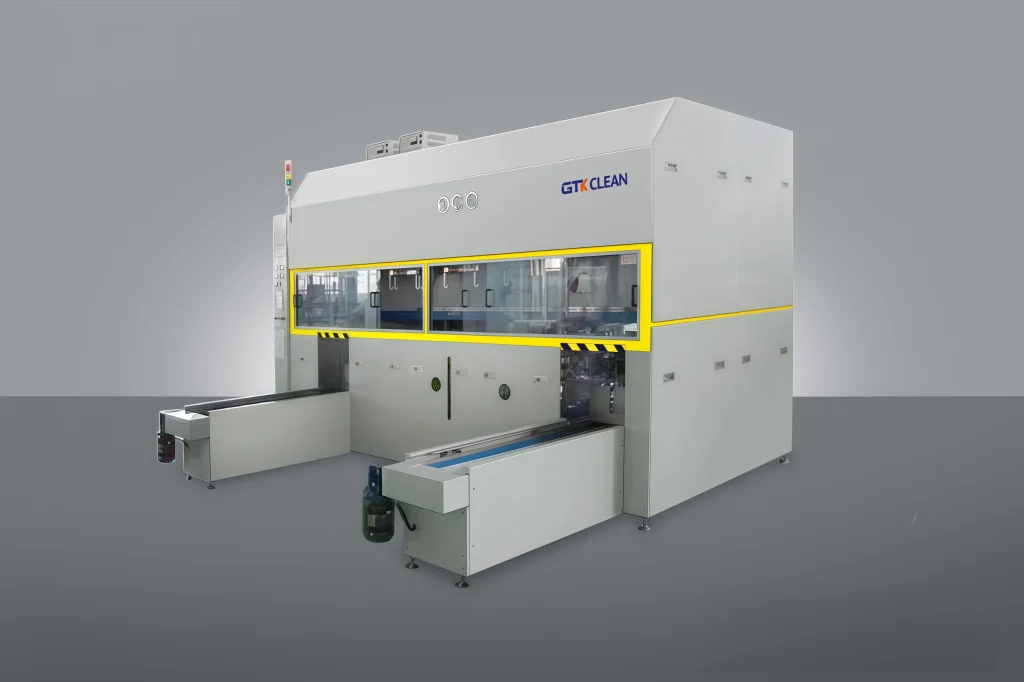
The technology portfolio includes distillation, fractional distillation, and thin film evaporation. Each method separates solvents from contaminants in ways that allow genuine reuse. The Hydrocarbon Solvent Ultrasonic Vacuum Cleaners from GTKCLEAN incorporate a built-in vacuum distillation system for solvent recovery and recycling, producing high-purity solvent that reduces the need for new purchases significantly.
Getting Purity Right Through Distillation and Separation
High-purity recovered solvents make or break the economics of reuse. If the recovered solvent cannot perform in production, the whole exercise fails. Distillation remains the workhorse method: heat the contaminated solvent to its boiling point, capture the vapor, and condense it back to liquid. Non-volatile impurities stay behind.
Fractional distillation takes this further by separating mixture components based on their different boiling points. This approach works well for recovering multiple solvents from a single stream or achieving exceptionally pure single-solvent output. Maintaining solvent purity standards ensures recovered material can re-enter production without compromising what comes off the line.
GTKCLEAN's multi-tank hydrocarbon ultrasonic cleaners use advanced solvent recycling equipment built around distillation-based recovery. These systems conserve hydrocarbon solvents, strip out impurities, and cut operational costs in ways that show up clearly on financial statements. Industrial solvent purification at this level supports manufacturing that can credibly claim sustainability.
Making the Financial Case for Recovery Systems
Investing in solvent recovery systems requires clear financial justification. The numbers need to work, and they usually do when analyzed properly. A practical framework examines payback period, net present value, and internal rate of return. These metrics translate the investment into terms that finance teams and executives understand.
A company spending heavily on virgin solvent and hazardous waste disposal can project meaningful savings through recovery. Reduced virgin solvent purchases hit the bottom line directly. Lower waste disposal volumes cut operational costs further. Many clients achieve payback within 12 to 24 months, which makes the investment decision considerably easier.
What Drives ROI on Solvent Recovery Systems
Several factors shape the return on a solvent recovery investment. Solvent consumption volume matters most, followed by virgin solvent costs and current disposal expenses. The recovery system's energy consumption and maintenance requirements also factor in. Higher volumes and steeper disposal costs typically accelerate payback. GTKCLEAN provides detailed financial modeling for solvent systems, helping clients project their specific savings and understand exactly when the investment pays off. This analysis supports decisions grounded in actual numbers rather than assumptions.
Environmental Compliance and the Sustainability Angle
Cost savings represent only part of the picture. Solvent recovery systems deliver environmental compliance benefits and sustainability improvements that carry their own value. These systems reduce environmental risk, shrink carbon footprints, and strengthen corporate social responsibility positioning. The indirect financial benefits and improved public perception often prove substantial.
Reducing solvent waste means fewer volatile organic compounds released into the atmosphere. This directly addresses air quality concerns that regulators increasingly prioritize. The alignment with green manufacturing practices matters to customers, investors, and communities. Decreasing hazardous waste volumes also reduces contamination risks to soil and water. Companies that take these steps position themselves as responsible operators in an era when that positioning carries real weight.
How Recovery Systems Support Environmental Compliance
Solvent recovery systems improve environmental compliance by cutting VOC emissions and minimizing hazardous waste generation. This helps companies meet environmental regulations that keep getting stricter, avoiding fines and legal complications that can derail operations. Closing the loop on solvent use demonstrates proactive environmental management rather than reactive compliance. The approach ensures regulatory adherence while building a brand image that resonates with stakeholders who care about sustainability.
Connecting Recovery to Industrial Cleaning Processes
Effective industrial solvent management requires thinking about the whole system, not just isolated components. GTKCLEAN designs solvent cleaning systems that integrate with recovery units to create closed-loop operations. This integration maximizes efficiency and delivers cost savings that compound over time.
The Hydrocarbon Solvent Ultrasonic Vacuum Cleaners feature a distillation-based solvent recycling system that conserves hydrocarbon, removes impurities, and reduces costs. The Multi-Tank Hydrocarbon Ultrasonic Cleaners incorporate similar recovery capabilities, ensuring a continuous supply of clean solvent for demanding applications like cleaning new energy vehicle battery housings and stamped components. Closed-loop solvent cleaning minimizes waste and optimizes resource utilization in ways that matter for both economics and environmental performance.
Twenty-plus years of R&D expertise and 28 technical patents enable GTKCLEAN to engineer industrial cleaning equipment that performs at the highest levels. The comprehensive range of automated cleaning equipment includes ultrasonic cleaning systems and solvent cleaning systems tailored to evolving cleanliness requirements. These solutions deliver ROI that justifies the investment.
Move Forward with GTKCLEAN Solvent Recovery Solutions
Transforming industrial processes, reducing operational costs, and advancing environmental stewardship all become achievable with the right technology partner. Suzhou Grintek Environmental Technology Co.,Ltd. (GTKCLEAN) brings 20+ years of R&D expertise and 28 technical patents to industrial cleaning and solvent recovery. The comprehensive range of automated cleaning and solvent recovery systems is engineered for superior performance and strong returns. Contact the experts at +86 17768507147 or [email protected] for a personalized cost savings analysis and discover how these advanced solutions can benefit your operations.
Frequently Asked Questions About Solvent Recovery Systems
What are the long-term cost benefits of solvent recovery systems?
Long-term cost benefits include substantial reductions in virgin solvent purchases, decreased hazardous waste disposal fees, lower regulatory compliance costs, and potential tax incentives for sustainable practices. These savings accumulate significantly over the system's lifespan, building a strong return on investment that improves year over year.
How quickly can a business see ROI from a solvent recovery investment?
Payback periods vary based on solvent volume, solvent type, current disposal costs, and system capacity. Many businesses experience returns within 12-24 months, particularly those with high solvent consumption and significant disposal expenses. A detailed analysis from GTKCLEAN provides precise projections based on actual operating conditions.
Are solvent recovery systems difficult to integrate into existing operations?
Modern solvent recovery systems are built for straightforward integration. GTKCLEAN solutions are engineered for compatibility with diverse industrial setups, including existing cleaning lines. Comprehensive support covers assessment, design, installation, and training, ensuring smooth transitions with minimal operational disruption.
 English
  German
  Spanish
  French
  Russian
  Portuguese