

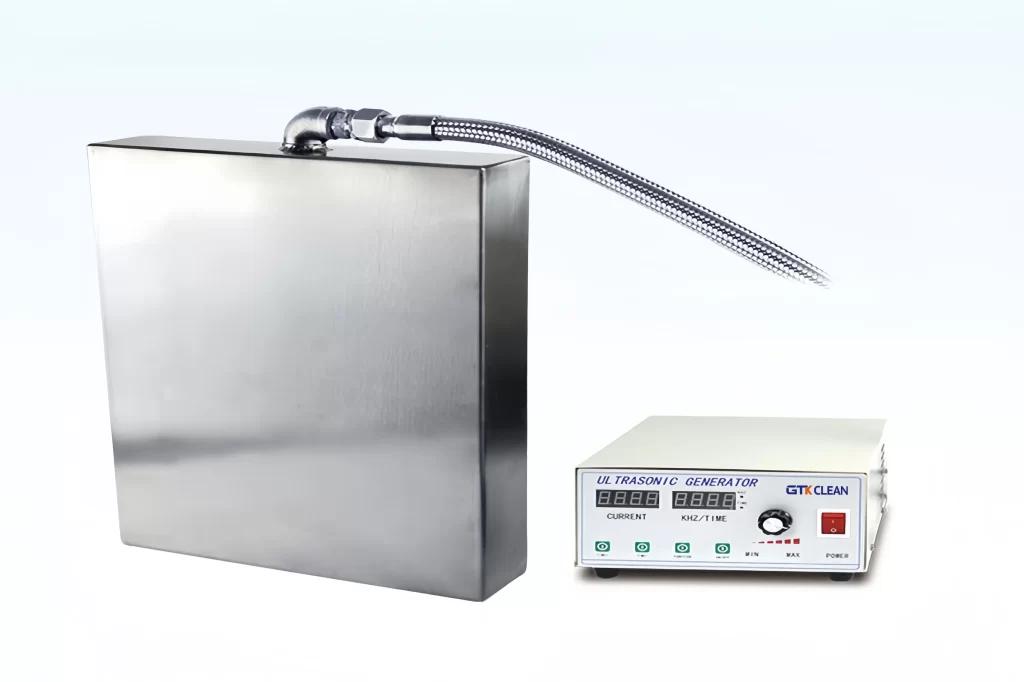
Selecting the optimal industrial cleaning system starts with a solid grasp of the technology behind it. We recognize that efficient and precise cleaning underpins manufacturing processes. Across 20+ years of R&D experience in industrial cleaning, we have seen how the right equipment significantly impacts product quality and operational efficiency. Here, we clarify the principles and applications of ultrasonic cleaning to help you make informed decisions.
Understanding Ultrasonic Cleaning Technology
Ultrasonic cleaning uses high frequency sound waves to remove contaminants from part surfaces. It provides a non abrasive, highly effective method for intricate geometries and delicate materials. We have observed its growing adoption across many industries because of its precision and efficiency.
1. The Science Behind Ultrasonic Cleaning
The core principle of ultrasonic cleaning is cavitation. High frequency sound waves, commonly ranging from 20 kHz to 80 kHz, generate microscopic bubbles in a liquid cleaning solution. These bubbles form rapidly and then collapse violently when they encounter a surface. The implosion creates localized high pressure jets that dislodge contaminants from even the most inaccessible areas of a part. The process achieves thorough cleaning without mechanical damage. The effectiveness of cavitation depends on factors like frequency, power, and the properties of the cleaning solution. We continuously refine our systems to optimize these parameters for superior cleaning performance.
For a deeper technical look at how these sound waves create such powerful cleaning effects, we recommend reading 《What Is Ultrasonic Cavitation Effect?》.
2. Key Components of an Ultrasonic System
An ultrasonic cleaning system comprises several essential components working in concert. The primary elements include a cleaning tank, ultrasonic transducers, an ultrasonic generator, and a control panel. The tank holds the cleaning solution and the parts to be cleaned. Transducers convert electrical energy into high frequency sound waves that propagate through the liquid. The Ultrasonic Generator supplies and controls the electrical power to the transducers, determining the cleaning intensity. A sophisticated control panel allows operators to manage parameters such as temperature, time, and ultrasonic frequency. These integrated components deliver precise and consistent cleaning cycles.
Types of Ultrasonic Cleaning Equipment for Industry
The industrial landscape demands diverse cleaning solutions. We offer a broad range of ultrasonic cleaning equipment, each designed to address specific industrial challenges. Our solutions cover various part sizes, materials, and cleanliness requirements.
1. Industrial Ultrasonic Cleaners
Industrial ultrasonic cleaners are robust systems built for heavy duty applications. These machines handle large volumes and heavy parts, often featuring reinforced tanks and advanced material handling systems. They are suitable for metals, molds, and electronic components, effectively removing oils, chips, and other residues. Many models feature multi stage processes that include pre washing, ultrasonic cleaning, rinsing, and drying. This delivers a complete and efficient cleaning cycle. We design these systems for high volume production environments where consistent cleanliness is paramount.
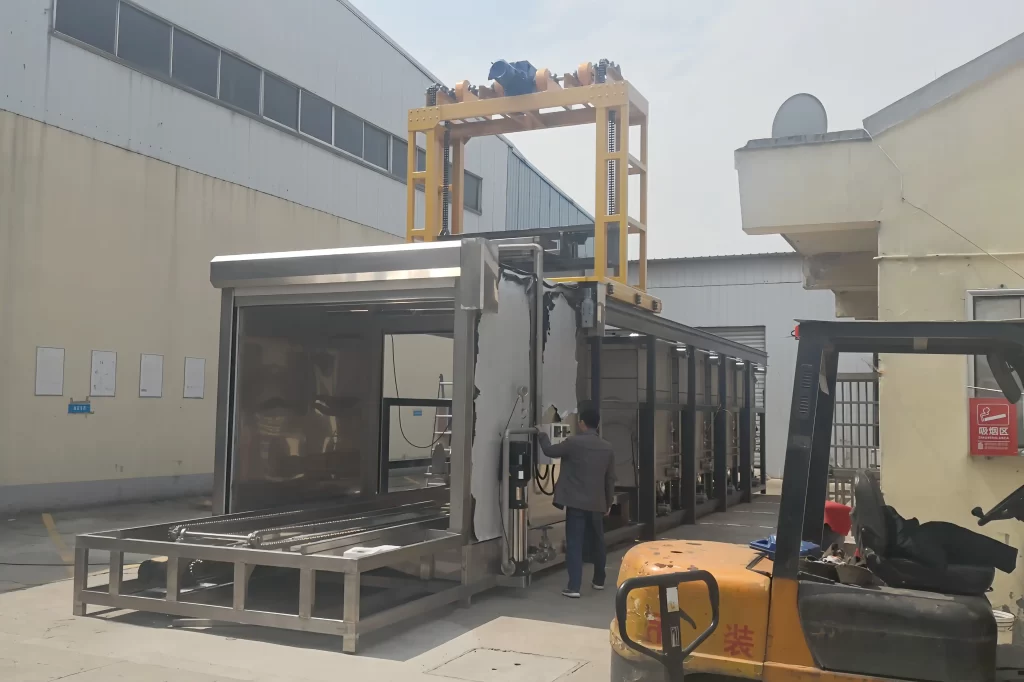
Our Heavy-Duty Automated Ultrasonic Cleaning Systems are specifically engineered for components weighing up to 2000 kg, including engine blocks and large molds. We also provide Ultrasonic Parts Cleaners that excel in precision cleaning for materials like copper.
2. Automated Ultrasonic Cleaning Systems
Automated ultrasonic cleaning systems integrate directly into production lines, reducing manual labor and maximizing throughput. These systems often feature conveyor belts or rotary baskets for continuous or batch processing. They are ideal for industries requiring high consistency and efficiency, such as automotive, aerospace, and electronics manufacturing. Automated systems can include multiple stages such as high pressure sprays, ultrasonic degreasing, multi stage rinsing, and various drying options. Remote monitoring and program upgrades enhance operational flexibility and control.
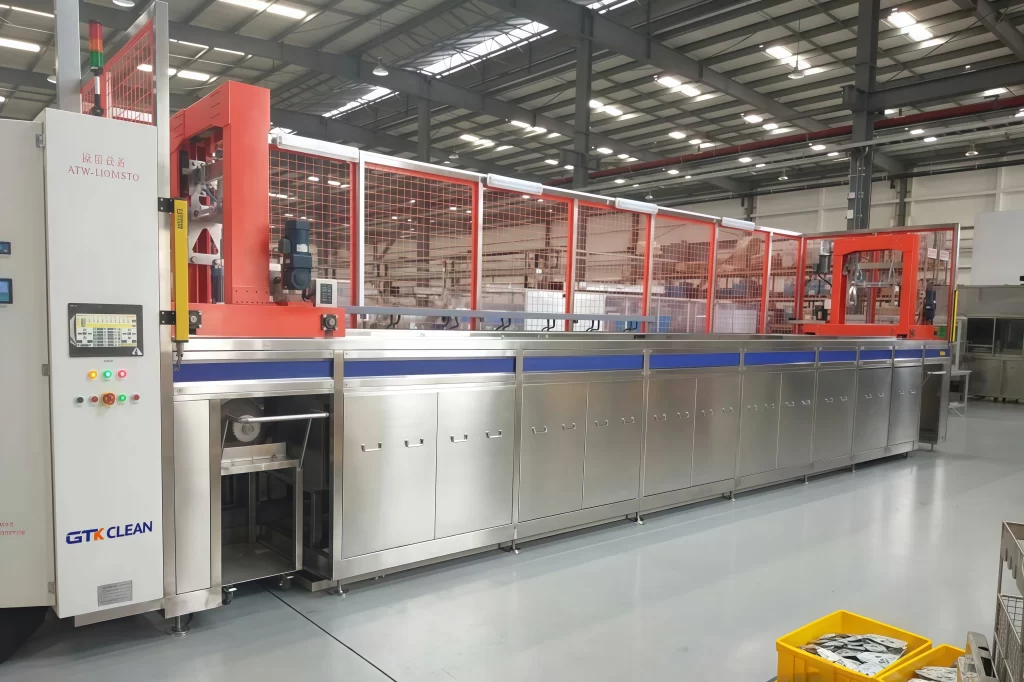
For parts with complex geometries, our Rotary Basket Ultrasonic Cleaning Systems ensure 360° cleaning. We also specialize in Ultrasonic Cleaning machine for CNC Machined Parts and Tunnel Cleaning Systems for high volume inline processes.
Benefits and Applications Across Diverse Industries
Ultrasonic cleaning offers clear advantages over traditional cleaning methods. Its non contact action and deep penetration ensure superior cleanliness without damaging delicate components. We have leveraged our 20+ years of R&D experience and 28 technical patents to develop solutions that meet stringent cleanliness standards across various sectors.
This technology excels in removing a wide range of contaminants, including oils, grease, chips, dust, and fingerprints. It is especially effective for parts with intricate designs, blind holes, or internal cavities where manual cleaning falls short. Our systems deliver consistent results, which is critical for subsequent manufacturing processes such as electroplating, painting, welding, and assembly. This consistency improves product quality and reduces rework.
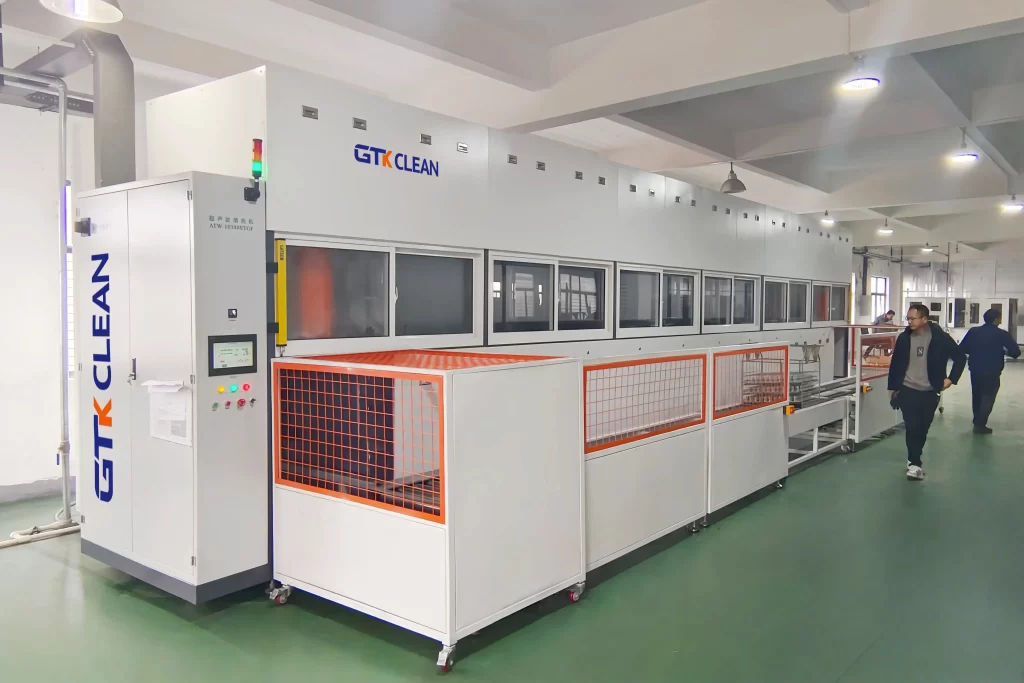
We design Custom Ultrasonic Cleaners to address unique client requirements, ensuring optimal performance for specific applications. Our Ultrasonic Cleaning Systems are utilized in electronics, optics, precision hardware, automotive, and medical industries. We also offer specialized Hydrocarbon Ultrasonic Cleaning machine for demanding degreasing applications.
Selecting and Maintaining Your Ultrasonic System
Choosing the correct ultrasonic cleaning system calls for careful evaluation of several factors. We guide our clients through this process to ensure they select the most effective and efficient solution for their needs. Proper maintenance also matters for maximizing system longevity and performance.
| Feature | Consideration | Impact on Performance |
|---|---|---|
| Part Geometry | Deep holes, blind holes, narrow slits, complex internal features | Determines ultrasonic frequency, basket type, and drying method |
| Contaminants | Cutting fluids, oils, chips, dust, fingerprints, rust inhibitors | Influences cleaning solution type (alkaline, neutral, solvent) |
| Material Type | Metals, plastics, ceramics, optical components | Affects cleaning temperature, solution, and ultrasonic power |
| Throughput | Batch size, cleaning cycle time, production volume | Dictates tank size, automation level, and system configuration |
| Cleanliness Req. | Pre-PVD, pre-assembly, medical-grade, optical-grade | Determines rinsing stages (DI water, ultrapure), drying method |
We emphasize selecting the appropriate cleaning medium, whether it is ultrapure water with alkaline or neutral detergents, or high purity hydrocarbon solvents. The optimal cleaning temperature and cycle time are also critical for effective contaminant removal. For instance, our Pre PVD (Coating) Parts Ultrasonic Cleaners operate at 45–65°C for cleaning and 30–40°C for rinsing, with a 5–6 minute cycle per tank. Drying methods such as air knife, hot air, or vacuum drying are chosen based on part complexity and required finish. Regular maintenance, including circulation filtration and solution replacement, extends fluid life and minimizes waste.
Choosing the Right Cleaning Basket
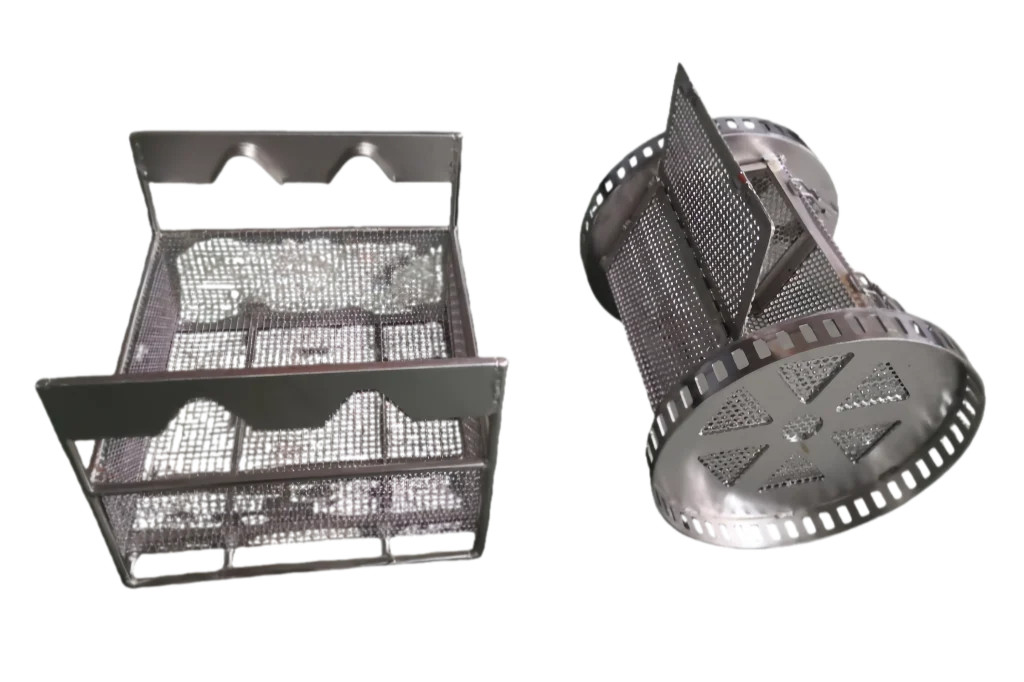
The design of Cleaning Baskets has a direct impact on cleaning efficiency and part safety. We customize baskets to fit workpiece shape, weight, and cleaning requirements. Circular baskets facilitate rotation for parts with blind holes, while square baskets suit plate type or collision sensitive components. Materials like stainless steel, PP, PVDF, or PTFE are selected for chemical resistance and temperature tolerance. Proper basket design prevents part collision and ensures optimal exposure to cleaning media.
Contact Us for Advanced Cleaning Solutions
Ready to optimize your industrial cleaning process with superior technology? Contact Suzhou Grintek Environmental Technology Co.,Ltd. today for a consultation or to learn more about our range of ultrasonic cleaning systems tailored to your specific needs. With 20+ years of R&D experience and 28 technical patents, GTKCLEAN is your trusted global partner for advanced cleaning solutions. Reach out to us at +86 17768507147 or [email protected].
FAQs
1. How does ultrasonic cleaning compare to traditional cleaning methods?
Ultrasonic cleaning offers superior precision, efficiency, and consistency compared to manual scrubbing or spray washing, especially for complex geometries and delicate parts. It reduces labor, cuts chemical usage, and often achieves a deeper clean without surface damage. (Authority: GTKCLEAN's experience in providing superior cleaning performance.)
2. What factors should I consider when choosing an ultrasonic cleaning system?
Key factors include the size and type of parts, the level of cleanliness required, the contaminants to be removed, the desired throughput, and the available space. Frequency, power, tank size, and automation level are critical specifications. (Data: Reference GTKCLEAN's wide range and customization options.)
3. Can ultrasonic cleaning damage my parts?
When configured with the correct frequency, power, and cleaning solution, ultrasonic cleaning is safe for most materials. However, improper settings or overly long cycles can potentially cause damage to very delicate or highly polished surfaces. Consulting with experts like GTKCLEAN ensures optimal and safe operation.
 English
  German
  Spanish
  French
  Russian
  Portuguese