
Clean parts keep quality steady and downtime low. Choosing the right industrial cleaning equipment takes a clear read on both the technology and the specific job, which is where our 20+ years of R&D and 28 technical patents make a difference. We build end-to-end automated solutions and supply ultrasonic cleaning systems, solvent cleaning systems, and conveyor belt cleaning systems for a wide range of production needs. What follows covers how ultrasonic cleaning works, the components and system types available, where it fits best, how to select and customize a system, and how we support integration and control.
Understanding Ultrasonic Cleaning Systems
Ultrasonic cleaning uses high-frequency sound waves to achieve superior cleanliness. The process removes contaminants from intricate geometries that are hard to reach by other means. We design systems that integrate into production lines, delivering consistent, efficient cleaning.
The Science Behind Cavitation
Ultrasonic cleaning relies on cavitation, where high-frequency sound waves generate microscopic bubbles within a liquid. These bubbles grow and then collapse violently, releasing energy. That implosion creates a powerful scrubbing action that lifts contaminants from surfaces. It reaches into complex parts, including blind holes and internal features.
Key Components and Their Functions
An ultrasonic cleaning system includes several core elements. Transducers convert electrical energy into high-frequency sound waves. Generators power the transducers and manage ultrasonic frequency and power. Cleaning tanks hold the parts and the chosen solution. Specialized cleaning solutions support cavitation and dissolve targeted contaminants.
Different Types of Ultrasonic Cleaners
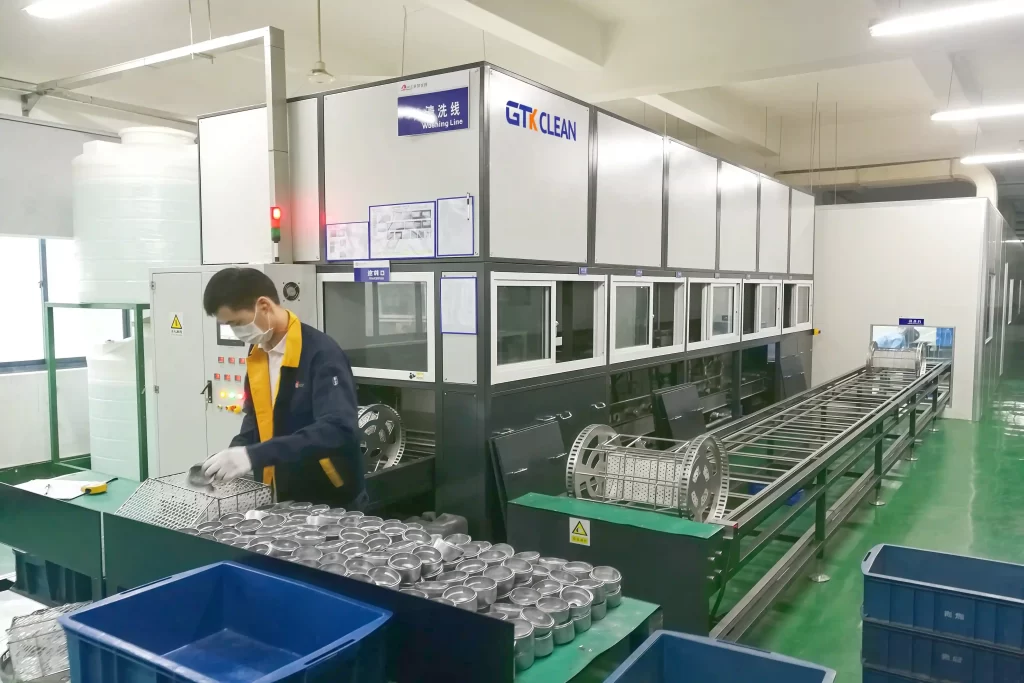
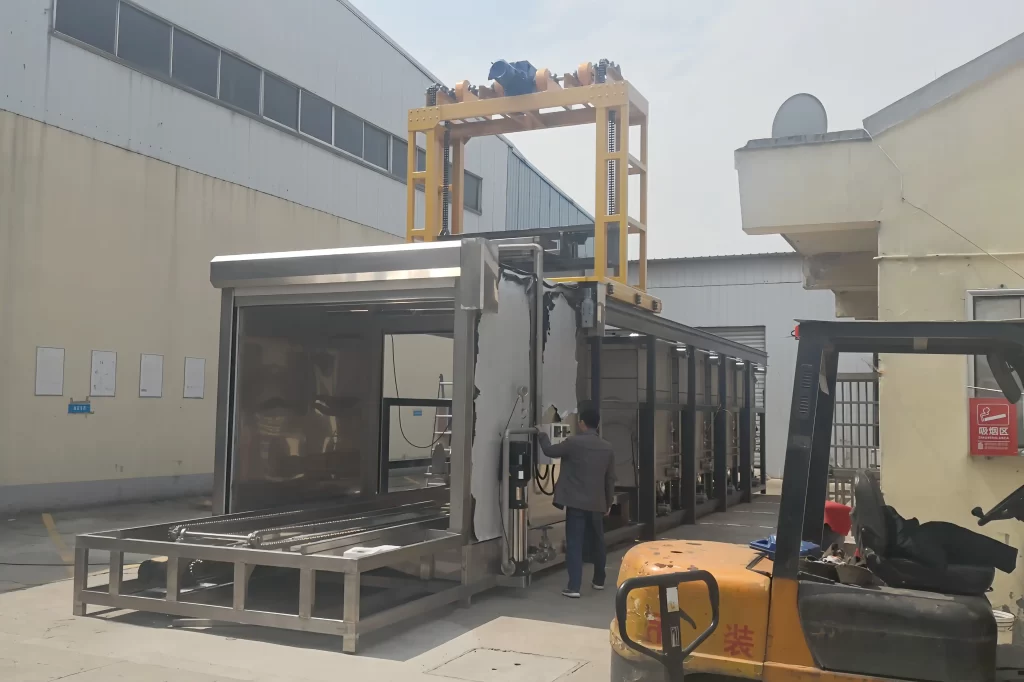
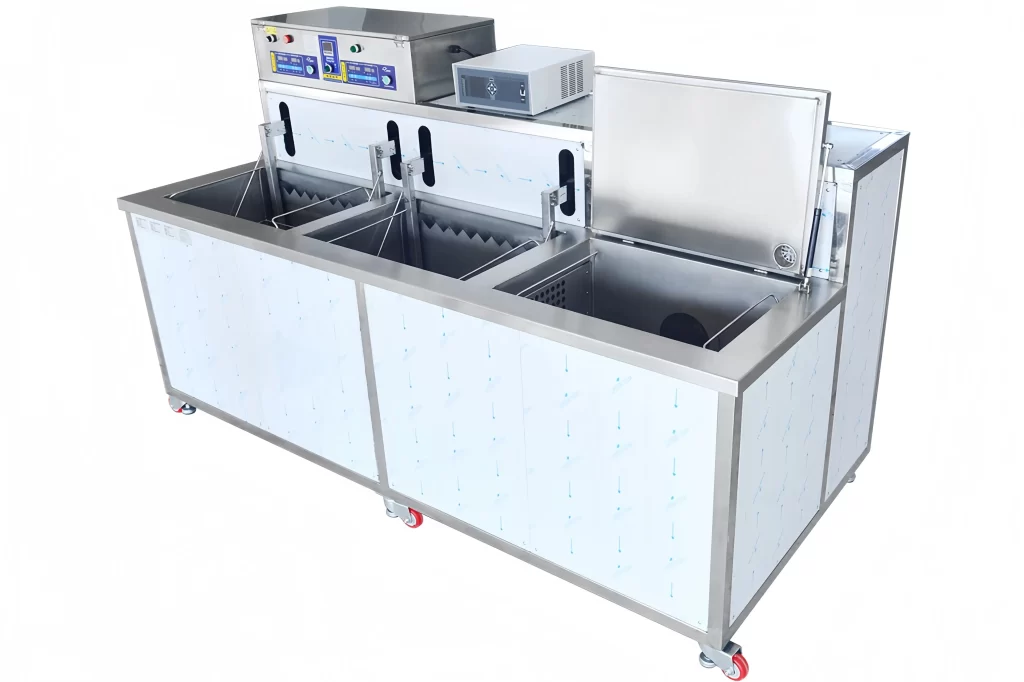
We offer a range of ultrasonic cleaners for varied industrial needs. Benchtop units, with capacities from 30L to 187L, suit smaller batches. Industrial systems handle larger volumes and heavier parts, up to 2000 kg. Multi-stage cleaners provide full cleaning, rinsing, and drying cycles. Automated systems, like our Rotary Basket Ultrasonic Cleaning Systems and Conveyor Belt Ultrasonic Cleaning machine, integrate into production lines for maximum efficiency.
Benefits of Industrial Ultrasonic Cleaning
Industrial ultrasonic cleaning outperforms conventional methods on many fronts. These systems boost cleaning performance, support environmental goals, and cut operating costs.
Enhanced Cleaning Performance and Efficiency
Ultrasonic cleaning achieves superior cleanliness, especially for parts with complex geometries, deep holes, and narrow crevices. Cavitation reaches areas sprays or manual cleaning can’t access. This approach reduces manual labor and shortens cleaning cycles. We see steady, high-quality outcomes that reduce rework and raise overall productivity.
Environmental and Safety Advantages
Our ultrasonic systems prioritize environmental responsibility and worker safety. Many systems use aqueous solutions, lowering dependence on harsh chemicals. Overflow rinsing and circulation filtration systems reduce water and detergent consumption. The result is less waste and a safer workplace.
Cost-Effectiveness and Longevity
Investing in ultrasonic cleaning systems pays off over time. Longer solution life, reduced water use, and lower labor needs improve operating efficiency. By cleaning parts thoroughly, these systems help prevent premature wear and extend component lifespan. That reduces maintenance and replacement costs.
Applications Across Industries
Ultrasonic cleaning systems serve industries that demand high cleanliness. We tailor solutions to each application to achieve the required results.
- Manufacturing and Automotive: We clean engine blocks, gearboxes, machined components, and fasteners. Our systems remove cutting fluids, chips, and oils to prepare parts for subsequent processes.
- Medical and Pharmaceutical: Precision cleaning of surgical instruments, implants, and pharmaceutical components is required. Our systems remove biological residues and contaminants.
- Electronics and Aerospace: Delicate electronic components, circuit boards, and aerospace parts need careful handling. We provide solutions that protect sensitive materials while achieving ultra-high cleanliness.
Choosing the Right Ultrasonic Cleaning System
Selecting the appropriate ultrasonic cleaning system is key to meeting cleanliness targets and keeping throughput on pace. We support this process with practical guidance and customizable options.
Factors to Consider for Your Application
Several factors drive system selection. Start with the material and size of the parts to be cleaned. Identify the type and amount of contamination. Define the required cleanliness level and throughput. Factor in budget constraints and available floor space.
Customization and Automation Options
We specialize in designing Custom Ultrasonic Cleaners that match your operational needs. Our engineers develop tailored solutions, including multi-stage and fully automated systems. These can integrate with existing production lines to optimize workflow and reduce manual intervention. We leverage advanced PLC controls and remote upgrade capabilities for smooth operation.
FAQs
What is the primary cleaning mechanism of an ultrasonic system?
Ultrasonic cleaning primarily works through cavitation, where high-frequency sound waves create and collapse millions of microscopic bubbles in a cleaning solution. These implosions generate a powerful scrubbing action that dislodges contaminants from surfaces, even in intricate areas.
How does ultrasonic cleaning compare to traditional cleaning methods?
Ultrasonic cleaning delivers greater precision and efficiency than manual scrubbing or spray washing. It reaches complex geometries, reduces chemical usage, and often produces faster, more consistent results with less labor, making it both environmentally friendly and cost-effective over time.
Can ultrasonic cleaning damage delicate parts?
When configured with the correct frequency, power, and cleaning solution, ultrasonic cleaning is safe for a wide range of delicate materials. GTKCLEAN’s expertise ensures systems are set up to clean effectively without causing damage, including for sensitive electronic components and medical instruments.
What types of contaminants can ultrasonic systems remove?
Ultrasonic cleaning systems effectively remove oils, greases, waxes, metal chips, carbon deposits, dust, dirt, and even some rust and oxides. The cleaning solution selected is key to optimizing removal of specific contaminants.
How do I choose the right ultrasonic cleaning system for my industry?
Selecting the right system depends on the parts being cleaned, the contaminants involved, required cleanliness levels, production volume, and available space. GTKCLEAN designs comprehensive, automated cleaning equipment and offers expert consultation to help you choose or customize the ideal system for your industrial application.
Experience the GTKCLEAN Advantage
See how GTKCLEAN’s 20+ years of R&D and 28 technical patents can improve your industrial cleaning processes. Contact us today for a tailored ultrasonic cleaning solution that meets your specific needs and surpasses your cleanliness requirements. Email: [email protected], Phone: +86 17768507147.
 English
  German
  Spanish
  French
  Russian
  Portuguese