
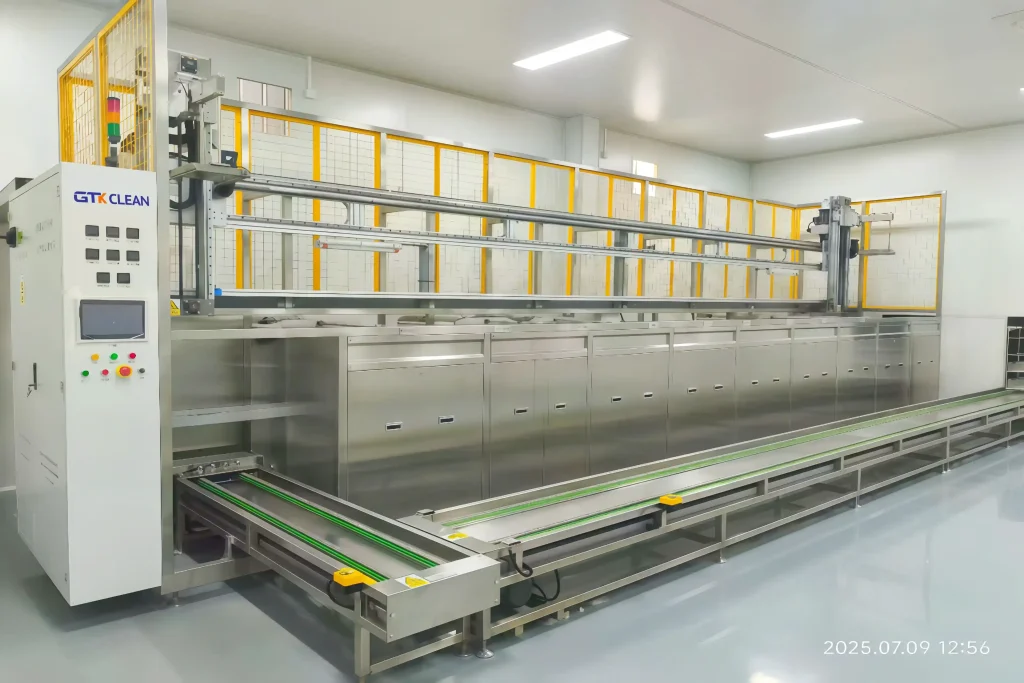
What Are the Common Cleaning Processes for Ultrasonic Cleaners?
Cleaning refers to the removal of liquid and solid contaminants from workpiece surfaces to achieve a required level of cleanliness.The cleaning process involves complex physical and chemical interactions between the cleaning medium, surface contaminants, and the workpiece itself.
Cleaning results depend on many factors: the nature, type, form and adhesion strength of contaminants; the physical and chemical properties of the cleaning solution; workpiece material and surface condition; as well as operating conditions such as temperature, pressure, ultrasonic vibration and mechanical force.
Traditional cleaning methods include soaking, air jet flushing, flow rinsing, brushing, spraying, mist cleaning, vacuum cleaning and high-pressure water jet washing. Among all options, ultrasonic cleaning is globally recognized as the most advanced cleaning technology available today.
Ultrasonic cleaning equipment relies on physical cavitation combined with professional cleaning chemicals to deliver far superior cleaning performance.For optimal results, customized process planning is essential. Cleaning procedures must be adjusted according to workpiece material, surface condition and cleanliness requirements.
In general, the cleaning workflow is determined by how difficult the parts are to clean and production volume.
The standard process steps are listed below:
- Hot Soaking / Spray Pre-Cleaning: Softens, separates and dissolves surface contaminants to reduce the workload of subsequent cleaning stages.
- Ultrasonic Cleaning: Intense cavitation and high-frequency vibration strip away grime, while breaking down and emulsifying oil and grease.
- Cold Rinsing: Flushes loose surface residues away with continuous fresh running water.
- Ultrasonic Rinsing: Uses clean water to remove fine debris from edges, corners and tiny gaps through ultrasonic agitation.
- Hot & Cold Fresh Water Rinsing: Further eliminates fine particulate contaminants attached to workpiece surfaces.
- Hot Air Drying: Rapidly dries components with controlled temperature and airflow speed.
Below are 10 mature, widely adopted ultrasonic cleaning processes for common industrial applications:
- EV Wheel Hub:Ultrasonic Cleaning → Ultrasonic Rinsing → Air Dewatering → Hot Air Drying
- Hardware Stamped Parts:Rough Ultrasonic Cleaning → Fine Ultrasonic Cleaning → Spray Rinsing → Ultrasonic Rinsing (twice) → Air Blowing → Hot Air Drying
- Titanium Alloy Stamped Components:Hot Soaking (twice) → Bubble Rinsing → Rough Ultrasonic Cleaning → Fine Ultrasonic Cleaning → Spray Rinsing → Ultrasonic Rinsing → Air Blowing → Hot Air Drying
- Galvanized Sheet Metal:Degreasing Pre-Cleaning → Rough Ultrasonic Cleaning → Fine Ultrasonic Cleaning → Ultrasonic Rinsing (twice) → Hot Rinsing → Anti-Rust Soaking → High-Speed Air Knife Dewatering → Hot Air Drying
- Metal Stamped Workpieces:Ultrasonic Degreasing → Bubble Rinsing → Ultrasonic Rinsing → Acid Cleaning → Bubble Rinsing → Multi-Stage Fresh Water Rinsing → Air Knife Dewatering → Hot Air Drying
- Laptop Housing Parts:Rough Ultrasonic Cleaning → Fine Ultrasonic Cleaning → Ultrasonic Rinsing (twice) → Air Knife Dewatering → Warm Air Drying
- Capacitor Housings:Bubble Pre-Cleaning → Rough Ultrasonic Cleaning → Fine Ultrasonic Cleaning → Bubble Rinsing → Ultrasonic Rinsing → Air Knife Dewatering → Hot Air Drying
- Cast Iron Parts:Spray Cleaning → Multi-Stage Spray Rinsing → Dewatering → Hot Air Drying → Oil Spraying → Cooling
- Optical Glass (Pre-Coating Treatment):Water-Based Ultrasonic Cleaning (twice) → Tap Water Ultrasonic Rinsing → Pure Water Ultrasonic Cleaning → Multi-Stage DI Water Ultrasonic Rinsing → IPA Ultrasonic Dewatering (three cycles) → 141B Vapor Slow Pull Drying.
- Stainless Steel Polished Components:Hot Water Soaking → Ultrasonic Cleaning → Ultrasonic Rinsing (twice) → Hot Water Rinsing → Air Knife Dewatering → High-Temperature Drying
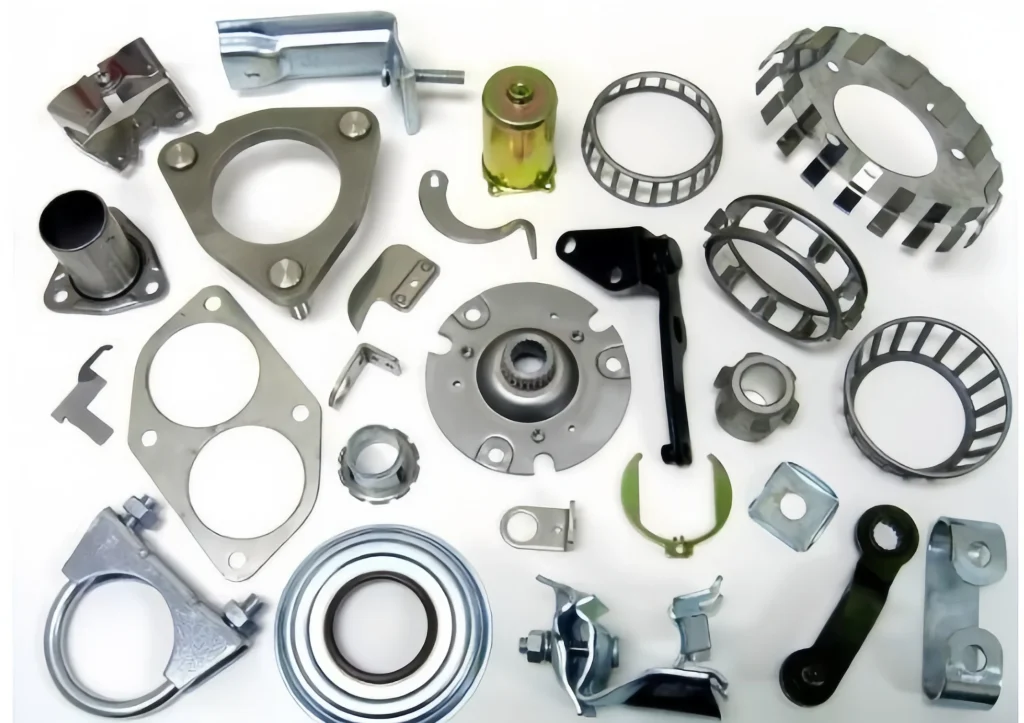
-------Metal Stamped Parts Cleaning-------
Advantages of Ultrasonic Cleaning
Compared with chemical, physical, electrochemical and other conventional cleaning methods, ultrasonic cleaning offers distinct benefits:
- Removes all types of surface dirt quickly and thoroughly.
- Cleans complex precision parts with cavities, grooves and intricate structures, without damaging workpiece surfaces.
- Reduces overall pollution and lowers health risks caused by harsh chemical solvents.
- Compatible with various cleaning agents to meet diverse needs, such as degreasing, rust removal and phosphating treatment.
- Greatly cuts labor costs, eliminates safety hazards, and saves solvent, consumables, energy and workshop space.
We appreciate your trust and support. We’re ready to communicate openly and partner with you on all your equipment needs.
You may contact us by email ([email protected]) or WhatsApp (+86 17768507147) for custom ultrasonic cleaning solutions.
Q&A — Ultrasonic Cleaning Technology
Q: What adhesive is used for bonding ultrasonic transducers?
A: Specialized AB glue designed exclusively for ultrasonic transducers is strongly recommended. This type of transducer adhesive, widely sourced from Singapore brands, is the most common option in the industry.
Q: How to verify proper transducer bonding?
A: Professional testing instruments such as impedance analyzers can check admittance curves for accurate evaluation, though relevant operational experience is required for accurate judgment.
Q: How to inspect whether an ultrasonic transducer is working properly?
A: Without professional testing equipment, perform a visual inspection for cracks or damage, and monitor operating current for basic condition assessment.
Q: What other names are used for ultrasonic transducers?
A: They are most commonly referred to as ultrasonic transducers or ultrasonic vibration plates.
Q: Where can ultrasonic transducers be installed?
A: Transducers can be mounted securely on any flat, solid metal surface in most industrial scenarios.
 English
  German
  Spanish
  French
  Russian
  Portuguese