
Industrial solvent cleaning systems sit at the center of precision manufacturing workflows. When they fail—whether through solvent degradation, mechanical breakdown, or compliance gaps—the consequences ripple through production schedules, reject rates, and operating budgets. Most of these failures follow predictable patterns, and most can be prevented with the right system design and maintenance discipline. This article walks through the common failure modes I encounter in the field and the engineering approaches that address them.
Why Solvent Degradation Cuts Cleaning Performance Before You Notice It
Solvent purity determines cleaning efficacy. When contamination accumulates—oils, greases, particulates from workpieces, atmospheric moisture—the solvent's dissolving capacity drops. Parts come out with residue. Cycle times stretch. Operators compensate by running extra passes or increasing temperature, which accelerates degradation further. The feedback loop ends with premature solvent replacement and disposal costs that should have been avoidable.
I worked with an automotive parts manufacturer whose hydrocarbon solvent was degrading faster than their consumption models predicted. The root cause was straightforward: insufficient filtration combined with an open-top tank design that let airborne contaminants settle into the bath. We retrofitted a closed-loop system with multi-stage filtration and vacuum distillation. Solvent life extended by over 70%. Their annual solvent purchase and disposal costs dropped accordingly.
The signs of degradation are consistent across applications: cleaning power drops, residue appears on parts that used to come out clean, the solvent darkens or develops an off-odor. More technical indicators include rising boiling point, increased acidity, and sludge formation at the tank bottom. Catching these early—through scheduled testing rather than waiting for cleaning failures—keeps the system operating in its designed performance envelope.
GTKCLEAN's solvent cleaning systems integrate distillation and multi-stage filtration specifically to extend solvent life and maintain consistent cleaning results across production runs.
What Causes Unplanned Downtime and How to Prevent It
Unplanned downtime in cleaning systems carries a cost multiplier: direct repair expenses, production delays, expedited shipping for replacement parts, and the labor hours spent diagnosing problems that could have been caught earlier. The failure modes are mechanical (pump wear, heater element burnout, seal degradation) and electrical (control system faults, sensor drift, wiring failures). Both respond to preventative maintenance, but only if the maintenance schedule matches actual operating conditions rather than generic manufacturer recommendations.
| Malfunction Type | Common Causes | Solutions |
|---|---|---|
| Poor Cleaning | Contaminated solvent, incorrect temperature, improper cycle time | Solvent recovery, temperature calibration, process optimization |
| Pump Failure | Clogging, wear and tear, electrical issues | Regular filter changes, scheduled component replacement, electrical checks |
| Heating Issues | Heater element failure, sensor malfunction | Element replacement, sensor calibration, control system diagnostics |
| Leaking Tanks | Corrosion, faulty seals, material fatigue | Regular inspection, material compatibility checks, tank repair or replacement |
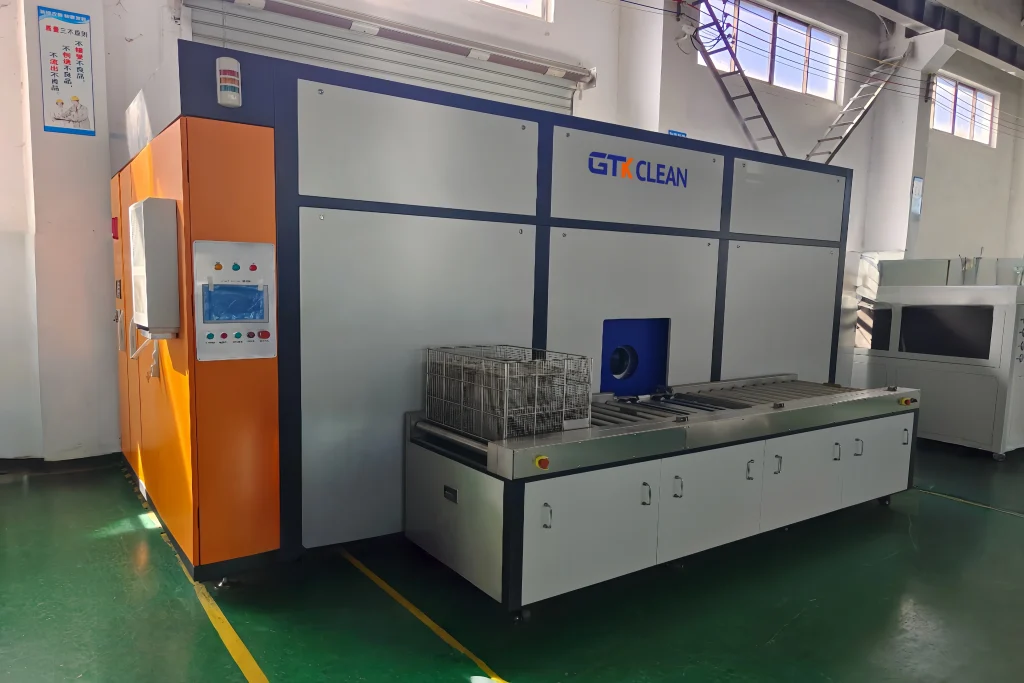
Our Hydrocarbon Solvent Ultrasonic Vacuum Cleaners address several of these failure modes through design rather than relying solely on maintenance discipline. Multi-stage precision filtration reduces pump loading and extends component life. Built-in vapor condensation for solvent recovery keeps the system closed, reducing thermal cycling stress on seals. The HMI interface with remote monitoring capability allows operators to spot parameter drift—temperature anomalies, pressure drops, cycle time extensions—before they escalate into failures requiring emergency service calls.
Daily solvent level checks and visual contamination assessment should be standard practice. Filter changes on a weekly or bi-weekly schedule, depending on throughput and contamination load, prevent the gradual performance decline that operators often attribute to other causes. Monthly pump and heater inspections catch wear before failure. Annual comprehensive overhauls, including seal replacement and control system calibration, reset the system to baseline performance.
How Closed-Loop Systems Address Compliance and Worker Safety Requirements
Environmental and safety regulations governing solvent cleaning systems have tightened steadily over the past two decades. VOC emission limits, hazardous waste disposal requirements, and workplace exposure standards all constrain how cleaning systems can be designed and operated. The compliance burden falls differently on open-top versus closed-loop systems, and the gap continues to widen as regulations become more stringent.
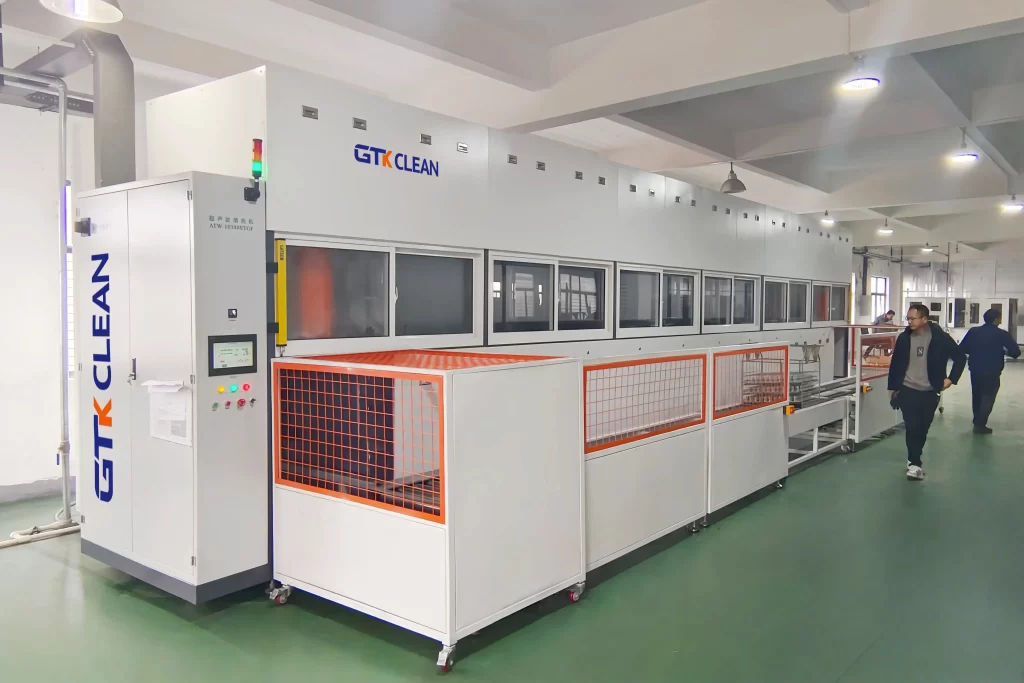
Open-top systems release solvent vapor into the workspace continuously during operation. Meeting exposure limits requires either aggressive ventilation (with associated energy costs and the problem of where those vapors ultimately go) or personal protective equipment that slows operators and creates its own compliance documentation requirements. Closed-loop systems contain vapors within the system, recovering them through condensation rather than exhausting them.
GTKCLEAN's Multi-Tank Hydrocarbon Ultrasonic Cleaners run fully automated sequences from loading through drying, with recirculation filtration, temperature control, gas monitoring, and exhaust handling integrated into the system design. Operator exposure to solvents drops to the brief moments of loading and unloading, and even those can be further reduced with automated material handling. VOC emissions stay within limits that would be difficult to achieve with open-top alternatives.
The regulatory landscape varies by jurisdiction. In the United States, EPA regulations govern air emissions and hazardous waste disposal, while OSHA sets workplace exposure limits and ventilation requirements. European operations fall under REACH regulations for chemical handling and national implementations of EU directives on industrial emissions. The common thread across jurisdictions is a preference for source reduction—preventing emissions rather than capturing them after release—which closed-loop systems deliver inherently.
Where Process Optimization Delivers Measurable Cleaning Improvements
Cleaning performance problems often trace back to process parameters rather than equipment failures. Incorrect solvent selection for the contaminant type, temperature settings that fall outside the optimal range for the solvent-contaminant combination, cycle times that are either too short (leaving residue) or too long (wasting energy and throughput)—these are specification problems, not maintenance problems, and they require a different diagnostic approach.
Our Rotary Basket Ultrasonic Cleaners illustrate how equipment design can reduce process variability. The 360° rotary cleaning action ensures solvent reaches blind holes and recesses that static immersion would miss. Full automation of the load-clean-rinse-dry sequence eliminates operator variation in timing and handling. Integrated filtration and circulation maintain solvent quality within the tank, so cleaning performance stays consistent across shifts rather than degrading as the bath accumulates contamination.
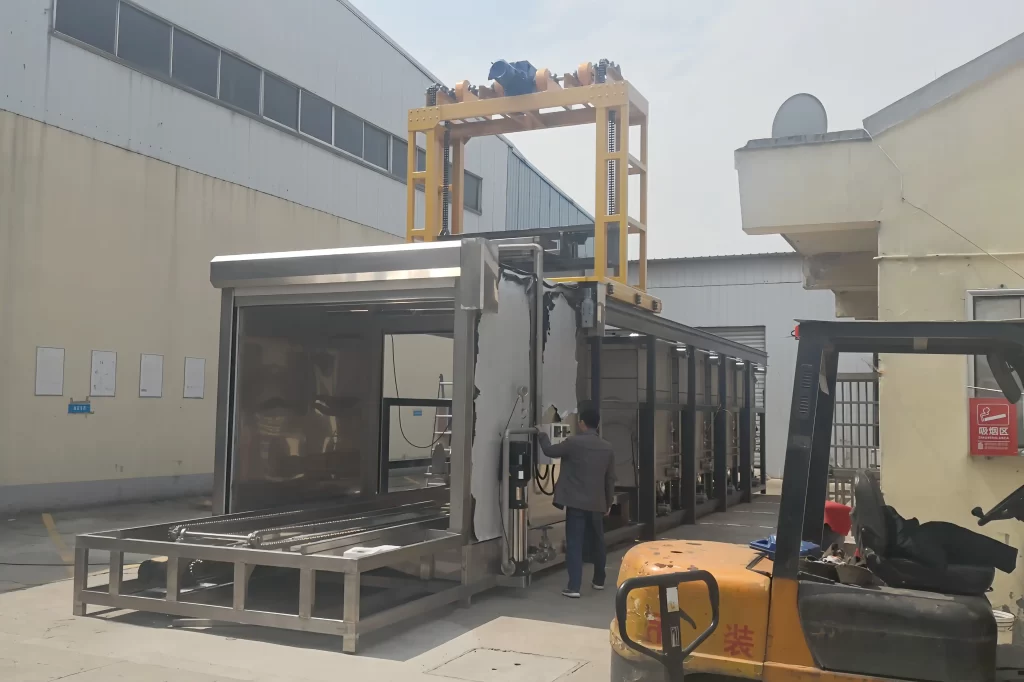
The efficiency gains from process optimization compound over time. Consistent cleaning quality reduces rework and rejects. Standardized cycle times allow accurate production scheduling. Lower energy consumption per part cleaned improves unit economics. When cleaning performance is variable, production planners build in buffers that consume capacity; when it is predictable, those buffers can be reallocated to productive work.
How Vacuum Distillation and Closed-Loop Recovery Reduce Solvent Consumption
Solvent consumption in traditional open-top systems includes both the solvent that leaves with cleaned parts (dragout) and the solvent that evaporates during operation. Dragout is largely a function of part geometry and withdrawal speed; evaporation is a function of surface area, temperature, and air movement across the bath. Closed-loop systems with vapor recovery address the evaporation component directly, and vacuum distillation addresses the contamination that would otherwise require solvent replacement.
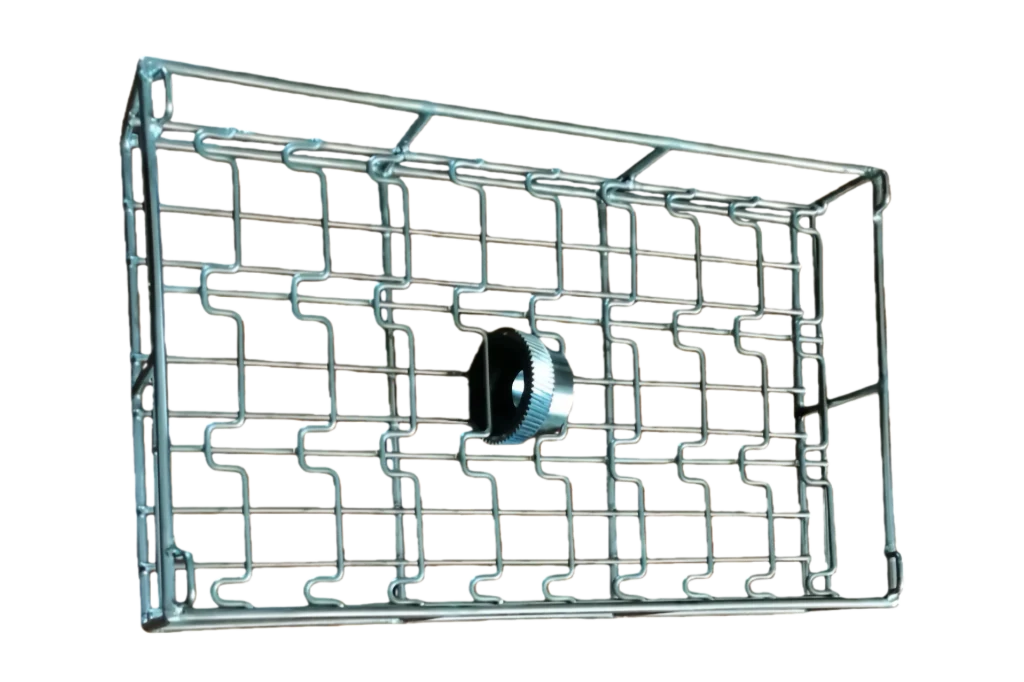
Our Hydrocarbon Solvent Ultrasonic Vacuum Cleaners integrate ultrasonic cleaning, vacuum vapor cleaning, and drying in a single station. The built-in vapor condensation and vacuum distillation system recovers solvent that would otherwise be lost to evaporation or disposed of as contaminated waste. For a system with an 1800-liter initial capacity, this recovery capability can reduce solvent consumption by up to 200 liters per month compared to open-top alternatives operating at similar throughput.
The environmental benefit is straightforward: less solvent purchased means less solvent manufactured, transported, and eventually disposed of. The economic benefit follows the same logic, with the additional advantage that solvent recovery systems reduce exposure to solvent price volatility. When solvent costs spike, closed-loop systems absorb less of that increase than open-top systems that consume solvent at higher rates.
Frequently Asked Questions
Can different types of solvents be used in the same system?
Mixing solvent types in a single system creates problems that outweigh any convenience benefit. Chemical interactions between solvents can produce unexpected compounds, some of which may be hazardous or may attack seals and gaskets that were compatible with either solvent individually. Cleaning efficacy becomes unpredictable when the solvent composition varies. Recovery and recycling systems are calibrated for specific solvent properties; mixed solvents may not distill cleanly or may leave residues that contaminate subsequent batches. If your application requires multiple solvent types, dedicated systems for each type, or thorough cleaning and purging between solvent changes, are the reliable approaches.
What are the benefits of automated solvent cleaning systems?
Automation addresses the variability that manual operation introduces. Cycle times, temperatures, and agitation patterns repeat exactly across every batch, so cleaning results are reproducible rather than dependent on operator attention and technique. Labor costs drop because operators load and unload rather than monitoring and adjusting throughout the cycle. Safety improves because human exposure to solvents is limited to brief handling periods rather than continuous presence at an open bath. Process data logging, which automation enables, supports both quality documentation and troubleshooting when problems do occur.
How does a closed-loop solvent system reduce environmental impact?
Closed-loop systems keep solvent within the system rather than releasing it to the atmosphere or disposing of it as waste. Vapor recovery through condensation captures solvent that would evaporate from an open bath. Continuous filtration removes particulates that would otherwise accumulate until the bath required replacement. Distillation separates dissolved contaminants from the solvent, allowing the clean solvent to return to service. The net effect is lower solvent consumption, fewer hazardous waste shipments, and reduced VOC emissions, all of which translate to a smaller environmental footprint per part cleaned. If your current cleaning process involves frequent solvent replacement or significant vapor losses, a closed-loop system is worth evaluating for both environmental and economic reasons. To discuss specific requirements, contact GTKCLEAN at [email protected] or +86 17768507147.
If you're interested, check out these related articles:
How to Choose Between Aqueous and Solvent Cleaning Systems
Ultrasonic Cleaning System Components Explained
 English
  German
  Spanish
  French
  Russian
  Portuguese