
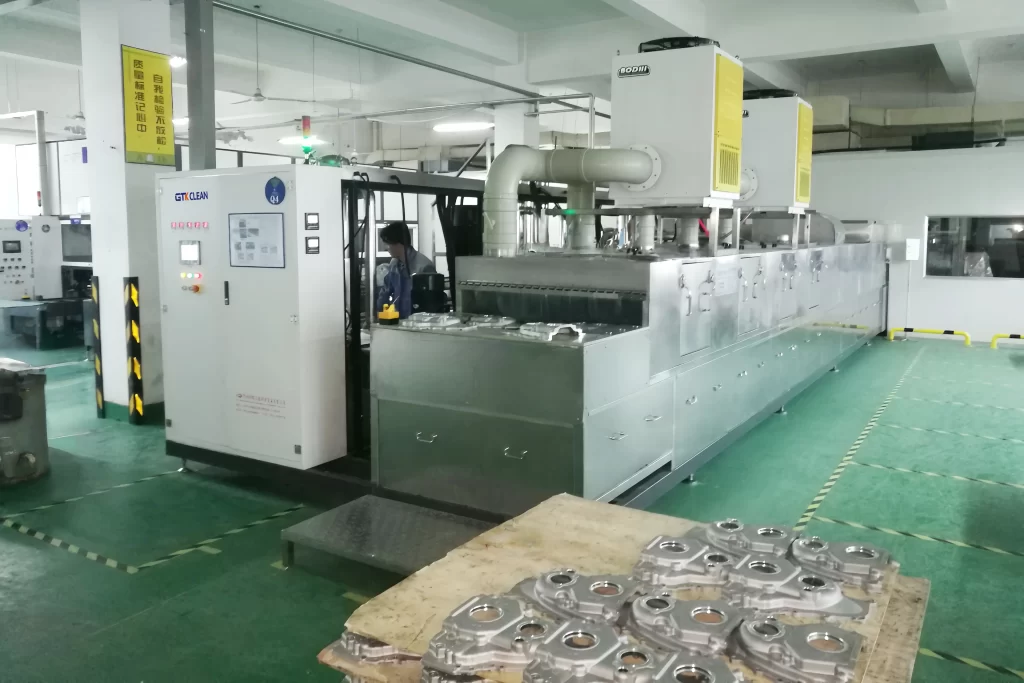
Conveyor belt cleaning sits at the center of every bulk material handling operation, yet it rarely gets the attention it deserves until something goes wrong. Material carryback builds up quietly, then suddenly you're dealing with spillage under return idlers, premature belt wear, and cleanup crews working overtime. The systems designed to prevent this range from simple blade scrapers to high-pressure water jets, each suited to different materials and operating conditions. Getting the selection right matters more than most operators realize—the wrong cleaner for sticky clay behaves very differently than one matched to dry aggregate.
Why Material Carryback Creates Compounding Problems
Effective conveyor belt cleaning is fundamental to industrial operations. Without proper cleaning, material carryback accumulates, leading to significant spillage and rising operational costs. This accumulation causes premature wear on conveyor components because abrasive particles grind against idlers, pulleys, and the belt itself with every rotation. Maintenance frequency increases, and so does downtime.
Uncontrolled material spillage also creates serious conveyor system safety risks. Spilled material forms slip hazards on walkways, and buildup around moving parts can trigger equipment malfunctions. Environmental compliance standards add another layer of pressure—fugitive dust and scattered material draw regulatory attention and potential fines.
Proactive preventative maintenance through advanced conveyor belt cleaning systems addresses these issues before they escalate. GTKCLEAN brings over 20 years of R&D experience in industrial cleaning to these challenges. That depth of work has shaped solutions that directly reduce carryback, improve safety outcomes, and extend equipment lifespan.
Matching Conveyor Belt Cleaning Systems to Operational Demands
Choosing the appropriate conveyor belt cleaning system requires understanding the various belt cleaner types and their applications. GTKCLEAN offers a comprehensive range of solutions, leveraging patented technologies for superior performance.
Primary belt cleaners mount at the head pulley discharge point, catching the bulk of carryback before it travels along the return strand. Secondary belt cleaners position further along the return path, removing finer residue that primary cleaners miss. Brush belt cleaners work well for materials that smear rather than scrape off cleanly.
Water spray cleaning systems handle stubborn, adhesive materials that mechanical scrapers struggle with. Custom cleaning solutions address situations where standard configurations fall short—unusual belt profiles, extreme temperatures, or chemically aggressive materials.
Each conveyor belt cleaning system is engineered to tackle specific material characteristics and operational environments. A cleaner that performs well on dry coal may fail completely on wet limestone.
What are the different types of conveyor belt cleaning systems available?
Mechanical belt scrapers remain the most common approach. Primary cleaners position at the head pulley, making first contact with the belt surface as it curves around the discharge point. Secondary cleaners mount downstream on the return run, providing additional cleaning where primary units leave residue behind.
Rotary brush cleaners use rotating bristles to dislodge fine, sticky materials that blade-style cleaners push around rather than remove. High-pressure water jets deliver intensive cleaning for stubborn residues, though they require water management infrastructure.
Segmented blade cleaners adapt to uneven belt surfaces, maintaining consistent contact where solid blades would skip over low spots. GTKCLEAN offers urethane belt cleaners for general applications and tungsten carbide belt cleaners where extreme abrasion demands harder blade materials.
For more detailed insights into how different cleaning mechanisms work, you may find our article on 《What Is the Principle of an Ultrasonic Cleaning Machine?》 particularly informative.
Critical Parameters for Conveyor Belt Cleaning System Selection
Selecting the optimal conveyor belt cleaning system involves evaluating several factors that interact with each other. Material characteristics come first—abrasiveness determines blade wear rates, stickiness affects cleaning mechanism choice, and moisture content influences whether scrapers or brushes perform better.
Belt speed matters more than many operators expect. High-speed belts generate heat at the blade contact point, affecting both cleaning effectiveness and blade material selection. Slow belts allow more contact time but may permit material to re-adhere.
The application environment shapes material choices for every component. Temperature extremes, humidity levels, and corrosive agents all affect durability. A urethane blade that lasts months in a dry aggregate plant may degrade within weeks in a chemical processing facility.
Adherence to industry standards for conveyor cleaning and regulatory requirements is non-negotiable in many sectors. GTKCLEAN's 20 years of R&D experience informs recommendations that account for these overlapping constraints.
What factors should be considered when selecting a conveyor belt cleaning system?
Belt material compatibility prevents premature wear or damage to both the cleaner and the belt itself. Rubber belts tolerate aggressive blade materials that would destroy PVC or fabric-reinforced surfaces.
The properties of conveyed material drive most selection decisions. Abrasive materials demand harder blade materials like tungsten carbide. Sticky materials often require brush systems or water assist rather than blade-only approaches.
Operating conditions including belt speed optimization and environmental factors shape system design. A conveyor belt cleaning system running in a freezing outdoor environment needs different materials and tensioning mechanisms than one inside a heated processing plant.
Budget constraints and long-term maintenance costs affect economic viability. Cheaper systems often cost more over their service life through frequent blade replacement and increased downtime. Adequate maintenance access matters for routine inspections and wear parts replacement—a cleaner that's difficult to reach gets neglected.
Installation Quality and Maintenance Discipline Drive Results
Maximizing the performance of conveyor belt cleaning systems depends heavily on correct installation, routine maintenance, and effective troubleshooting. These factors often determine whether a system delivers its rated performance or becomes another maintenance headache.
Proper installation best practices ensure cleaners are correctly aligned and tensioned from day one. Misalignment causes uneven blade wear and leaves strips of uncleaned belt surface. Incorrect tension either fails to maintain adequate contact or wears blades prematurely through excessive pressure.
Establishing preventative maintenance schedules keeps conveyor belt cleaning systems performing consistently. Regular inspections of blades, tensioners, and mounting hardware catch problems before they cause spillage or belt damage. Timely wear parts replacement maintains cleaning efficacy—waiting until blades are completely worn means running with degraded performance for weeks or months.
GTKCLEAN designs systems for minimal upkeep and maximum uptime. Comprehensive guides support system optimization, and technical support addresses troubleshooting belt cleaners for common issues like material buildup, blade wear patterns, or belt damage.
Financial and Safety Returns from Proper Conveyor Belt Cleaning
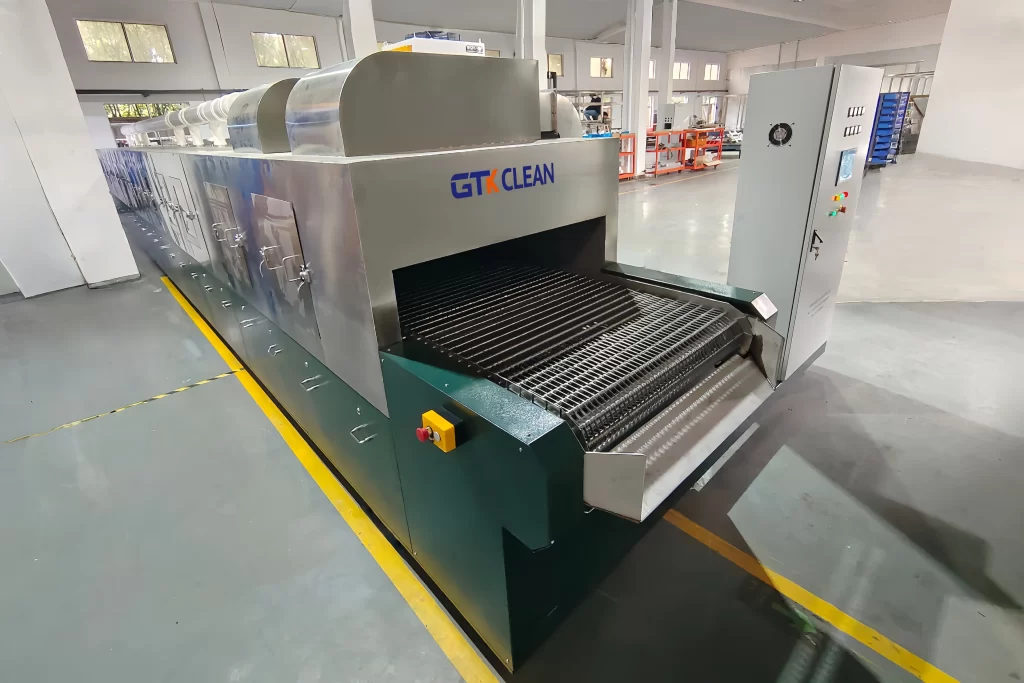
Investing in effective conveyor belt cleaning systems yields measurable return on investment. The numbers become clear when you track material loss, cleanup labor, and maintenance costs before and after installation.
Minimizing material spillage reduces raw material loss directly. In operations handling valuable materials, recovered carryback pays for cleaning equipment within months. Associated cleanup costs drop as well—fewer workers spending fewer hours shoveling spillage.
Enhanced safety compliance follows naturally from cleaner conveyor paths. Reduced trip and slip hazards create a safer workplace and lower incident rates. This also contributes to environmental sustainability by reducing dust emissions and preventing contamination of surrounding areas.
Effective conveyor belt cleaning leads to reduced downtime for maintenance and repairs. Belts last longer when they're not grinding against accumulated material. Idlers and pulleys experience less wear. Labor cost savings from decreased manual cleanup efforts add to the financial case. GTKCLEAN solutions deliver these quantifiable benefits through engineering focused on sustainable and efficient operations.
How do conveyor belt cleaning systems improve operational efficiency and safety?
Conveyor belt cleaning systems enhance operational efficiency and safety by addressing problems at their source. Preventing material carryback reduces spillage and minimizes manual cleanup requirements, directly lowering labor costs.
Decreased equipment wear extends equipment longevity and reduces maintenance expenses. Clean belts prevent material accumulation that causes belt misalignment or damage, leading to fewer unplanned stoppages.
From a safety perspective, reduced spillage means fewer slip and trip hazards. Workers move through cleaner environments with better footing and visibility. Overall, these improvements contribute to smoother operations and measurable workplace safety improvements.
GTKCLEAN Brings Decades of Cleaning System Development
GTKCLEAN operates as a globally leading manufacturer in industrial cleaning equipment, serving clients from small enterprises to Global Fortune 500 corporations across over 20 countries. More than 20 years of dedicated R&D experience has produced 28 technical patents in industrial cleaning.
This patent portfolio reflects sustained commitment to superior cleaning performance rather than incremental improvements to existing designs. Independent design capability covers a comprehensive range of automated cleaning solutions, including advanced conveyor belt cleaning systems.
The depth of expertise allows GTKCLEAN to provide tailored, high-performance systems for diverse industrial needs. Custom conveyor cleaning systems address applications where standard products fall short. Expert consultation ensures optimal productivity and efficiency through proper system selection and integration.
Start a Conversation About Your Cleaning Challenges
GTKCLEAN's conveyor belt cleaning systems represent 20+ years of R&D and 28 technical patents applied to real operational problems. Contact our team at [email protected] or +86 17768507147 for a consultation focused on your specific materials, belt configurations, and performance requirements.
Frequently Asked Questions About Conveyor Belt Cleaning Systems
How often should conveyor belt cleaning systems be inspected or maintained?
Daily visual checks catch obvious problems like blade damage or mounting issues. Scheduled preventative maintenance every 1-3 months addresses wear patterns and tensioner adjustments, with frequency depending on operational conditions and material characteristics. Abrasive materials and high belt speeds push toward monthly intervals. GTKCLEAN systems feature easy access and minimal maintenance requirements, supporting consistent cleaning efficacy and prolonged system life.
Can conveyor belt cleaning systems be customized for specific industrial applications?
GTKCLEAN specializes in independently designing comprehensive automated cleaning equipment. Engineering teams work directly with clients to develop customized conveyor belt cleaning systems addressing unique material properties, belt configurations, and environmental challenges. This collaborative approach ensures maximum efficiency and regulatory compliance for applications that standard products cannot serve effectively.
What are the long-term benefits of investing in high-quality conveyor belt cleaning equipment?
Quality conveyor belt cleaning equipment from GTKCLEAN delivers compounding benefits over its service life. Reduced material spillage and waste improve material recovery. Extended conveyor belt lifespan delays major capital expenditures. Improved workplace safety reduces incident-related costs and regulatory exposure. Lower maintenance costs and enhanced operational efficiency translate to strong return on investment. Environmental impact decreases through reduced dust emissions and contamination prevention.
 English
  German
  Spanish
  French
  Russian
  Portuguese