
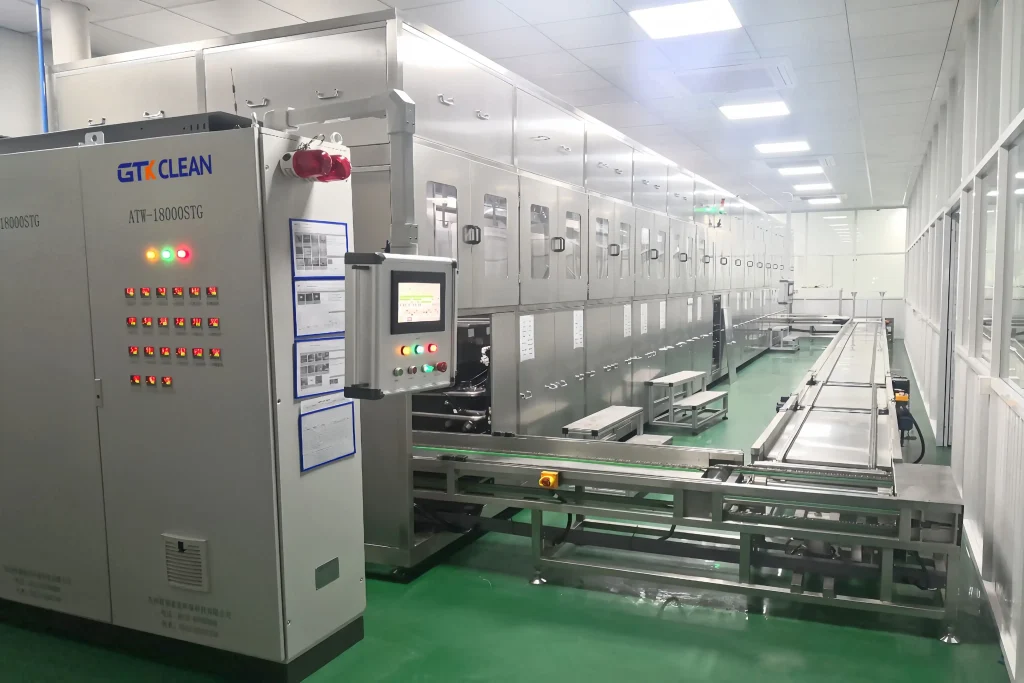
Manufacturers who delay automating their cleaning processes often discover the cost too late—through rejected batches, compliance failures, or workers exposed to chemicals they shouldn't handle. The shift toward automated industrial cleaning equipment isn't driven by trend-chasing. It's driven by the math: consistent cleaning cycles produce consistent parts, and consistent parts keep production lines moving. After two decades developing these systems at GTKCLEAN, we've watched this calculation play out across electronics facilities, medical device plants, and automotive suppliers. The companies that integrate automated cleaning solutions early tend to stay ahead of tightening regulations and rising quality expectations. Those that wait find themselves retrofitting under pressure.
Why Automated Cleaning Has Become Non-Negotiable
Production environments today operate under constraints that manual cleaning simply cannot reliably meet. When a medical device manufacturer needs to document that every component achieved a specific cleanliness threshold, human operators introduce variability that auditors notice. Automated industrial cleaning equipment removes that variability. Each cycle runs with identical parameters, producing results that can be validated and repeated.
The regulatory pressure is real. Industries requiring meticulous contamination control—electronics assembly, medical device manufacturing, automotive component production—face audits that scrutinize cleaning processes in detail. Automated cleaning systems provide the documentation trail these audits demand. Beyond compliance, there's the safety dimension. Workers no longer need to handle aggressive solvents or reach into cleaning tanks. Exposure drops, incident rates fall, and the liability picture improves.
These systems also fit naturally into Industry 4.0 architectures. Sensors track fluid conditions, cycle counts, and cleaning efficacy in real time. That data feeds into broader production monitoring systems, enabling adjustments before problems cascade downstream. This integration matters because cleaning isn't isolated—it connects directly to coating adhesion, assembly fit, and final product performance.
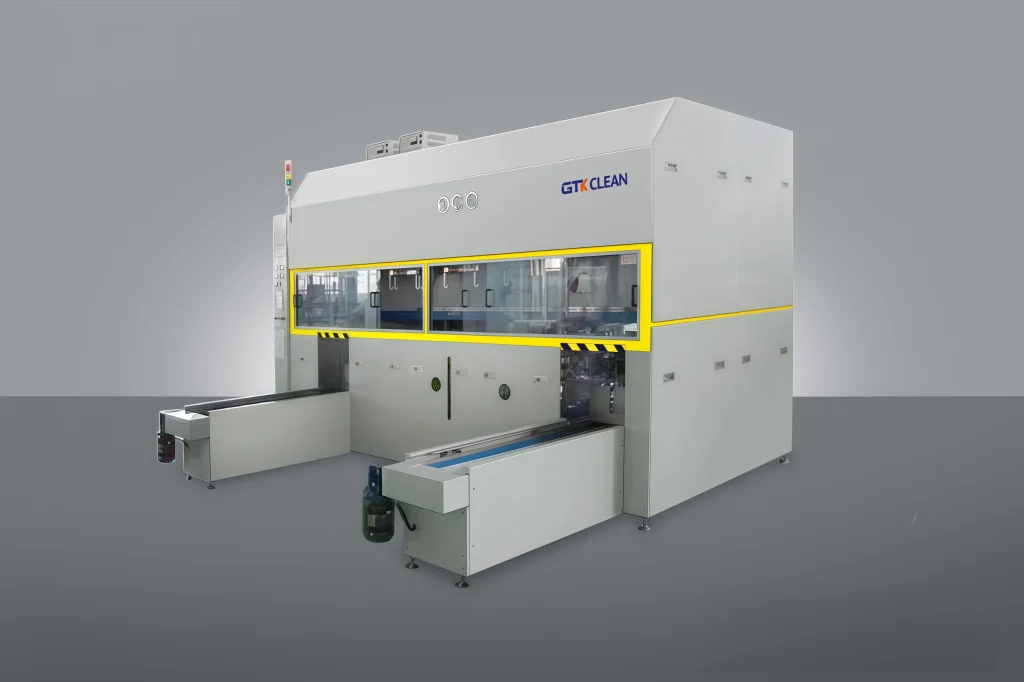
!Multi-tank hydrocarbon ultrasonic cleaning machine
 ## Evaluating Your Current Process Before Automation
Jumping straight to equipment selection without understanding your existing cleaning challenges usually leads to expensive mismatches. The assessment phase identifies what's actually causing problems—whether that's residual machining oils, particulate contamination from handling, or flux residues from soldering operations. Each contaminant type responds differently to cleaning technologies.
Part geometry drives technology selection more than most manufacturers initially realize. Components with blind holes, internal channels, or complex surface textures often fail to clean properly in spray systems. Ultrasonic cleaning systems work well here because cavitation reaches areas that direct spray cannot. The microscopic bubbles collapse with enough force to dislodge contaminants from recesses that would otherwise trap them.
Heavy grease accumulation from machining operations typically requires solvent cleaning systems. These handle petroleum-based residues that aqueous cleaners struggle with. For high-volume production where parts move continuously through the line, conveyor belt cleaning systems offer throughput that batch systems cannot match. The choice depends on your specific combination of parts, contaminants, and production rates.
We also look at floor space and utility availability. A system that performs perfectly in testing becomes a problem if it won't fit the allocated area or exceeds available electrical capacity. These practical constraints shape the final recommendation as much as the technical cleaning requirements.
Automated Cleaning Technology Comparison
| Technology | Primary Contaminants | Key Advantages | Typical Applications |
|---|---|---|---|
| Ultrasonic | Oils, chips, dust | Precision cleaning, deep penetration into complex geometries | Precision parts, medical devices, electronics |
| Solvent | Heavy grease, difficult residues | Effective degreasing of petroleum-based contaminants | Automotive, aerospace |
| Conveyor | General debris, surface oils | High throughput, continuous inline operation | Fasteners, general manufacturing |
If you want to understand the physics behind ultrasonic cleaning, 《What Is the Principle of an Ultrasonic Cleaning Machine?》 covers the cavitation mechanism in detail.
Moving from Selection to Operational Deployment
Implementation follows a sequence that minimizes disruption while validating performance before full commitment. After selecting the appropriate automated cleaning system based on assessment findings, detailed engineering work begins. This includes tank sizing, transducer placement for ultrasonic systems, conveyor speed calculations, and integration points with upstream and downstream equipment.
Pilot testing catches problems that calculations miss. Running actual production parts through the system reveals whether cleaning parameters achieve the required cleanliness levels. Surface tension measurements, particle counts, or other relevant tests confirm efficacy. This phase also identifies cycle time realities—theoretical throughput often differs from what happens when operators load parts, systems heat up, and fluids age.
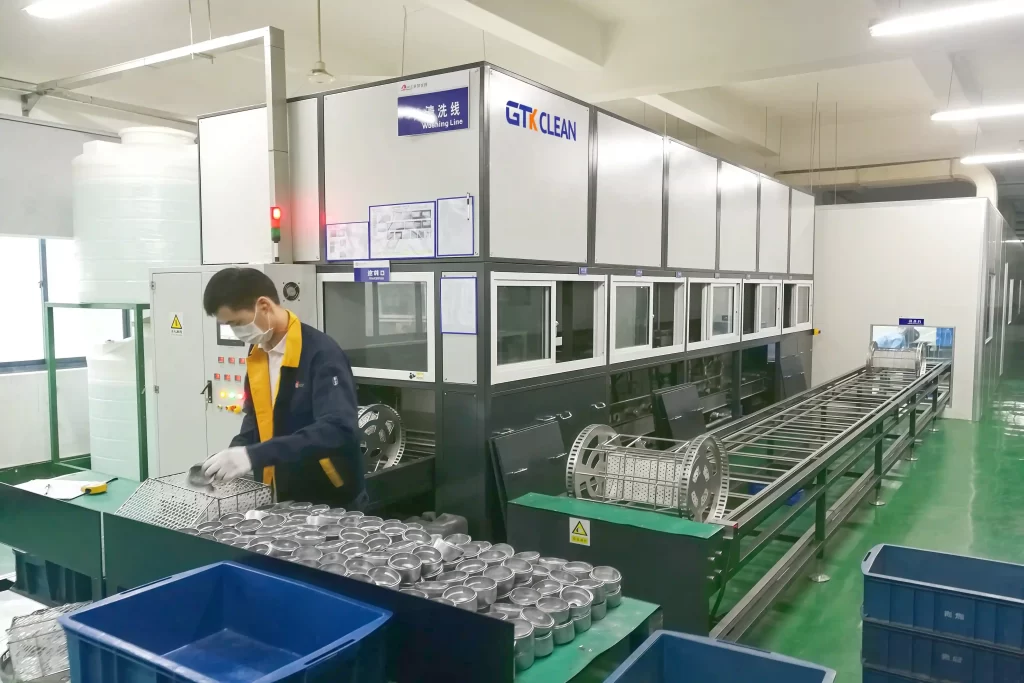
Training matters more than many companies expect. Operators who understand why certain parameters exist make better decisions when conditions change. They notice when fluid appearance shifts or when cleaning results degrade. GTKCLEAN's implementation approach includes hands-on training that covers both routine operation and troubleshooting. Some facilities also integrate robotics for loading and unloading, which requires additional coordination between cleaning equipment and material handling systems.
!Automatic Ultrasonic Cleaner-for CNC-Machined Parts
 ## The Financial Case for Automated Cleaning Equipment
The economic argument for automated industrial cleaning equipment rests on several factors that compound over time. Labor cost reduction is the most visible. Manual cleaning requires workers to perform repetitive tasks that automated systems handle continuously. Those workers can shift to higher-value activities, or staffing levels can adjust accordingly.
Consumable usage often drops after automation. Manual processes tend toward over-application of cleaning agents because operators lack precise dosing control. Automated systems meter chemicals accurately, reducing waste. Integrated water treatment systems further reduce costs by enabling fluid recycling rather than constant replacement and disposal.
Throughput improvements show up in production reports. Automated cleaning systems don't take breaks, don't vary their pace based on fatigue, and don't create bottlenecks when workers call in sick. Consistent cycle times make production planning more reliable. Quality improvements appear in defect rates. When cleaning happens the same way every time, downstream processes—coating, bonding, assembly—perform more predictably.
Most companies see payback within one to three years, though the timeline depends on labor costs, production volume, and the severity of quality problems the automated system resolves. The calculation should include avoided costs: rejected batches, customer returns, compliance penalties, and worker compensation claims from chemical exposure.
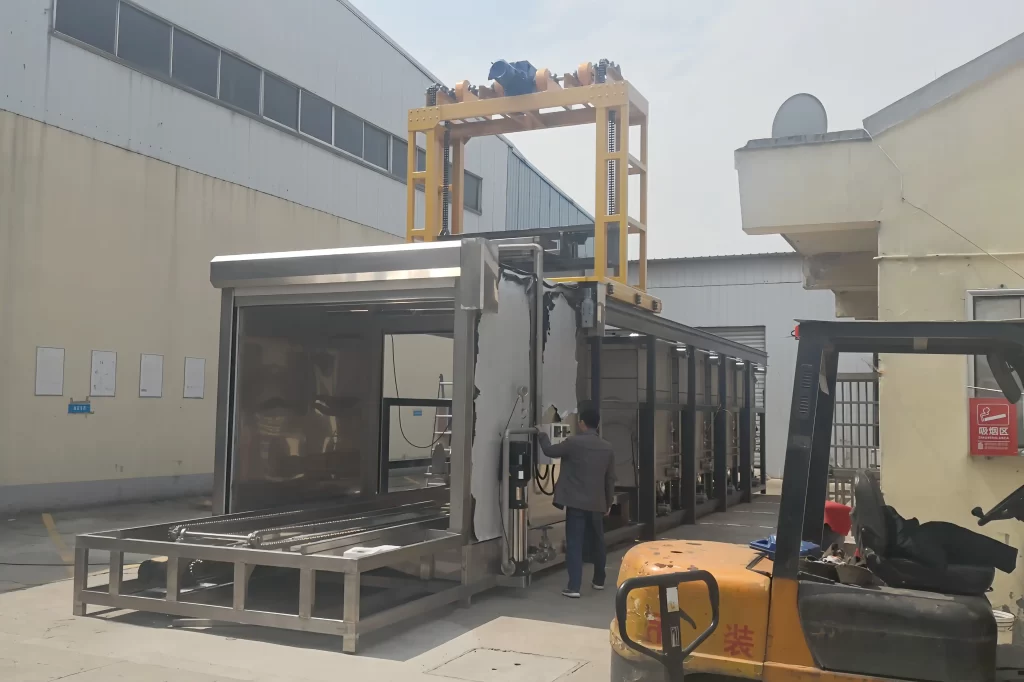
!Heavy-Duty Automatic Ultrasonic Cleaning Machine
 ## Meeting Environmental and Regulatory Requirements
Compliance isn't optional, and automated cleaning systems make it more achievable. Regulated industries require documented proof that cleaning processes meet specified standards. Automated systems generate this documentation automatically—cycle logs, parameter records, and maintenance histories that auditors can review.
Environmental regulations increasingly restrict solvent emissions, water discharge, and chemical waste. Our automated cleaning equipment incorporates water treatment systems that allow fluid recycling, reducing both consumption and discharge volumes. Closed-loop solvent systems capture vapors rather than releasing them. These features address regulatory requirements while also reducing operating costs.
Contamination control becomes more reliable when human variability exits the process. A manual cleaning operation depends on individual workers following procedures correctly every time. Automated industrial cleaning equipment follows programmed parameters without deviation. This consistency matters most in industries where contamination causes serious consequences—medical devices that contact patients, electronic components that fail in the field, automotive parts that affect vehicle safety.
Sustainable cleaning practices align with broader corporate environmental commitments. Reducing water consumption, minimizing chemical waste, and lowering energy usage per cleaned part all contribute to sustainability metrics that customers and investors increasingly track.
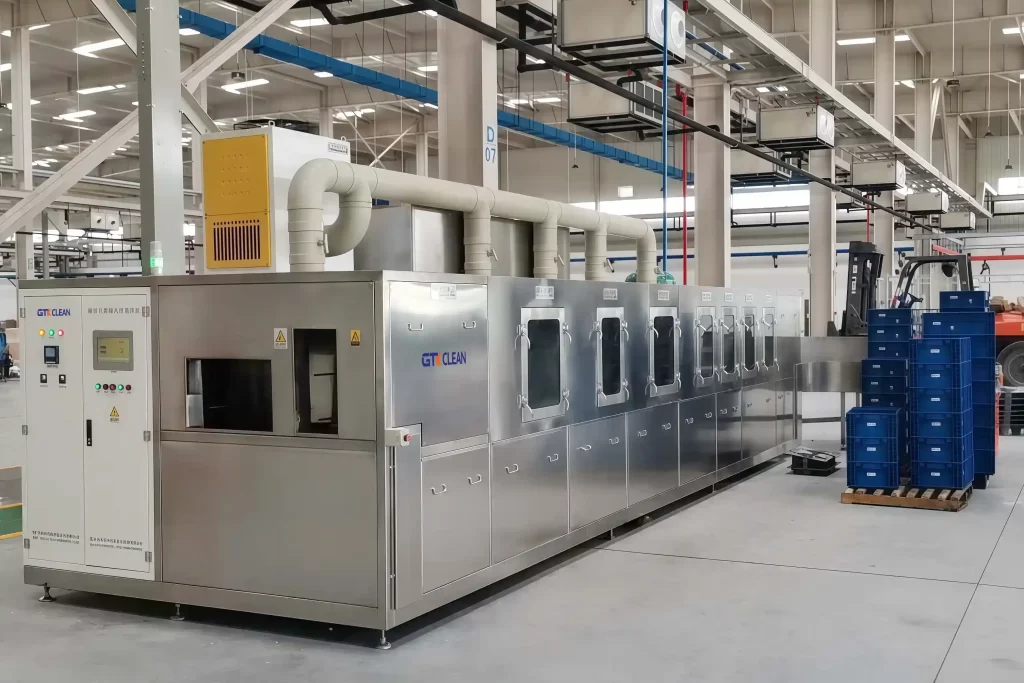
!Conveyor Turnover Box Spray Cleaners
 ## Preparing for What Comes Next
Cleaning technology continues advancing. AI-driven systems that adjust parameters based on real-time contamination sensing are moving from research into production applications. IoT integration enables remote monitoring and predictive maintenance—identifying pump wear or transducer degradation before failures interrupt production.
GTKCLEAN's 28 technical patents reflect ongoing development in these areas. The systems we design today include connectivity and sensor provisions that support future capability additions. This approach protects the investment by ensuring that equipment installed now can incorporate tomorrow's advances without complete replacement.
The manufacturers who position themselves well for coming changes are those who automate their cleaning processes now, building the operational experience and data infrastructure that advanced capabilities will require. Waiting until competitors have already moved creates a catch-up situation that's harder to manage than leading the transition.
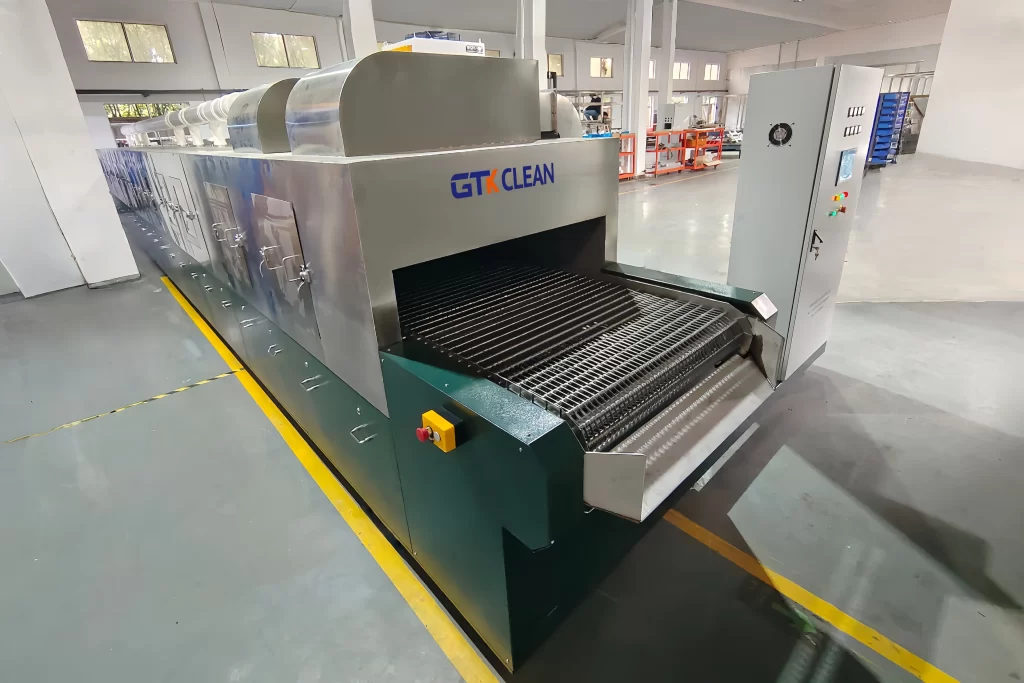
!fastener Tunnel Cleaning Machine
 ### Take the Next Step Toward Automated Cleaning Integration
If your production line still relies on manual cleaning or outdated equipment, the gap between your current process and what's possible may be larger than you realize. Contact Suzhou Grintek Environmental Technology Co., Ltd. for a consultation that starts with your specific cleaning challenges. We bring 20+ years of R&D experience and 28 technical patents to the conversation. Reach us at [email protected] or +86 17768507147.
FAQ
What automated cleaning systems does GTKCLEAN manufacture for production line integration?
GTKCLEAN designs and manufactures several categories of automated industrial cleaning equipment. Ultrasonic Cleaning Systems handle precision components where cavitation reaches complex geometries. Hydrocarbon Ultrasonic Cleaning machine systems address applications requiring solvent-based cleaning for heavy contamination. Conveyor Belt Ultrasonic Cleaning machine equipment supports continuous high-volume production. We also integrate water treatment systems for fluid recycling and sustainable operation.
How does automated cleaning reduce product defects compared to manual methods?
Manual cleaning introduces variability that automated industrial cleaning equipment eliminates. Human operators apply inconsistent pressure, miss areas, and vary their technique based on fatigue or distraction. Automated systems run identical cycles every time, maintaining precise temperature, chemical concentration, and exposure duration. This consistency means contaminants that cause coating failures, bonding problems, or assembly issues get removed reliably rather than sporadically.
What payback period should we expect from automated cleaning equipment investment?
Most facilities see return on investment within one to three years. The timeline depends on your current labor costs, production volume, defect rates, and chemical consumption. Automated cleaning systems reduce labor requirements, cut consumable waste through precise dosing, increase throughput by eliminating bottlenecks, and improve quality by removing cleaning variability. Companies with high manual cleaning labor or significant quality problems from inconsistent cleaning often see faster payback.
Can GTKCLEAN customize automated cleaning solutions for unusual production requirements?
Yes. We design and manufacture our automated cleaning equipment in-house, which allows significant customization. Unusual part geometries, specific cleanliness specifications, space constraints, or integration requirements with existing production equipment all factor into system design. This flexibility ensures the automated cleaning solution actually fits your production line rather than forcing your process to adapt to standard equipment.
What safety improvements result from automating cleaning operations?
Automated cleaning removes workers from direct contact with cleaning chemicals, eliminating exposure risks from solvents, heated fluids, and aggressive cleaning agents. Workers no longer reach into tanks, handle parts wet with chemicals, or breathe vapors from open cleaning stations. This reduces chemical burns, respiratory issues, and skin sensitization. Ergonomic injuries from repetitive manual cleaning motions also decrease when automation handles the physical work.
 English
  German
  Spanish
  French
  Russian
  Portuguese