
Choosing how to acquire industrial cleaning equipment shapes more than your budget. It affects how you operate, how quickly you can adapt, and what your asset sheet looks like years down the road. This piece breaks down leasing and purchasing so you can weigh each path against your actual situation. The perspective here draws on GTKCLEAN's two decades of R&D work, which keeps the analysis grounded in what actually happens on factory floors.
How Leasing and Purchasing Actually Differ
Two paths exist for bringing industrial cleaning equipment into your operation: leasing or buying outright. Each carries its own logic depending on where your company stands financially, what your production demands look like, and where you want to be in five or ten years.
Leasing means you pay to use equipment for a set period without necessarily owning it at the end. Purchasing transfers ownership immediately but requires significant capital upfront.
The ripple effects extend beyond cash flow. High-performance systems like Pre PVD (Coating) Parts Ultrasonic Cleaners with multi-stage cleaning and ultrapure water systems represent substantial investments either way. The same applies to Automated Ultrasonic Cleaners for CNC Machined Parts with their multi-stage degreasing and RO/DI water rinses. How you acquire these systems determines how you manage capital and respond when cleaning requirements shift.
What Leasing Does to Your Finances
Leasing appeals to companies that want to keep capital available for other priorities. The upfront commitment stays minimal compared to purchasing, which frees working capital for inventory, hiring, or expansion. Monthly payments remain predictable, making budget forecasting straightforward.
Tax treatment varies by lease structure and jurisdiction. Operating leases often let you deduct payments as operating expenses, which differs from the depreciation schedules tied to owned assets. Leasing also shifts residual value risk to the lessor. If the equipment loses value faster than expected, that becomes their problem. This matters particularly for specialized systems like Hydrocarbon Solvent Ultrasonic Cleaning Systems that use high-purity solvents for precision work.
The Long View on Lease Costs
Looking at total cost of ownership reveals a more complex picture. Cumulative lease payments over an equipment's lifespan can exceed what you would have paid to buy it outright. The math depends on lease terms, interest rates, and end-of-lease options like purchasing the equipment or extending the agreement.
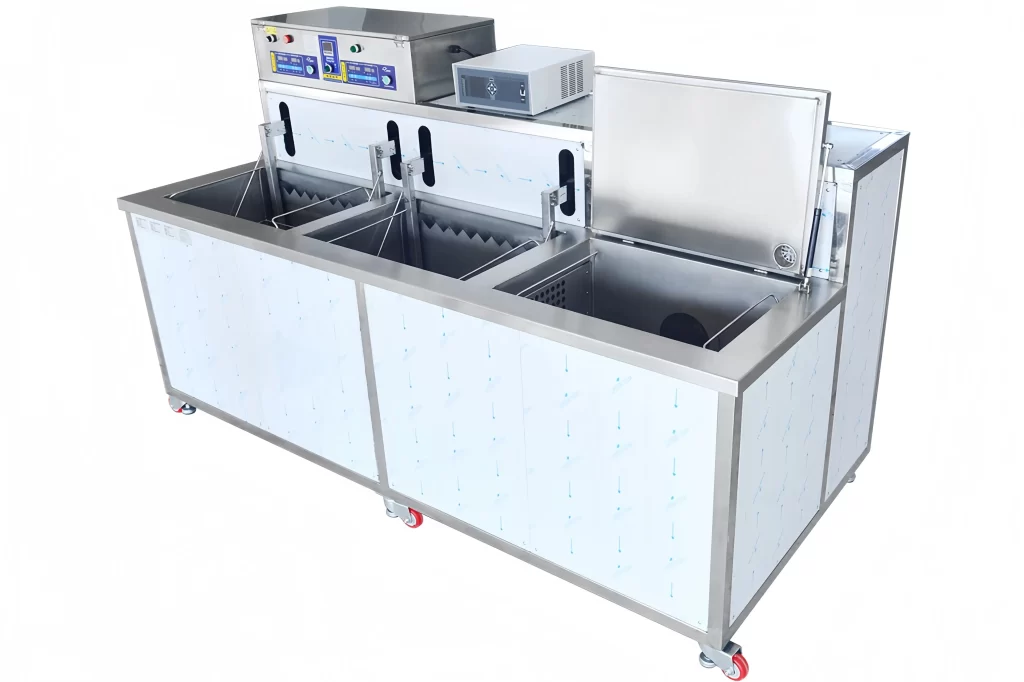
Residual value plays into this calculation. A Multi-tank Ultrasonic Cleaning System that holds its value well might make purchasing more attractive when you run the numbers over time.
| Feature | Leasing (Long-Term) | Purchasing (Long-Term) |
|---|---|---|
| Upfront Cost | Low to moderate | High |
| Monthly Payments | Fixed, predictable | Variable (maintenance, insurance, financing) |
| Total Cost | Potentially higher than purchase price over time | Potentially lower after depreciation and resale value |
| Ownership | No (unless purchased at end of lease) | Yes |
| Asset Value | Lessor's responsibility | Owner's asset, subject to depreciation |
| Flexibility | High (upgrades, returns) | Lower (resale, disposal responsibility) |
Why Ownership Makes Sense for Some Operations
Owning your equipment outright gives you control that leasing cannot match. You can modify systems, run them as many hours as needed, and integrate them into production lines without checking lease terms first. For specialized applications requiring specific configurations, this matters. Heavy-Duty Automated Ultrasonic Cleaning Systems designed for components up to 2000 kg often need customization that lease agreements would complicate.
Ownership builds equity on your balance sheet. Once depreciation runs its course, you stop paying for equipment you continue using. Capital expenditure on industrial equipment also provides depreciation benefits that reduce taxable income over the useful life. Companies focused on long-term asset building and maximizing return on equipment investment often find this path aligns better with their goals.
Staying Ahead of Obsolescence When You Own
Owning equipment means owning the obsolescence risk too. Technology moves forward, and what performs well today might fall behind in five years. Smart approaches include planning upgrade cycles, watching resale markets for older equipment, and choosing modular designs from the start.
Modular systems allow component upgrades rather than full replacement. Certain configurations of Ultrasonic Cleaning machines for CNC Machined Parts support this approach, extending useful life and protecting your initial investment. Equipment built on adaptable platforms tends to accommodate future technological advances better than rigid designs.
If you're interested, check 《What Is The Technical Principle Of Hydrocarbon(Solvent) Cleaning Machines?》.
How Each Path Affects Day-to-Day Operations
Leasing and buying create different realities for maintenance and operational flexibility. Lease agreements often bundle maintenance, which removes repair headaches and keeps expenses predictable. Companies without dedicated maintenance staff sometimes prefer this arrangement. The trade-off comes in restrictions on modifications or usage limits written into the contract.
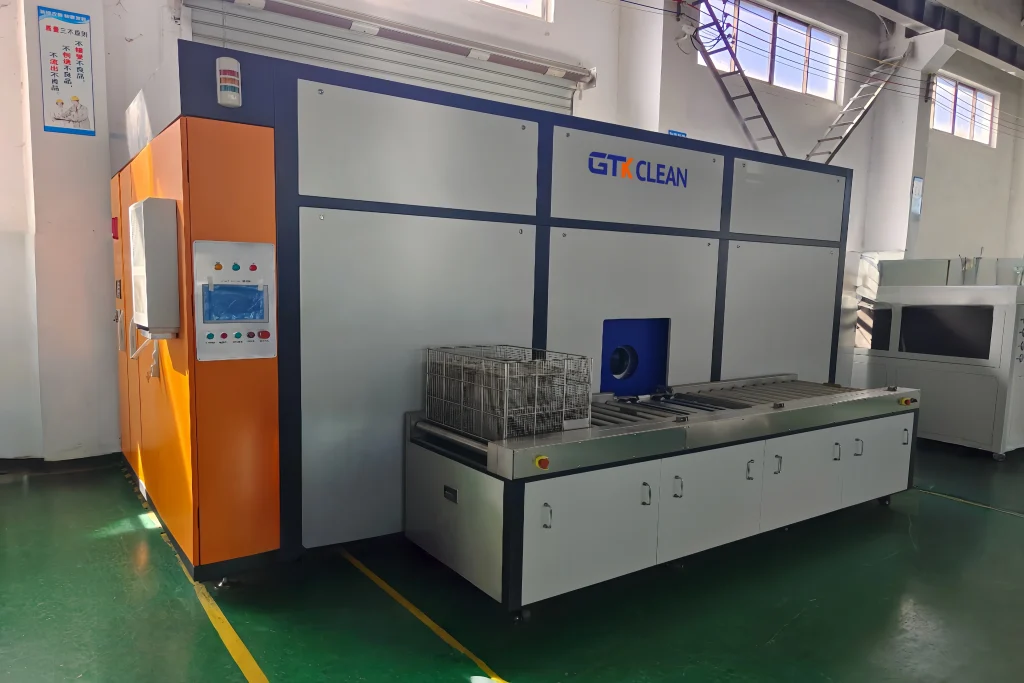
Ownership hands you complete control over maintenance scheduling, upgrades, and system customization. This proves valuable when integrating equipment into existing lines or adapting to changing production needs. CNC Aluminum Shell Inline Cleaners designed for continuous conveyor operation benefit from direct control over maintenance timing to prevent production interruptions. The choice comes down to weighing maintenance contract costs against the flexibility and potential savings of handling things internally.
Matching Equipment Acquisition to Your Actual Needs
The right acquisition model depends on factors specific to your situation. Project duration matters significantly. Short-term projects often favor leasing because you avoid committing capital to equipment you will not need long. Budget constraints push some companies toward leasing even when purchasing would cost less over time.
Technical requirements deserve careful attention. Industries requiring ultra-precision cleaning might need Pre PVD (Coating) Parts Ultrasonic Cleaners with multi-stage ultrapure water rinsing and intelligent PLC control. Production capacity, part complexity, and cleanliness standards all factor into equipment selection. Customizable solutions like the free design options available for Ultrasonic Cleaners For Stamping Parts help ensure the equipment matches actual requirements.
If you're interested, check 《What Is the Principle of an Ultrasonic Cleaning Machine?》.
Tax Treatment Differences Worth Understanding
How a lease gets classified affects its tax treatment significantly. Operating leases typically stay off the balance sheet, with payments deductible as operating expenses. This directly reduces taxable income.
Capital leases work differently. They appear on the balance sheet like purchased assets, allowing depreciation over useful life and interest deductions on lease payments. The specific implications vary by jurisdiction, making professional tax advice worthwhile before committing to either approach.
| Lease Type | Accounting Treatment | Tax Treatment (General) |
|---|---|---|
| Operating Lease | Off-balance sheet | Payments deductible as operating expense |
| Capital Lease | On-balance sheet (asset) | Depreciation and interest deductible |
| Purchase | On-balance sheet (asset) | Depreciation deductible, potential Section 179/bonus |
Putting the Decision Together
Sound equipment acquisition decisions integrate financial, operational, and strategic considerations. Cost-benefit analysis should cover total ownership costs for both paths, including initial investment, ongoing payments, maintenance, insurance, and potential resale value.
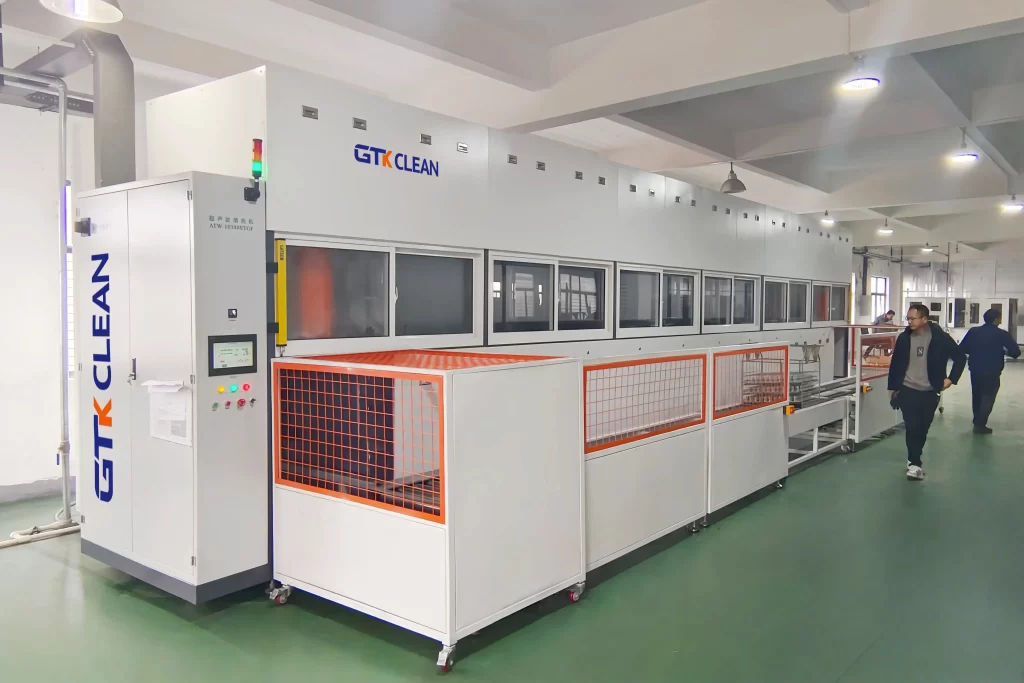
Think about equipment lifespan and how fast technology changes in your industry. Sectors where cleaning technology advances rapidly might benefit from leasing flexibility that allows easier upgrades. Stable, long-term cleaning needs often point toward ownership of robust systems like Rotary Basket Ultrasonic Cleaning Systems that deliver value over many years. The best choice aligns with your company's financial position, growth plans, and operational realities.
If you're interested, check 《What Is Ultrasonic Cavitation Effect?》.
| Factor | Leasing | Purchasing |
|---|---|---|
| Upfront Capital | Low | High |
| Monthly Expense | Fixed, predictable | Variable (depreciation, maintenance) |
| Flexibility | High (upgrades, returns) | Lower (resale, disposal) |
| Maintenance Burden | Often included in lease | Owner's responsibility |
| Long-Term Cost | Potentially higher total payments | Potentially lower after depreciation |
| Technological Obsolescence | Mitigated by easy upgrades | Owner bears full risk |
| Balance Sheet Impact | Off-balance sheet (operating lease) | On-balance sheet (asset) |
Take the Next Step with GTKCLEAN
GTKCLEAN brings 20+ years of R&D experience and 28 patented technologies to industrial cleaning challenges. Whether leasing or purchasing fits your situation better, our ultrasonic, solvent, and conveyor belt cleaning systems along with water treatment solutions are built for performance that lasts. Reach out to Suzhou Grintek Environmental Technology Co.,Ltd. for a consultation tailored to your needs at [email protected] or +86 17768507147.
Frequently Asked Questions About Industrial Cleaning Equipment Acquisition
What are the long term financial implications of leasing versus buying industrial cleaning equipment?
Leasing keeps upfront costs low and monthly payments predictable, preserving capital for other uses. Buying can cost less over time because you build equity and stop paying once depreciation completes. Run the total cost of ownership numbers for both options, including maintenance, insurance, and what you might get selling the equipment later.
How does equipment obsolescence affect the decision to lease or buy industrial cleaning systems?
Obsolescence risk sits at the center of this decision. Leasing lets you upgrade to newer technology when terms end, avoiding the problem of owning outdated equipment. Buying means you carry that risk, though strategic planning and modular designs can extend useful life and protect your investment.
What tax advantages are associated with leasing industrial cleaning equipment?
Tax treatment depends on lease structure. Operating leases often allow payment deductions as operating expenses, reducing taxable income directly. Capital leases may offer depreciation deductions while treating the arrangement more like a purchase. Tax professionals can clarify what applies to your specific situation and location.
When is buying industrial cleaning equipment the more strategic option?
Buying makes more sense when cleaning needs remain stable over time, capital is available for upfront investment, and full ownership control matters to your operation. It supports asset building, potential resale value, and complete customization without lease restrictions.
How can GTKCLEAN assist in making the best acquisition decision for industrial cleaning machines?
GTKCLEAN's 20+ years of experience and patented technologies inform consultations that help you evaluate whether leasing or buying fits your operational and financial goals. We offer automated cleaning equipment across multiple categories and can provide realistic insights into long-term performance and return on investment.
 English
  German
  Spanish
  French
  Russian
  Portuguese