

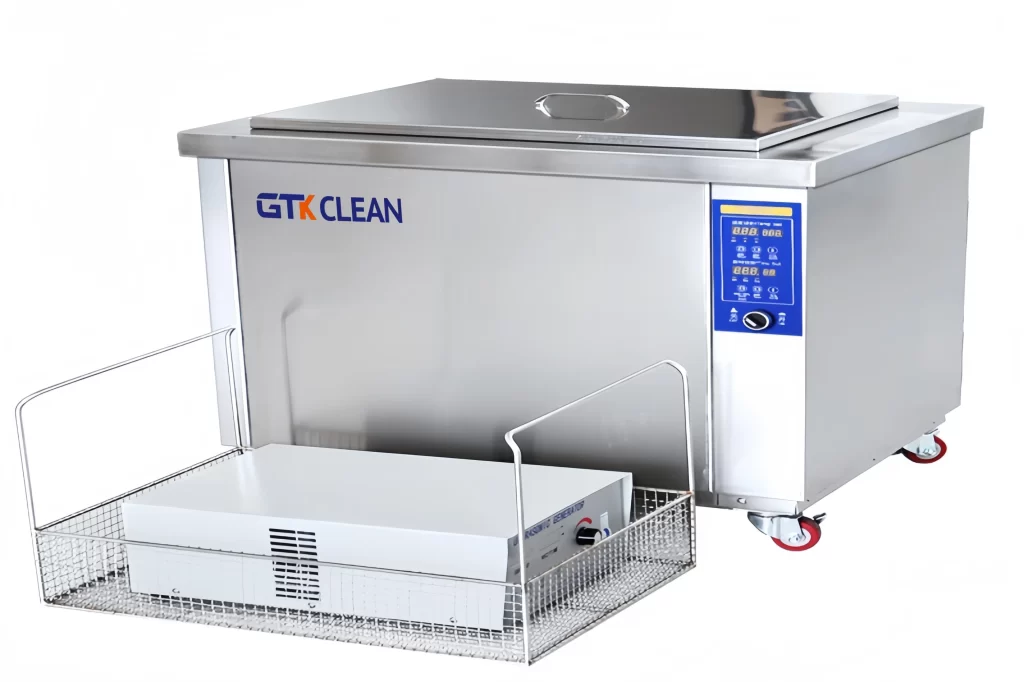
Choosing cleaning equipment for industrial work often comes down to precision and repeatability. We’ve learned that keeping component integrity intact while meeting strict cleanliness targets isn’t simple, and manual ultrasonic cleaning machines often hit that sweet spot. This piece covers how these systems operate, where they’re most effective, the benefits and limits to weigh, what to consider when selecting and maintaining a unit, and where GTKCLEAN can help, along with quick answers to common questions.
Understanding Manual Ultrasonic Cleaning Machines
Manual ultrasonic cleaning machines use high-frequency sound waves to generate microscopic bubbles in a liquid cleaning bath, a phenomenon known as cavitation. As these bubbles collapse at the surface, they lift contaminants from intricate areas and fine features. Here, we outline the core principles and the components that make these systems work as intended.
How Manual Ultrasonic Cleaning Works
Cavitation is the core of ultrasonic cleaning. Transducers generate ultrasonic waves, which propagate through the cleaning solution. These waves create alternating high and low-pressure cycles. During low-pressure cycles, millions of microscopic vacuum bubbles form. These bubbles rapidly grow and then collapse violently during high-pressure cycles. This implosion generates powerful micro-jets that scour surfaces, removing contaminants. The cleaning solution plays a vital role by dissolving or suspending the dislodged particles.
If you’re interested, check 《What Is Ultrasonic Cavitation Effect?》.
Key Components and Features
A manual ultrasonic cleaner consists of several essential parts. The stainless steel tank holds the cleaning solution. Piezoelectric transducers, often bonded to the tank's bottom, convert electrical energy into ultrasonic waves. A generator supplies the high-frequency electrical power to the transducers. Heating elements warm the solution, enhancing cleaning efficiency. A control panel allows operators to adjust parameters like ultrasonic power, frequency, and cleaning time. Many units also include features such as degas functions and sweep modes for improved performance.
Ideal Applications for Manual Ultrasonic Cleaners
Manual ultrasonic cleaning machines perform best in situations where precision, flexibility, and thoroughness matter. Below are the primary use cases where they stand out compared with other methods.
Precision Parts and Delicate Components
Manual ultrasonic cleaners are ideal for cleaning sensitive items where abrasive methods could cause damage. These include medical instruments, optical lenses, electronic components, jewelry, and watch parts. The gentle yet powerful cavitation action effectively removes contaminants without harming delicate surfaces. This ensures the integrity and functionality of critical components.
Small Batch and Low Volume Production
These systems fit operations that do not require continuous, high-throughput cleaning. Research and development labs, repair shops, and specialized manufacturing facilities benefit from their ease of setup and operation. They offer flexibility for varied tasks and small production runs. Benchtop Ultrasonic Cleaners are a common choice for such environments.
Specialized Cleaning Needs
Manual ultrasonic cleaners address unique situations requiring specific attention. They effectively remove stubborn contaminants from complex geometries, such as deep holes and blind holes. Applications include degreasing automotive parts or preparing surfaces for coating. The cavitation penetrates areas unreachable by manual or spray cleaning, ensuring a uniform clean. 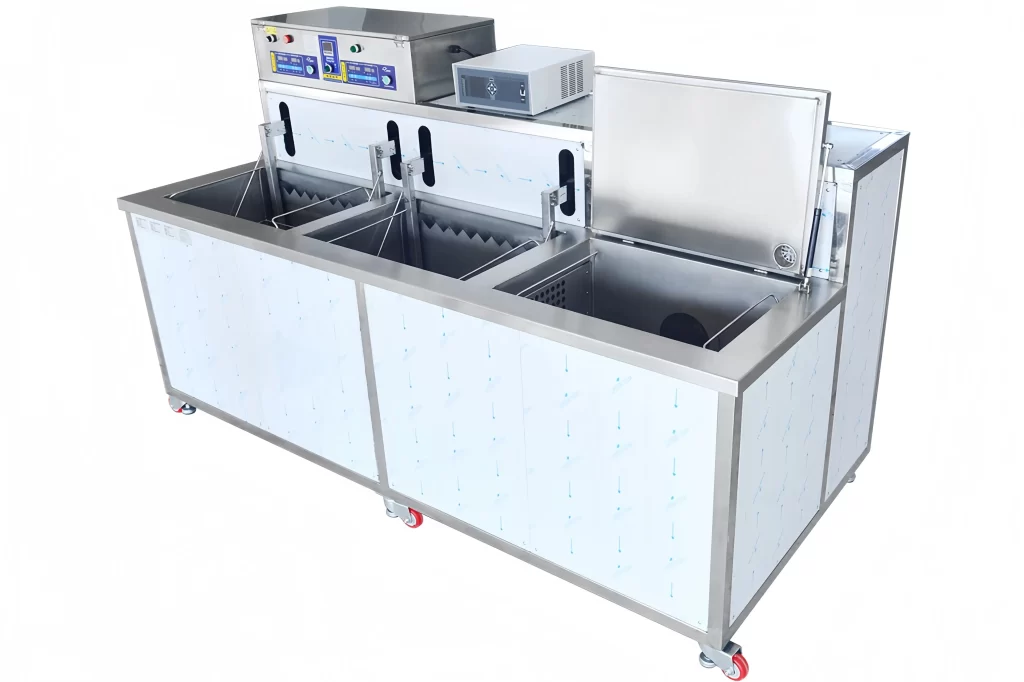
Benefits of Choosing Manual Ultrasonic Cleaning
Beyond the specific applications, manual ultrasonic cleaning machines bring several broader advantages that make them a strong fit for many operations. The highlights are below.
Cost-Effectiveness and Flexibility
Manual ultrasonic cleaning systems generally require a lower initial investment compared to fully automated solutions. They reduce labor for intricate cleaning tasks, as the ultrasonic action minimizes manual scrubbing. Their adaptability allows for various part sizes and cleaning requirements by simply changing the solution or adjusting parameters. This flexibility makes them suitable for diverse industrial needs.
Superior Cleaning Performance for Intricate Geometries
The cavitation effect ensures a uniform and thorough clean, reaching into blind holes, crevices, and complex internal structures. These areas are often inaccessible to brushes or spray systems. This capability is particularly important for components with tight tolerances or intricate designs, guaranteeing high cleanliness levels.
If you’re interested, check 《What Is the Principle of an Ultrasonic Cleaning Machine?》.
When to Consider Alternatives or Automated Systems
Manual ultrasonic cleaning covers a lot of ground, yet there are scenarios where automation or different methods make more sense. Knowing where those boundaries lie helps with better decisions.
High Volume Production and Large-Scale Operations
For continuous, high-throughput manufacturing lines, automated ultrasonic cleaning systems are designed for efficiency, speed, and seamless integration into production flows. These systems minimize manual intervention and ensure consistent quality across large batches. For example, Automated Ultrasonic Cleaners can handle significant production volumes.
If you’re interested, check 《What Is Ultrasonic Wave?》.
Specific Contaminant Removal Challenges
Some contaminants, such as heavy rust or baked-on carbon, might require more aggressive methods. This could involve specialized chemical treatments or multi-stage automated processes. In such cases, a manual system alone may not achieve the desired cleanliness levels. For very specific and challenging cleaning tasks, Hydrocarbon Ultrasonic Cleaning machine or Multi-tank Ultrasonic Cleaning Systems can offer superior results.
Selecting the Right Manual Ultrasonic Cleaning Machine
Choosing the optimal manual ultrasonic cleaning machine means weighing a handful of factors against your parts and process goals.
Factors to Consider
When selecting a machine, evaluate the tank size to accommodate your parts. Ultrasonic frequency is critical: 28kHz is suitable for heavy-duty cleaning and robust parts, while 40kHz or higher is better for precision cleaning of delicate items. Power output determines cleaning intensity. Heating capabilities are important for many cleaning solutions. Ensure material compatibility with the tank and cleaning medium. Consider available accessories like baskets and lids.
| Feature | 28kHz Frequency | 40kHz Frequency |
|---|---|---|
| Application | Heavy-duty cleaning, robust parts | Precision cleaning, delicate parts |
| Cavitation | Larger, more aggressive bubbles | Smaller, more numerous bubbles |
| Penetration | Excellent for gross contamination | Superior for intricate geometries, small holes |
| Noise Level | Generally louder | Quieter |
| Materials | Metals, engine parts | Electronics, optics, jewelry |
Maintenance and Best Practices
Proper maintenance ensures the longevity and optimal performance of your manual ultrasonic cleaner. Regularly clean the tank to prevent residue buildup. Change the cleaning solution when it becomes visibly dirty or its effectiveness diminishes. Inspect transducers and heating elements periodically for wear. Adhering to these practices will maintain cleaning efficiency and extend equipment life. 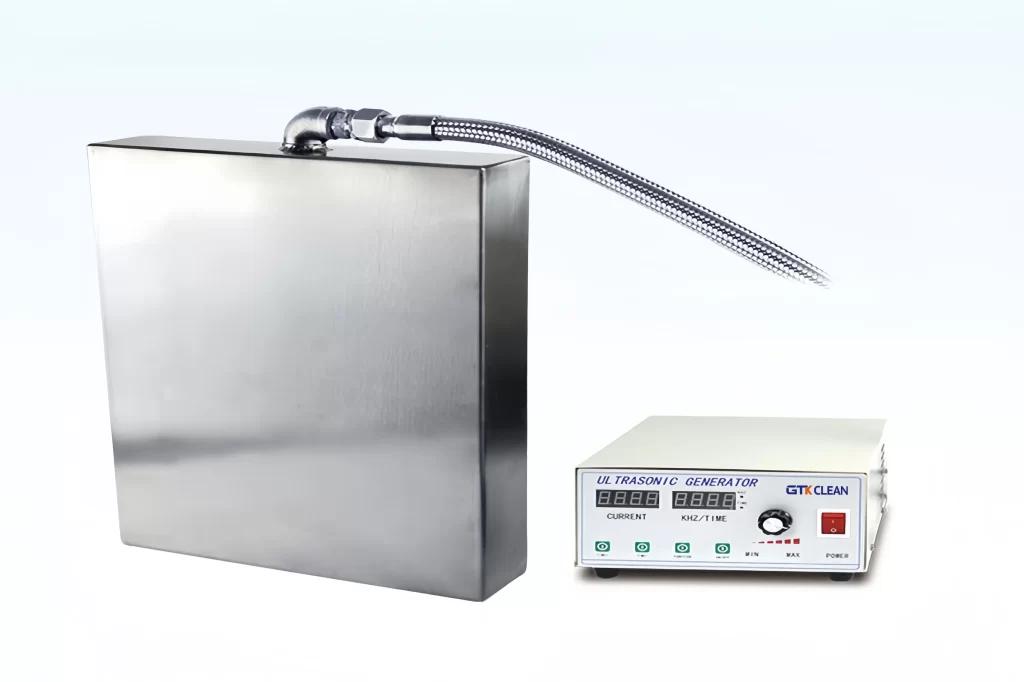
Discover GTKCLEAN's Advanced Cleaning Solutions
Discover how GTKCLEAN's advanced manual ultrasonic cleaning machines can revolutionize your cleaning processes. Contact us today for a personalized consultation and to explore our range of innovative solutions tailored to your specific needs. Our experts are ready to assist you in achieving superior cleaning performance. Email us at [email protected] or call +86 17768507147.
FAQs
What types of contaminants can manual ultrasonic cleaners remove?
Manual ultrasonic cleaners are highly effective at removing a wide range of contaminants, including oils, grease, dust, dirt, polishing compounds, flux residues, and biological soils. Their efficacy depends on the cleaning solution used and the specific application.
How often should the cleaning solution be changed?
The frequency of solution changes depends on the level of contamination and the volume of parts being cleaned. Generally, the solution should be changed when it becomes visibly dirty or its cleaning effectiveness diminishes. Regular monitoring is key to maintaining optimal performance.
Are manual ultrasonic cleaners safe for all materials?
While generally safe, certain materials like some plastics, soft gemstones, or items with existing cracks might be susceptible to damage. Always consult the manufacturer's guidelines and perform a test on a small, inconspicuous area if unsure. GTKCLEAN can provide expert advice on material compatibility.
 English
  German
  Spanish
  French
  Russian
  Portuguese