

In industrial cleaning, pristine surfaces underpin product performance and longevity. We work with the reality that removing mixed contaminants from intricate parts isn’t always straightforward. Here we take a clear look at manual ultrasonic cleaning systems, how they operate, where they excel across industries, and where they run into limits. The aim is practical clarity that helps you tune your process for better results.
Understanding Manual Ultrasonic Cleaning Systems
Manual ultrasonic cleaning systems use high-frequency sound waves to clean parts immersed in a liquid. The process generates microscopic cavitation bubbles that implode as they strike surfaces. That collapse knocks loose contaminants, even in blind holes and complex geometries. We design these systems for precision and efficiency across a range of industrial settings.
1. The Science Behind Ultrasonic Cleaning
Ultrasonic waves, often set between 20 kHz and 80 kHz, travel through the cleaning solution and create alternating high and low-pressure cycles. In low-pressure phases, cavitation bubbles form. In high-pressure phases, those bubbles collapse rapidly and release concentrated energy. This acoustic cavitation scrubs surfaces at a microscopic scale. The implosion force removes oils, grease, chips, and other residues without abrasive action.
2. Key Components of a Manual System
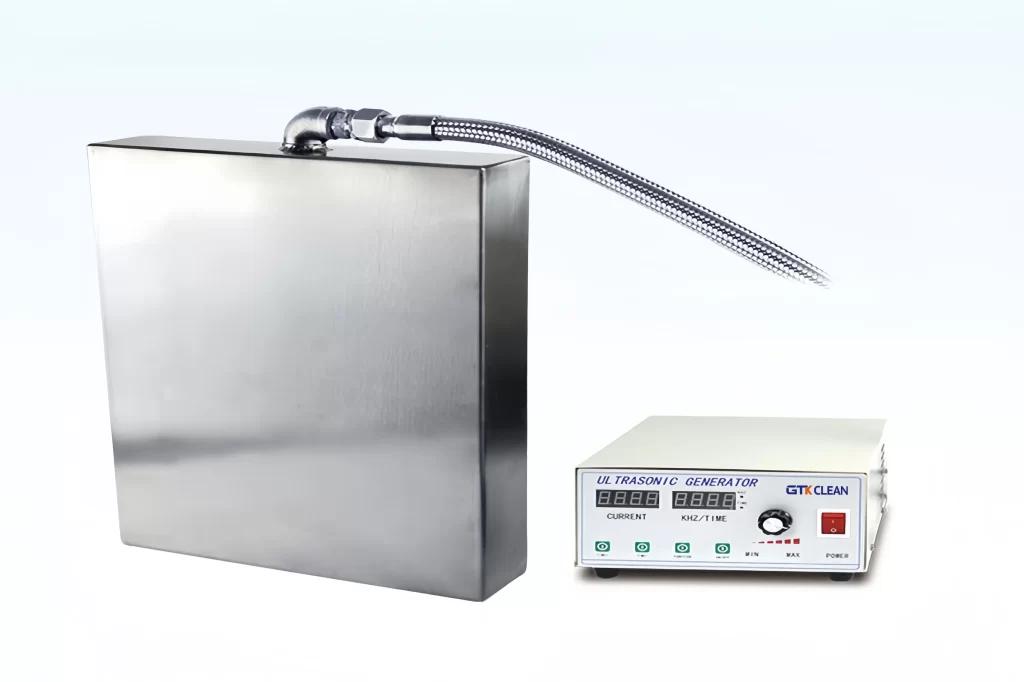
A typical manual ultrasonic cleaning system comprises several key components. The ultrasonic tank holds the cleaning solution and the parts to be cleaned. Transducers, usually piezoelectric ceramic, are bonded to the tank's exterior or submerged within it. These transducers convert electrical energy into high-frequency sound waves. An ultrasonic generator powers the transducers, controlling the frequency and intensity of the ultrasonic waves. Many systems also include a heating element to optimize cleaning solution performance. Together, these components deliver thorough and consistent cleaning.
For a deeper look at the fundamentals, see 《What Is the Principle of an Ultrasonic Cleaning Machine?》.
Diverse Applications of Manual Ultrasonic Cleaners Across Industries
Manual ultrasonic cleaners offer flexible ways to remove a wide range of contaminants. They handle cutting fluids, chips, burrs, dust, fingerprints, oils, and rust inhibitors. These systems are adept at cleaning parts with complex features, including deep holes, blind holes, narrow slits, and threads. Their reach into areas that are otherwise hard to access makes them valuable in many sectors.
1. Precision Cleaning in Manufacturing
In manufacturing, precision parts cleaning sets the stage for downstream success. Our Ultrasonic Cleaners for CNC Machined Parts remove cutting fluids, chips, and burrs so components meet stringent cleanliness standards before the next process. Pre PVD (Coating) Parts Ultrasonic Cleaners prepare surfaces for advanced coatings by eliminating residues. This multi-stage cleaning process supports strong adhesion and consistent coating quality. 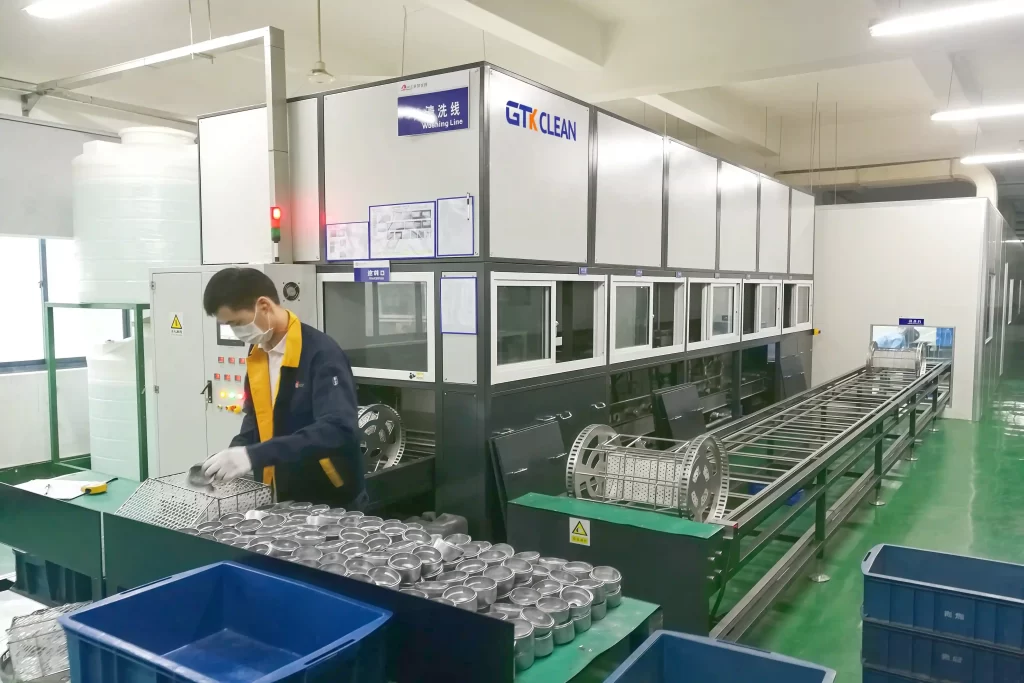
| Product Category | Contaminants Removed | Key Features | Suitable For |
|---|---|---|---|
| Pre PVD (Coating) Parts Ultrasonic Cleaners | Oils, dust, fingerprints, secondary contamination | Multi-stage cleaning, ultrapure water system, intelligent control | Metals, molds, electronic/optical components |
| Ultrasonic Cleaners for CNC Machined Parts | Cutting fluids, chips, burrs, dust, fingerprints | Automated multi-stage cleaning, rotary/square baskets | Precision-machined components |
| Ultrasonic Cleaners For Stamping Parts | Oils, chips, dust, compounds, anti-rust residues | Automated multi-stage cleaning, cavitation penetration | Stamping parts in mobile phones, home appliances, automotive |
2. Medical and Dental Instrument Sterilization
Ultrasonic cleaning has a defined role in medical and dental workflows. It removes biological debris and contaminants from surgical instruments, dental tools, and laboratory equipment before sterilization. That upstream cleanliness supports patient safety and instrument longevity. Our Multi-Tank Ultrasonic Cleaners are common in these settings, with tight control over temperature and time.
3. Jewelry and Optics Cleaning
Delicate items such as jewelry, eyeglasses, and optical lenses respond well to manual ultrasonic cleaning. The non-abrasive action reaches fine details and sensitive surfaces without damage. Polishing compounds, skin oils, and environmental dust are lifted away, restoring clarity and shine. Our Benchtop Ultrasonic Cleaners offer suitable capacities for these tasks. 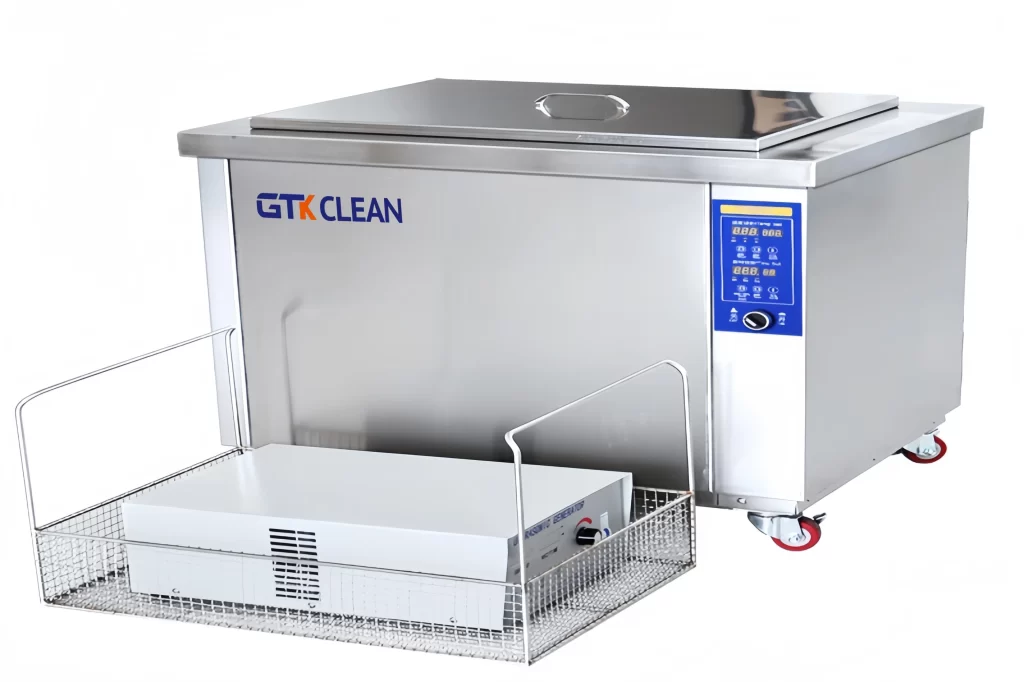
4. Automotive and Aerospace Component Maintenance
Automotive and aerospace applications demand thorough cleaning for critical components. Manual ultrasonic cleaners are used for engine parts, aircraft components, and fuel injectors. They degrease, remove carbon deposits, and clear other operational residues. This supports performance and helps extend the life of high-value parts. Ultrasonic Parts Cleaners play a key role in maintaining high-performance components.
Limitations and Challenges of Manual Ultrasonic Cleaning
While highly effective, manual ultrasonic cleaning systems come with trade-offs. The manual operation can be labor-intensive for large volumes or continuous production. Outcomes depend on operator skill and adherence to protocols. The size of the cleaning tank also restricts the dimensions of parts that can be processed.
| Aspect | Advantages of Manual Ultrasonic Cleaning | Limitations of Manual Ultrasonic Cleaning |
|---|---|---|
| Cost | Lower initial investment | Higher labor costs for large batches |
| Flexibility | Adaptable for diverse small-batch items | Limited by tank size and manual handling |
| Control | Operator-dependent process | Inconsistent results possible |
| Throughput | Suitable for low-to-medium volume | Not ideal for high-volume production |
| Automation | Minimal automation | Requires significant manual intervention |
Material compatibility matters. Certain materials, such as soft plastics, some gemstones, or components with internal defects, can be damaged by cavitation. We advise careful selection of cleaning solutions and parameters to avoid adverse reactions. For instance, Hydrocarbon Ultrasonic Cleaning machine are used for specific materials and contaminants.
Optimizing Performance and Overcoming Limitations
To get the best from manual ultrasonic cleaning and mitigate its limitations, a few practices help. Match the cleaning solution to the contaminants and materials. Maintain the system with fluid changes and tank inspections to keep performance steady. Simple pre-cleaning steps, like wiping or rinsing, can remove heavy soils before ultrasonic processing.
For complex parts, consider Rotary Basket Ultrasonic Cleaning Systems to improve consistency with 360° exposure to ultrasonic waves. For larger, heavier components, Heavy-Duty Automated Ultrasonic Cleaning Systems offer robust handling for workpieces up to 2000 kg. Automation reduces labor and raises throughput.
When volumes rise, moving to automated systems addresses the limits of manual processing. For example, Ultrasonic Cleaning machine for CNC Machined Parts provides continuous inline cleaning for die-cast aluminum shells. These systems use multi-directional spray nozzles and DI water rinsing to achieve superior results. 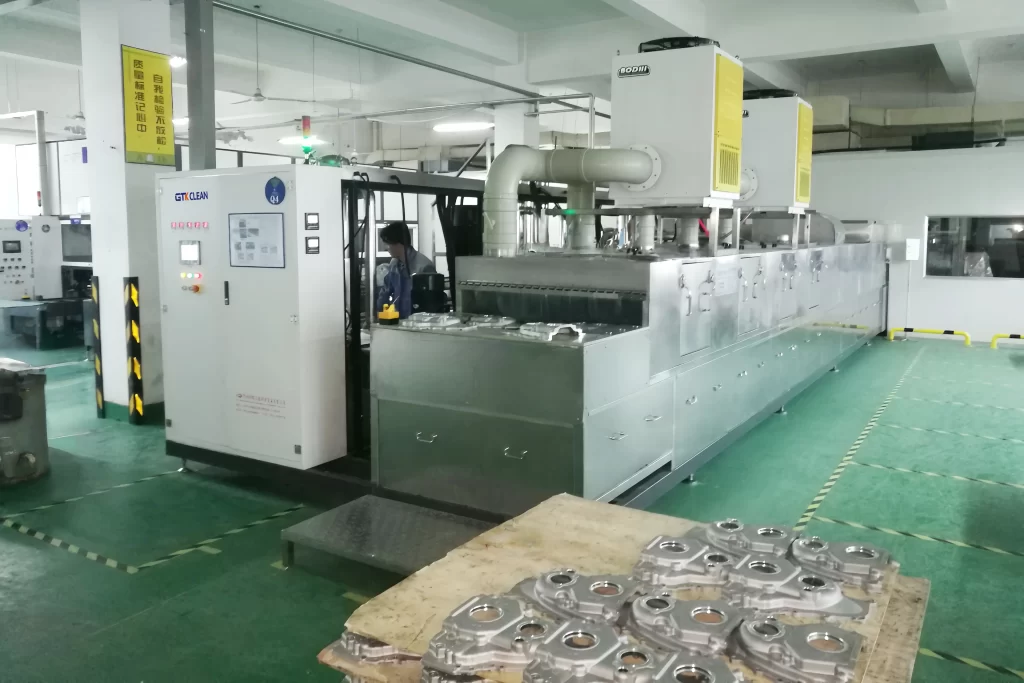
Enhance Your Industrial Cleaning with GTKCLEAN
Ready to enhance your cleaning processes with a reliable manual ultrasonic system? Contact Suzhou Grintek Environmental Technology Co.,Ltd. today for expert consultation and to explore our range of industrial cleaning solutions tailored to your specific needs. With 20+ years of R&D experience and 28 technical patents, GTKCLEAN delivers superior cleaning performance. Call us at +86 17768507147 or email [email protected].
FAQs
What types of contaminants can manual ultrasonic cleaning systems remove?
Manual ultrasonic cleaning systems remove a wide range of contaminants, including dirt, dust, oils, grease, polishing compounds, flux residues, carbon deposits, and even microscopic particles from intricate surfaces. The effectiveness depends on the cleaning solution used and the specific application.
Are there any materials that should not be cleaned with ultrasonic systems?
Yes. Some soft or porous materials (such as certain plastics or gemstones), items with internal defects or cracks, and delicate electronic components without proper shielding can be damaged by ultrasonic cleaning. Always consult material compatibility guidelines or test on a non-critical area before cleaning.
How do I choose the right size and frequency for a manual ultrasonic cleaner?
Size should match the largest parts you need to process. The frequency (commonly 20 kHz to 120 kHz) affects cleaning intensity and suitability for different contaminants and materials. Lower frequencies (e.g., 20-40 kHz) deliver stronger action for robust items, while higher frequencies (e.g., 60-120 kHz) suit delicate parts and fine cleaning. Consulting with a GTKCLEAN expert can help determine the optimal specifications for your application.
What maintenance is required for a manual ultrasonic cleaning system?
Plan for regular draining and refilling with fresh cleaning solution, cleaning the tank interior to remove residue, checking transducers for damage, and confirming proper operation of heating elements and controls. Following the manufacturer's guidelines, such as those provided by GTKCLEAN, supports consistent performance and longevity.
 English
  German
  Spanish
  French
  Russian
  Portuguese