
Industrial ultrasonic cleaning has become one of those technologies where the gap between "good enough" and "genuinely effective" often comes down to how much automation you're willing to build into the process. After working with manufacturers across dozens of industries, what strikes me most is how often companies underestimate the compounding effects of automation on their cleaning outcomes.
What Separates Manual from Fully Automated Cleaning Systems
The spectrum of automation in ultrasonic cleaning is wider than most people realize. At one end, you have operators handling every step. At the other, systems that run entire shifts with minimal human involvement. The differences matter more than the labels suggest.
Manual ultrasonic cleaning systems put operators in charge of loading, unloading, and adjusting process parameters for each cycle. These setups work well for small-batch production or when you're cleaning parts that vary significantly from one job to the next. Benchtop Ultrasonic Cleaners fall into this category, offering flexibility when your cleaning needs change frequently.
Semi-automatic systems introduce programmed cleaning cycles or automated basket transfers between tanks. Someone still initiates the process and handles loading, but the system takes over the repetitive middle steps. Multi-Tank Ultrasonic Cleaners often operate this way, with adjustable temperature and time settings per tank. You get consistency without surrendering all control.
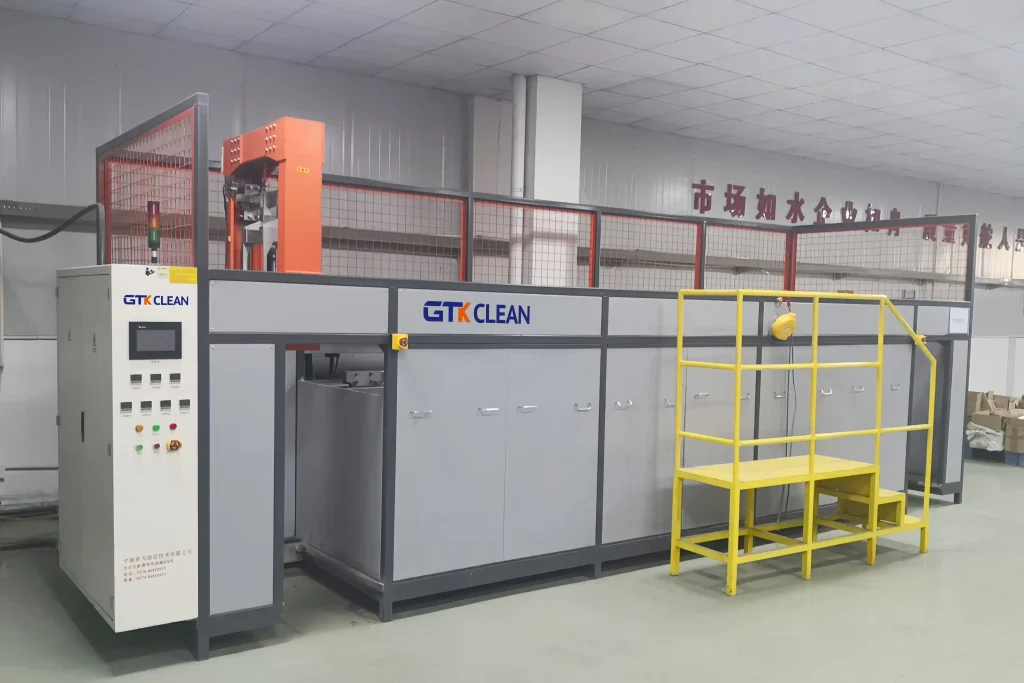
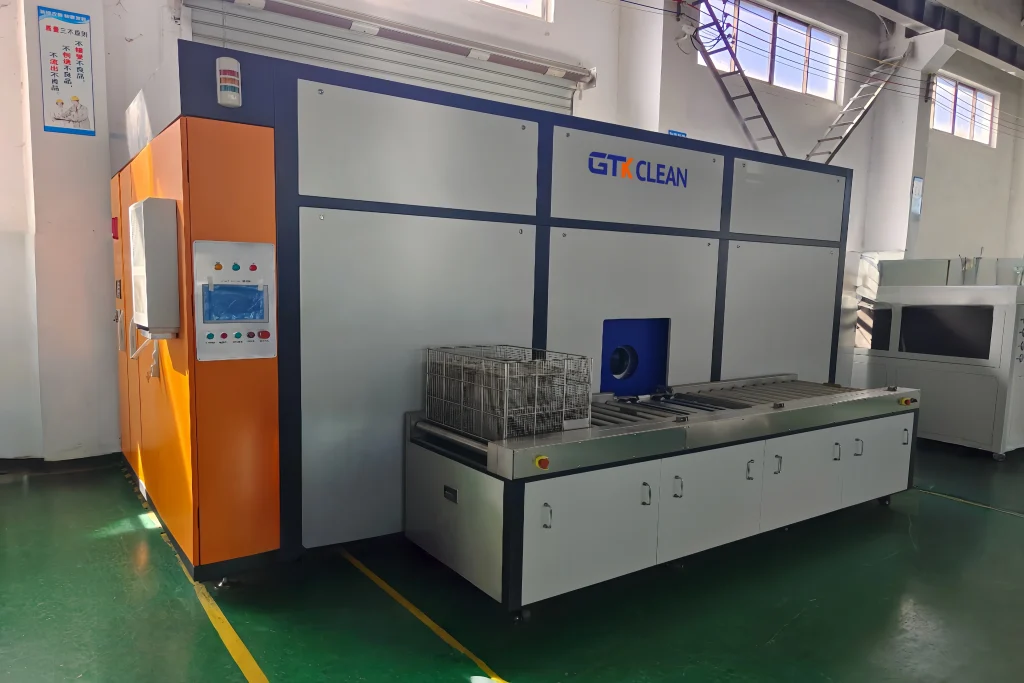
Fully automated cleaning systems handle the entire workflow. Parts go in, clean parts come out. Robotic handling, integrated controls, automatic alarms, and fault diagnostics all work together. The Hydrocarbon Ultrasonic Cleaning machine represents this approach, delivering precision 360° cleaning for complex geometries without constant operator attention.
| Automation Level | Human Intervention | Process Control | Typical Applications |
|---|---|---|---|
| Manual | High | Basic | Small batches, specialized parts |
| Semi-Automatic | Moderate | Programmed cycles | Medium batches, multi-stage cleaning |
| Fully Automatic | Low | Integrated, intelligent | High volume, precision cleaning |
Most automated cleaning equipment runs on Siemens or Mitsubishi PLCs with color touchscreen HMIs. Circulation filtration systems extend cleaning solution life, which cuts water and detergent consumption more than you might expect.
For background on how ultrasonic cleaning actually works, 《What Is the Principle of an Ultrasonic Cleaning Machine?》 covers the fundamentals.
Why Automation Changes the Cleaning Equation
The strategic case for automated ultrasonic cleaning comes down to a few hard realities. Consistency beats heroic effort. Labor costs compound. And quality problems caught late cost far more than quality problems prevented early.
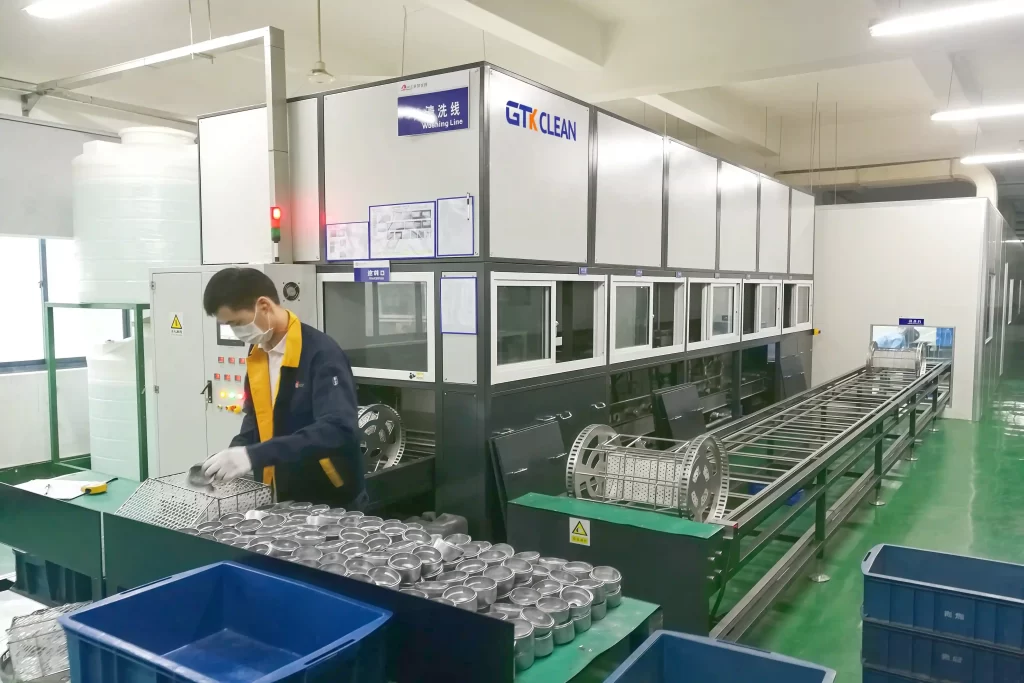
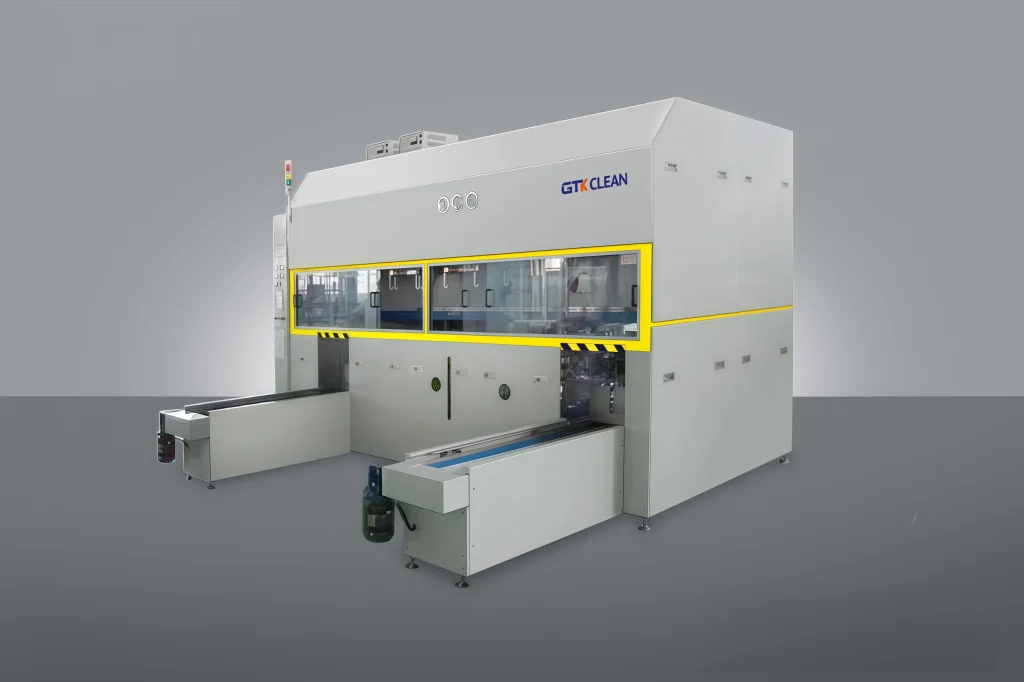
Automated Ultrasonic Cleaners deliver multi-stage cleaning processes that would be impractical to replicate manually at scale. Pre PVD (Coating) Parts Ultrasonic Cleaners, for instance, integrate hydrojet spray, ultrasonic cleaning, multi-stage ultrapure water rinsing, and air knife/hot air/vacuum drying into a single workflow. Each stage builds on the previous one, preventing secondary contamination that often undermines manual processes.
Throughput Gains That Actually Stick
Automated systems reduce cycle times, but the bigger win is reducing variability. When every cycle runs the same way, you stop chasing problems that only appear intermittently.
Ultrasonic Cleaning machine for CNC Machined Parts run automated multi-stage cleaning that includes high-pressure spray, ultrasonic degreasing, and RO/DI water rinses. Cutting fluids, chips, and burrs come off reliably. Process programs can be remotely upgraded, which matters more than it sounds when you're trying to improve a running production line.
The Real Cost Picture
The relationship between automation level and total cost is less straightforward than vendor brochures suggest. Higher automation means higher upfront investment, but the long-term economics often favor the more automated approach. The question is whether your volumes and quality requirements justify the investment.
Manual systems cost less to buy but more to run. Labor adds up. Inconsistency creates rework. Fully automated systems like Heavy-Duty Automated Ultrasonic Cleaning Systems, built for parts up to 2000 kg, require significant capital. But they address challenges like deep holes and blind spots that manual processes struggle with, and they do it consistently across thousands of cycles.
| Automation Level | Initial Cost | Operational Cost (Labor) | Cleaning Consistency | Throughput |
|---|---|---|---|---|
| Manual | Low | High | Variable | Low |
| Semi-Automatic | Medium | Medium | Moderate | Medium |
| Fully Automatic | High | Low | High | High |
Hydrocarbon Solvent Ultrasonic Cleaning Systems show how automation affects operating costs beyond labor. Single-station, fully automatic cleaning with vacuum vapor cleaning and drying, plus solvent recycling systems that conserve hydrocarbon and remove impurities. Solvent consumption drops. Waste disposal costs drop. The ROI calculation shifts.
The technical principles behind solvent cleaning are worth understanding if you're evaluating these systems. 《What Is The Technical Principle Of Hydrocarbon(Solvent) Cleaning Machines?》 provides useful context.
Choosing the Right System for Your Situation
System selection requires honest assessment of what you're actually cleaning, how clean it needs to be, and where you're headed. The best system for your neighbor's operation might be wrong for yours.
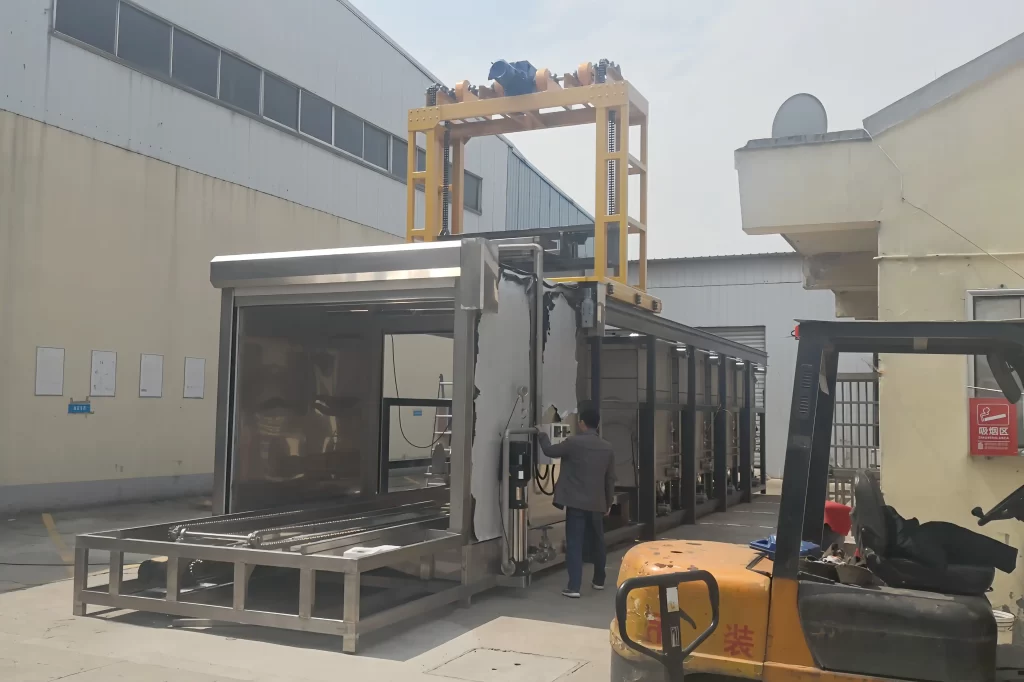
Rotary Basket Ultrasonic Cleaning Systems illustrate how specialized designs address specific challenges. 360° rotary cleaning reaches blind holes and complex surfaces that fixed-position systems miss. Options for heavy loads up to 2000 kg expand the application range. These aren't general-purpose machines, and that's the point.
Industry-Specific Requirements Shape Everything
Aerospace demands ultra-high precision cleaning for components where contamination means failure. Medical devices require sterile, residue-free surfaces. Automotive parts cleaning involves high volumes and complex geometries. Each context creates different constraints.
Ultrasonic Cleaners for CNC Machined Parts target precision-machined components where cutting fluids and chips must come off completely. Stamping parts systems address oils, chips, and anti-rust residues to prepare surfaces for electroplating. Tunnel Cleaning Systems handle high-volume applications like fasteners and turnover boxes with continuous throughput.
For more on the cavitation effect that makes ultrasonic cleaning work, 《What Is Ultrasonic Cavitation Effect?》 explains the underlying physics.
Where Automated Cleaning Is Heading
The trajectory points toward smarter systems with better environmental performance. Industry 4.0 integration, predictive maintenance, and sustainability requirements are reshaping what automated cleaning looks like.
Future systems will use AI to monitor performance and anticipate problems before they cause downtime. Integration with broader factory systems will enable real-time process adaptation. Sustainable technologies, including advanced solvent recycling and reduced water consumption, are becoming standard expectations rather than premium features. Hydrocarbon Solvent Recovery Systems already demonstrate what eco-friendly operation looks like in practice.
The challenge is building systems that are both highly efficient and environmentally responsible. These goals align more often than they conflict, but getting there requires deliberate engineering choices.
Frequently Asked Questions About Automated Ultrasonic Cleaning
What are the primary advantages of investing in an automated industrial ultrasonic cleaning system?
Automated industrial ultrasonic cleaning systems offer significant advantages including enhanced cleaning consistency, reduced labor costs, improved throughput, and superior cleaning quality, which are critical for meeting stringent industry standards. GTKCLEAN's systems are designed to deliver these benefits efficiently, ensuring precise cleaning for various components.
How do different automation levels impact the overall cost and operational efficiency of ultrasonic cleaning?
The level of automation directly influences both initial investment and long-term operational efficiency. Higher automation, while having a greater upfront cost, typically leads to lower labor expenses, reduced rework, and optimized cycle times, resulting in a favorable return on investment. GTKCLEAN helps clients analyze these factors to select the most suitable automated ultrasonic cleaning solution.
What key factors should be considered when selecting an automated ultrasonic cleaning system for a specific application?
Crucial considerations for selecting an automated industrial ultrasonic cleaning system include the type and volume of parts, required cleanliness levels, integration with existing production lines, available floor space, and future scalability. GTKCLEAN's experts provide comprehensive consultation to design bespoke automated cleaning equipment tailored to your unique requirements.
Partner with GTKCLEAN for Advanced Cleaning Solutions
Leverage GTKCLEAN's 20+ years of R&D and 28 technical patents for tailored automated cleaning solutions. We provide industrial cleaning solutions and Custom Ultrasonic Cleaners designed to optimize your manufacturing processes. Contact us today to discuss your specific needs and discover how our expertise can benefit your operations. Reach us at +86 17768507147 or [email protected].
 English
  German
  Spanish
  French
  Russian
  Portuguese