
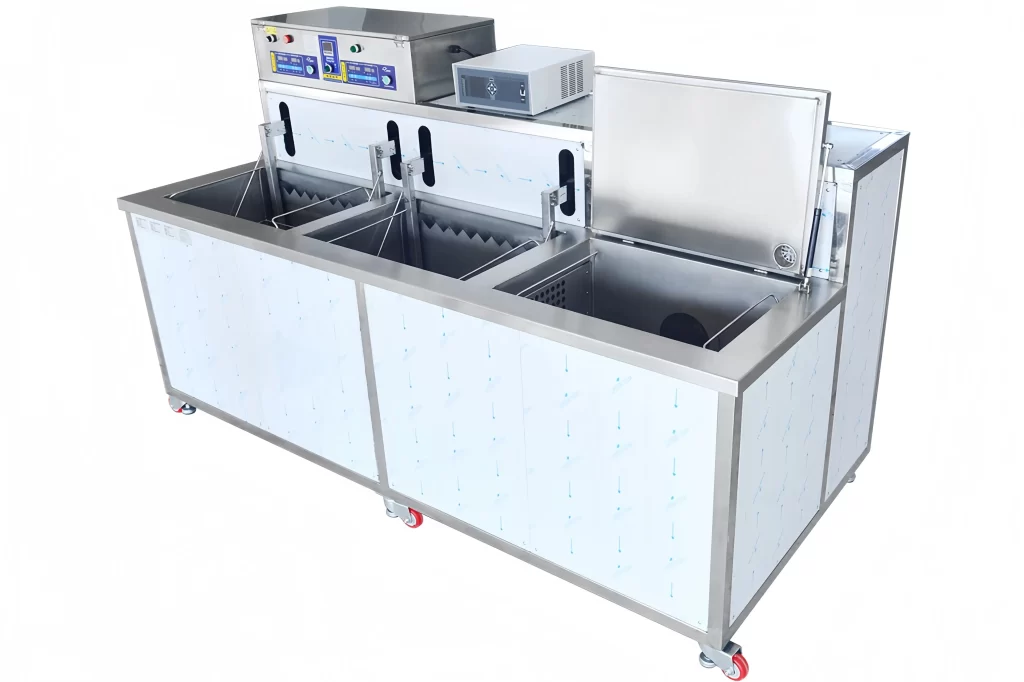
Picking the right industrial parts washer isn't something you figure out from a spec sheet alone. The decision ripples through production efficiency, part quality, and operating budgets in ways that don't always show up until months later. After two decades of R&D work at GTKCLEAN, we've seen the same mistakes repeated across industries, and the same questions come up again and again. This guide walks through eight factors that actually matter when you're evaluating cleaning systems.
Start With What You're Actually Trying to Remove
Before anything else, you need a clear picture of the contaminants on your parts and how they interact with the materials you're cleaning. This sounds obvious, but it's where most selection errors begin. Contaminants vary wildly: cutting fluids, greases, coolants, metal chips, burrs, dust, fingerprints. Each behaves differently under different cleaning methods. Precision cleaning means removing what needs to go without damaging what needs to stay. GTKCLEAN's R&D work has focused heavily on matching cleaning approaches to specific contamination profiles.
| Common Contaminant | Recommended Cleaning Method | GTKCLEAN Product Example |
|---|---|---|
| Cutting Fluids, Oils | Ultrasonic, Solvent, Spray | CNC Machined Parts Ultrasonic Cleaners, Hydrocarbon Solvent Ultrasonic Vacuum Cleaners |
| Chips, Burrs, Dust | Ultrasonic, Spray | Fastener Tunnel Cleaners, Rotary Basket Ultrasonic Cleaners |
| Fingerprints, Residues | Ultrasonic, Aqueous | Pre PVD Parts Ultrasonic Cleaners, Multi-Tank Ultrasonic Cleaners |
| Heavy Grease, Carbon | Solvent, Heavy-Duty Ultrasonic | Multi-Tank Hydrocarbon Ultrasonic Cleaners, Heavy-Duty Automated Ultrasonic Cleaners |
| Light Soils, General | Aqueous Spray | Turnover Box Inline Cleaners, Bench Top Rotary Cleaning Machine |
The Three Main Technology Families
Industrial parts washers fall into three broad categories, and understanding the tradeoffs between them saves a lot of confusion later.
Aqueous systems rely on water-based solutions, often with detergents. They handle general cleaning tasks well and work for a wide range of materials. Solvent systems use chemical solvents to attack heavy oils and greases, which makes them effective but also demands more careful handling and waste management. Ultrasonic systems, the technology GTKCLEAN has invested most heavily in, generate high-frequency sound waves that create cavitation bubbles in the cleaning medium. When those bubbles collapse, they produce intense localized cleaning action that reaches into blind holes, complex geometries, and tight tolerances that spray systems can't touch.
Why Automation Changes the Calculation
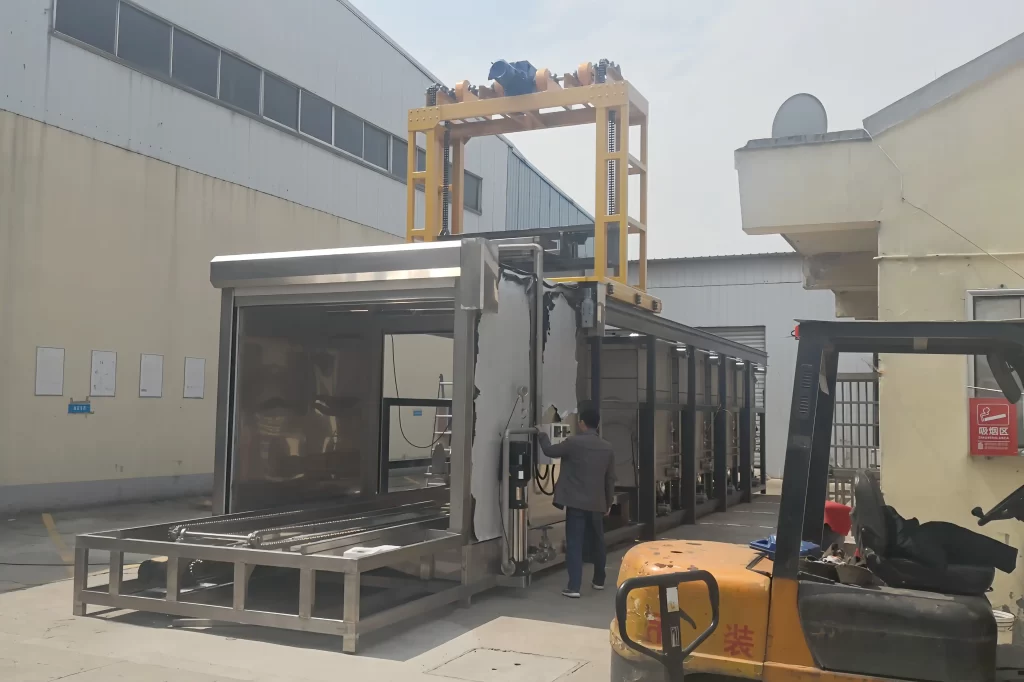
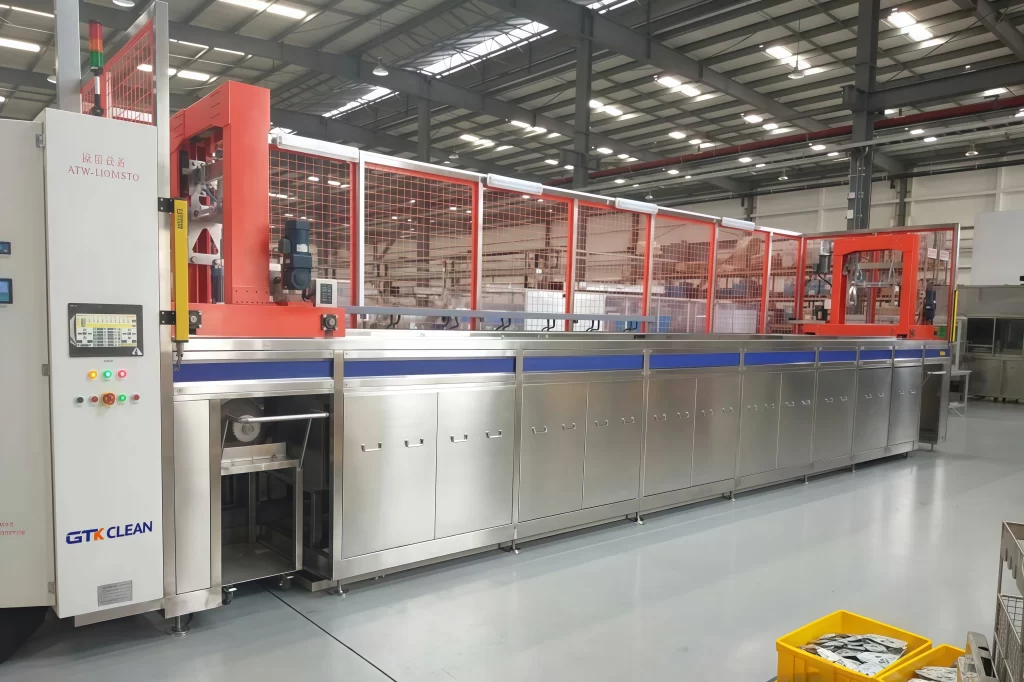
Automated industrial parts washers do more than save labor. They eliminate the variability that comes with manual cleaning, which matters enormously when you're running high-volume production and need consistent results across thousands of parts. GTKCLEAN's automated lines, including CNC Aluminum Shell Inline Cleaners and Fastener Tunnel Cleaners, integrate directly into manufacturing workflows without creating bottlenecks.
| Technology Type | Primary Cleaning Agent | Key Advantages | Typical Applications |
|---|---|---|---|
| Aqueous | Water-based solutions | Environmentally friendly, versatile, cost-effective for many soils | General parts, light oils, non-ferrous metals |
| Solvent | Hydrocarbon, modified alcohol | Superior degreasing, fast drying, residue-free | Precision parts, heavy oils, pre-coating |
| Ultrasonic | Aqueous or Solvent | Precision cleaning, penetrates complex geometries, gentle | Intricate parts, blind holes, delicate components |
Running Costs Add Up Faster Than You'd Think
Procurement managers and plant engineers tend to focus on purchase price, which is understandable but incomplete. The real cost picture includes energy consumption, water usage, chemical replenishment, and the labor involved in maintenance and solution changes. Energy-efficient designs and water treatment systems that extend solution life can shift the ROI calculation significantly over a five-year equipment lifespan.
GTKCLEAN has pushed hard on circulation filtration and solvent recycling for exactly this reason. Our Pre PVD Parts Ultrasonic Cleaners include an ultrapure water system with circulation filtration that extends solution life and cuts both water and detergent consumption. These aren't marginal improvements; they compound over time.
Compliance and Safety Aren't Optional
Environmental regulations around discharge limits have tightened in most jurisdictions, and the trend isn't reversing. Solvent-based systems in particular require proper ventilation, waste handling, and sometimes air quality monitoring. Operator safety features matter too: ergonomic loading, proper guarding, and emergency stops.
GTKCLEAN designs with compliance built in rather than bolted on. Our Multi-Tank Hydrocarbon Ultrasonic Cleaners include gas monitoring, exhaust systems, and comprehensive safety protection as standard equipment, not aftermarket additions.
Build Quality Determines Uptime
The durability question is straightforward but often underweighted in purchasing decisions. Robust construction, quality components, and ease of maintenance directly affect how much time your cleaning line spends running versus waiting for repairs. GTKCLEAN uses SUS304/SUS316 stainless steel construction on our Multi-Tank Ultrasonic Cleaners because we've seen what happens to lesser materials in demanding industrial environments over years of continuous operation.
Plan for What You Don't Know Yet
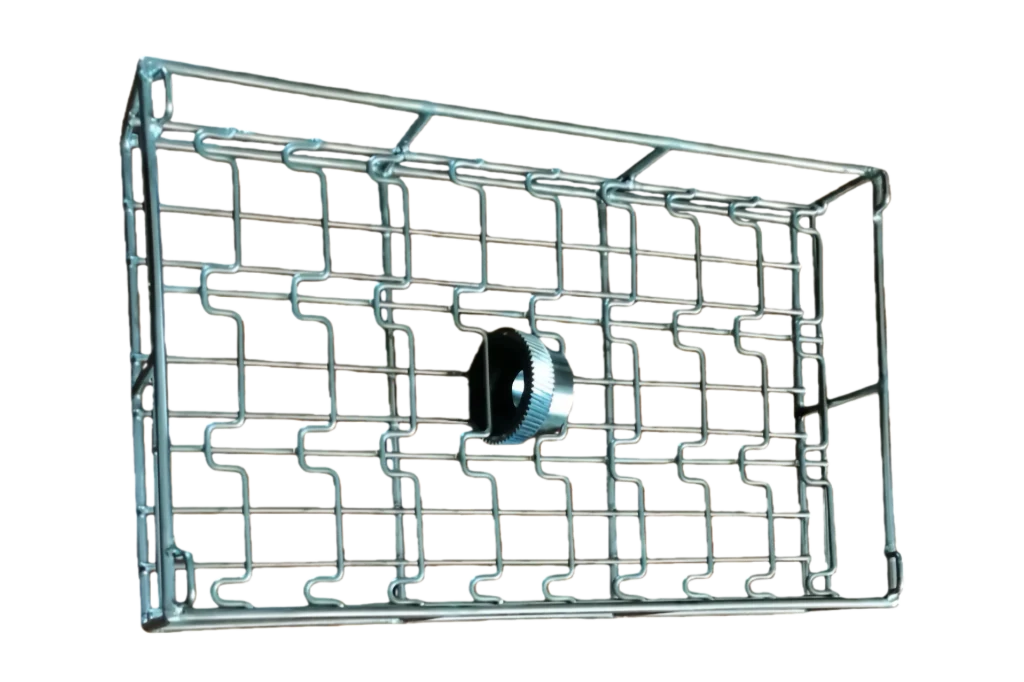
Production requirements change. New products come online, volumes shift, quality standards tighten. The cleaning system you buy today needs to handle the work you'll ask it to do in three or five years, not just the work in front of you now.
GTKCLEAN designs comprehensive automated cleaning equipment in-house, which gives us flexibility to customize solutions for specific manufacturing processes. This includes automated loading and unloading, flexible configurations, and scalable capacity. Our Heavy-Duty Automated Ultrasonic Cleaners handle workpieces up to 2000 kg, which provides headroom for production growth without requiring a complete system replacement.
Get the Cleaning Process Right
If you're ready to optimize your industrial cleaning process with precision and efficiency, Suzhou Grintek Environmental Technology Co.,Ltd. can help. Our 20+ years of R&D experience and 28 technical patents mean we can design a cleaning solution tailored to your exact requirements. Reach out to [email protected] or call +86 17768507147 for an expert consultation.
Frequently Asked Questions About Industrial Parts Washers
What are the critical factors for selecting an industrial parts washer?
The selection process comes down to several interconnected considerations: cleaning efficacy for your specific contaminants, material compatibility with your parts, operational costs including energy, water, and chemicals, environmental compliance requirements, operator safety, maintenance demands, and whether the system can be customized or automated to match your production workflow. GTKCLEAN's experience helps navigate these tradeoffs.
How does ultrasonic cleaning compare to solvent cleaning for industrial applications?
Ultrasonic cleaning generates high-frequency sound waves in an aqueous or solvent medium, creating cavitation that reaches intricate geometries and stubborn contaminants. It's often the better choice for precision work and tends to be more environmentally friendly. Solvent cleaning uses chemical solvents that excel at removing oils and greases but requires careful handling and waste management. GTKCLEAN offers both technologies and can recommend the right approach for your specific application.
What maintenance is required for industrial parts washing machines?
Routine maintenance typically includes filter inspection and replacement, monitoring and replenishing cleaning solutions, checking nozzles and pumps, ensuring ventilation systems function properly, and performing regular safety checks. Following manufacturer guidelines, like those GTKCLEAN provides with each system, keeps equipment running at optimal performance and extends service life.
If you're interested, you may want to read the following articles:
What Is Ultrasonic Cavitation Effect?
Ultrasonic Cleaning System Components Explained
 English
  German
  Spanish
  French
  Russian
  Portuguese