
Choosing an industrial cleaning solution always comes down to balancing what you invest upfront with how efficiently it runs over time. We see this decision point often when teams weigh semi-automated ultrasonic washers. The technology brings clear advantages, but its real value shows up when cost and performance are examined side by side across the lifecycle. Our aim is to provide a clear, practical picture so businesses can decide with confidence, achieving the required cleanliness without overspending.
Understanding Semi-Automated Ultrasonic Washers
Semi-automated ultrasonic washers bridge the gap between manual cleaning and fully automated systems. They integrate advanced cleaning technologies while retaining some degree of human oversight.
What Defines Semi-Automated Systems?
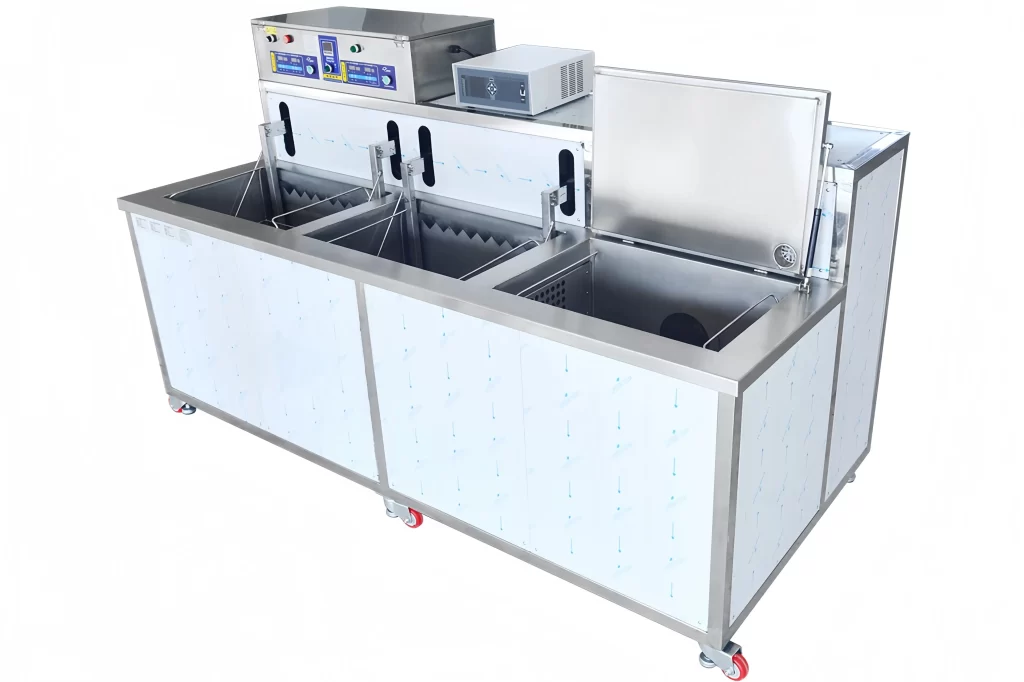
Semi-automated systems run automated cleaning cycles but require manual intervention for tasks such as loading, unloading, or process initiation. This design offers flexibility and cost-effectiveness for various production scales. Our Multi-tank Ultrasonic Cleaning Systems exemplify this approach, allowing operators to transfer baskets between stages.Key Components and Functionality
These systems usually include ultrasonic transducers, heating elements, filtration systems, and programmable logic controllers (PLCs). Ultrasonic cavitation, generated by high-frequency sound waves, effectively removes contaminants from complex part geometries. Filtration and circulation systems extend the life of cleaning solutions, reducing waste and operating costs.
To learn more about the underlying principles, consider reading 《What Is the Principle of an Ultrasonic Cleaning Machine?》.
Criteria for Cost Evaluation
Evaluating the cost of semi-automated ultrasonic washers extends beyond the purchase price, encompassing a lifecycle perspective. We consider all financial aspects to provide a complete picture.
Initial Purchase Price Considerations
The initial investment varies based on system size, features, and customization. Factors like tank capacity, ultrasonic power, and integrated drying options influence the upfront cost. For example, Benchtop Ultrasonic Cleaners are more economical than larger, customizable units.Operational and Maintenance Expenses
Ongoing costs include energy consumption, cleaning chemicals, water usage, and routine maintenance. Filtration and circulation systems significantly reduce chemical and water consumption. Regular inspection and timely replacement of components like Ultrasonic Vibration Plate transducers minimize downtime and repair costs.
Criteria for Performance Evaluation
Performance evaluation focuses on the effectiveness and efficiency of the cleaning process. We establish clear metrics to objectively assess cleaning quality.
Key Performance Indicators (KPIs)
KPIs include cleanliness levels (e.g., particle count, residue analysis), cleaning cycle time, and consistency across batches. For PVD coating preparation, achieving ultrapure water conductivity ≤ 0.06 μS/cm is critical to prevent water spots. Systems designed for Ultrasonic Cleaning machine for CNC Machined Parts ensure high cleanliness for precision components.Factors Influencing Cleaning Results
Cleaning efficacy depends on ultrasonic frequency, temperature, cleaning medium, and part complexity. Rotary baskets ensure thorough cleaning for parts with blind holes and intricate features. The choice of cleaning medium, such as ultrapure water or hydrocarbon solvents, directly impacts contaminant removal.
If you are interested in the details of hydrocarbon cleaning, you can read more in 《What Is The Technical Principle Of Hydrocarbon(Solvent) Cleaning Machines?》.
Comparative Analysis: Cost vs Performance
Understanding the trade-offs between investment and cleaning efficacy is key for optimal system selection. We analyze various scenarios to match solutions with specific business needs.
Trade-offs Between Investment and Cleaning Efficacy
Higher initial investment often correlates with enhanced features, greater automation, and superior cleaning performance. For example, Hydrocarbon Ultrasonic Cleaners offer advanced cleaning and solvent recovery, justifying their higher cost through superior results and reduced solvent consumption. Conversely, simpler systems provide cost-effective solutions for less demanding applications.Real-World Scenarios and Application Matching
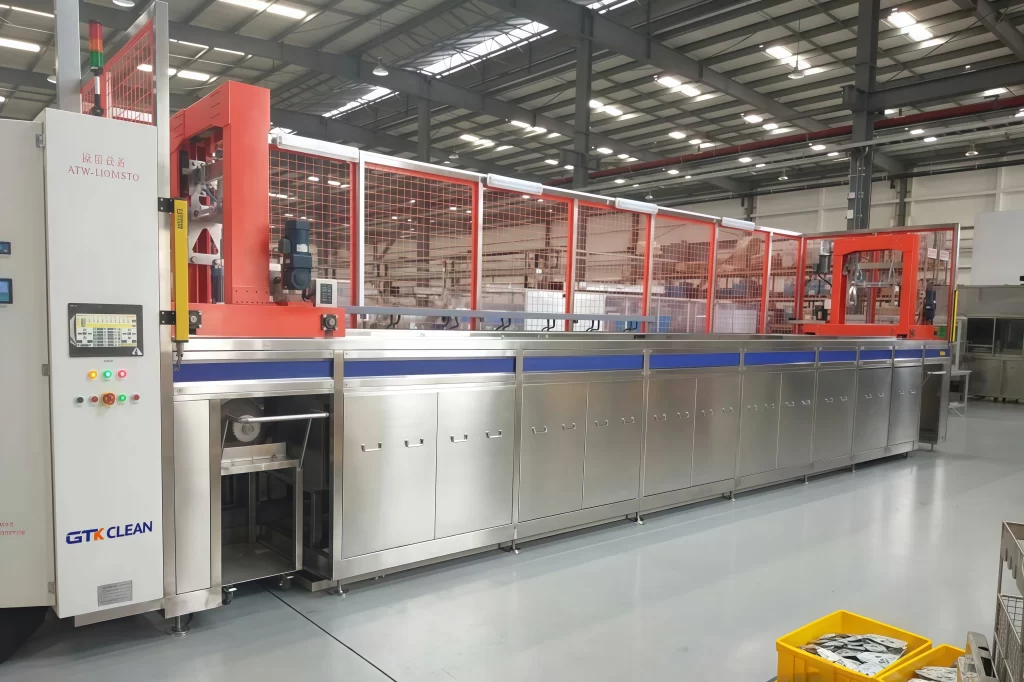
For high-volume production of complex parts, an automated system with advanced features provides better long-term value despite higher upfront costs. For smaller batches or diverse part types, a semi-automated system offers flexibility and controlled investment. Our Rotary Basket Ultrasonic Cleaning Systems are ideal for complex parts requiring 360° cleaning.
| Feature | Semi-Automated Ultrasonic Washer | Fully Automated Ultrasonic Washer |
|---|---|---|
| Initial Cost | Moderate | High |
| Labor Requirement | Moderate | Low |
| Flexibility | High | Moderate |
| Throughput | Medium | High |
| Complexity Handling | Good | Excellent |
Making the Right Choice for Your Business
Selecting the appropriate cleaning system requires a clear understanding of specific operational demands and long-term strategic goals. We guide businesses in making informed decisions.
Determining Your Specific Requirements
Assess part geometry, contaminant types, required cleanliness levels, and production volume. Consider future growth and potential changes in part specifications. This detailed assessment helps define the necessary features and capabilities of the cleaning system.Long-Term Value and Return on Investment
Evaluate the total cost of ownership, including energy, labor, chemical consumption, and maintenance. A system that offers superior cleaning quality, reduced rework, and extended part life provides a higher return on investment over time. Our 20+ years of R&D experience and 28 technical patents ensure we deliver superior cleaning performance and long-term value.
FAQs
1. What is the main difference between semi-automated and fully automated ultrasonic washers?
Semi-automated systems usually require some manual intervention, such as loading/unloading parts or initiating cycles, offering a balance between manual control and automated efficiency. Fully automated systems integrate into production lines with minimal human interaction.
2. How does ultrasonic frequency impact cleaning performance and cost?
Higher frequencies (e.g., >40 kHz) generally provide finer, gentler cleaning suitable for delicate parts and intricate geometries, often at a higher initial cost. Lower frequencies (e.g., 20-30 kHz) offer more aggressive cleaning for robust parts, usually at a lower price point. The choice depends on the specific application and desired cleanliness level.
3. What are the typical ongoing costs for a semi-automated ultrasonic washer?
Ongoing costs include electricity consumption, cleaning chemicals (detergents, solvents), water usage (if applicable), and periodic maintenance (e.g., transducer checks, filter replacement). Labor costs for operation and supervision also contribute significantly to the total cost of ownership.
4. Can semi-automated ultrasonic washers handle different types of contaminants?
Yes, with the right choice of cleaning solution, temperature, and ultrasonic frequency, semi-automated washers can effectively remove a wide range of contaminants, including oils, grease, chips, flux, and other residues. Customization of the cleaning process is key to success.
5. How can I calculate the ROI for investing in a semi-automated ultrasonic washer?
Calculating ROI involves comparing the initial investment and ongoing operational costs against the benefits, such as reduced labor, improved cleaning quality, decreased rework, extended product lifespan, and compliance with cleanliness standards. Consider factors like energy savings and chemical consumption reduction over time.
Ready to Optimize Your Cleaning Process?
Ready to optimize your industrial cleaning process? Contact GTKCLEAN today for a personalized consultation and discover how our semi-automated ultrasonic washers can meet your specific cost and performance requirements. Email us at [email protected] or call +86 17768507147.
 English
  German
  Spanish
  French
  Russian
  Portuguese