
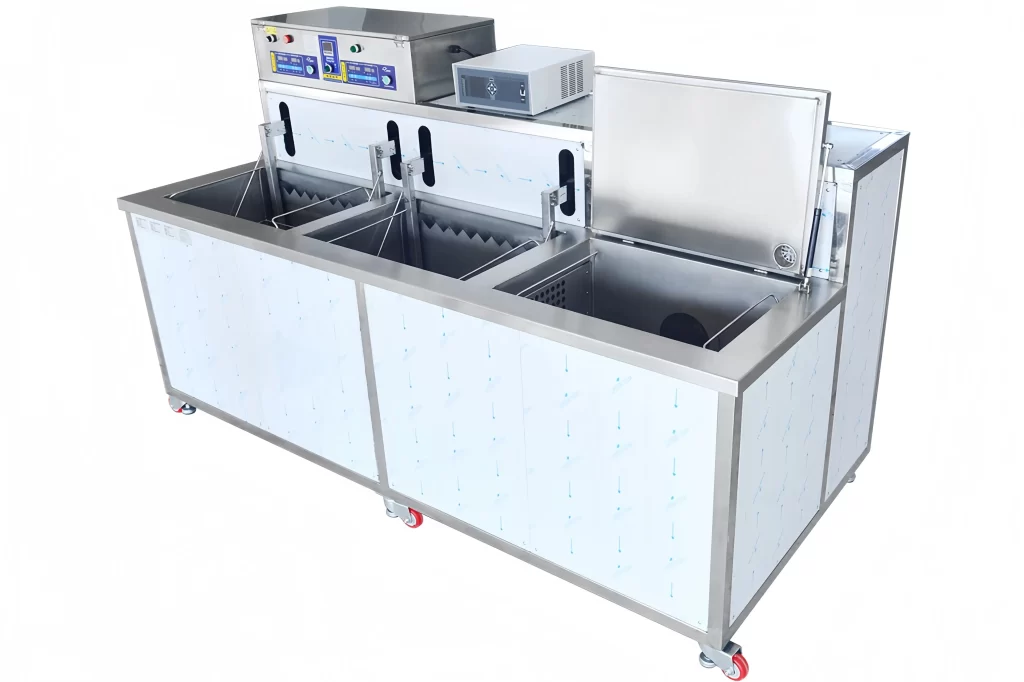
In 2026, ultrasonic cleaning technology is no longer just about delivering more power to the tank. The latest developments focus on smarter integration, higher precision, and lower total cost of ownership. Engineers working with complex machined parts, stamping components, or pre-coating processes need cleaning systems that deliver repeatable results while minimizing solvent use and energy consumption. Drawing on two decades of designing automated cleaning lines for factories across 20 countries, I've observed that the real breakthroughs this year are in transducer control, automation software, and solvent recovery, not in raw wattage.
Transducer and Generator Advances That Improve Cleaning Precision
The ultrasonic transducer is the heart of any cleaning system, and 2026 brings practical improvements in both design and control. Rod transducers, which concentrate energy along a linear axis, are being refined to deliver higher power density without the hot spots that cause uneven cleaning on delicate surfaces. Plate transducers, meanwhile, are now available with segmented drive zones that can be tuned independently, a feature that matters when cleaning mixed loads of components with different geometries.
Generator electronics have also advanced beyond simple frequency matching. The latest units monitor real-time impedance changes as cavitation fields shift with temperature and load. This allows the system to maintain optimal energy coupling without manual intervention. In production environments, this means fewer rejected parts due to inconsistent cavitation intensity. For applications like pre-PVD coating cleaning, where surface preparation directly affects adhesion and film quality, the difference is measurable. We have integrated such generators into systems that achieve rinse water conductivity below 0.06 μS/cm, a level that prevents water spots and secondary contamination on optical components and cutting inserts.
Automation and Smart Features: From Manual to Industry 4.0 Integration
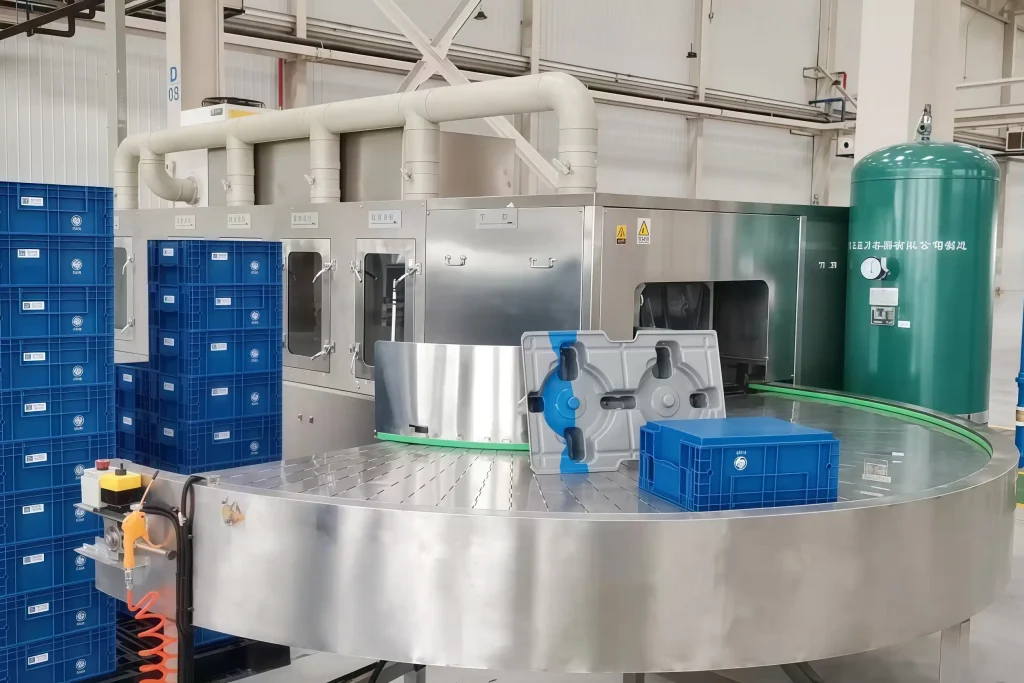
The shift to fully automated ultrasonic cleaning systems with PLC-based control is the most significant development for high-volume manufacturing. Rather than a single preset cycle, modern systems store multiple cleaning programs that can be selected or even triggered by barcode scanning of the part tray. This eliminates operator variability and ensures each part batch follows the validated cleaning protocol. Siemens and Mitsubishi PLCs with color touchscreen HMIs now support remote software upgrades and fault diagnostics, reducing downtime and simplifying maintenance across global production sites.
Beyond automation, the integration of cleaning systems into MES and ERP platforms allows process data to be recorded for traceability. In aerospace or medical device production, this audit trail is no longer optional. I have seen facilities where automated logging of cleaning parameters has cut validation documentation time by half while improving confidence in compliance. The real value, however, comes from predictive maintenance. Monitoring pump pressures, filter status, and transducer duty cycles lets systems alert staff before a failure impacts production.
Solvent Recovery and Sustainability: Meeting 2026 Environmental Standards
Solvent-based ultrasonic cleaning remains essential for removing heavy stamping oils or heat treatment residues, but environmental regulations and operating costs have driven rapid innovation in solvent recovery. Today's vacuum ultrasonic cleaning machines integrate distillation-based recovery loops that can reclaim over 90% of the hydrocarbon or modified alcohol solvent. In one deployment of a multi-tank hydrocarbon ultrasonic cleaner for battery housing components, the solvent consumption dropped to less than 200 liters per month while maintaining consistent degreasing performance.
Vapor degreasing systems with closed-loop solvent recovery also address the challenge of blind holes and complex cavities. Under vacuum, the solvent boils at a lower temperature, penetrating recesses that spray cleaning alone cannot reach, then the vapor is condensed and recycled. For companies facing VOC emission limits, this technology is a practical path to compliance without sacrificing cleaning quality. The key is matching the solvent type to the contaminant and part material. In my experience, a well-configured hydrocarbon vacuum system often achieves the same cleanliness level as a traditional aqueous line but with a smaller footprint and no wastewater treatment requirement.
If your production requires solvent cleaning and your operating costs per batch have been climbing, it's worth confirming whether a modern recovery system can reduce consumption by the margin that justifies the capital cost. Share your current solvent usage figures and part throughput with our team at [email protected], and we can help you calculate the break-even point.
How to Match New Ultrasonic Technology to Your Production Needs
With more options than ever, selecting the right ultrasonic cleaning system in 2026 means matching the technology to the specific demands of your parts and process. High-frequency cleaning above 40 kHz is gentler and reaches tight gaps without erosion, making it suitable for electronics components and precision optics. Lower frequencies around 20-28 kHz produce stronger cavitation needed for degreasing heavy stamping or machined parts. Multi-stage systems combine tanks at different frequencies with rinsing and drying stations to handle mixed requirements in a single automated line.
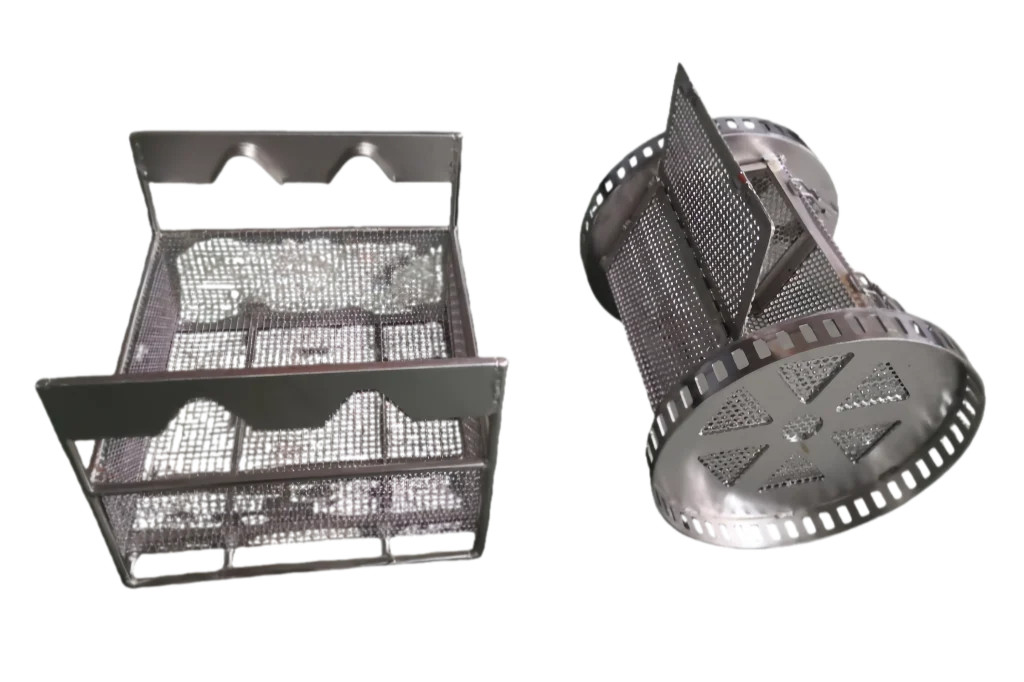
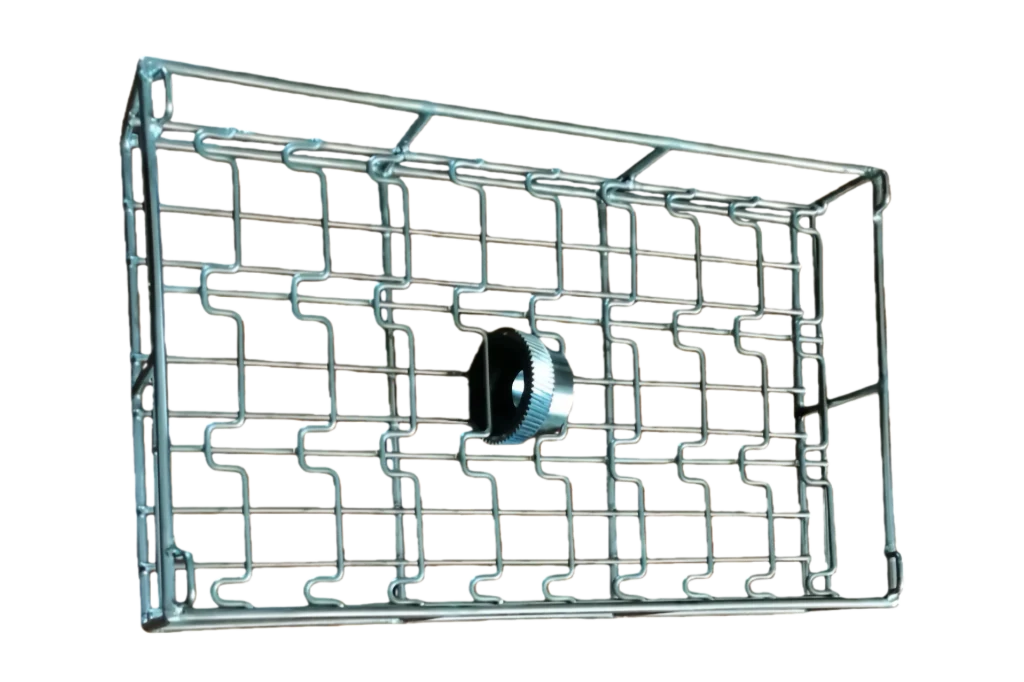
Basket design is another factor that has seen real improvement. Rotary baskets now support loads up to 2,000 kg with reinforced tanks and motors, ensuring that even large engine blocks or gearboxes rotate continuously to drain blind holes and prevent liquid carryover. Custom baskets with part-specific fixtures reduce collision damage and improve repeatability. Pairing the right basket with the right automation level turns a cleaning machine from a bottleneck into a reliable step in the production flow.
Your Next Step Toward Higher Precision Cleaning
Today's ultrasonic cleaning technology developments are not just incremental upgrades. They address the root causes of inconsistency, high operational cost, and lack of process traceability that have frustrated engineers for years. Whether you are cleaning parts for PVD coating, aerospace inspection, or high-volume automotive assembly, the right system can reduce reject rates and solvent expenses while delivering auditable quality records.
To begin evaluating how the latest ultrasonic cleaning systems can fit your specific product line, send your part drawings, throughput targets, and current cleaning challenges to [email protected] or call +86 17768507147. Our engineering team will help you assess the most suitable system configuration and automation level, including a transparent comparison of solvent and aqueous options tailored to your production reality.
Common Questions About Ultrasonic Cleaning Technology in 2026
What is the most impactful change in ultrasonic cleaning technology this year?
The shift from standalone power-focused machines to integrated, data-driven systems. The ability to monitor and adjust cleaning parameters in real time, log every cycle for traceability, and recover solvents automatically now delivers a level of control that directly reduces scrap and operational cost. Manufacturers who adopt these systems gain a measurable advantage in part quality and documentation, which is increasingly required by major OEMs.
What frequency should I use for cleaning my parts before coating?
It depends on the part material and the coating process. For hard coatings like PVD or DLC on metallic substrates, frequencies between 28 kHz and 40 kHz typically provide enough cavitation energy to remove polishing compounds and particulate without pitting. Optical components or soft substrates often require 68-80 kHz to avoid surface damage. A trial cleaning with your actual parts is the only way to confirm the right frequency, so share a sample batch with a qualified system builder to validate the approach.
Can a single ultrasonic system handle both aqueous and solvent cleaning?
Not typically in the same tank due to material compatibility, but multi-tank systems can include both aqueous and solvent stages. For example, a three-tank system might use an aqueous ultrasonic pre-wash, a solvent ultrasonic main wash, and a solvent vapor rinse/dry in separate sealed chambers. This configuration allows handling parts that require heavy oil removal in the solvent stage but benefit from a final aqueous rinse to eliminate any solvent residue. A custom design is usually needed, so specify your contaminant types and cleanliness standard clearly in the request.
How do I know if I need a fully automated system or a semi-automated one?
The decision comes down to throughput and quality consistency. If you process more than 500 parts per hour or require strict cleanliness documentation, fully automated systems with barcode-triggered recipes are the standard for 2026. Semi-automated systems, where operators move baskets between tanks manually, still work for batch production of high-value components where cycle time is not the bottleneck. However, manual handling increases the risk of contamination and inconsistency. I recommend auditing your current reject rate and labor cost per part; if both are increasing, automation is a logical next step.
What should I look for in a manufacturer when upgrading to a new ultrasonic cleaning system?
Beyond the equipment specification, look for a manufacturer who offers application testing with your actual parts, provides detailed process documentation, and has a track record of supporting installations across multiple countries. Custom basket design, integration with your existing line, and remote diagnostic capability are becoming standard expectations in 2026. A supplier who can show you similar production lines they have deployed will reduce your risk. To verify a manufacturer's real-world capability, share your part specifications and cleaning requirements at [email protected]; we can arrange a test cleaning and provide a process validation report that confirms the cleaning results before you commit to a system.
If you're interested, check out these related articles:
Optimizing Industrial Cleaning to Reduce Solution Expenses
Aerospace Part Cleaning Solutions - GTK
Justify Ultrasonic Cleaning Equipment Investment: A Strategic ROI Guide
Automotive Parts Cleaning Solutions - GTK
 English
  German
  Spanish
  French
  Russian
  Portuguese