
Choosing between water-based and solvent-based ultrasonic cleaning comes down to what you're actually trying to clean and what constraints you're working within. After twenty-plus years developing these systems at GTKCLEAN, backed by 28 technical patents, we've seen both approaches succeed brilliantly and fail spectacularly when mismatched to the application. The right choice depends on your contaminants, materials, regulatory environment, and budget realities.
How Aqueous Ultrasonic Cleaning Actually Works
Aqueous cleaning combines water with specialized biodegradable detergents to strip away contaminants. The real work happens through ultrasonic cavitation. High-frequency sound waves generate microscopic bubbles throughout the cleaning solution. These bubbles form and collapse rapidly, creating powerful implosions that blast dirt, oils, and residues off component surfaces.
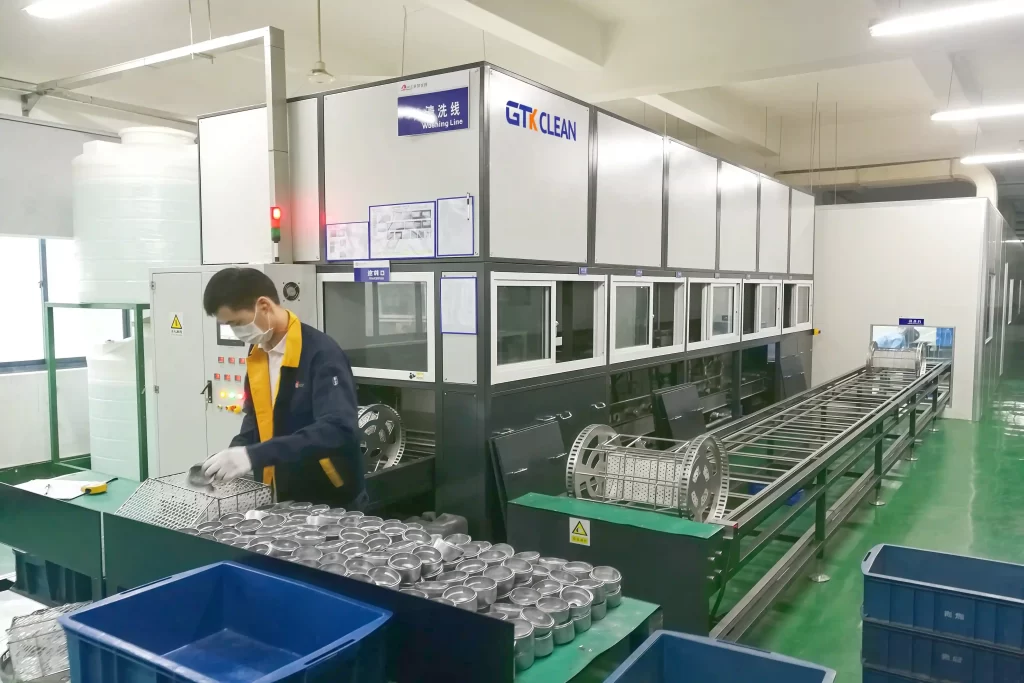
Several variables shape the outcome. Ultrasonic frequency matters significantly. Options like 20kHz, 28kHz, 40kHz, and 80kHz (all available in our Ultrasonic Vibration Plate products) each suit different cleaning scenarios. Temperature plays a role too. Our Pre PVD (Coating) Parts Ultrasonic Cleaners typically run at 45–65°C for cleaning and 30–40°C for rinsing. Detergent chemistry rounds out the equation.
Eco-friendly cleaning agents paired with advanced filtration systems, like those in our CNC Machined Parts and Stamping Parts cleaners, keep solutions working longer and cut waste. This approach handles water-soluble contaminants and particulate matter particularly well.
Where Water Based Processes Shine and Where They Struggle
Water-based ultrasonic cleaning brings real advantages to the table. Health and safety risks drop considerably with non-flammable solutions and reduced VOC emissions. This alignment with environmental regulations matters more each year. Biodegradable detergents support sustainable operations without sacrificing cleaning power.
The limitations are real though. Drying takes longer. You may need specialized methods like air knife or vacuum drying (standard in our Pre PVD (Coating) Parts Ultrasonic Cleaners) to prevent water spots or corrosion. Material compatibility requires attention. Some sensitive metals react badly to aqueous solutions, demanding careful detergent selection and process tuning. Still, the cost efficiency and environmental profile make water-based systems the default choice for many industrial applications.
If you are interested, check 《What Is the Principle of an Ultrasonic Cleaning Machine?》.
What Makes Solvent Based Ultrasonic Cleaning Different
Solvent-based systems use non-aqueous solvents like hydrocarbon solvents or modified alcohols for precision cleaning. Ultrasonic cavitation still drives the action, but the solvent's chemical properties dissolve and remove non-polar contaminants. Oils, greases, waxes, machining fluids. The stuff water struggles with.
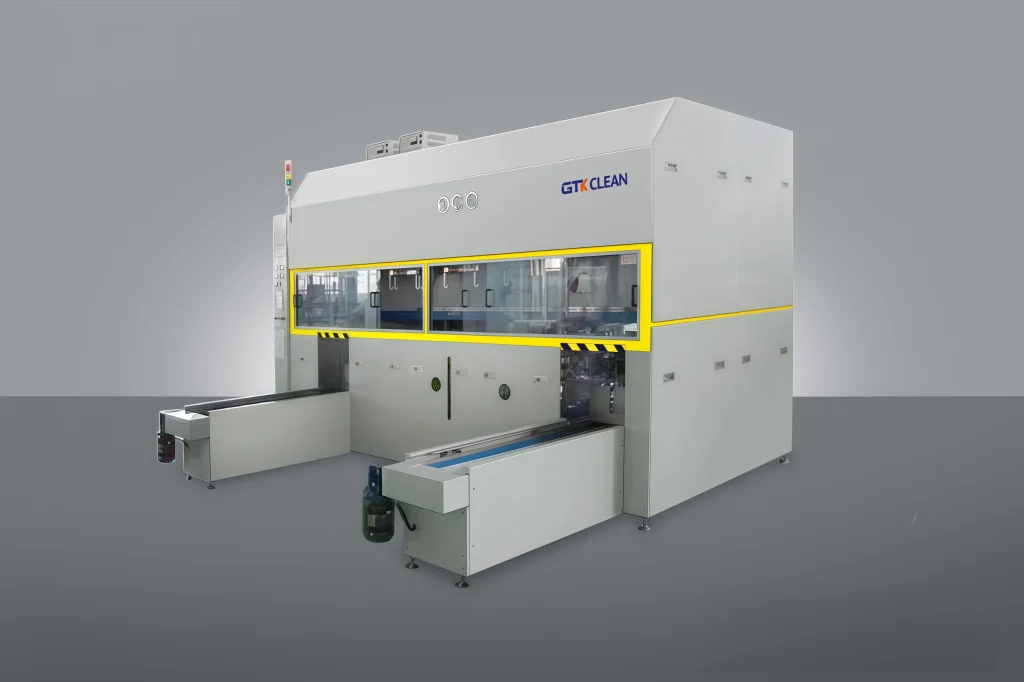
Our Multi-Tank Hydrocarbon Ultrasonic Cleaners and Hydrocarbon Solvent Ultrasonic Vacuum Cleaners demonstrate this technology in action. Advanced features include vacuum ultrasonic cleaning for deeper penetration into blind holes and complex geometries, plus vacuum hydrocarbon vapor drying for complete, residue-free results. Solvent heating typically runs between 40–60°C to maximize solubility and degreasing efficiency.
The Trade-offs with Solvent Based Cleaning
Solvent-based ultrasonic cleaning delivers when you need high precision and fast drying. Stubborn organic contaminants don't stand a chance. Materials sensitive to water or prone to corrosion stay protected. Quick-drying solvents eliminate lengthy post-cleaning processes, keeping production moving.
The challenges center on safety and waste. Flammable solvents and VOC emissions demand robust safety measures. Gas monitoring, specialized exhaust systems, trained personnel. Regulatory compliance requires efficient solvent recovery through distillation-based systems to minimize consumption and hazardous waste. The complexity and cost are real, but superior cleaning performance for specific applications often makes the investment worthwhile.
Matching Performance to Your Application
The water versus solvent decision comes down to performance metrics and application fit. Water-based systems like our Ultrasonic Cleaners for CNC Machined Parts excel at removing cutting fluids, chips, burrs, and dust through multi-stage processes with RO and DI water rinses. They work across a broad range of industrial applications where water compatibility isn't an issue.
Solvent-based systems like our Hydrocarbon Solvent Ultrasonic Vacuum Cleaners target precision cleaning of parts with blind holes or complex geometries. They remove stamping oils and other non-polar contaminants that water-based approaches can't touch. Rapid, residue-free drying makes them indispensable for electronics, medical devices, and aerospace components.
| Feature | Water-Based Ultrasonic Cleaning | Solvent-Based Ultrasonic Cleaning |
|---|---|---|
| Primary Contaminants | Water-soluble, particulates, light oils | Oils, greases, waxes, machining fluids, non-polar residues |
| Drying Time | Longer, requires specialized drying | Shorter, often residue-free |
| Environmental Impact | Lower VOCs, biodegradable detergents, wastewater treatment needed | Higher VOCs, hazardous waste management, solvent recovery crucial |
| Material Compatibility | Broad, but some materials sensitive to water | Excellent for water-sensitive materials, precision components |
| Typical Applications | General industrial, automotive, stamping parts | Electronics, medical devices, aerospace, precision hardware |
Finding the Right Fit for Your Materials and Contaminants
Getting this right requires understanding your components, contaminants, and cleanliness targets. Delicate components or materials sensitive to aqueous solutions, like certain electronics or precision hardware, often need solvent-based systems such as our Multi-Tank Hydrocarbon Ultrasonic Cleaners. They prevent water-induced corrosion and residue formation.
Water-based systems including our Pre PVD (Coating) Parts Ultrasonic Cleaners handle metals, molds, and optical components well, especially when paired with ultrapure water systems to prevent water spots. The decision balances cleaning efficacy, material compatibility, and environmental considerations. We customize solutions based on these factors to ensure optimal contaminant removal across diverse industrial applications.
Environmental Realities and Regulatory Requirements
Environmental impact and regulatory compliance create meaningful differences between these approaches. Water-based systems using biodegradable detergents and advanced water treatment generally leave a smaller ecological footprint. Our Pre PVD (Coating) Parts Ultrasonic Cleaners use ultrapure water with alkaline/neutral detergents and feature circulation filtration to minimize water and detergent consumption. This aligns with environmental regulations, though wastewater discharge management remains a consideration.
Solvent-based systems, particularly those using hydrocarbon solvents, face stricter regulatory scrutiny. VOC emissions and spent solvent classification as hazardous waste require careful attention.
Managing Safety and Waste Effectively
Safety protocols and waste management differ substantially between approaches. Water-based systems carry lower occupational safety risks with non-flammable solutions. Waste management focuses on treating and discharging wastewater according to local regulations.
Solvent-based systems demand rigorous safety measures for handling flammable or toxic solvents. Comprehensive ventilation, gas monitoring, fire suppression systems. Effective waste disposal often involves solvent recovery systems that distill and reuse solvents, reducing hazardous waste volumes and operational costs. Our Hydrocarbon Solvent Ultrasonic Vacuum Cleaners include built-in vapor condensation and vacuum distillation for efficient solvent recovery, ensuring regulatory compliance while minimizing environmental impact.
If you are interested, check 《What Is The Technical Principle Of Hydrocarbon(Solvent) Cleaning Machines?》.
What These Systems Actually Cost to Own
Understanding operational costs and return on investment shapes smart purchasing decisions. Initial investment varies widely based on customization and capacity for both system types.
Water-based systems often run lower chemical costs with less expensive detergents, but may consume more energy for heating and drying. Wastewater treatment adds ongoing expenses. Solvent-based systems may start with higher solvent costs, but efficient recovery systems significantly reduce long-term consumption and disposal expenses. Faster drying times can increase throughput and reduce labor, affecting overall ROI.
| Cost Factor | Water-Based Systems | Solvent-Based Systems |
|---|---|---|
| Initial Investment | Moderate to High (depending on automation) | Moderate to High (depending on automation & features) |
| Consumables (Chemicals) | Lower (biodegradable detergents) | Higher (specialized solvents, but recoverable) |
| Energy Consumption | Higher (for heating and drying) | Moderate (for heating, vacuum, distillation) |
| Waste Management | Wastewater treatment, discharge fees | Hazardous waste disposal, solvent recovery |
| Maintenance | Filtration, solution replenishment, pump checks | Solvent purity monitoring, distillation unit upkeep |
| Labor Costs | Moderate (can be automated) | Moderate (can be automated) |
Energy and Maintenance Realities
Energy consumption and maintenance requirements follow different patterns. Water-based systems with heated cleaning and rinsing stages consume more energy for temperature control and drying. Maintenance centers on filtering particulates and replenishing cleaning solutions.
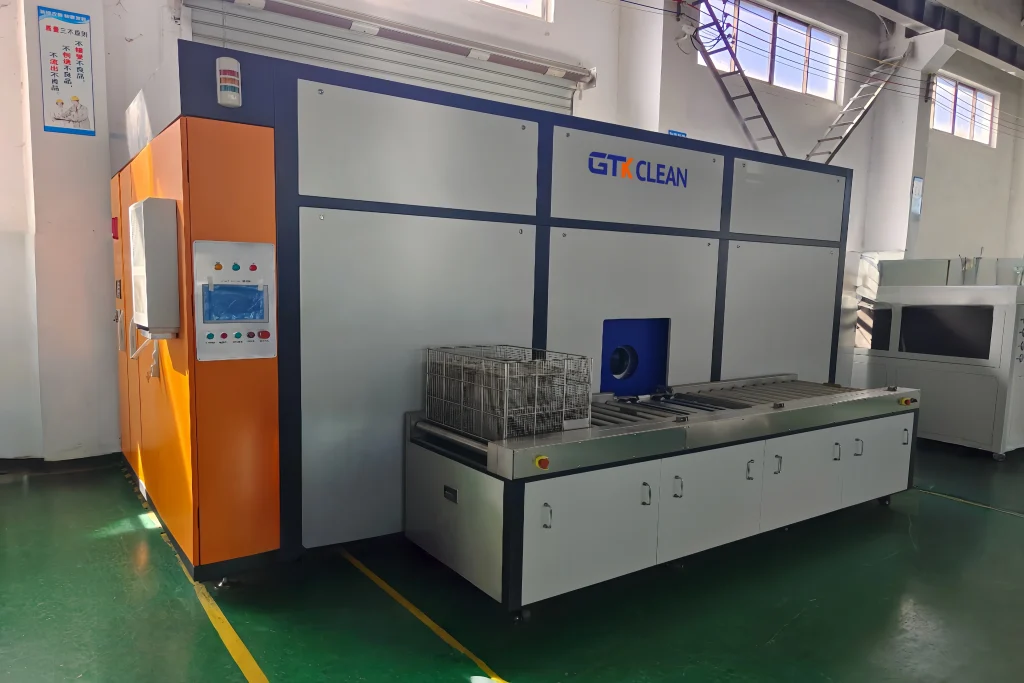
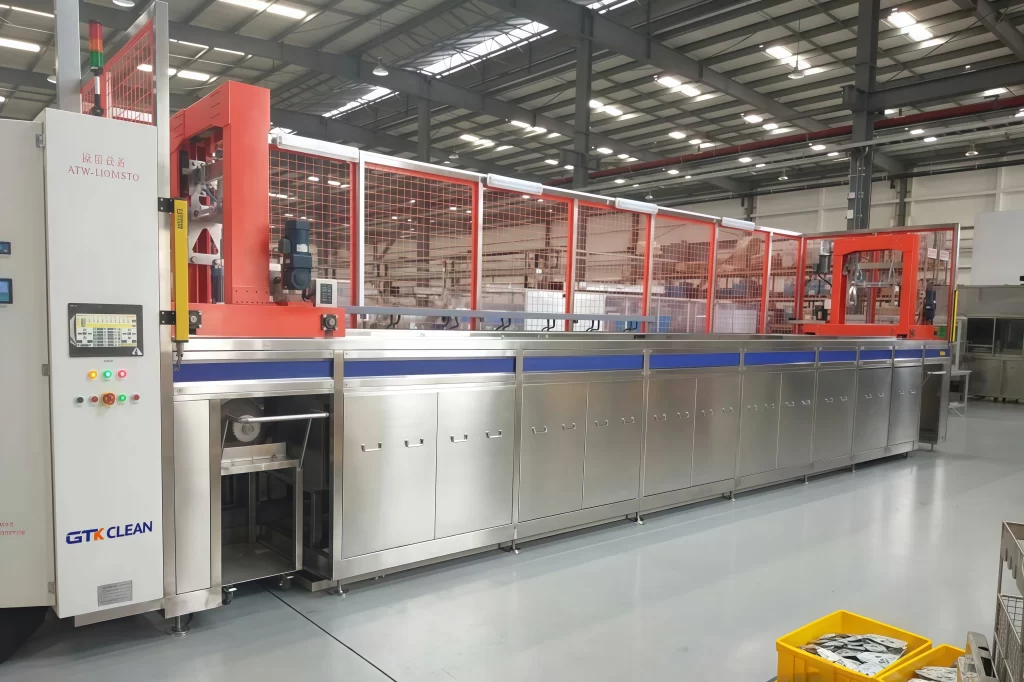
Solvent-based systems also require heating, and often integrate vacuum drying and solvent distillation. These can be energy-intensive but get offset by solvent recycling. Maintenance focuses on monitoring solvent purity, maintaining distillation units, and ensuring safety system integrity. Efficient designs like those in our Automated Ultrasonic Cleaners and Rotary Basket Ultrasonic Cleaning Systems optimize energy use and simplify maintenance routines.
If you are interested, check 《What Is Ultrasonic Cavitation Effect?》.
Work with GTKCLEAN on Your Cleaning Challenges
GTKCLEAN brings 20+ years of R&D experience and 28 technical patents to industrial cleaning challenges. Whether your application demands solvent-based precision or water-based sustainability, our solutions deliver superior performance and compliance. Contact Suzhou Grintek Environmental Technology Co.,Ltd. for a consultation tailored to your specific requirements. Reach us at [email protected] or call +86 17768507147.
Frequently Asked Questions
What are the primary environmental and safety considerations for each ultrasonic cleaning system?
Water-based ultrasonic cleaning systems generally offer superior environmental profiles due to the use of biodegradable detergents and lower VOC emissions, aligning with stringent environmental regulations. Safety considerations are also typically lower due to non-flammable solutions. Solvent-based systems, while highly effective, require careful management of hazardous waste, VOC emissions, and flammability, necessitating robust safety protocols and often solvent recovery systems to ensure regulatory compliance and occupational safety.
How do operating costs and maintenance differ between water based and solvent based ultrasonic systems?
Operating costs for water-based ultrasonic cleaning systems often involve higher energy consumption for heating and drying, along with wastewater treatment expenses. Maintenance typically focuses on filtration and solution replenishment. Solvent-based systems, conversely, may have higher initial solvent costs and require specialized solvent recovery and waste disposal, but can offer faster drying times and potentially lower energy for heating. Long-term return on investment (ROI) is influenced by factors like solvent recycling efficiency, energy efficiency, and regulatory compliance costs for each system.
Which ultrasonic cleaning system is best suited for delicate components or specific materials?
For delicate components or materials sensitive to aqueous solutions, solvent-based ultrasonic cleaning systems often provide superior results due to their rapid drying and ability to clean without water-induced corrosion or residue. They excel in precision cleaning for electronics, medical devices, and aerospace components. Water-based systems are highly versatile but require careful selection of detergents and drying methods for sensitive parts, making them ideal for a broader range of industrial applications where material compatibility with water is not an issue.
 English
  German
  Spanish
  French
  Russian
  Portuguese