
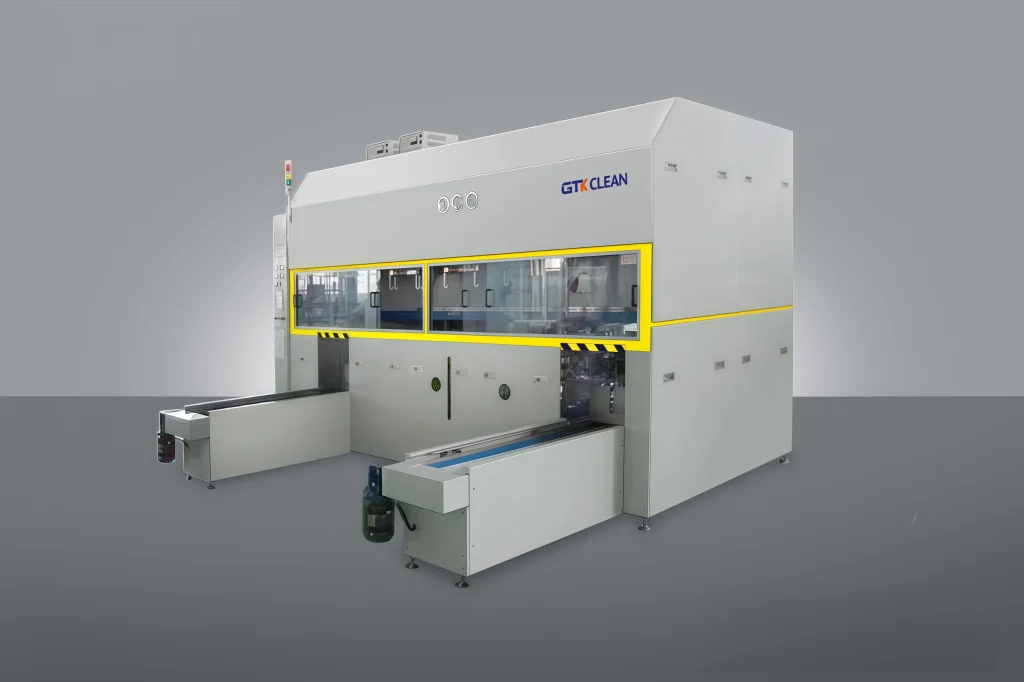
Choosing a solvent cleaning system comes down to matching the equipment to what you actually need to clean, how fast you need to clean it, and what constraints you're working under. Nine parameters drive most decisions: part material, contaminant type, cleanliness standard, throughput, regulatory requirements, safety protocols, total cost, automation level, and environmental impact. Getting these right at the start prevents the expensive corrections that come from underestimating any one of them.
What Makes Part Material and Contaminant Type the Starting Point
Every solvent cleaning system selection starts with two questions: what are the parts made of, and what's on them that needs to come off?
Part material determines which solvents are even options. Certain plastics degrade when exposed to aggressive solvents, which rules out entire chemical families before you've even looked at cleaning performance. Metals are generally more forgiving, but surface treatments and coatings can still react badly with the wrong chemistry.
Contaminant type shapes both solvent selection and cleaning mechanism. Cutting fluids, greases, waxes, and particulate matter each respond differently to hydrocarbon solvents, modified alcohols, and chlorinated compounds. Inadequate contaminant identification leads to 40% cleaning failures in industrial settings, usually because the system was specified for one type of residue while the actual production process left something else behind.
Part geometry adds another layer. Blind holes, narrow slits, and internal channels increase cleaning time by 25-30% compared to simple external surfaces. These features often require ultrasonic cleaning or vacuum degreasing to ensure solvent reaches every surface that matters.
| Contaminant Type | Recommended Solvent Types |
|---|---|
| Cutting Oils | Hydrocarbon, Modified Alcohol |
| Greases | Hydrocarbon, Chlorinated Solvents |
| Waxes | Hydrocarbon, Modified Alcohol |
| Particulates | Hydrocarbon (with ultrasonic) |
| Fingerprints | Modified Alcohol, Hydrocarbon |
How Cleanliness Standards Determine System Complexity
The cleanliness specification you need to meet dictates how many cleaning stages you'll require and what inspection methods make sense downstream.
For high-tech manufacturing, specifications like ISO 16232 or ASTM F2459 set particle count and residue limits that often require multi-stage processes. A single cleaning tank rarely achieves these standards consistently. More typical industrial applications may tolerate simpler configurations, but even then, the standard should be defined before equipment is selected rather than assumed afterward.
Throughput capacity ties directly to system size and automation level. Manual processes work for low volumes or prototype work, but high-volume production typically requires automated systems that can boost throughput by 50% while maintaining consistent results. The trade-off is capital cost and floor space, which is why throughput projections need to be realistic rather than optimistic.
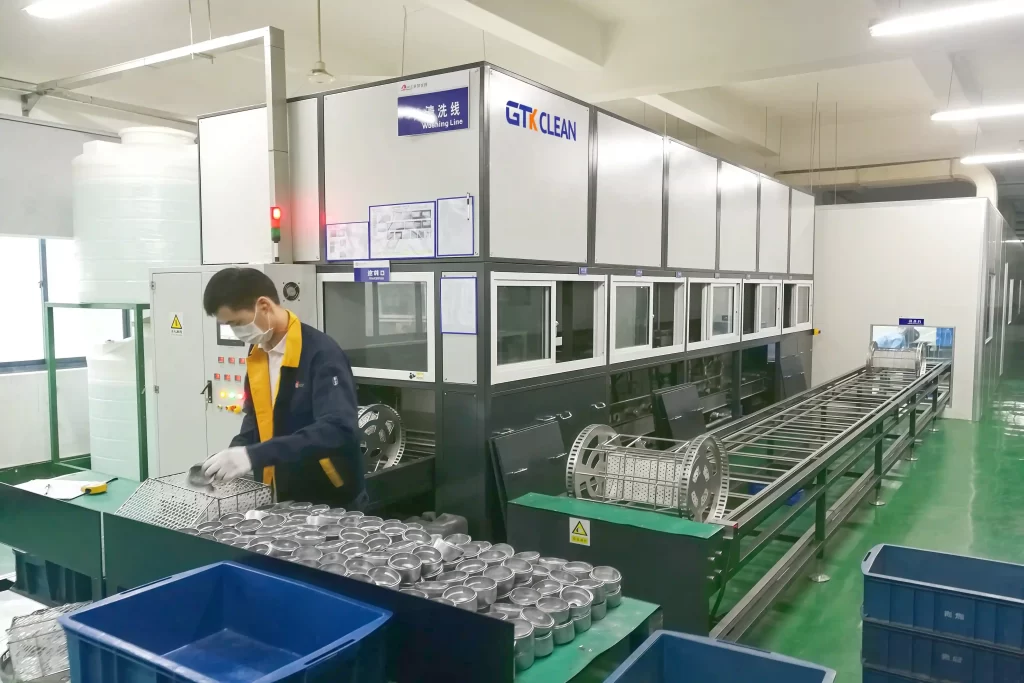
Multi-stage cleaning systems that integrate high-pressure spray, ultrasonic degreasing, and DI water rinsing achieve consistent results for precision-machined components. For stamping parts, rough and fine ultrasonic stages remove oils, chips, and anti-rust residues to prepare surfaces for electroplating or painting.
Why Regulatory Compliance Shapes Equipment Decisions Early
Environmental regulations and safety requirements aren't afterthoughts in solvent cleaning system selection. Non-compliance can result in fines up to $50,000 per day, and the reputational damage often costs more than the penalties.
VOC emission limits drive the adoption of closed-loop cleaning systems with efficient solvent recovery. Distillation-based recycling systems conserve hydrocarbon solvent and remove impurities, reducing solvent emissions by 90% compared to open systems. Vapor degreasing systems, when properly designed, offer excellent containment and recovery rates.
The regulatory landscape also influences the aqueous vs solvent cleaning decision. Some facilities find that tightening emission rules push them toward water-based alternatives, while others invest in better containment to continue using solvents that deliver superior cleaning performance for their specific contaminants.
Operating a solvent cleaning system requires strict adherence to safety protocols. Adequate ventilation prevents solvent vapor exposure, proper PPE protects operators, and established emergency procedures reduce incident severity. Fire safety measures like inert gas blanketing and explosion-proof components are necessary for systems using flammable solvents. Operator training is essential, not optional.
What Total Cost Actually Includes Beyond Purchase Price
Initial capital expenditure is the number everyone focuses on, but it's rarely the largest component of total cost over a system's useful life.
Ongoing operational costs include energy consumption, solvent replacement, maintenance, and waste disposal. Systems with integrated solvent recovery can reduce solvent purchases by 70%, which adds up quickly when hydrocarbon solvents cost what they do. Energy consumption varies significantly between system designs, and the difference compounds over years of operation.
Initial capital outlay can be offset by 30% lower operating costs over five years through reduced solvent consumption and labor. The system footprint also affects facility costs, particularly in manufacturing environments where floor space has a real dollar value.
ROI for advanced solvent cleaning systems varies by application, but the returns typically come from labor savings due to automation, reduced defect rates from superior cleaning quality, and cost savings from solvent recycling. Many systems pay for themselves within a few years when all these factors are accounted for.
If your production volume justifies automation but you're uncertain about the cost structure, it's worth modeling the five-year total cost before committing to a system configuration.
How Automation Level Affects Consistency and Labor Costs
The degree of automation in a cleaning system determines both labor requirements and cleaning consistency.
Fully automated systems reduce human error by 80% and ensure consistent cleaning quality across shifts and operators. Manual systems depend on operator attention and technique, which introduces variability that shows up in downstream quality metrics.
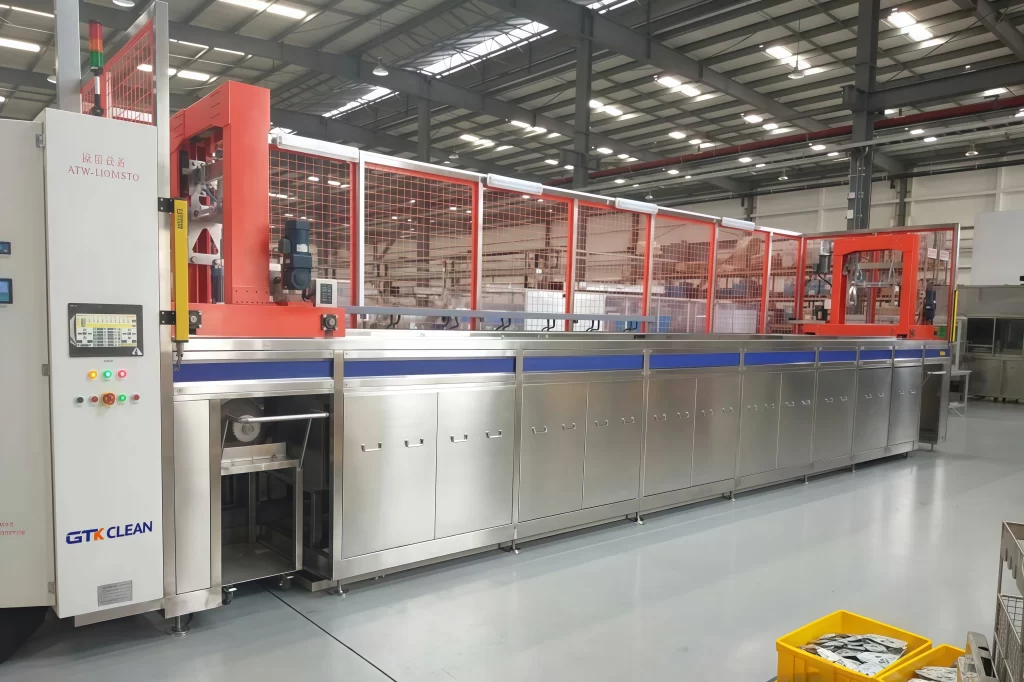
Single-station fully automatic systems integrate ultrasonic cleaning, vacuum vapor cleaning, and drying in one unit. HMI interfaces with remote monitoring and barcode-based automatic process switching allow the system to adapt to different part types without manual intervention. This level of automation makes sense when part variety is high and changeover time matters.
Integration into existing manufacturing processes is a practical consideration that gets overlooked during equipment selection. Programmable controls, robotic handling compatibility, and compact footprints determine how easily a cleaning system fits into an existing production line.
Future-proofing involves selecting systems with modular designs that allow for 20% easier upgrades when cleaning chemistry or part specifications change. The cleaning requirements you have today may not match what you need in three years, and modular systems accommodate that evolution without full replacement.
Frequently Asked Questions About Solvent Cleaning Systems
What makes solvent cleaning more effective than aqueous cleaning for precision parts?
Solvent cleaning removes non-polar contaminants like oils and greases without leaving residues, and parts dry rapidly without the water spots or corrosion risk that aqueous systems can introduce. For sensitive components where moisture is problematic, solvent cleaning is often the only practical option.
How do closed-loop systems achieve environmental compliance?
Closed-loop solvent cleaning systems minimize consumption and emissions through advanced solvent recovery and filtration. Distillation separates contaminants from solvent, allowing the cleaned solvent to be reused while the concentrated waste stream is disposed of properly. This approach meets stringent environmental regulations while reducing operating costs.
Can solvent cleaning systems handle automated production line integration?
Modern solvent cleaning systems are built for integration into automated production lines. Programmable controls, robotic handling compatibility, and compact footprints allow them to fit into existing workflows. The key is specifying integration requirements during system selection rather than discovering incompatibilities during installation. To discuss integration requirements for your production line, contact [email protected] or +86 17768507147.
If you're interested, you may want to read the following articles:
Precision Mold Cleaning Solutions
Leasing Versus Buying Industrial Cleaning Equipment Strategic Guide
Manual Ultrasonic Cleaning Machines: When to Use Them
 English
  German
  Spanish
  French
  Russian
  Portuguese