
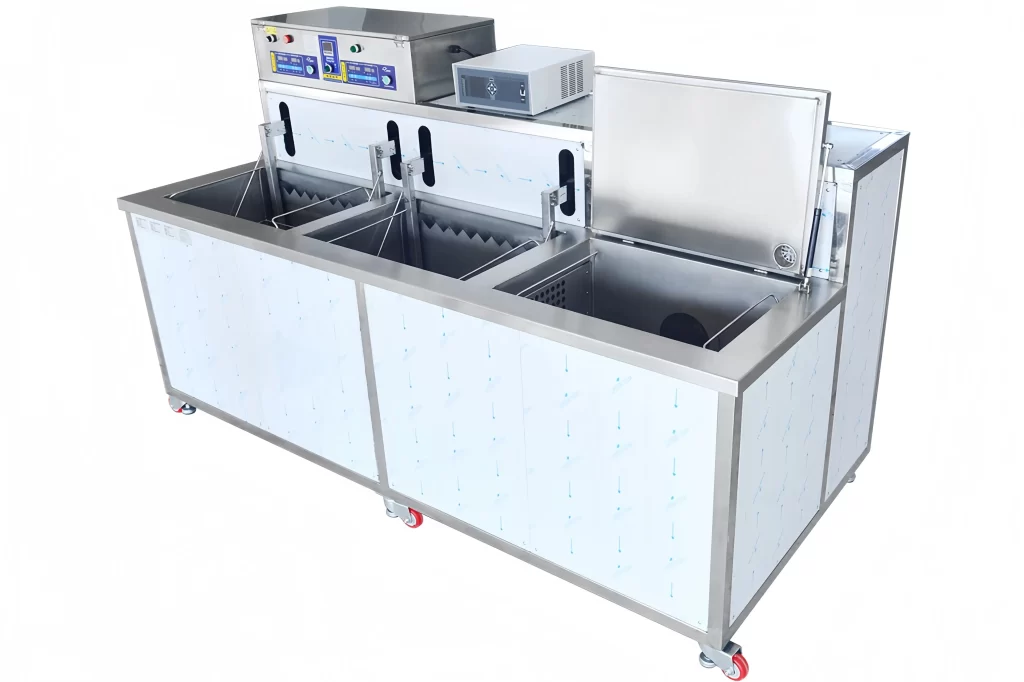
Industrial cleaning processes rely heavily on multi-tank systems to achieve precise cleanliness standards for manufactured parts. These complex setups are prone to various issues that can compromise cleaning efficacy, increase operational costs, and lead to product defects. Understanding and proactively addressing common multi-tank system errors is critical for maintaining consistent performance and ensuring the longevity of industrial cleaning equipment. This article examines typical problems and offers practical solutions to optimize your cleaning operations.
Where Multi-Tank System Problems Actually Start
Many multi-tank system problems originate from initial design oversights or improper installation, leading to foundational inefficiencies and recurring operational issues. A poorly designed system might not account for the specific geometry or material of the parts being cleaned, resulting in inadequate cleaning coverage or chemical incompatibility. If a system is designed without sufficient rinsing stages, residues from earlier cleaning steps can carry over, causing secondary contamination. Material compatibility is another frequent concern. Using the wrong tank materials can lead to corrosion, compromising the system's structural integrity and contaminating the cleaning solutions.
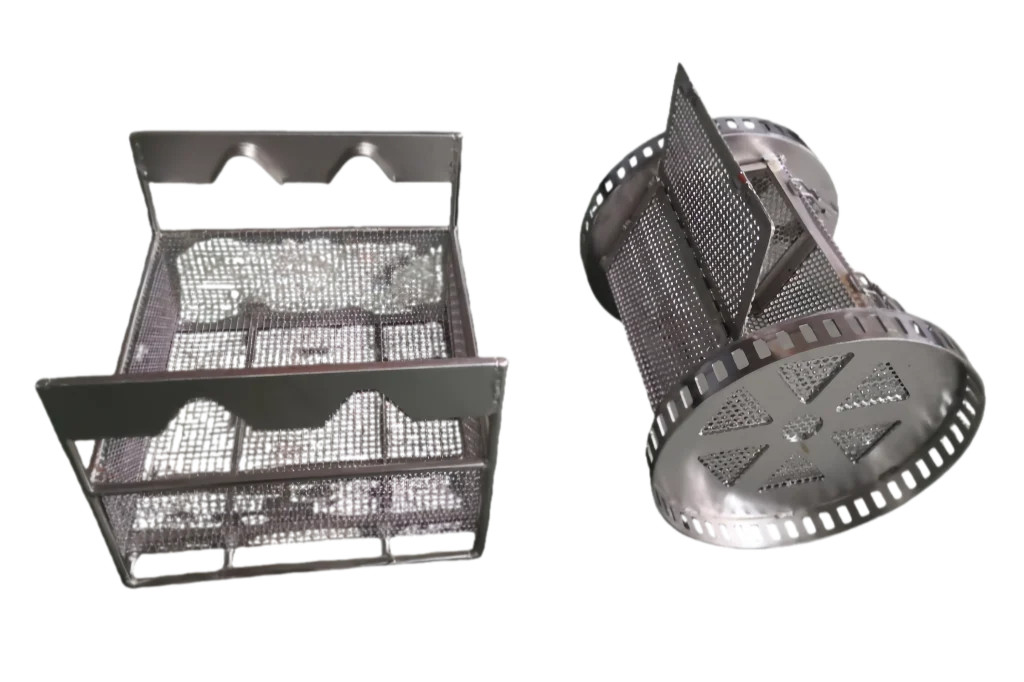
Our team often encounters situations where a client's existing system struggles with complex parts due to a lack of specialized features. In one project involving precision automotive components with deep blind holes, the original multi-tank setup failed to achieve the required cleanliness. We redesigned the process to incorporate a rotary basket ultrasonic cleaner, which provided 360° cleaning coverage and improved cleanliness levels by 30% for those specific parts. This change significantly reduced rework and improved overall quality control.
Why Chemical and Contamination Control Fails
Inaccurate chemical concentrations and inadequate contamination control are primary drivers of poor cleaning outcomes and can significantly shorten equipment lifespan. Maintaining the correct balance of cleaning agents is vital. Too little chemical results in ineffective cleaning, while too much can cause corrosion or residue buildup. Filtration systems are essential for removing particulate matter and extending the life of cleaning solutions, but if filters are improperly sized or not regularly maintained, they become ineffective. Contaminated solutions can redeposit soils onto cleaned parts, negating the entire cleaning process.
Waste management also plays a role, as improper disposal or recycling of spent solutions can lead to environmental issues and increased operating costs. Our independently designed Multi-Tank Hydrocarbon Ultrasonic Cleaners feature sophisticated solvent recycling systems with distillation-based recovery. This technology conserves hydrocarbon solvent, removes impurities, and reduces operational costs by minimizing fresh solvent consumption.
Here are common chemical and contamination issues and their solutions:
| Issue | Root Cause | Solution |
|---|---|---|
| Poor cleaning efficacy | Incorrect chemical concentration, spent solution | Regular chemical analysis, automated dosing, solution replacement |
| Residue on parts | Inadequate rinsing, contaminated solution | Improve rinse flow, enhance filtration, regular solution change |
| Tank corrosion | Incompatible chemicals, improper pH | Verify material compatibility, monitor pH, use corrosion inhibitors |
| Short solution lifespan | Insufficient filtration, high contaminant load | Upgrade filtration system, implement pre-cleaning steps |
| Environmental discharge issues | Ineffective waste treatment, high chemical usage | Implement solvent recycling, optimize water treatment systems |
How Mechanical and Operational Issues Affect Cleaning Quality
Mechanical breakdowns and operational inefficiencies directly impede cleaning quality and increase maintenance demands. Temperature control issues can affect chemical reaction rates and drying efficiency. Nozzle clogging in spray systems leads to uneven cleaning, leaving some areas untouched. Pump failures disrupt fluid circulation, impacting cleaning power and filtration. Automation malfunctions can halt production entirely or lead to inconsistent process cycles.
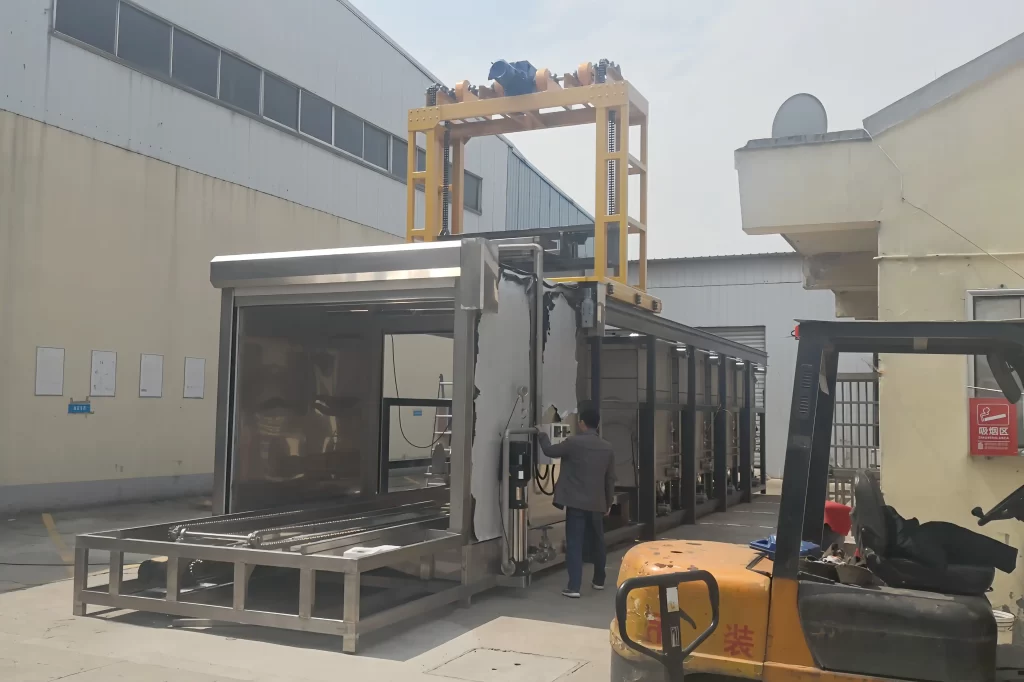
Even the drying stage can suffer errors, resulting in water spots or incomplete drying, which can cause corrosion or interfere with subsequent manufacturing steps. GTKCLEAN's independently designed automated cleaning equipment, including ultrasonic and conveyor systems, ensures robust performance and efficiency. Our Pre PVD (Coating) Parts Ultrasonic Cleaners include intelligent control systems with Siemens or Mitsubishi PLC and color touchscreen HMI, providing automatic alarms and fault diagnostics to quickly identify and address operational issues, minimizing downtime.
What Preventive Maintenance Actually Prevents
Consistent preventive maintenance schedules and comprehensive operator training are critical for ensuring long-term reliability and peak performance of multi-tank cleaning systems. A robust maintenance program extends equipment life, prevents unexpected failures, and maintains cleaning quality. Regular inspections, calibration of sensors, and timely replacement of wear parts are fundamental.
Operator training ensures that personnel understand the system's operation, troubleshooting procedures, and safety protocols. Without proper training, even the most advanced system can underperform due to incorrect settings or mishandling. Our 20+ years of R&D experience and patented technologies contribute to systems designed for superior cleaning performance and simplified maintenance. Our Ultrasonic Cleaners For Stamping Parts are designed for user-friendly operation and easy maintenance, including on-site installation, training, and remote software upgrade options to keep systems running optimally.
Here are key preventive maintenance and best practice recommendations:
| Category | Best Practice | Frequency |
|---|---|---|
| Solution Management | Monitor chemical concentrations and pH levels | Daily/Weekly |
| Change filters and replenish solutions | As needed, based on usage | |
| Mechanical Checks | Inspect pumps, nozzles, and heating elements | Weekly/Monthly |
| Lubricate moving parts and check for leaks | Monthly | |
| System Calibration | Calibrate temperature and level sensors | Quarterly |
| Verify ultrasonic frequency and power output | Bi-annually | |
| Operator Training | Conduct regular refresher courses | Annually |
| Document all maintenance and operational procedures | Ongoing |
How to Diagnose Multi-Tank System Symptoms Quickly
A structured approach to diagnosing and resolving common system symptoms can significantly reduce downtime and restore optimal industrial parts cleaning efficiency. When encountering issues, begin by checking the most common culprits before moving to more complex diagnostics. If parts are coming out dirty, first verify chemical concentration, solution temperature, and filtration status. If the system is experiencing frequent shutdowns, review alarm logs and inspect electrical connections and safety interlocks.
Understanding the interdependencies between different stages of a multi-tank system is key to effective troubleshooting. Our automated systems often provide diagnostic feedback, which helps pinpoint issues quickly. If your facility is experiencing recurring symptoms that standard checks do not resolve, it may be worth reviewing the original system design against your current part mix and throughput requirements.
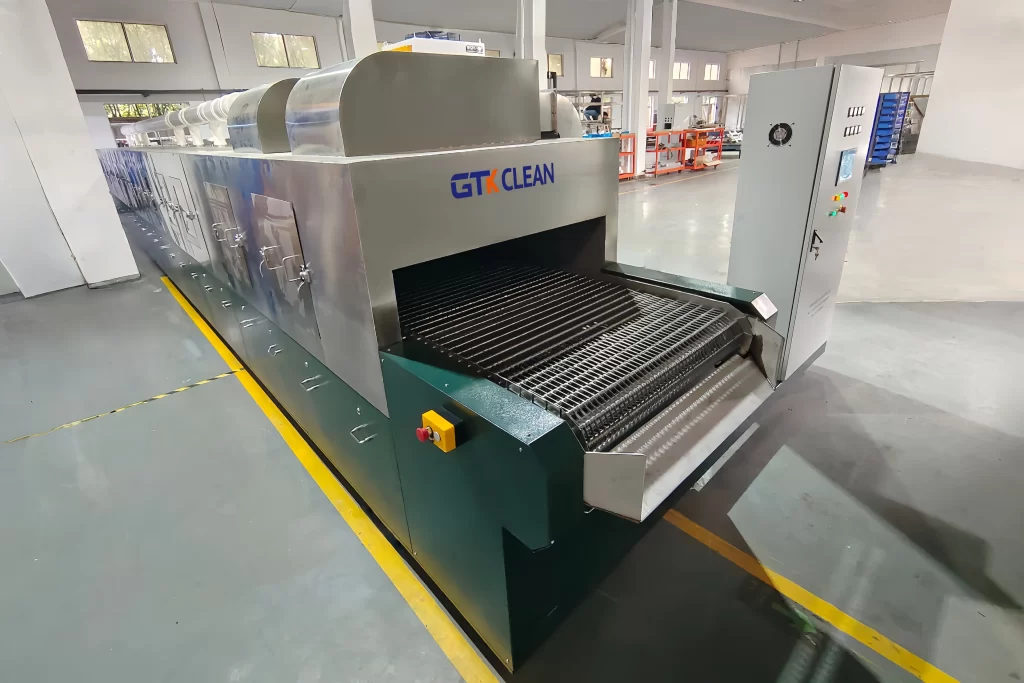
What causes poor cleaning results in multi-tank systems?
Poor cleaning results often stem from incorrect chemical concentrations, inadequate filtration leading to solution contamination, improper temperature settings, or mechanical issues like clogged nozzles. Ensuring proper system design and consistent maintenance are critical for effective industrial parts cleaning. These factors directly impact the cleaning agent's ability to remove contaminants effectively, leading to residues or incomplete cleaning across batches.
How often should industrial cleaning tanks be maintained?
Maintenance frequency for industrial cleaning tanks varies based on usage, but a general guideline includes daily checks, weekly solution analysis, and monthly comprehensive inspections. Regular preventive measures, including filter changes and sensor calibration, are vital for sustained system performance and to prevent unexpected downtime. Adhering to these schedules helps preempt larger issues and extends the operational life of the equipment.
Can improper chemical concentration damage cleaning equipment?
Yes, incorrect chemical concentrations can severely impact cleaning equipment. Over-concentration may lead to corrosion or premature wear of tank materials and components, while under-concentration can result in ineffective cleaning, requiring more cycles and increasing operational strain. Maintaining precise chemical balance is key for equipment longevity and optimal cleaning efficacy. To discuss how concentration monitoring can be integrated into your existing system, contact our team at [email protected].
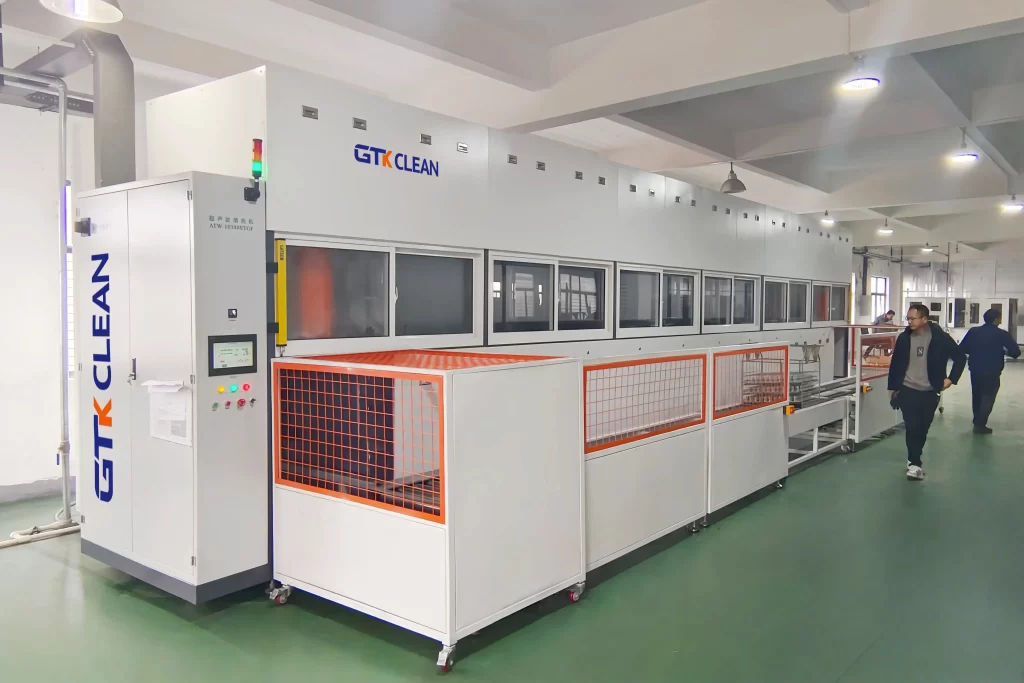
Inconsistent cleaning performance and costly downtime do not have to hinder your production. Suzhou Grintek Environmental Technology Co.,Ltd. helps manufacturers achieve superior cleaning results through independently designed, patented automated cleaning equipment. Contact us today to optimize your multi-tank system's efficiency and reliability. Reach us at [email protected] or +86 17768507147.
If you're interested, check out these related articles:
Pre-Coating Cleaning Solutions for PVD - GTK
Stamped Parts Cleaning Solutions - GTK
Justify Ultrasonic Cleaning Equipment Investment: A Strategic ROI Guide
How to Choose Cleaning Equipment for Medical Device Manufacturing
Ultrasonic Cleaning Systems: Precision, Efficiency, and Industrial Applications
 English
  German
  Spanish
  French
  Russian
  Portuguese