
Selecting the right solvent for industrial cleaning affects more than just how clean your parts come out. It determines your fire risk exposure, what PPE your operators need, and whether you'll pass your next environmental audit without scrambling. The choice between hydrocarbon and modified alcohol solvents comes down to understanding where each performs best and where each creates problems you'd rather avoid.
What Makes Hydrocarbon Solvents Effective for Heavy Degreasing
Hydrocarbon solvents remain the default choice for many metal finishing operations because they dissolve oils, greases, and organic residues efficiently. Their non-polar molecular structure matches the non-polar contaminants found on machined and stamped parts, which explains why they strip heavy cutting fluids and drawing compounds so effectively.
The trade-off shows up in their physical properties. Most hydrocarbon formulations have flash points low enough to require explosion-proof electrical systems, specialized ventilation, and strict protocols around ignition sources. The boiling point of your chosen hydrocarbon dictates the operating temperature of vapor degreasing equipment, and getting that balance wrong means either incomplete cleaning or excessive solvent loss.
I worked with an automotive stamping operation that was running a traditional hydrocarbon in an open-top vapor degreaser. The solvent loss through evaporation was substantial, and the odor in the facility told us vapor containment wasn't where it needed to be. Their steel stampings came out at roughly 95% cleanliness consistency, but blind holes retained oil that caused problems downstream. The flammability classification also meant they couldn't position the cleaning line adjacent to their assembly stations, adding handling steps and floor space to their process flow.
Health exposure adds another layer of concern. Prolonged inhalation of hydrocarbon vapors affects the central nervous system and respiratory function. OSHA exposure limits exist for good reasons, and meeting them requires either robust ventilation or closed-loop equipment that minimizes vapor escape.
| Property | Hydrocarbon Solvents (Typical) |
|---|---|
| Flammability | Highly flammable, low flash point |
| Toxicity | Moderate to high, CNS depressant |
| Cleaning Power | Excellent for oils, greases, non-polar soils |
| Evaporation Rate | Moderate to fast |
| Material Compatibility | Good with most metals, can affect some plastics |
| Odor | Distinct, often strong |
What Safety Issues Should You Expect with Hydrocarbon Solvents
The primary concerns are flammability and toxicity, and both require infrastructure investments to manage properly.
Fire and explosion risk stems from low flash points. Any operation using hydrocarbon solvents needs explosion-proof motors, proper grounding, and emergency response protocols that account for solvent fires. Vapor accumulation in poorly ventilated areas creates ignition hazards that can escalate quickly.
Toxicity manifests as central nervous system depression at lower exposure levels, with symptoms including dizziness, headaches, and impaired coordination. Skin contact causes irritation and can lead to dermatitis with repeated exposure. Closed-loop systems and appropriate PPE reduce these risks, but the baseline hazard profile remains higher than alternatives.
Where Modified Alcohol Solvents Perform Better
Modified alcohol solvents were engineered specifically to address the limitations of traditional hydrocarbons while maintaining acceptable cleaning performance. Their molecular structure combines polar and non-polar characteristics, which expands the range of contaminants they can dissolve. This dual nature means they handle both organic oils and certain water-soluble residues that hydrocarbons leave behind.
The safety improvements are measurable. Many modified alcohol formulations are non-flammable or carry flash points high enough to eliminate the need for explosion-proof equipment. This changes facility design options and reduces the compliance burden around fire safety. Lower toxicity means less stringent PPE requirements and a working environment where operators aren't dealing with strong solvent odors throughout their shifts.
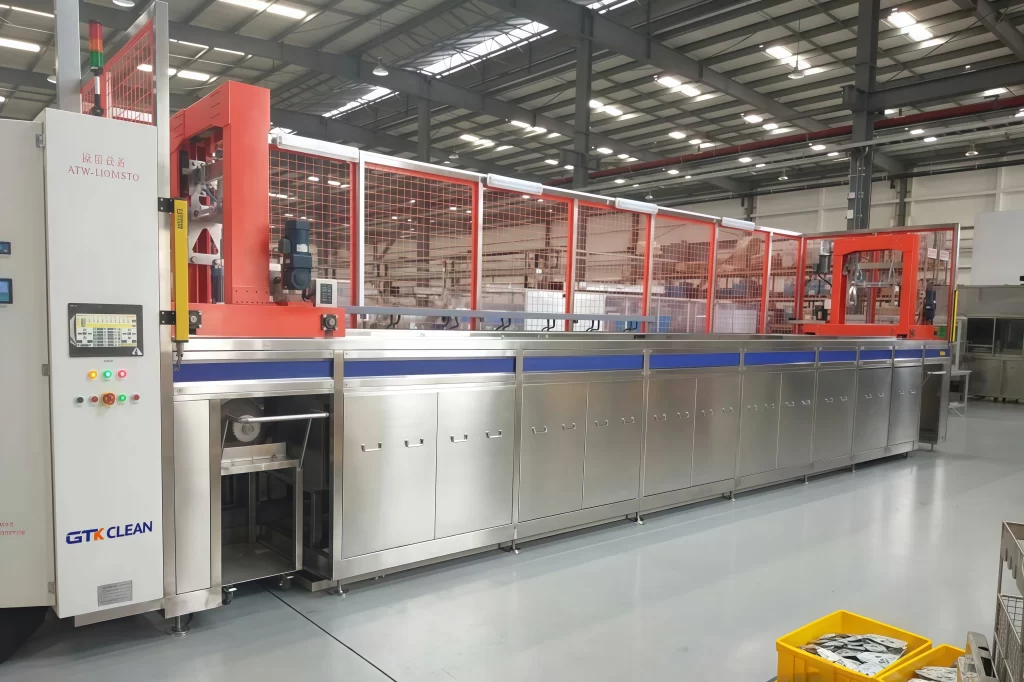
Precision cleaning applications benefit particularly from modified alcohols. Electronics manufacturing and medical device production require surfaces free of microscopic residues, and the lower surface tension of these solvents allows better penetration into tight geometries and blind features.
The limitations are real but manageable. Some plastics and elastomers react differently to modified alcohols than to hydrocarbons, so material compatibility testing matters before switching. Cleaning power for extremely heavy soils may require formulation adjustments or longer cycle times.
| Property | Modified Alcohol Solvents (Typical) |
|---|---|
| Flammability | Low flammability to non-flammable, higher flash point |
| Toxicity | Low to moderate, less hazardous |
| Cleaning Power | Good for oils, greases, some polar soils |
| Evaporation Rate | Moderate |
| Material Compatibility | Good with most metals, requires testing for some plastics |
| Odor | Mild, often less noticeable |
Can Modified Alcohol Solvents Handle All Industrial Cleaning Applications
They handle most applications well, but not all. The versatility comes from their ability to dissolve both polar and non-polar contaminants, which covers the majority of industrial soils.
Where they may need support: extremely heavy, baked-on residues that hydrocarbons cut through more aggressively, and certain specialty contaminants that require specific solvent chemistry. Material compatibility with some elastomers and plastics requires testing before committing to a process change. If your parts include seals or gaskets made from materials sensitive to alcohols, you'll need to verify compatibility or adjust your cleaning approach.
How Do the Hazard Profiles Actually Compare
The differences become clearer when you look at what each solvent type requires from your facility and your safety program.
Hydrocarbon solvents demand more infrastructure. Lower flash points mean explosion-proof electrical systems, specialized ventilation to prevent vapor accumulation, and emergency response planning that accounts for solvent fires. Higher toxicity translates to stricter exposure monitoring, more extensive PPE programs, and ventilation systems sized to keep vapor concentrations below permissible limits. Chronic exposure concerns add long-term health monitoring to the compliance checklist.
Modified alcohol solvents reduce these requirements. Non-flammable or high-flash-point formulations eliminate much of the fire safety infrastructure. Lower toxicity means simpler PPE requirements and less aggressive ventilation needs. The working environment improves noticeably when operators aren't dealing with strong solvent odors and the associated health concerns.
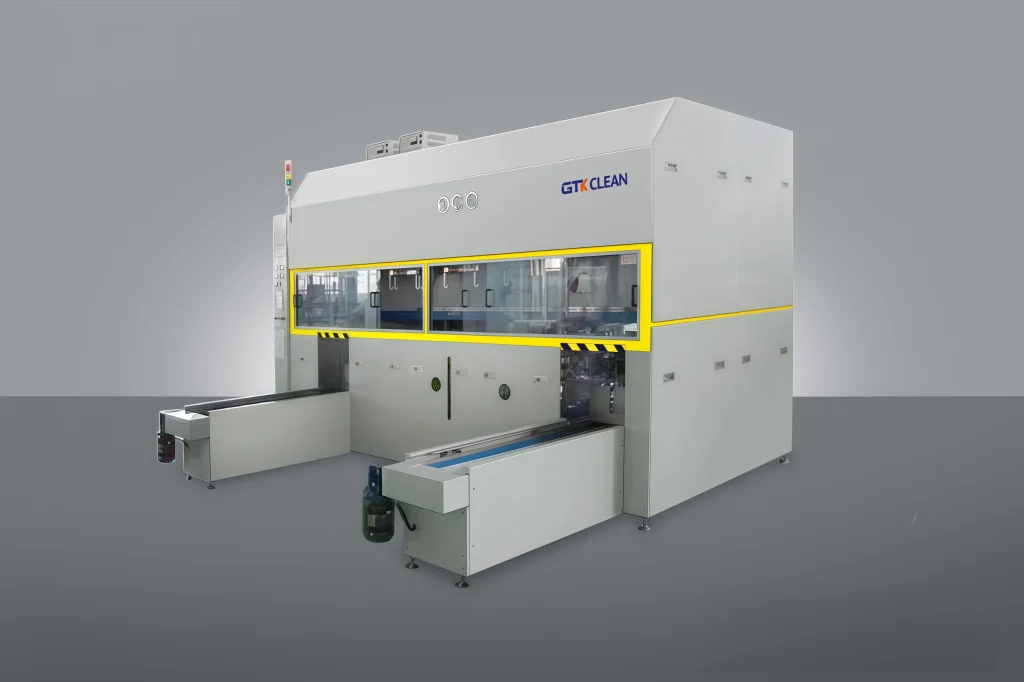
Our Hydrocarbon Solvent Ultrasonic Vacuum Cleaners can operate with either solvent type, which gives clients flexibility to transition toward safer alternatives without replacing their equipment entirely. The closed-loop design addresses vapor containment regardless of which solvent you're running.
Vapor degreasing with hydrocarbons requires careful control of vapor zones and exhaust systems. Modified alcohol systems still need proper engineering controls, but the margin for error is wider and the consequences of control failures are less severe.
What Environmental and Regulatory Factors Affect Your Choice
Environmental regulations increasingly favor solvents with lower volatile organic compound emissions, lower ozone depletion potential, and lower global warming potential. EPA and REACH requirements have tightened over the past decade, and the direction of travel is toward stricter controls.
Hydrocarbon solvents, particularly older formulations, tend toward higher VOC emissions. This contributes to smog formation and triggers air quality permit requirements. Waste disposal of spent hydrocarbons requires specialized handling to prevent soil and water contamination, adding cost and compliance complexity.
Modified alcohol solvents generally align better with current environmental standards. Lower VOC content, reduced ODP and GWP values, and improved biodegradability simplify both operational emissions and waste disposal. Proper management remains necessary, but the baseline environmental footprint is smaller.
Closed-loop systems benefit both solvent types by minimizing consumption and emissions through continuous recovery and recycling. Our Multi-Tank Hydrocarbon Ultrasonic Cleaners incorporate distillation-based solvent recycling that conserves solvent, removes accumulated impurities, and reduces waste volumes. This approach addresses regulatory requirements while lowering operating costs.
How to Match Solvent Selection to Your Specific Application
The right choice depends on what you're cleaning, what you're cleaning it from, and what cleanliness level you need to achieve. No single solvent works best for every situation.
Heavy-duty degreasing of robust metal components may still favor hydrocarbons if you have the safety infrastructure in place and your contaminants are predominantly non-polar oils and greases. The cleaning power for these applications remains strong, and closed-loop systems address many of the safety and environmental concerns.
Precision cleaning of delicate components, or any application where flammability creates operational constraints, points toward modified alcohols. The ability to position cleaning equipment closer to assembly operations, reduced PPE requirements, and lower regulatory burden often outweigh any reduction in raw cleaning power.
Ultrasonic cleaning works effectively with both solvent types, but your solvent choice determines equipment features. Vacuum drying, solvent recovery systems, and vapor containment all need to match the solvent you're running.
A medical device manufacturer I worked with needed to remove microscopic residues from precision components. We specified a Hydrocarbon Solvent Ultrasonic Vacuum Cleaner running modified alcohol solvent. The vacuum ultrasonic cleaning provided the penetration needed for complex geometries, and vacuum vapor drying ensured complete residue removal. The cleanliness levels met medical application requirements, and the modified alcohol properties combined with closed-loop design addressed both worker safety and environmental compliance. If your application involves similar precision requirements, discussing solvent and equipment options before committing to a process makes sense.
What Are the Main Safety Concerns with Hydrocarbon Solvents
High flammability creates fire and explosion risks that require explosion-proof equipment, proper grounding, and emergency response planning. Moderate to high toxicity means vapor inhalation can cause central nervous system depression, dizziness, and headaches, while skin contact leads to irritation or dermatitis. Meeting OSHA exposure limits requires robust ventilation, closed-loop systems, and appropriate personal protective equipment.
Are Modified Alcohol Solvents Suitable for All Industrial Cleaning Applications
They work well for most applications, particularly precision cleaning and environments where flammability is a concern. Their ability to dissolve both polar and non-polar contaminants covers a broad range of industrial soils. Material compatibility with certain plastics or elastomers requires testing before process changes, and extremely heavy or specialized soils may need formulation adjustments. For applications where these limitations apply, discussing your specific requirements with a cleaning systems specialist helps identify whether modified alcohols will work or whether alternative approaches make more sense.
If you're evaluating solvent options for your cleaning process, reach out to our team at GTKCLEAN to discuss your specific application requirements and equipment options.
Productivity Comparison: Manual Versus Automated Ultrasonic Cleaners
Precision Cleaning: The Role of Surface Energy in High-Performance Coating
Ultrasonic Cleaning Systems: Precision, Efficiency, and Industrial Applications
 English
  German
  Spanish
  French
  Russian
  Portuguese