
Managing industrial cleaning costs is a challenge that keeps operations managers awake at night. High cleaning expenses eat into profitability, and the sources are often scattered across inefficient processes, aging equipment, and resource consumption that nobody tracks closely enough. Cutting these costs without sacrificing cleanliness standards requires understanding where the money actually goes and being willing to change how things get done. This article covers practical approaches that deliver real savings.
Where High Cleaning Expenses Actually Come From
Industrial cleaning expenses stack up from multiple directions, and they escalate faster than most budgets anticipate. Pinpointing the primary cost drivers is the starting point for any reduction effort. Labor, chemical consumption, energy usage, and equipment downtime tend to dominate the expense breakdown. Missing any of these means recurring costs that compound over time.
| Cost Driver | Description | Impact on Budget |
|---|---|---|
| Labor Cost | Direct labor costs for cleaning staff, including wages, benefits, and associated labor-related expenses. | High due to manual processes and inefficient scheduling. |
| Chemical Consumption | The cost of cleaning agents, solvents, and other chemicals used in the industrial cleaning process. | Elevated by improper dilution, excessive application, and frequent solution changes. |
| Energy Costs | Electricity for machinery, heating water, and ventilation systems. | Significant with older, less efficient equipment or unoptimized processes. |
| Water Usage | Water for rinsing, dilution, and process makeup. | Can be substantial, particularly in facilities without effective recycling or purification systems. |
| Waste Disposal | Costs associated with treating and disposing of contaminated cleaning solutions and other waste materials. | Increases with the volume and hazardous nature of waste generated. |
| Downtime | Production losses incurred when machinery or production lines are stopped for cleaning. | Directly impacts output and revenue, often a hidden but major cost. |
Poor industrial cleaning creates costs that never show up on the cleaning budget line item. Reduced product quality, accelerated equipment wear, more frequent maintenance cycles, and regulatory fines all trace back to inadequate cleaning. Contaminants cause defects in finished goods, which means scrap or rework. Over time, insufficient cleaning speeds up corrosion and component failure, shortening equipment lifespan and forcing earlier capital expenditure.
How Advanced Cleaning Technologies Cut Costs
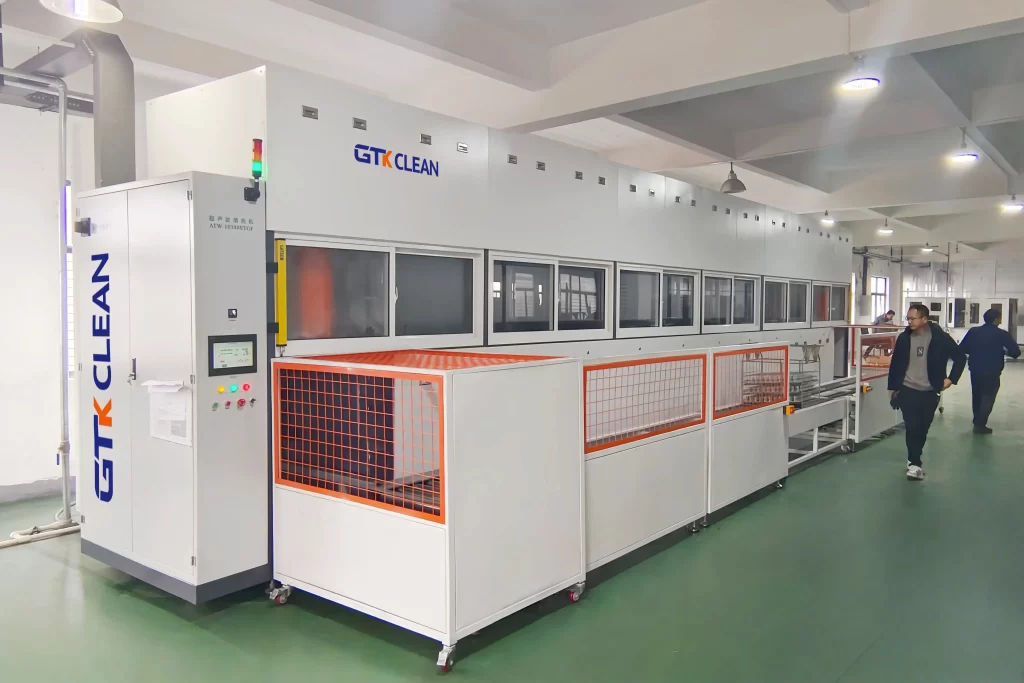
Modern industrial cleaning technologies create real opportunities to reduce industrial cleaning costs through better efficiency and lower resource consumption. Automated systems in particular streamline operations, reduce labor dependency, and deliver consistent results that manual processes cannot match. The initial investment pays back over time when the numbers are tracked properly.
Here is a comparison of key GTKCLEAN industrial cleaning technologies:
| Feature | Pre PVD Parts Ultrasonic Cleaners | Ultrasonic Cleaners for CNC Machined Parts | Fastener Tunnel Cleaners | Heavy-Duty Automated Ultrasonic Cleaners | Hydrocarbon Solvent Ultrasonic Vacuum Cleaners |
|---|---|---|---|---|---|
| Primary Application | Pre-coating, optical components | Precision machined parts, complex geometries | Screws, bolts, nuts, washers | Large, heavy components (engine blocks) | Precision hardware, blind holes, recesses |
| Key Cleaning Method | Multi-stage ultrasonic, ultrapure water | Ultrasonic degreasing, high-pressure spray | Continuous conveyor, spray, oil-water separation | Multi-stage ultrasonic, rinsing, rust prevention | Ultrasonic, vacuum vapor cleaning, drying |
| Automation Level | Intelligent control (PLC) | Fully automatic | Fully automatic | Automated (robotic lifting) | Fully automatic, HMI |
| Resource Efficiency | Circulation filtration, overflow rinsing | Circulation, filtration | Oil-water separation, buffer zone | Optimized cycles | Solvent recycling, vapor condensation |
| Typical Cleaning Cycle | 5-6 minutes per tank | Optimized for high volume | 0.5-1 m/min conveyor speed | Optimized for production demands | 8-15 minutes per batch |
| Cost Reduction Potential | Reduces water/detergent, prevents rework | Lowers labor, improves consistency | Reduces oil/water waste, labor | Minimizes manual labor, consistent results | Conserves solvent, reduces waste |
Investing in new cleaning technology is cost-effective when the analysis accounts for total operational impact. The initial capital outlay looks significant on paper, but long-term operational savings typically exceed it. One automotive sector client adopted an automated ultrasonic cleaning system for their CNC machined parts. The system's ability to thoroughly clean complex geometries, including blind holes and narrow slits, with a consistent 8-minute cycle time reduced their manual labor requirement by 70%. This translated to direct labor cost reduction, a 25% decrease in chemical consumption through integrated filtration, and a marked improvement in part quality that virtually eliminated post-cleaning rework. The return on investment was achieved within 18 months.
Process Optimization That Delivers Long-Term Savings
Equipment upgrades matter, but refining the actual cleaning processes can reduce industrial cleaning costs just as effectively. Lean cleaning practices, optimized cleaning frequency, and effective water and chemical management all contribute to a more economical operation.
Start by analyzing current workflows. Map out every step of your existing cleaning process to identify bottlenecks, redundant actions, and areas of excessive resource use. Then standardize procedures with clear, documented standard operating procedures for all cleaning tasks. Consistency reduces errors, which reduces rework and wasted resources.
Cleaning frequency deserves particular attention. Use data-driven insights to determine the optimal cleaning schedule for each piece of equipment or product. Over-cleaning wastes resources while under-cleaning causes quality issues and downtime. Neither extreme serves the budget.
Water recycling and purification systems filter and reuse water effectively. Ultrapure water systems that ensure conductivity below 0.06 μS/cm significantly reduce water consumption and prevent secondary contamination. Chemical usage requires similar precision. Monitor chemical concentrations closely and use filtration systems to extend the lifespan of cleaning solutions, which minimizes purchasing costs and waste disposal volumes.
Staff training ties everything together. Personnel who are proficient in operating equipment, handling chemicals safely, and following optimized cleaning protocols reduce waste and improve safety outcomes.
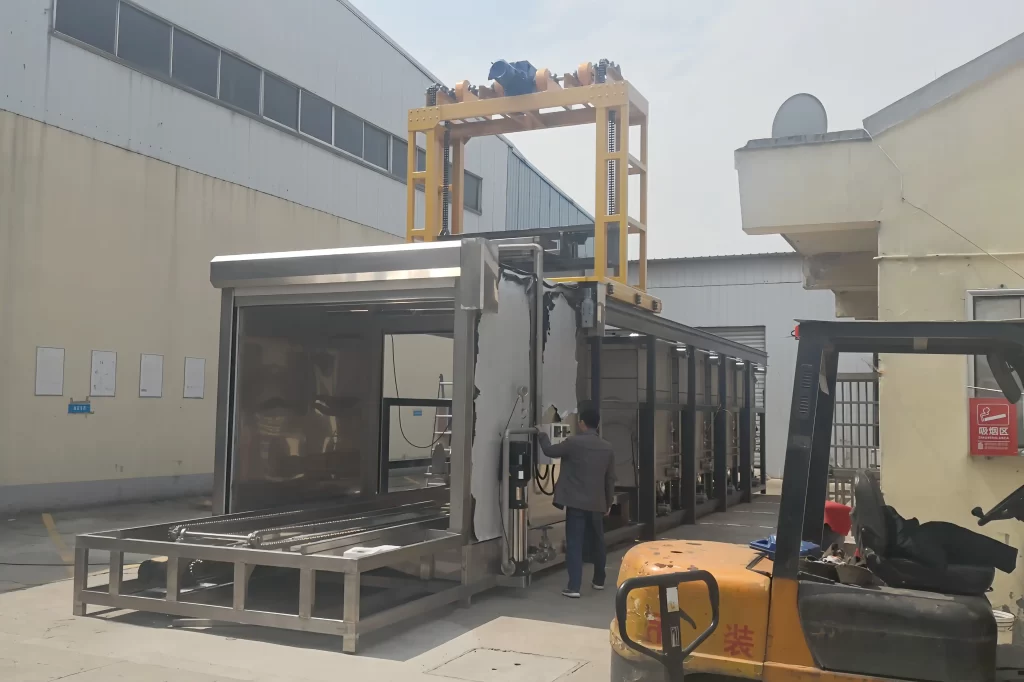
If your facility handles complex part geometries or high-volume production, it is worth discussing cycle time optimization and filtration system specifications before committing to a process redesign.
Why Proactive Maintenance Protects Cleaning Budgets
The longevity and reliability of cleaning equipment directly influence industrial cleaning costs. A proactive maintenance strategy minimizes unexpected breakdowns, extends the operational life of machinery, and ensures consistent cleaning performance. This approach prevents costly emergency repairs and avoids production interruptions.
Regular inspections identify potential issues before they escalate into major failures. Scheduled preventive maintenance tasks such as calibration, filter changes, and component lubrication keep systems running at peak efficiency. The robust design of Heavy-Duty Automated Ultrasonic Cleaners, capable of handling parts up to 2000 kg, includes reinforced tanks and robotic lifting systems. This engineering focus minimizes wear and tear, reducing the frequency and cost of major repairs. Proper maintenance also helps maintain safety compliance, avoiding fines and ensuring a secure working environment.
Preventive maintenance is crucial for cleaning budgets because it directly prevents unforeseen expenses and preserves operational continuity. Addressing minor issues before they become critical avoids expensive emergency repairs, prolonged downtime, and the product quality issues that arise from malfunctioning equipment. Regular maintenance also extends the lifespan of cleaning systems, delaying the need for costly capital expenditure on new machinery.
Building the Business Case for Cleaning Investments
Securing budget for advanced cleaning solutions requires a clear understanding of the financial benefits and a compelling justification. Decision-makers need to see a tangible return on investment that goes beyond the immediate cost of the equipment.
| Investment Area | Direct Cost Reduction | Indirect Savings / Benefits |
|---|---|---|
| Automated Cleaning Systems | Reduced labor hours, lower chemical consumption, decreased energy use | Improved product quality, reduced rework/scrap, increased throughput, extended equipment life |
| Water Recycling Systems | Significant reduction in water utility bills, lower wastewater treatment costs | Environmental compliance, improved public image |
| Chemical Management Systems | Optimized chemical usage, extended solution life, reduced disposal costs | Enhanced safety, consistent cleaning results |
| Preventive Maintenance Programs | Fewer emergency repairs, extended equipment lifespan | Reduced downtime, consistent production, improved safety |
| Staff Training | Reduced errors, efficient operation, less material waste | Higher productivity, improved safety culture, better equipment care |
To justify the budget for better cleaning solutions, focus on the quantifiable return on investment. Present a detailed cost-benefit analysis that outlines reductions in labor, chemical, water, and energy costs, alongside improvements in product quality and reductions in production downtime. Highlight how advanced systems contribute to higher throughput and longer equipment lifespan, directly impacting the bottom line.
Taking Action on Industrial Cleaning Costs
Unpredictable and rising industrial cleaning costs do not have to constrain your operational efficiency. GTKCLEAN helps global manufacturers achieve superior cleaning performance and significant cost reductions through 20+ years of R&D and patented automated solutions.
To discuss specific requirements for reducing your industrial cleaning costs, contact us at [email protected] or +86 17768507147.
Frequently Asked Questions
How often should industrial cleaning equipment be replaced to avoid escalating costs?
Equipment replacement depends on usage intensity and maintenance quality, typically falling in the 5-10 year range. Timely upgrades prevent costly breakdowns and improve energy efficiency, contributing to long-term cost savings. Modern equipment often delivers significantly better performance and lower operational costs than systems even a decade old.
Can environmental regulations significantly impact cleaning budgets?
Evolving environmental regulations often require investments in compliant cleaning agents, waste disposal methods, and water treatment systems. These requirements directly influence overall cleaning expenses and require careful cost-benefit analysis. Adhering to regulations is also critical for avoiding substantial fines and reputational damage.
What role does staff training play in reducing cleaning costs?
Properly trained staff use equipment and chemicals more efficiently, reducing waste, minimizing errors, and extending equipment lifespan. These outcomes directly lower operational costs and improve cleaning efficiency. Well-trained operators can also identify potential issues early, preventing costly repairs before they escalate.
Is it always cheaper to outsource industrial cleaning than to manage it in-house?
Not necessarily. While outsourcing can reduce upfront labor costs and equipment investment, in-house cleaning offers greater control and can be more cost-effective for specific, specialized processes. The right choice depends on the scale and complexity of operations and the impact of cleaning frequency. A thorough cost-benefit analysis is always recommended, and discussing your specific production requirements can clarify which approach fits your situation best.
If you're interested, check out these related articles:
Automated Ultrasonic Cleaning Systems for Advanced Manufacturing
How to Choose Between Aqueous and Solvent Cleaning Systems
Ultrasonic Cleaning Equipment Explained: The Ultimate Guide
Design an Efficient Multi-Stage Industrial Cleaning Process
 English
  German
  Spanish
  French
  Russian
  Portuguese