
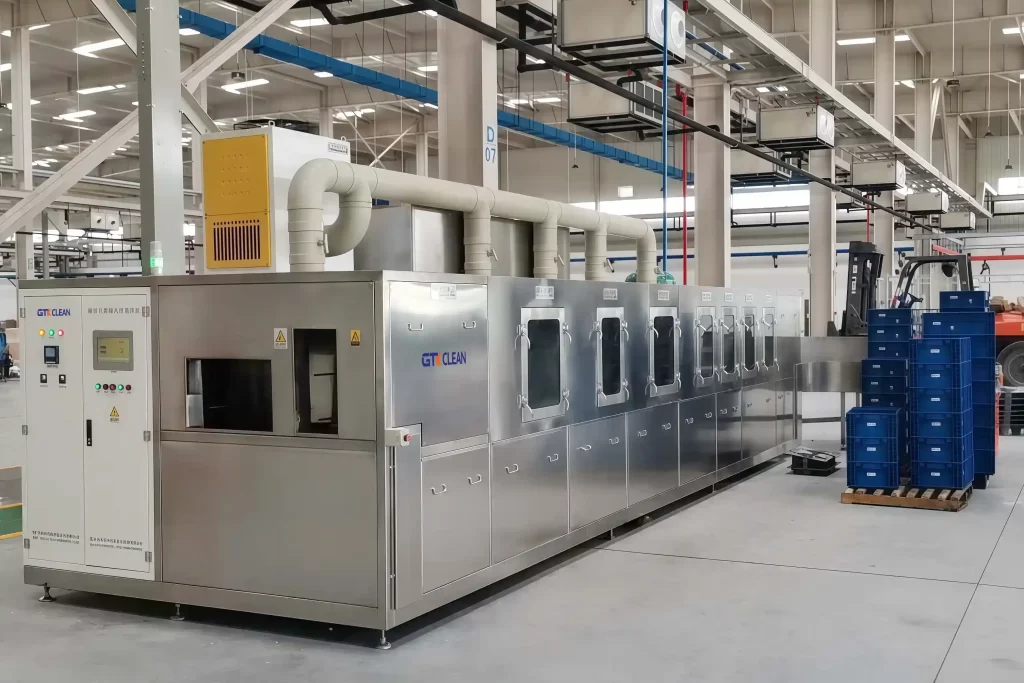
Picking the right cleaning method for manufacturing lines often means weighing inline cleaning systems against offline cleaning processes. Inline cleaning systems allow continuous operation that ties into conveyor belt setups, which suits high volume manufacturing where you can't afford stops. This kind of match can improve how much you get done and help control costs over the long haul.
How do inline cleaning systems integrate into production lines?
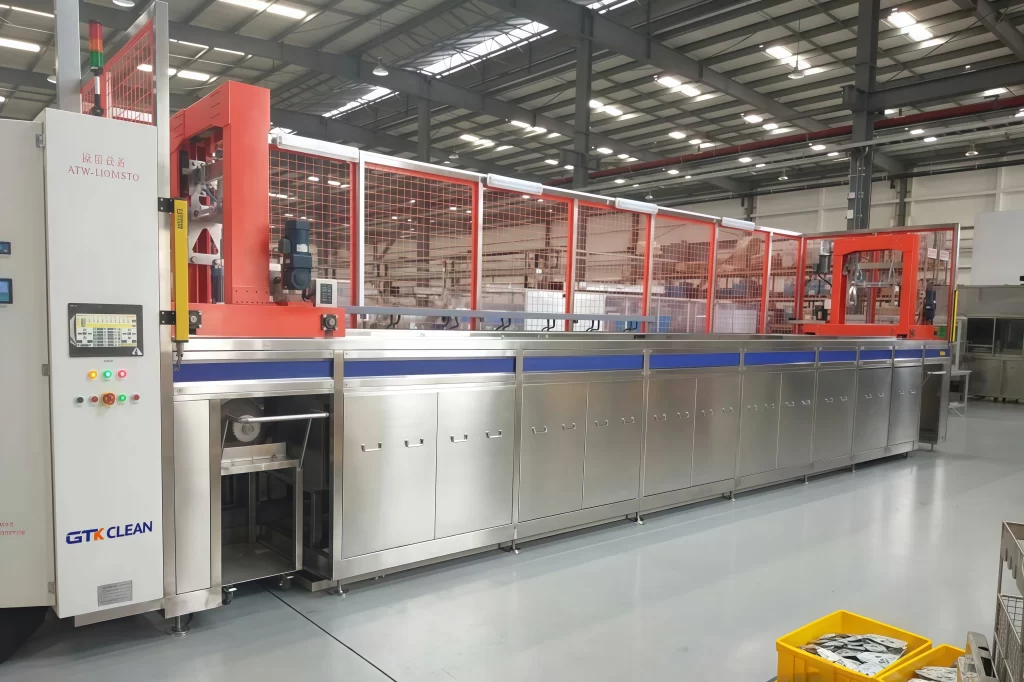
Inline cleaning systems connect straight into the production line to keep operations running without breaks. You skip the need to pause manufacturing just for cleaning. High volume production sees real gains here since cutting downtime matters a lot. Automated cleaning equipment frequently includes conveyor belt cleaning mechanisms that move parts through spray and rinse stages without interruption.
What are the advantages of inline cleaning for high-volume production?
Inline cleaning systems bring steady production flow because the cleaning happens on the move. Throughput goes up as parts move from processing straight into cleaning. The quality stays consistent thanks to the fixed cycles in the automated process. Models like the CNC Aluminum Shell Inline Cleaners use multi directional nozzles to reach all surfaces, and they typically use between 40 to 65 kilowatt hours per operation.
When do offline cleaning processes work best for batch operations?
Offline cleaning processes run at stations separate from the main line. This setup lets you maintain tighter control during the cleaning step. Batch processing works more efficiently when you deal with various part types in smaller runs. You can apply precision cleaning through techniques like ultrasonic or solvent cleaning aimed at particular contaminants.
How does offline cleaning handle complex or delicate parts?
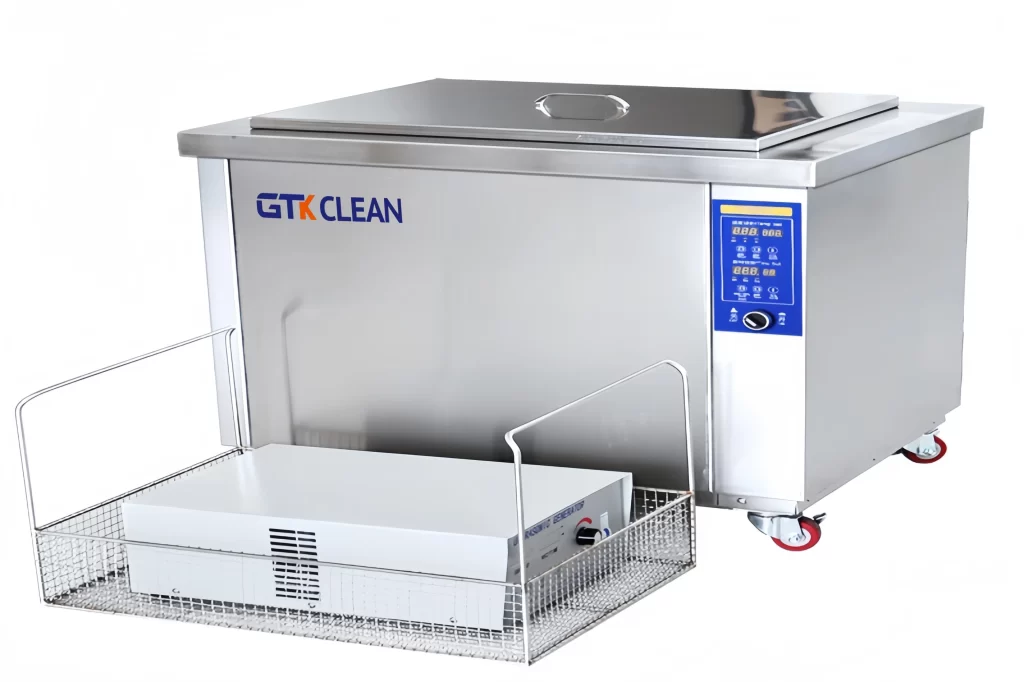
Offline cleaning manages complex or delicate parts with specialized approaches that prevent damage. Rotary baskets spin the items to make sure cleaning media gets into blind holes and threads. Ultrasonic vibration produces cavitation that cleans narrow gaps without any physical contact. Systems such as the Rotary Basket Ultrasonic Cleaners handle heavy loads up to 2000 kilograms while keeping surfaces protected.
How do inline cleaning systems compare to offline processes on throughput and quality?
Performance differences show up clearly in speed and results. Inline cleaning systems can raise overall speed by 30 to 50 percent in continuous operations. This comes with the trade off of potentially less thorough cleaning on parts with complex shapes. Offline cleaning processes focus on quality for detailed parts but take more time due to batch handling.
| Aspect | Inline Cleaning Systems | Offline Cleaning Processes |
|---|---|---|
| Throughput | Boosts production by 30 to 50 percent | Limited by batch sizes |
| Quality for Complex Parts | Adequate for standard geometries | Superior due to controlled access |
| Downtime | Significantly reduced | Increased during loading and unloading |
| Setup Investment | Higher for line integration | Lower for independent stations |
| Labor Needs | Minimal through automation | Greater for manual transfers |
Suzhou Grintek Environmental Technology Co.,Ltd. supplies conveyor belt cleaning systems that reach these kinds of performance levels in practice.
What key factors should be considered when choosing between inline and offline cleaning systems?
Part geometry, the cleanliness level required, and available space all help shape the decision. Production managers review these points to find the approach that matches their operational targets.
What about the costs and maintenance for these cleaning systems?
Cost efficiency looks different over time with each method. Inline cleaning systems call for a bigger initial outlay to integrate with current lines. Running costs then drop due to less labor and the automated cycles. Offline cleaning processes start cheaper but rack up more from extra handling and slower paces. Maintenance for both involves regular checks on pumps, filters, and drying units to keep them performing. Energy consumption in cleaning also weighs into the overall return calculations.
In a project for automotive component cleaning, I recommended an inline setup with integrated filtration. This choice extended cleaning solution life and lowered long term expenses while meeting strict quality standards.
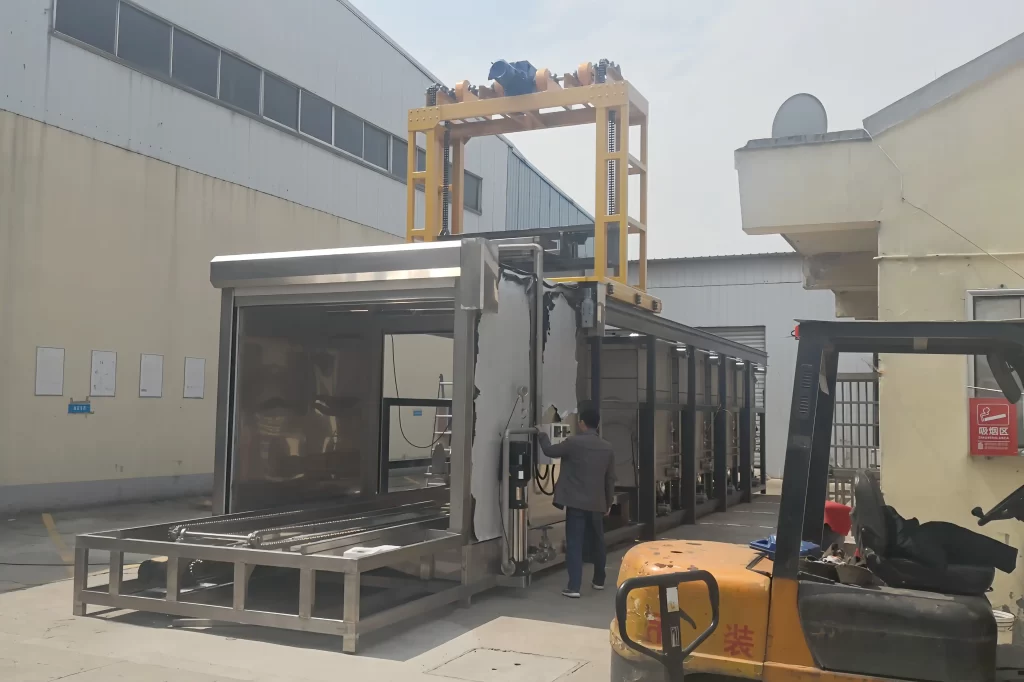
If your situation involves high volume manufacturing with standard part geometries, it is worth discussing integration options before committing.
How does production volume guide your choice of inline cleaning systems?
Production volume often decides the best fit. High volume manufacturing leans toward inline cleaning systems for their ability to run continuously at scale. These setups manage large quantities without big jumps in time or labor. Lower volumes or frequent part changes suit offline cleaning processes better because of the flexible batch handling. Cleanliness needs in specific industrial applications help refine the pick further.
For example, the Fastener Tunnel Cleaners achieve production rates of at least 2 tons per hour in large scale fastener operations. This capability supports volume scaling effectively in demanding environments.
What other factors should guide your cleaning system selection?
What maintenance is required for inline cleaning systems?
Inline cleaning systems need regular inspections of nozzles, belts, and filters to hold performance steady. Catching clogs or wear early stops them from impacting cleaning quality in ongoing runs. Weekly checks on the automated parts let operators handle small problems before they grow. Many systems with smart controls send alerts about upcoming maintenance, which cuts downtime in high volume manufacturing. This kind of attention keeps the equipment running longer and supports steady efficiency.
How does production scale impact cleaning method selection?
Bigger production runs point to inline cleaning systems since they keep high throughput going without lots of stops. Matching the scale this way brings down costs per unit. Smaller or shifting scales work better with offline cleaning processes for their flexibility with varying batch sizes. It all depends on matching the cleanliness needs to what the operation requires. Checking both current and expected volumes helps find the approach that works best over time.
What environmental factors influence cleaning choices?
Regulations around emissions and waste disposal often steer you toward solvent cleaning or water treatment systems depending on your setup. Both inline and offline approaches have to meet sustainability standards. Energy use during cleaning and how fluids get disposed of matter when making the call. You need to follow local rules to avoid fines and still hit the cleanliness targets. Adding things like circulation filtration can cut the environmental footprint and help stay compliant.
Is training necessary for operating these cleaning systems?
Training does help operators get comfortable with the protocols for automated cleaning equipment so everything runs safely and effectively. It includes how to load parts, tweak parameters, and follow safety steps in different setups. Solid instruction reduces mistakes that might cause uneven cleaning or harm the equipment. Plenty of systems have straightforward interfaces and offer on site training. Spending time on operator training boosts production efficiency and keeps quality steady whether the setup is inline or offline.
How do you get guidance on cleaning system choices?
Production managers usually look over their current setup and what they aim for in the future before deciding.
To discuss specific requirements, contact us at [email protected] or +86 17768507147.
Solvent Cleaning System Maintenance: A Complete Guide
How to Select the Best Cleaning Solution for Metal Parts
 English
  German
  Spanish
  French
  Russian
  Portuguese