
Procuring industrial cleaning systems ties up capital and shapes how a production line runs for years. The purchase price is only the starting point. What matters more is how the system performs over its service life, what it costs to keep running, and whether the supplier can actually support it when something goes wrong. Negotiation, done well, locks in value across all three.
What Goes Into the Total Cost of Ownership for an Industrial Cleaning System
Effective negotiation for industrial cleaning systems starts with a clear picture of Total Cost of Ownership. TCO captures every expense tied to the equipment from installation through decommissioning, not just the invoice amount. Energy draw, maintenance intervals, consumable burn rate, and unplanned downtime all feed into the real cost.
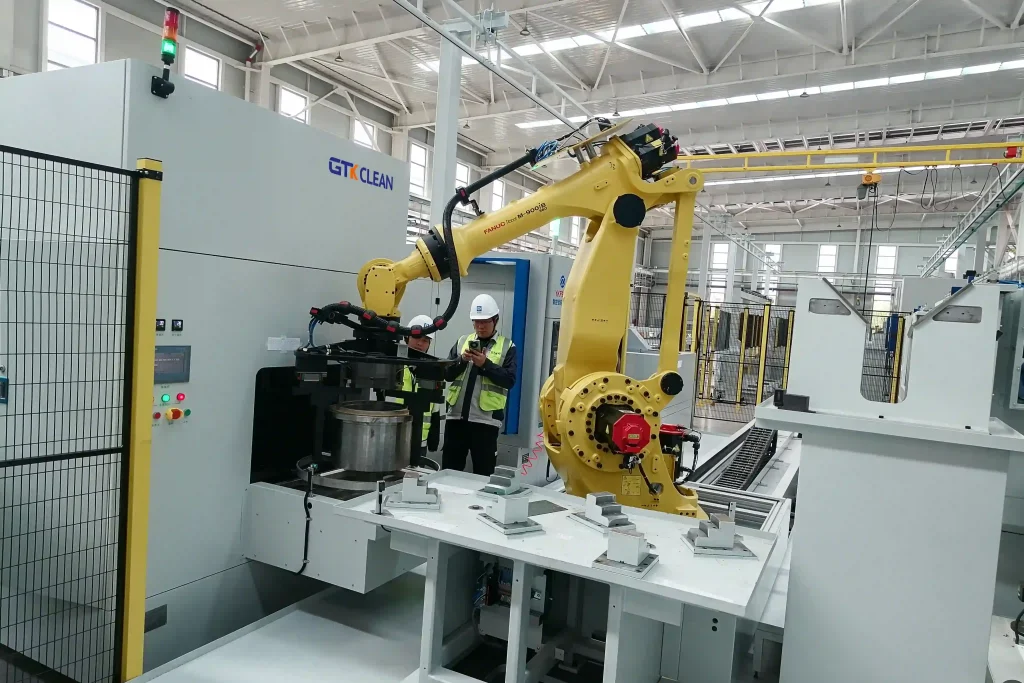
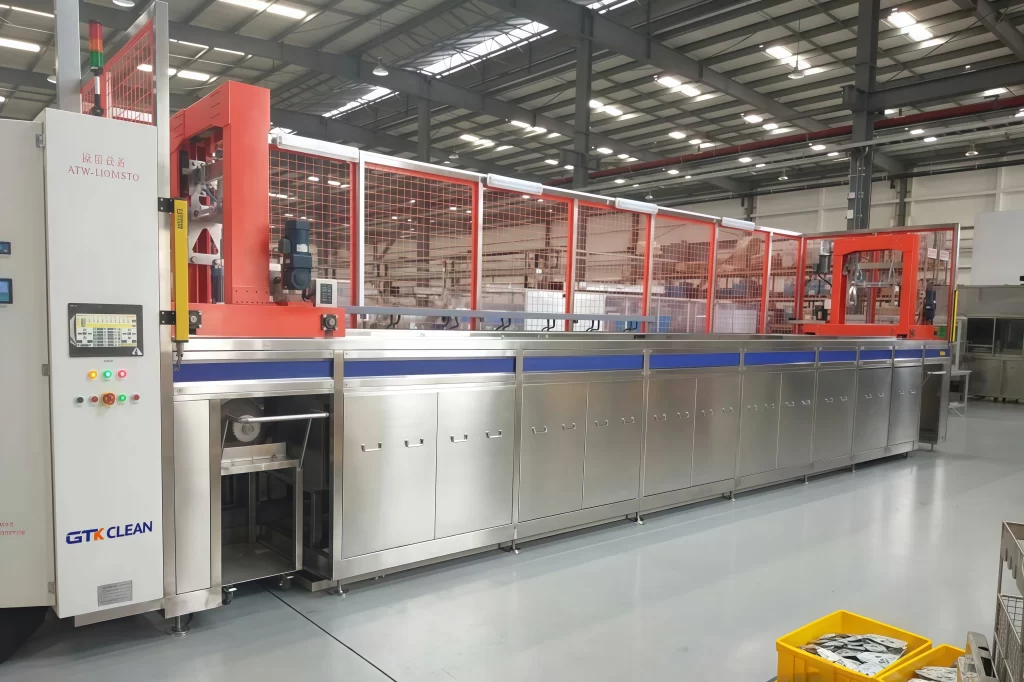
Consider an automated multi-stage cleaning line built for CNC machined parts, one that runs high-pressure spray, ultrasonic degreasing, RO water rinse, DI water rinse, and hot air or vacuum drying in sequence. The upfront number is higher than a simpler system. But labor costs drop, cleaning consistency improves, and reject rates fall. Over a five-year horizon, the math often favors the more capable machine.
| Component | Description | Impact on TCO |
|---|---|---|
| Purchase Price | Initial capital expenditure for equipment | Direct, immediate cost |
| Energy Consumption | Electricity, gas, or other power sources for operation | Ongoing operational expense |
| Consumables | Cleaning agents, filters, DI water, solvents | Recurring supply cost |
| Maintenance & Parts | Scheduled servicing, repairs, spare parts | Unscheduled and scheduled operational expense |
| Labor | Operator wages, training, supervision | Direct operational expense |
| Downtime | Production losses due to malfunctions or maintenance | Indirect, significant operational loss |
| Disposal Costs | End-of-life equipment and waste fluid management | Future environmental and regulatory expense |
How to Assess Industrial Cleaning System Value Beyond the Sticker Price
Assessing industrial cleaning system value beyond the sticker price means looking at component longevity, upgrade paths, and projected service life. A system running a Siemens or Mitsubishi PLC with a color touchscreen HMI gives you advanced diagnostics and remote upgrade capability. That extends useful life and cuts future support costs.
Material quality tells you a lot. Tanks built from SUS304 or SUS316 stainless steel resist corrosion and hold up under aggressive chemistries. Systems using thinner gauge steel or lesser alloys may cost less upfront but corrode faster, especially in hydrocarbon or alkaline environments. The difference shows up in maintenance logs within two to three years.
How to Vet a Supplier's Technical Depth and Support Structure
Strategic supplier selection is foundational to successful industrial cleaning system procurement. The evaluation should weight technical expertise heavily. A manufacturer holding 28 technical patents in industrial cleaning has invested in solving real problems, not just assembling commodity components. R&D capability shows in how they handle edge cases during specification discussions.
Industry experience matters, but so does geographic reach. Multinational operations need suppliers who can deliver consistent support across regions. A strong local presence in one country means little if your other facilities are left waiting weeks for a service technician.
What to Look for When Evaluating Technical Expertise and Support Capabilities
Start with R&D investments and patent portfolios. These indicate whether the supplier is advancing cleaning technology or simply reselling established designs. Independent certifications and adherence to international quality standards validate technical competence.
Then examine after-sales support structure. What are the response times for critical failures? How are spare parts stocked and distributed? What does the training program cover? A supplier offering on-site installation, operator training, and remote software upgrades for automated systems has built the infrastructure to keep your line running. One that ships equipment and disappears has not.
What Non-Price Terms Actually Matter in an Industrial Cleaning Contract
Negotiating industrial cleaning contracts involves more than the purchase price. Warranty terms define how much risk you carry after commissioning. A one-year limited warranty covering parts only leaves you exposed. A two-year full system warranty covering parts and labor shifts that exposure back to the supplier.
Service Level Agreements specify uptime guarantees, response times for critical failures, and preventative maintenance schedules. Payment schedules can be structured to align with project milestones, which protects you if commissioning runs into delays. Training programs for operators and maintenance staff ensure the system runs as designed. Installation services, future upgrade paths, and spare parts availability all belong in the negotiation.
| Feature | Standard Contract Term | Negotiated Contract Term |
|---|---|---|
| Warranty | 1-year limited warranty, parts only | 2-year full system warranty, parts and labor |
| Payment Terms | 50% upfront, 50% on delivery | 25% upfront, 50% on commissioning, 25% after 90 days operation |
| SLAs | Best effort support, 72-hour response | Guaranteed 98% uptime, 24-hour critical response, penalties for non-compliance |
| Training | Basic operator manual provided | On-site operator and maintenance training, annual refreshers |
| Spare Parts | Purchased as needed, lead times vary | Guaranteed availability, discounted pricing for 5 years |
| Future Upgrades | No specific provision | Option to upgrade components at preferential rates |
Critical Non-Price Factors Beyond the Obvious
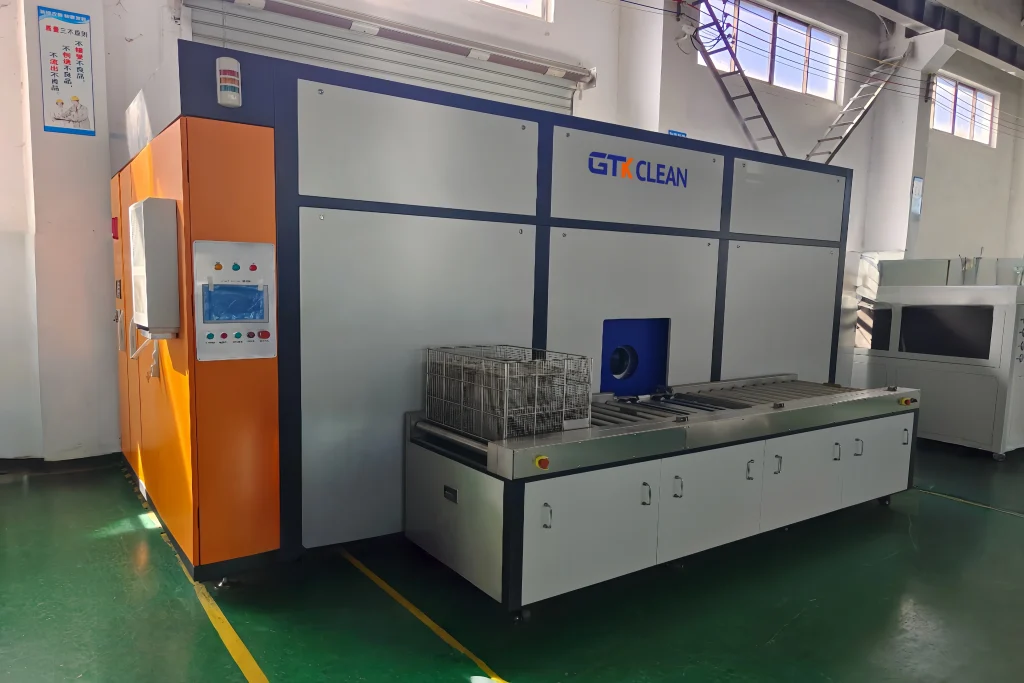
Customization options, performance guarantees, and intellectual property rights for custom solutions all belong on the table. A system that can be tailored to specific part dimensions and production capacity, like a customizable CNC Aluminum Shell Inline Cleaner, fits your process rather than forcing your process to fit the machine.
Performance guarantees specifying cleanliness levels or throughput rates protect your investment. If the system cannot meet the stated spec, you have recourse. Environmental compliance clauses addressing waste management and energy efficiency matter especially for systems using hydrocarbon solvents, where disposal costs and regulatory exposure can surprise you.
Why Technology and Customization Strengthen Your Negotiating Position
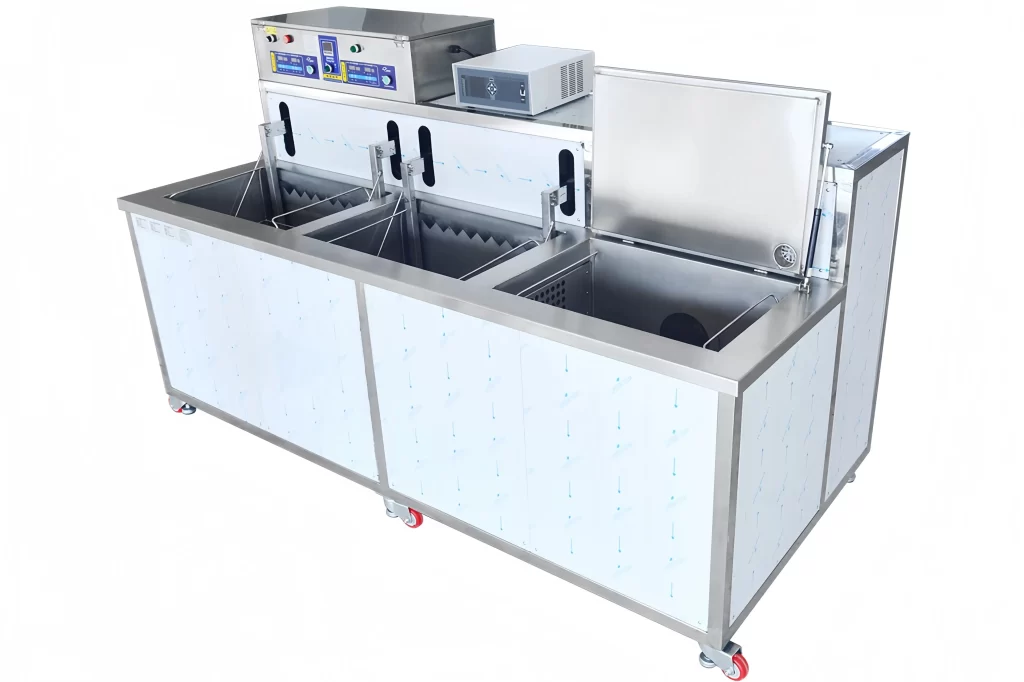
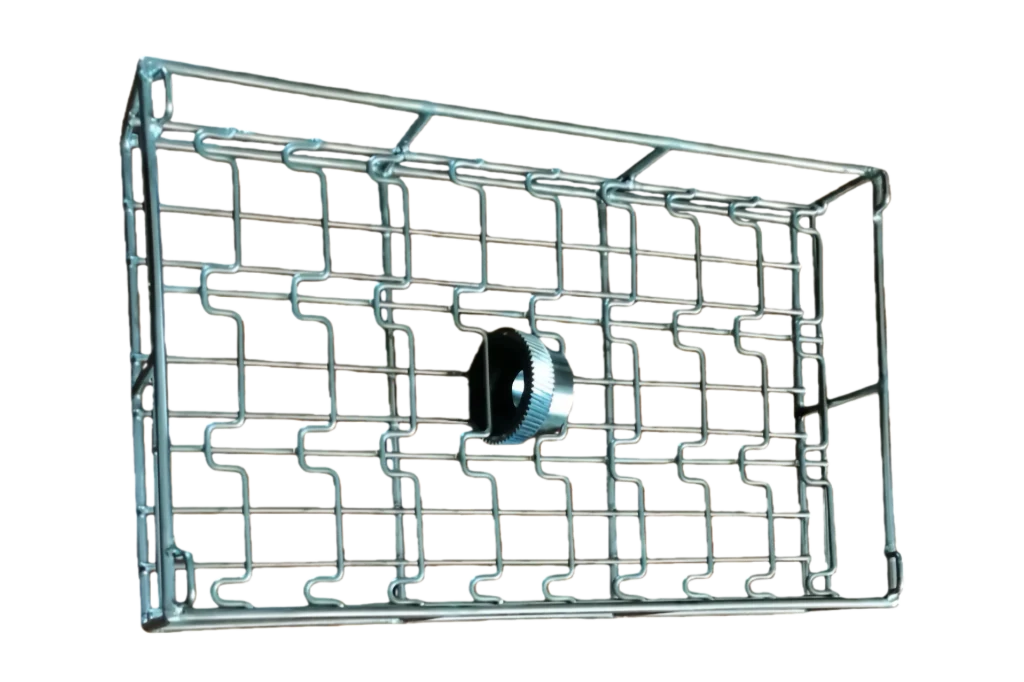
Technology and customization are powerful negotiation points when acquiring industrial cleaning systems. Ultrasonic cleaning uses cavitation to penetrate blind holes and complex geometries, which is critical for precision parts. Multi-Tank Hydrocarbon Ultrasonic Cleaners deliver precision 360° cleaning for recessed and blind-hole stamped parts, using vacuum ultrasonic cleaning for deeper penetration into features that spray systems cannot reach.
The ability to customize solutions ensures the system precisely meets unique operational requirements. A supplier with independent design capability for automated cleaning equipment can engineer around your constraints rather than handing you a catalog system that almost fits. That tailored approach often results in better performance outcomes and lower operational costs over the system's life.
How Long-Term Supplier Relationships Pay Off After the Contract Is Signed
Building long-term supplier relationships is integral to achieving optimal value from industrial cleaning system investments. Negotiation is not merely a transactional event but the initiation of an ongoing partnership.
Strategic partnerships provide preferential support, including priority access to technical assistance and faster resolution of issues. They also grant early access to future innovations and product developments, which keeps your cleaning processes current without forcing a full system replacement. Collaborative problem-solving with a trusted supplier leads to continuous improvement in cleaning efficiency and overall operational performance. If your production requirements change, a supplier who understands your operation can propose modifications faster than one meeting you for the first time.
Successful industrial cleaning system procurement requires a strategic approach that extends beyond initial price. Focusing on Total Cost of Ownership, conducting thorough supplier due diligence, and negotiating comprehensive contract terms secures superior operational outcomes. Leveraging advanced technology and fostering long-term partnerships ensures continuous improvement and optimal value throughout the system's lifecycle.
If your cleaning requirements involve complex geometries, tight cleanliness specs, or integration with existing production lines, it is worth discussing system configuration and support terms before committing to a supplier.
For over two decades, Suzhou Grintek Environmental Technology Co.,Ltd. has built automated cleaning solutions around ultrasonic, solvent, conveyor, and water treatment technologies, backed by 28 technical patents. To discuss your specific industrial cleaning challenges and explore tailored solutions, reach the team at [email protected] or +86 17768507147.
Frequently Asked Questions About Industrial Cleaning System Negotiation
How can I ensure the best long-term value from an industrial cleaning system supplier?
Look for a supplier with documented R&D capability, a service network that covers your facilities, and warranty terms that transfer risk appropriately. A track record of innovation matters, but so does the practical question of whether they can get a technician to your site within 48 hours when a critical component fails. Ask for references from customers who have operated their systems for at least three years.
What are the critical non-price factors to negotiate in an industrial cleaning equipment contract?
Payment terms tied to commissioning milestones protect you if the project runs late. Service level agreements with defined uptime guarantees and response times give you recourse when support falls short. Training packages that cover both operators and maintenance staff reduce the learning curve. Clauses for future technology upgrades or system expansions keep the system relevant as your production evolves. Spare parts availability and pricing locked in for five years prevents supply chain surprises.
Why is long-term support crucial for industrial cleaning systems?
Industrial cleaning systems run continuously in demanding environments. Without reliable support, a minor fault can halt production for days while you wait for parts or expertise. Long-term support ensures access to expert troubleshooting, preventative maintenance, and timely spare parts. It also means the supplier stays invested in your system's performance rather than moving on to the next sale. That ongoing relationship is what keeps the system running at peak efficiency and protects your total cost of ownership. For questions about support structures or service agreements, contact the GTKCLEAN team at [email protected].
If you're interested, you may want to read the following articles:
How to Choose Cleaning Equipment for Medical Device Manufacturing
What Is Ultrasonic Wave?
Optimizing Industrial Cleaning to Reduce Solution Expenses
 English
  German
  Spanish
  French
  Russian
  Portuguese