

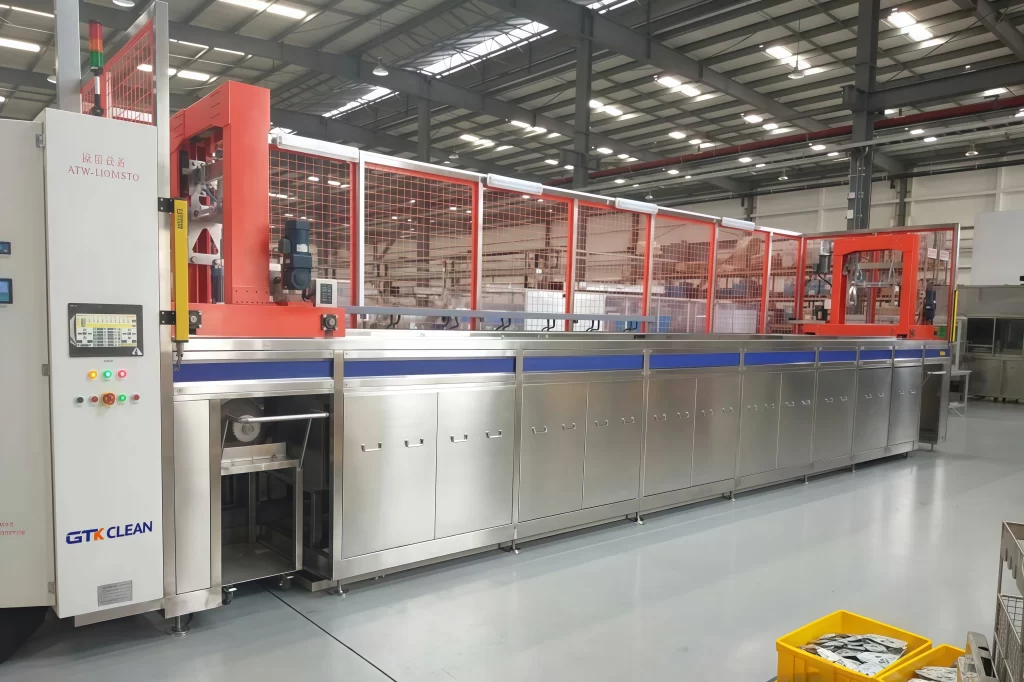
Getting parts truly clean sounds straightforward until you're staring at a rejected batch because residue stayed trapped in a blind hole. The choice between rotary basket and static ultrasonic cleaning systems shapes whether that happens once or becomes a recurring production headache. Both approaches use cavitation—microscopic bubbles forming and collapsing under high-frequency sound waves—to blast contaminants off surfaces. The difference lies in how parts interact with that cavitation field, and that difference matters more than most equipment spec sheets suggest.
Why Part Movement Changes Everything in Ultrasonic Cleaning
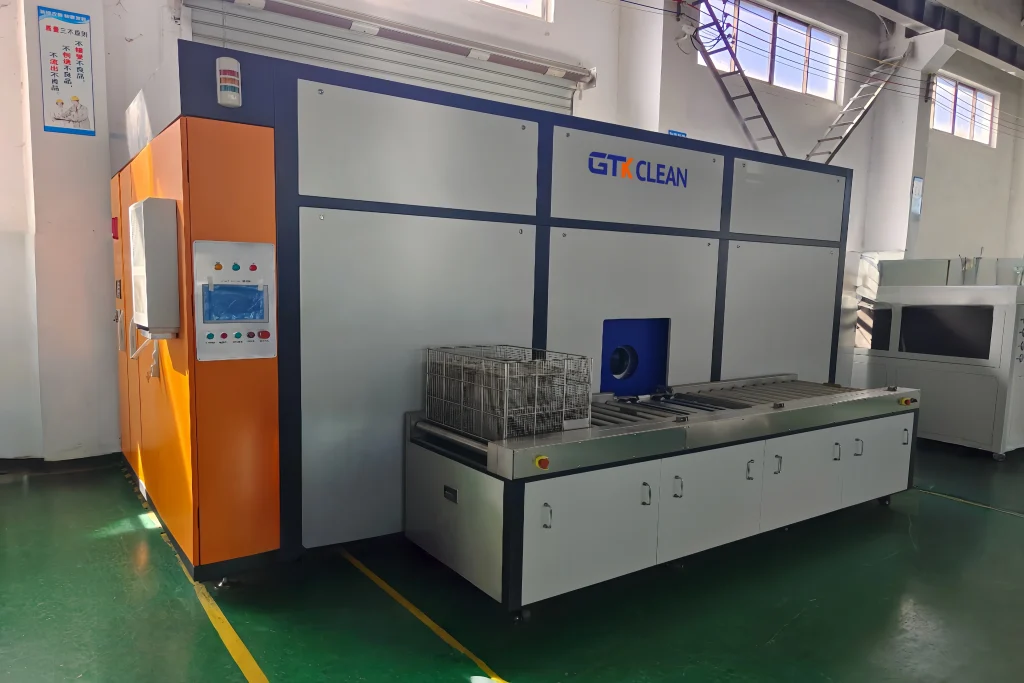
Rotary basket ultrasonic cleaners spin parts continuously through the cavitation zone. That rotation does two things static immersion cannot: it eliminates shadowing, and it forces cleaning solution into passages that would otherwise trap contamination.
Shadowing happens when one part blocks ultrasonic waves from reaching another, or when a part's own geometry creates dead zones. In a static bath, a component with internal channels sits in one orientation. Cavitation intensity varies across its surfaces, and some areas never see adequate energy. Rotate that same part through 360 degrees, and every surface cycles through high-intensity zones multiple times per cleaning cycle.
The effect compounds for parts with blind holes, through holes, or narrow internal channels. Rotation creates fluid exchange—solution flows in and out of cavities as orientation changes. Static immersion relies on diffusion alone, which works for open surfaces but struggles with anything recessed. For CNC machined parts carrying cutting fluid residue in deep holes, or stamped components with folded edges trapping debris, that fluid exchange determines whether parts come out clean or merely look clean until inspection.
Systems handling heavy loads—some rotary basket cleaners support parts up to 2000 kg—use reinforced baskets and motors designed for continuous operation. The mechanical complexity adds cost, but the cleaning consistency often justifies it when rework rates enter the calculation.
Where Static Ultrasonic Cleaning Still Makes Sense
Static systems immerse parts in a basket that doesn't move. Cavitation propagates through the solution, and parts sit in that field until the cycle ends. The approach works well for geometries that don't create shadowing problems: flat sheets, simple brackets, components with external contamination only.
The practical advantages are real. Lower initial cost, smaller footprint, simpler maintenance with fewer moving parts. For operations cleaning basic components where surface grease is the primary concern, a static system handles the job without the complexity of rotation mechanisms.
Multi-tank configurations extend static system capabilities. Parts move manually or by hoist through sequential stages—pre-clean, ultrasonic wash, rinse, drying—allowing process flexibility without the per-tank cost of rotary mechanisms. This works for mixed production environments where some parts need intensive cleaning and others just need degreasing.
The limitation surfaces when part complexity increases or production volume demands consistent results across thousands of units. Without agitation, cleaning uniformity depends on how parts are loaded and oriented. That introduces operator variability, and variability creates quality risk.
Comparing Cleaning Results Across Part Types
The performance gap between rotary and static systems widens as part complexity increases. For a flat stamped bracket with oil film contamination, both approaches deliver similar results. For an aerospace fitting with internal passages, cross-drilled holes, and tight tolerances, the difference becomes measurable.
| Characteristic | Rotary Basket | Static Immersion |
|---|---|---|
| Cavitation distribution | Uniform across all surfaces through rotation | Position-dependent, potential dead zones |
| Blind hole cleaning | Effective due to fluid exchange from rotation | Limited, relies on diffusion |
| Throughput consistency | High, results independent of loading pattern | Variable, sensitive to part orientation |
| Cycle time for complex parts | Shorter, uniform exposure reduces required duration | Longer, may need extended cycles or re-processing |
| Initial equipment cost | Higher | Lower |
| Rework frequency for complex parts | Lower | Higher |
The throughput question often gets framed as parts-per-hour, but the meaningful metric is acceptable-parts-per-hour. A static system might process more parts faster, but if 8% require re-cleaning or fail downstream inspection, the effective throughput drops below a slower rotary system with 1% rework rates.
Energy consumption and chemical usage depend more on tank size, temperature, and solution chemistry than on whether the basket rotates. Both system types can be optimized for efficiency, though rotary systems sometimes allow shorter cycle times that reduce total energy per part.
Matching System Type to Production Requirements
The selection process starts with part geometry, but doesn't end there. Contamination type, production volume, and downstream requirements all factor into which system actually fits.
Part geometry drives the baseline decision. Components with blind holes, internal channels, or complex surfaces that create shadowing need the uniform exposure rotary systems provide. Simpler geometries with accessible surfaces can clean effectively in static baths.
Contamination type affects chemical exposure requirements. Baked-on residues or chemically bonded contaminants may need extended solution contact that rotation enhances. Loose particulates or fresh oil films often release quickly regardless of agitation.
Production volume determines whether consistency matters more than flexibility. High-volume lines running thousands of identical parts benefit from the repeatability rotary systems offer. Job shops processing varied parts in small batches may prefer static systems with adjustable fixturing.
Downstream processes set cleanliness thresholds. Parts going to coating, bonding, or assembly with tight contamination limits need the thorough cleaning rotary systems deliver. Parts for less critical applications may not require that level of assurance.
Material compatibility with cleaning solutions applies equally to both system types. Aqueous solutions, hydrocarbon solvents, and modified alcohols each have material restrictions that don't change based on basket movement.
When Static Systems Offer Better Economics
The cost-effectiveness calculation favors static systems under specific conditions. Simple parts with external contamination only, small batch production, or applications where re-cleaning a few parts costs less than the equipment premium for rotation—these scenarios make static systems the rational choice.
Consider a shop cleaning flat metal blanks before painting. Surface oil is the only contamination. Parts load easily in a basket with no shadowing concerns. A static ultrasonic system handles this at lower capital cost, lower maintenance burden, and equivalent cleaning results. Adding rotation would increase cost without improving outcomes.
The calculation shifts when hidden costs enter the picture. If parts occasionally fail downstream inspection and require disassembly, re-cleaning, and re-inspection, those labor hours accumulate. If a customer rejects a shipment due to contamination in blind holes, the cost of that rejection dwarfs the equipment price difference. The question isn't which system costs less to buy—it's which system costs less to operate at acceptable quality levels.
For operations uncertain about future part mix, static systems offer flexibility. Adding rotation capability later means replacing equipment, but starting with a static system and upgrading if needed can make sense when production requirements are still evolving.
Addressing Common Concerns About Rotary Systems
Maintenance complexity ranks high among objections to rotary systems. The rotation mechanism adds bearings, seals, and drive components that static systems lack. In practice, modern designs minimize this concern. Sealed bearings, corrosion-resistant materials, and accessible service points reduce maintenance frequency and downtime. The question is whether slightly higher maintenance cost offsets rework reduction—for complex parts, it usually does.
Part damage from rotation concerns manufacturers handling delicate components. Basket design addresses this: compartmentalized baskets separate parts, rotation speeds stay low enough to prevent impact damage, and basket materials match part requirements. Properly configured, rotary systems handle precision components without damage.
Higher energy consumption sometimes appears in objections, but the relationship isn't straightforward. Rotation motors add load, but shorter cycle times for equivalent cleaning can offset that consumption. The net effect depends on specific parts and process parameters.
Making the Decision for Your Production Environment
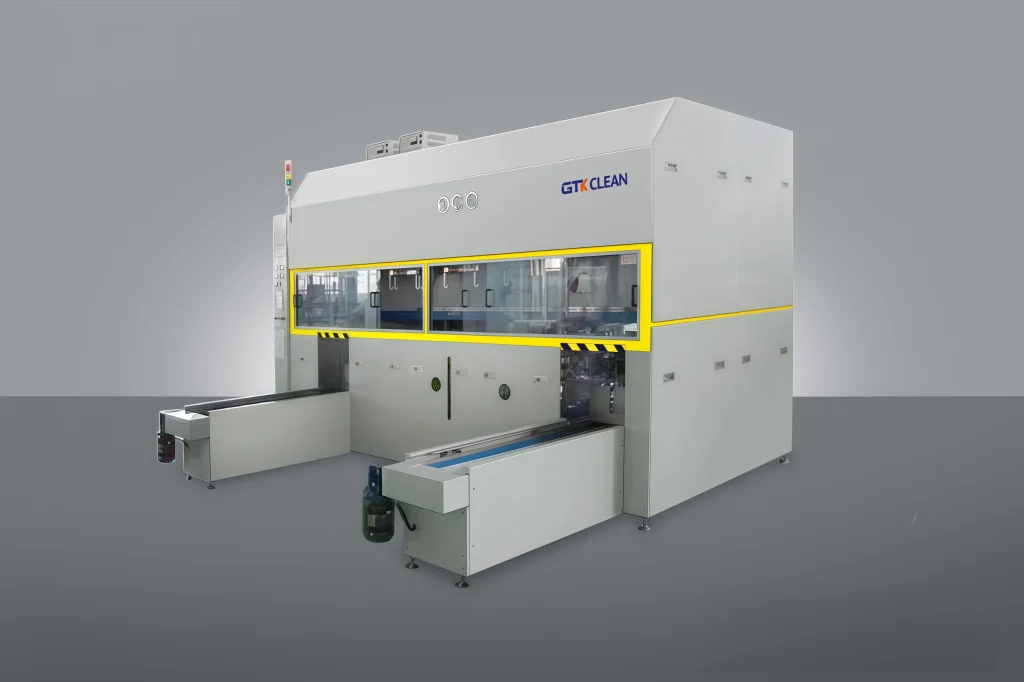
The choice between rotary basket and static ultrasonic cleaning comes down to what you're cleaning and what happens if cleaning falls short. Complex geometries with internal features, high-volume production requiring consistent results, and applications with strict cleanliness specifications point toward rotary systems. Simple parts, small batches, and applications tolerant of occasional rework can work with static systems at lower cost.
Neither approach is universally superior. The right system matches the actual production requirement, not a general preference for more or less capability. If your current cleaning process generates rework, fails inspection, or creates downstream quality issues, the system type deserves examination. If parts come out clean and stay clean through subsequent processing, the current approach is working regardless of which technology it uses.
For operations evaluating cleaning equipment options, the conversation starts with part samples and cleanliness specifications. Understanding what contamination needs removal, where it hides, and what happens if it remains provides the foundation for selecting equipment that actually solves the problem. Reach out to discuss specific requirements at +86 17768507147 or [email protected].
Frequently Asked Questions
Does a rotary basket ultrasonic cleaner always outperform static systems for complex parts?
Rotary basket systems deliver more consistent results for parts with blind holes, internal channels, and geometries that create shadowing in static baths. The rotation ensures all surfaces cycle through high-intensity cavitation zones and promotes fluid exchange in recessed areas. That said, some complex parts with specific orientation requirements can clean effectively in static systems using custom fixtures that position features optimally relative to transducers. The general pattern holds—rotary systems handle complexity better—but exceptions exist when part geometry and fixture design align favorably.
How does maintenance differ between rotary and static ultrasonic systems?
Rotary systems include rotation mechanisms—motors, bearings, seals, drive components—that static systems lack. These require periodic inspection, lubrication, and eventual replacement. Modern designs use sealed bearings and corrosion-resistant materials to extend service intervals, but the maintenance burden is higher than static systems with no moving parts beyond heaters and transducers. For most operations, the difference amounts to a few additional maintenance hours per quarter, which rarely outweighs the cleaning performance benefits for appropriate applications.
Can ultrasonic cleaning systems be customized for specific production line requirements?
Custom configurations address specific part geometries, contamination types, throughput requirements, and facility constraints. This includes tank sizing, transducer placement and frequency, basket design, rotation parameters, multi-stage process sequences, automation integration, and material compatibility with cleaning solutions. Operations with unusual parts or demanding specifications benefit from systems designed around their actual requirements rather than adapted from standard configurations. For a consultation on matching system design to your production needs, contact the team at [email protected].
If you're interested, you may want to read the following articles:
Budgeting for Industrial Cleaning Equipment Upgrades A Strategic Guide
Solvent Cleaning System Maintenance: A Complete Guide
 English
  German
  Spanish
  French
  Russian
  Portuguese