
Industrial operations depend on solvents for cleaning, degreasing, and manufacturing processes across countless applications. When solvent recovery systems underperform, the consequences compound quickly: procurement costs climb, waste disposal fees accumulate, and VOC emissions create regulatory exposure. The facilities that treat solvent recovery as a core process rather than an afterthought consistently outperform those that view it as peripheral maintenance.
Why Solvent Recovery Systems Fail and What the Failures Actually Cost
Most solvent recovery problems trace back to a handful of root causes that repeat across industries. Recognizing these patterns early prevents the cascade of secondary failures that turn minor issues into production stoppages.
Solvent loss through evaporation, leaks, and incomplete recovery cycles depletes inventory faster than procurement cycles anticipate. A system losing 25% of its solvent annually does not just increase purchase orders—it generates proportional increases in VOC emissions that trigger permit complications. The financial exposure extends beyond the solvent cost itself into waste handling, air quality compliance, and potential penalty territory.
System downtime from clogged filters, pump failures, or distillation column fouling interrupts production at unpredictable intervals. Reactive repairs during unplanned shutdowns cost three to five times more than scheduled maintenance addressing the same components. The parts themselves wear faster under degraded operating conditions, creating a feedback loop where deferred maintenance accelerates future failures.
Energy consumption in older or poorly maintained systems often runs 30-40% higher than necessary. Suboptimal thermal efficiency in distillation and heating processes inflates utility costs while expanding the facility's carbon footprint. These inefficiencies compound over operating hours, making energy waste one of the largest hidden costs in solvent recovery.
Purity degradation in recovered solvents creates downstream quality problems. When recovered material fails to meet specifications for reuse, facilities face a choice between additional purification steps, blending with virgin solvent, or disposal. Each option carries costs that erode the economic rationale for recovery in the first place.
A precision parts manufacturer I worked with was experiencing 30% annual solvent loss from their aging recovery system. The initial assessment identified worn seals in the distillation unit and inadequate condensation mechanisms—problems that had developed gradually over years of operation. After implementing a modern closed-loop system, their solvent consumption dropped 80% within six months. The annual savings exceeded $150,000 in combined solvent purchases and hazardous waste disposal fees, with payback on the equipment investment occurring in under two years.
How Contamination Degrades Recovered Solvent Quality
Maintaining high solvent purity determines whether recovery systems deliver economic value or simply defer disposal costs. Contamination enters recovered solvents from dissolved solids, oils, greases, and process byproducts that accumulate through repeated cleaning cycles. The purification method must match the contamination profile to achieve specifications suitable for reuse.
Distillation remains the primary separation method, exploiting boiling point differences between solvents and non-volatile contaminants. Modern distillation units incorporate vacuum technology to lower operating temperatures, which reduces energy consumption and prevents thermal degradation of sensitive solvents. The vacuum approach becomes essential for solvents with boiling points above 150°C, where atmospheric distillation would require excessive heat input.
Activated carbon adsorption removes dissolved organic impurities and odors that distillation cannot address. The porous carbon structure captures contaminants through surface attraction, improving solvent clarity and chemical stability. Carbon beds require periodic regeneration or replacement based on contaminant loading, making monitoring systems valuable for optimizing change-out intervals.
Membrane separation filters contaminants based on molecular size or charge characteristics. This technology excels at removing larger molecules and particulate matter that would foul distillation equipment. Membrane systems often serve as pre-treatment stages, protecting downstream purification equipment from premature degradation.
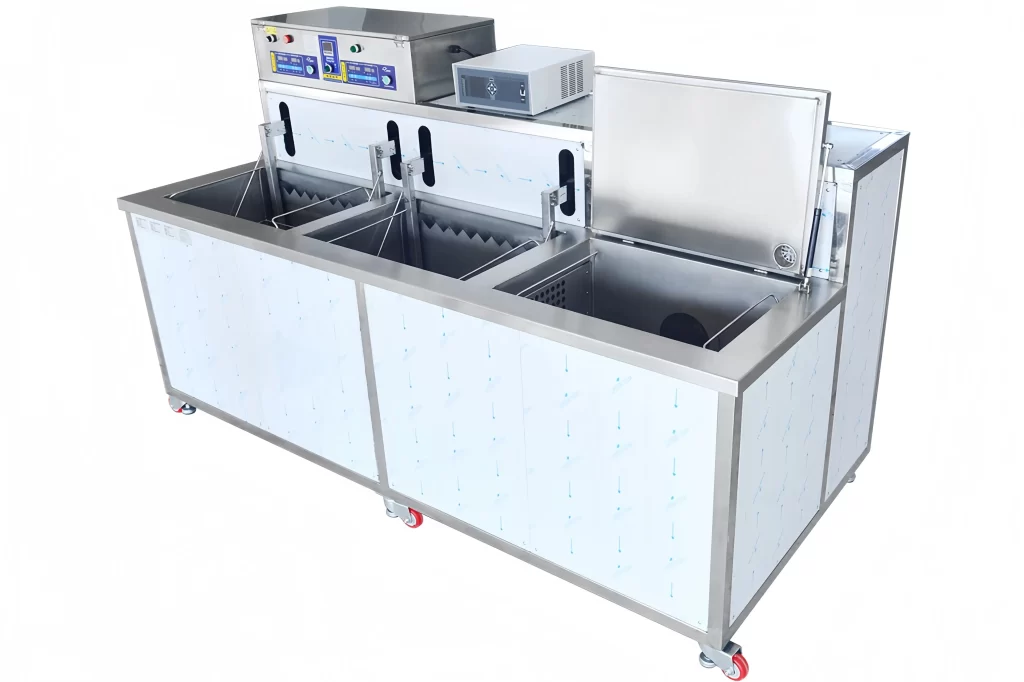
Integrated cleaning systems combine multiple purification stages into unified equipment. Multi-tank hydrocarbon ultrasonic cleaners pair ultrasonic cleaning with vacuum distillation and multi-stage filtration to maintain solvent purity during continuous operation. The built-in vapor condensation and vacuum distillation subsystems recover solvent continuously, keeping the cleaning medium within specification without batch processing interruptions.
What Drives Operational Efficiency in Solvent Recovery
Strategic improvements in solvent recovery reduce operating expenses while simultaneously decreasing environmental impact. The efficiency gains available from systematic optimization often exceed what facilities expect when they first examine their systems.
Process parameter optimization—adjusting temperature, pressure, and flow rates based on actual operating data—can increase recovery rates by 10-15% without capital investment. Many systems operate on conservative settings established during commissioning that no longer reflect current solvent composition or contamination profiles. Periodic process reviews identify these optimization opportunities.
Waste minimization upstream of the recovery system reduces the purification burden on recovery equipment. Process changes that reduce solvent contamination during use extend the interval between recovery cycles and improve the quality of recovered material. Alternative cleaning methods for less critical applications can redirect solvent use toward applications where its properties provide genuine value.
Closed-loop system design prevents evaporative losses that open systems accept as unavoidable. Fully enclosed solvent circuits maintain higher recovery rates while eliminating workplace exposure concerns. The capital cost premium for closed-loop equipment typically pays back within 18-24 months through reduced solvent purchases.
Automated monitoring through integrated sensors enables continuous tracking of solvent levels, purity, temperature, and pressure. Real-time data supports proactive adjustments before parameters drift outside acceptable ranges. Alert systems notify operators of developing problems while intervention remains straightforward, preventing the escalation that leads to unplanned shutdowns.
| Feature | Traditional System | Modern Closed-Loop System |
|---|---|---|
| Solvent Loss | 20-40% | 5-10% |
| Energy Consumption | High, often inefficient | Optimized, lower |
| Purity of Recovered Solvent | Variable, often requires further treatment | High, suitable for direct reuse |
| Maintenance Frequency | High, reactive | Lower, predictive/preventative |
| VOC Emissions | Significant | Minimal |
| Operational Control | Manual, limited | Automated, real-time |
What Compliance and Safety Requirements Apply to Solvent Recovery
Solvent recovery systems handle volatile and often hazardous chemicals under conditions that demand strict adherence to environmental, health, and safety requirements. The regulatory framework varies by jurisdiction, but the underlying principles remain consistent across regions.
VOC emission limits apply to most solvent recovery operations. Effective recovery directly reduces emissions, but the measurement and documentation requirements extend beyond simply operating efficient equipment. Facilities must demonstrate compliance through monitoring records, emission calculations, and periodic reporting. Systems that achieve high recovery rates simplify compliance by reducing the emissions that require tracking.
Workplace safety requirements address the flammability, toxicity, and corrosivity hazards that solvents present. Equipment specifications must include explosion-proof electrical components in classified areas, adequate ventilation to maintain safe atmospheric conditions, leak detection systems, and emergency shutdown protocols. Training programs must ensure operators understand both normal operating procedures and emergency response actions.
Hazardous waste regulations govern the handling, storage, and disposal of contaminated solvents and recovery system residues. Reducing waste volume through effective recovery decreases disposal costs and regulatory exposure. Documentation requirements for hazardous waste manifest tracking create administrative burdens that scale with waste volume, providing additional incentive for recovery optimization.
Environmental impact extends beyond regulatory compliance into corporate sustainability commitments. Solvent recovery supports emissions reduction targets and waste minimization goals that increasingly influence customer purchasing decisions and investor evaluations. The connection between operational efficiency and environmental performance creates alignment between financial and sustainability objectives.
Which Technologies Deliver the Highest Recovery Rates
Advanced recovery technologies achieve purity and recovery rates that older systems cannot match. The technology selection depends on solvent type, contamination profile, and required purity specifications.
Vacuum distillation operates at reduced pressure to lower boiling points, enabling separation at temperatures that prevent thermal degradation. This approach is essential for heat-sensitive solvents and reduces energy consumption compared to atmospheric distillation. Modern vacuum distillation units achieve recovery rates above 95% for most common industrial solvents.
Multi-stage filtration systems remove particulate matter and suspended contaminants that would foul distillation equipment or degrade recovered solvent quality. Filter staging—progressing from coarse to fine filtration—extends filter life and reduces operating costs. Automated filter monitoring indicates when change-out is required, preventing both premature replacement and operation with degraded filtration.
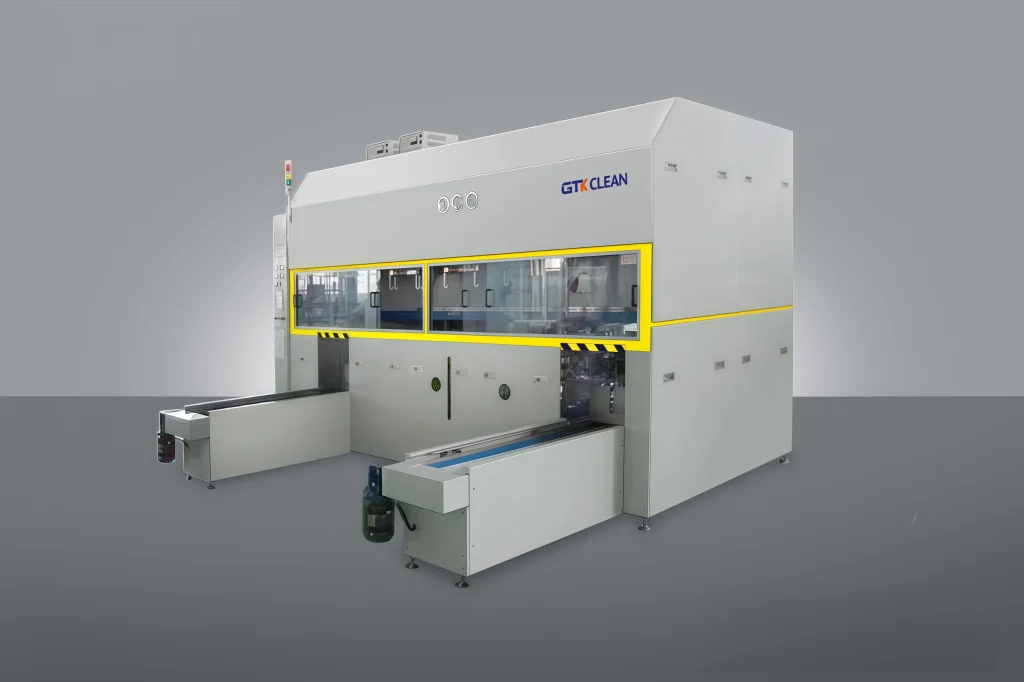
Integrated systems combining ultrasonic cleaning with solvent recovery represent the current state of the art for precision cleaning applications. Hydrocarbon solvent ultrasonic vacuum cleaners operate as single-station, fully automatic systems that integrate ultrasonic cleaning, vacuum vapor cleaning, and drying. The continuous recovery subsystem maintains solvent purity throughout extended production runs without batch processing interruptions.
Membrane separation technologies offer precise contaminant removal based on molecular characteristics. These systems excel at separating solvents from specific contaminant classes that distillation handles poorly, such as dissolved salts or high-boiling-point oils. Membrane systems often complement distillation rather than replacing it, with each technology addressing the contamination types it handles most effectively.
How Regular Maintenance Prevents Major Recovery System Failures
Preventative maintenance identifies developing problems before they cause unplanned shutdowns. The maintenance program must address the specific failure modes that solvent recovery equipment experiences.
Routine inspections examine seals, gaskets, and connections for leaks that indicate wear. Small leaks that escape casual observation can represent significant solvent loss over extended periods. Inspection protocols should specify the locations requiring examination and the criteria for replacement decisions.
Filter and condenser cleaning maintains heat transfer and flow characteristics that determine system efficiency. Fouled heat exchangers require higher energy input to achieve the same separation, while clogged filters restrict flow and reduce throughput. Cleaning intervals depend on contamination loading and should adjust based on operating experience.
Sensor calibration ensures that monitoring systems provide accurate data for process control and compliance documentation. Drift in temperature, pressure, or level sensors can cause the control system to operate outside optimal parameters without generating alarms. Calibration schedules should follow manufacturer recommendations and regulatory requirements.
Component replacement based on operating hours or condition assessment prevents failures during production. Pumps, seals, and bearings have predictable wear patterns that maintenance programs can anticipate. Stocking critical spare parts reduces the duration of unplanned shutdowns when failures do occur.
The maintenance program should generate records that support both operational optimization and regulatory compliance. Tracking maintenance activities against equipment performance identifies correlations that inform future maintenance decisions. Documentation of maintenance activities also demonstrates due diligence for safety and environmental compliance purposes.
How to Evaluate Whether Your Current System Needs Upgrading
The decision to upgrade solvent recovery equipment depends on comparing current system performance against available alternatives. Several indicators suggest that upgrade evaluation is warranted.
Recovery rates below 80% indicate that significant solvent volume is being lost to waste or emissions. Modern closed-loop systems routinely achieve 90-95% recovery, making the gap between current and achievable performance a direct measure of potential savings.
Energy consumption that has increased over time suggests declining equipment efficiency. Comparing current utility costs per unit of recovered solvent against historical baselines or manufacturer specifications quantifies the efficiency degradation.
Maintenance costs that exceed 15-20% of equipment replacement value annually indicate that the equipment has entered the declining phase of its lifecycle. At this point, continued investment in the existing system delivers diminishing returns compared to replacement.
Purity specifications that the current system cannot reliably achieve force either additional processing steps or acceptance of quality compromises. If downstream processes require higher purity than the recovery system delivers, the effective recovery rate is lower than the volumetric recovery rate suggests.
Regulatory requirements that have tightened since the system was installed may require emission controls or monitoring capabilities that the existing equipment cannot accommodate. Retrofit costs sometimes approach or exceed replacement costs while delivering inferior performance.
If your facility is experiencing persistent solvent recovery challenges, evaluating current system performance against modern alternatives can identify improvement opportunities. For operations where solvent quality directly affects product quality, integrated cleaning and recovery systems offer advantages that standalone recovery equipment cannot match.
To discuss specific requirements for your solvent recovery application, contact us at [email protected] or +86 17768507147.
FAQ
How can regular maintenance prevent major solvent recovery issues?
Regular maintenance prevents major failures by identifying wear before it causes shutdowns. Routine inspection of seals, gaskets, and connections catches leaks early. Filter and condenser cleaning maintains the heat transfer efficiency that determines energy consumption. Sensor calibration ensures control systems operate on accurate data. Component replacement based on operating hours or condition assessment avoids failures during production. Facilities with structured preventative maintenance programs typically experience 60-70% fewer unplanned shutdowns than those relying on reactive repairs.
What technologies improve solvent purity and recovery rates?
Vacuum distillation achieves higher recovery rates than atmospheric distillation while preventing thermal degradation of sensitive solvents. Multi-stage filtration removes particulate matter that would foul downstream equipment. Membrane separation provides precise removal of specific contaminant classes based on molecular characteristics. Integrated systems combining ultrasonic cleaning with continuous solvent recovery maintain purity during extended production runs. The technology combination that delivers optimal results depends on the specific solvent, contamination profile, and purity requirements. If you are evaluating technology options for a specific application, discussing the contamination characteristics with equipment suppliers helps identify the most effective approach.
If you're interested, check out these related articles:
Solvent Recovery Systems: Unlocking Industrial Cost Savings
Semi-Automated Ultrasonic Washers: Cost vs Performance Analysis
What’s the Best Pre-Coating Cleaning Machine for PVD, DLC & CVD Coating Factories?
 English
  German
  Spanish
  French
  Russian
  Portuguese