
Industrial ultrasonic cleaning systems pull serious power, and that cost adds up fast in precision manufacturing environments. Getting energy consumption under control matters for both sustainability and the bottom line. What follows are practical approaches to boost ultrasonic cleaning efficiency and cut operational costs meaningfully. These recommendations draw from GTKCLEAN's two decades of R&D work and 28 technical patents in industrial cleaning.
How Ultrasonic Power Consumption Actually Works
Energy consumption in ultrasonic cleaning systems involves several interacting factors. The ultrasonic generators and transducers do most of the heavy lifting, converting electrical energy into high-frequency sound waves. Heating elements for the cleaning solution also take a substantial bite out of overall power consumption. The efficiency of cavitation energy transfer directly shapes how much energy gets used. Ultrasonic frequency, power density, and transducer design all affect how well that energy does its job. Higher power densities typically speed up cleaning but also burn through more electricity. Getting a handle on these dynamics is where effective energy management starts.
Building Energy Efficiency Into System Design
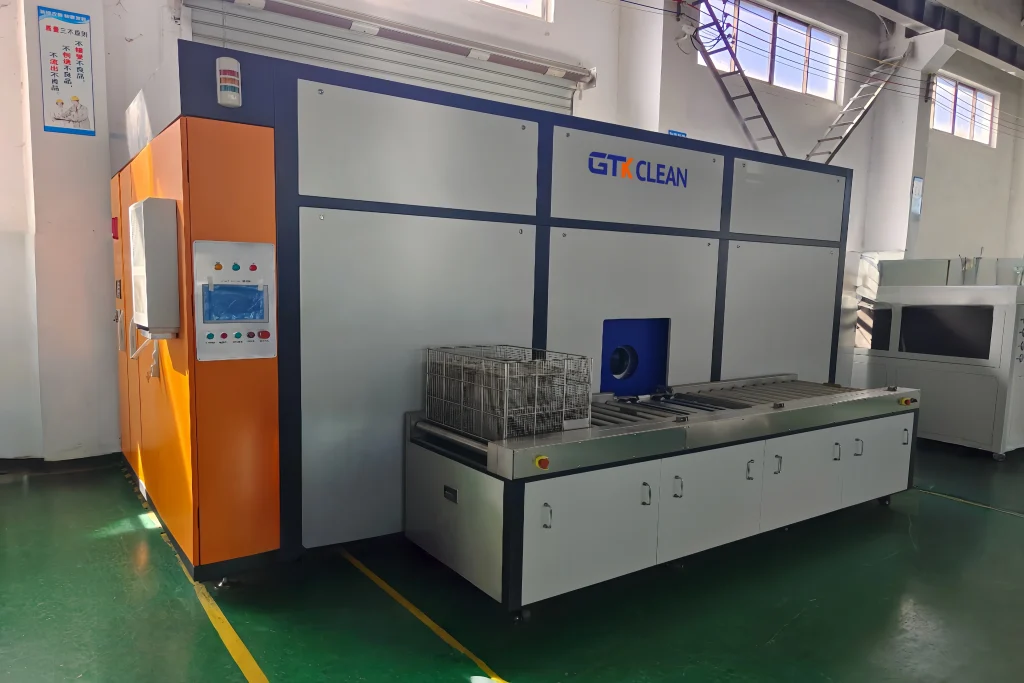
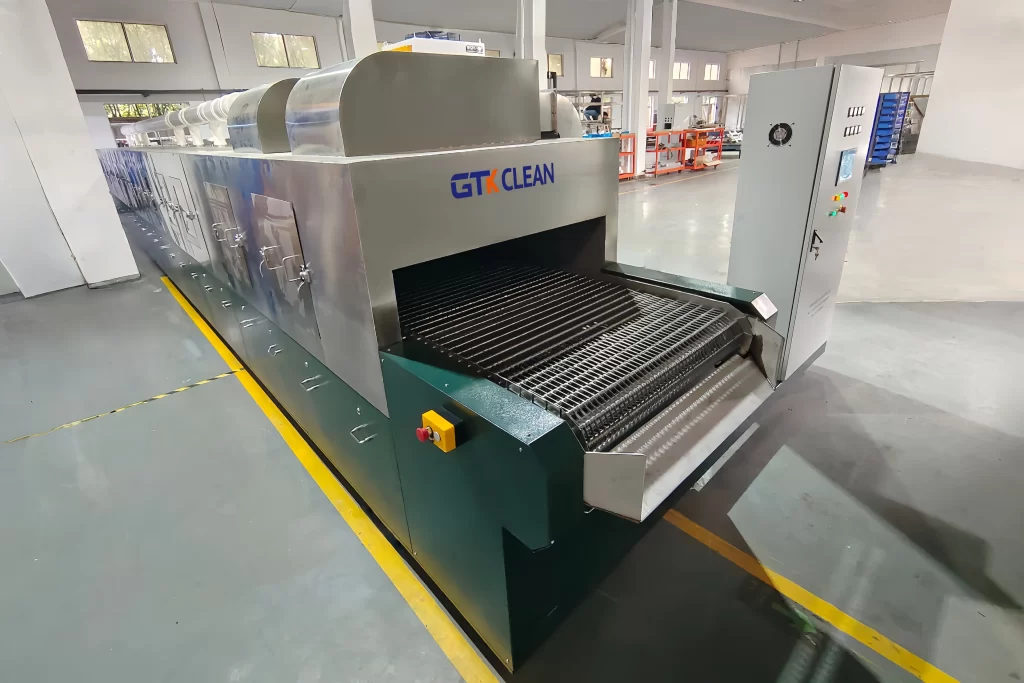
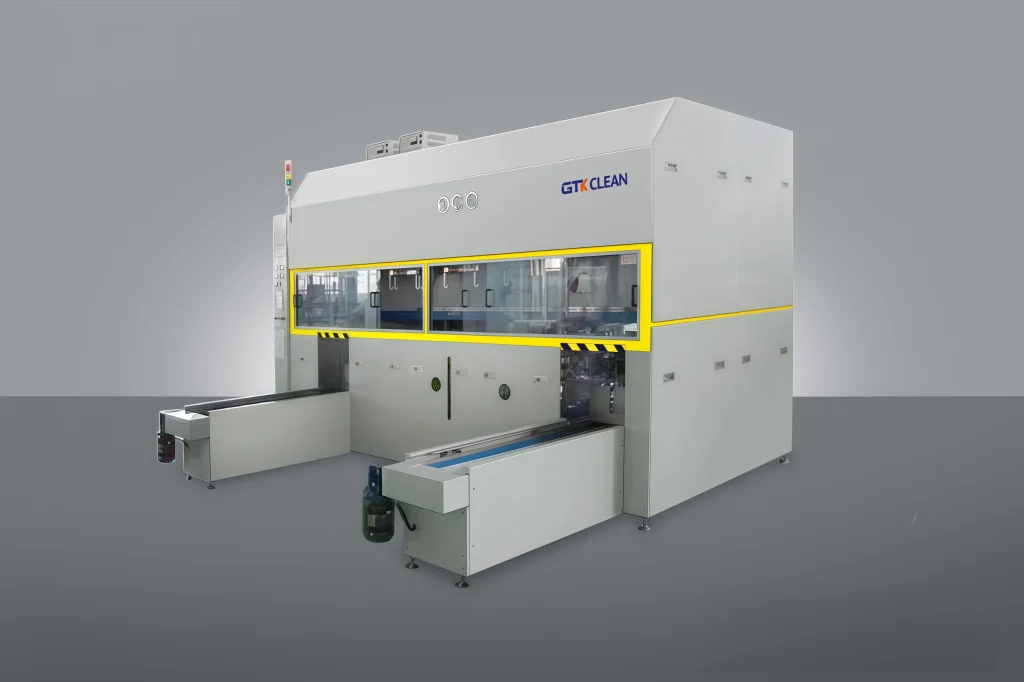
Getting the right ultrasonic cleaning equipment configured properly from the start pays dividends in sustainable operations and long-term energy savings. GTKCLEAN offers automated cleaning equipment across multiple configurations, including multi-stage systems like Pre PVD (Coating) Parts Ultrasonic Cleaners and Ultrasonic Cleaners for CNC Machined Parts, all built with energy efficiency as a design priority. Custom design work allows solutions tailored to specific applications, minimizing energy waste through optimized system configuration. The CNC Aluminum Shell Inline Cleaners, for instance, integrate heat recovery systems that reduce energy consumption during drying cycles.
How does ultrasonic frequency impact energy usage?
Ultrasonic frequency affects both cleaning effectiveness and energy consumption in meaningful ways. Lower frequencies (20-28 kHz) generate larger, more aggressive cavitation bubbles that handle heavy contaminants well but can be less energy-efficient for delicate parts. Higher frequencies (40-80 kHz) produce smaller, gentler bubbles suited to fine cleaning and intricate geometries, often requiring less power for optimal cavitation. Matching frequency to application ensures efficient energy use alongside superior cleaning results.
Understanding the technical principles behind ultrasonic cleaning can sharpen operational efficiency further. For more detail, see 《What Is the Principle of an Ultrasonic Cleaning Machine?》.
Operational Strategies That Actually Cut Costs
Day-to-day operational adjustments make a real difference in industrial cleaning energy costs. Strategies that optimize cavitation energy and process cycle efficiency deserve attention. Maintaining optimal cleaning solution temperatures matters because excessive heating wastes energy. Energy saving modes that automatically reduce power during idle periods deliver measurable savings. Regular bath maintenance, including filtration and timely solution changes, prevents the efficiency drops that force longer cycles and higher energy input. Work with clients ranging from small operations to Fortune 500 corporations confirms these methods deliver.
| Strategy | Impact on Energy Costs | Implementation Effort | Expected Savings |
|---|---|---|---|
| Optimal Temperature Control | High | Low | 10-15% |
| Power Modulation/Energy Modes | High | Medium | 15-20% |
| Regular Bath Filtration | Medium | Low | 5-10% |
| Optimized Cycle Times | High | Medium | 10-25% |
| Load Optimization | Medium | Low | 5-10% |
What are the most effective strategies for reducing energy consumption in industrial ultrasonic baths?
The most effective strategies for industrial energy reduction in ultrasonic baths center on precise temperature control, optimized ultrasonic power modulation, and maintaining solution cleanliness. Advanced power supplies capable of pulsing or sweeping frequencies can enhance cleaning while reducing continuous energy draw. Proper loading of parts prevents inefficient energy dissipation in underutilized baths. These methods, proven across practical industrial applications, contribute to significant cost savings.
Maintenance and Upgrades That Sustain Efficiency
Long-term energy cost minimization depends on diligent equipment maintenance and strategic upgrades. Preventive maintenance for ultrasonic systems, including regular inspection and cleaning of transducers and generators, keeps components operating at peak efficiency. Scheduled transducer replacement ROI analyses help determine when upgrades will provide the best return on investment. Modernizing older equipment with newer, more energy-efficient components, or replacing it entirely with advanced automated cleaning equipment, can significantly reduce energy consumption. GTKCLEAN provides solutions that deliver superior cleaning performance alongside long-term operational excellence.
Can equipment maintenance significantly lower ultrasonic cleaning costs?
Equipment maintenance can lower ultrasonic cleaning costs substantially. Regular maintenance prevents efficiency degradation from worn components or scale buildup, which forces systems to consume more energy to achieve desired cleanliness. Timely repairs and preventive checks extend equipment longevity, reducing costly replacements and ensuring consistent, energy-efficient operation. This reflects GTKCLEAN's commitment to delivering solutions that offer both performance and cost-effectiveness.
Advanced Technology for Energy Savings
GTKCLEAN's R&D leadership shows in 28 technical patents, many contributing directly to energy savings. Independently designed automated cleaning equipment incorporates smart ultrasonic systems using advanced control algorithms. These systems dynamically adjust power and frequency based on cleaning load, maximizing efficiency. Energy recovery systems capture waste heat and reuse it in the cleaning process. AI-driven optimization refines operational parameters further, leading to substantial reductions in energy consumption and positioning GTKCLEAN at the forefront of next generation cleaning technology.
Measuring and Monitoring Energy Performance
Ensuring cost-minimization efforts actually work requires measuring and monitoring energy performance. Implementing energy consumption metrics and tracking key performance indicators enables data-driven decisions. This means installing energy meters on ultrasonic systems and regularly analyzing power usage patterns. Identifying peak consumption times and areas of inefficiency allows targeted interventions. Rigorous monitoring supports sustainable manufacturing practices and provides quantifiable proof of operational improvements.
For deeper understanding of the piezoelectric effect fundamental to ultrasonic transducer operation, consider reading 《What Is The Piezoelectric Effect?》.
Partner with GTKCLEAN for Optimized Industrial Cleaning Solutions
Boost your industrial cleaning efficiency and cut operational energy costs significantly. Suzhou Grintek Environmental Technology Co.,Ltd. brings over two decades of R&D excellence, 28 technical patents, and global presence to deliver superior, independently designed automated cleaning equipment. From ultrasonic to solvent systems, our solutions are engineered for performance and sustainability. Contact us to discuss how our expertise can transform your cleaning processes and contribute to your bottom line. Reach out to [email protected] or call +86 17768507147.
Frequently Asked Questions About Ultrasonic Cleaning Energy
What is the typical energy consumption of an industrial ultrasonic cleaner?
Energy consumption of an industrial ultrasonic cleaner varies significantly based on tank volume, power output, frequency, and operational duration. Smaller benchtop units might draw a few hundred watts, while large industrial systems can consume several kilowatts. Advanced ultrasonic cleaning systems from GTKCLEAN incorporate features to optimize power usage and minimize overall energy costs. Regular monitoring and proper maintenance remain key for understanding and managing specific energy metrics.
How can I calculate the return on investment for upgrading to an energy-efficient ultrasonic cleaning system?
Calculating ROI for an energy-efficient ultrasonic cleaning system involves comparing initial investment cost against projected annual energy savings and other operational benefits. Consider reduced electricity bills, decreased maintenance, improved cleaning quality, and extended equipment lifespan. GTKCLEAN can assist with detailed ROI analyses, drawing on expertise in advanced transducer technology and system design to demonstrate long-term financial advantages for minimizing ultrasonic cleaning energy costs.
Are there specific ultrasonic frequencies that are more energy-efficient?
No single frequency qualifies as universally most energy-efficient. The optimal frequency for energy efficiency depends on the specific cleaning application. Lower frequencies generally provide more aggressive cavitation for robust cleaning but can sometimes be less efficient for delicate parts. Higher frequencies offer finer cleaning with less power but may require longer cycles. GTKCLEAN's R&D team specializes in tailoring ultrasonic cleaning solutions, ensuring chosen frequency and power modulation optimize both cleaning performance and energy consumption for specific needs.
What role does water quality play in ultrasonic cleaning energy efficiency?
Water quality significantly impacts ultrasonic cleaning energy efficiency. Hard water can lead to scale buildup on transducers and tank walls, reducing cavitation efficiency and requiring more power to achieve desired cleaning results. Contaminants in the bath can also absorb ultrasonic energy, diminishing effectiveness. Maintaining optimal water quality, often through integrated water treatment systems like those designed by GTKCLEAN, proves valuable for maximizing energy efficiency and overall performance while minimizing energy costs.
How do GTKCLEAN's patented technologies contribute to lower energy costs in ultrasonic cleaning?
GTKCLEAN's 28 technical patents in industrial cleaning reflect commitment to innovation that directly contributes to lower energy costs. Patented designs often involve advanced transducer configurations, optimized power delivery systems, and intelligent control algorithms that maximize cavitation efficiency while minimizing wasted energy. Superior cleaning performance coupled with reduced power consumption ensures clients benefit from both exceptional cleanliness and significant operational cost reductions in ultrasonic cleaning processes.
 English
  German
  Spanish
  French
  Russian
  Portuguese