Industrial cleaning detergents for ultrasonic systems do more than remove oil; they change cavitation intensity, rinse behavior, and bath life. A detergent decision made after machine selection often forces lower cleaning temperatures, extra rinse stages, or more frequent bath dumping. Matching the chemistry to the contaminant and the substrate first, then setting dosing, temperature, and rinsing, keeps the whole line stable. That sequence prevents most field failures I see in multi-tank and inline ultrasonic installations.
Detergent Chemistry Sets the Upper Limit for Ultrasonic Cleaning
A detergent is not a simple soap. In an ultrasonic tank, the formulation consists of surfactants, builders, chelating agents, corrosion inhibitors, and often a small dose of defoamer. The surfactant package lowers surface tension at the part surface, so cavitation bubbles can wet deep holes and blind threads. Builders soften water and keep soil particles suspended. Chelating agents bind hardness ions that would otherwise leave scale. Corrosion inhibitors protect the substrate when the pH is aggressive. The interaction between detergent and cavitation is what separates a good bath from a noisy bath full of bubbles that do not clean. High foam suppresses cavitation at the liquid surface and damps the shock wave in the tank. Low-foaming detergents are not a convenience; they are a process requirement for ultrasonic energy transfer. When I see a customer raising ultrasonic power to fix weak cleaning, the first thing I check is whether the detergent foam height is killing the cavitation.
Cavitation is the cleaning mechanism inside every ultrasonic tank, and detergent chemistry shifts how violently those bubbles collapse. <What Is Ultrasonic Cavitation Effect?> covers why gas content, frequency, and temperature change bubble behavior, which is useful when a vendor proposes more detergent to fix weak cavitation.
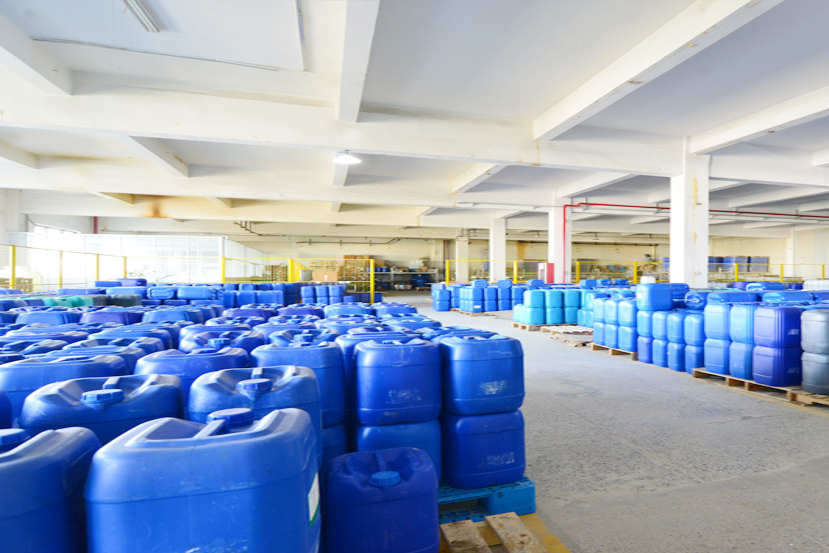
Detergent pH matters less for cleaning rate than for soil type and substrate risk. A high-alkaline detergent saponifies fatty oils and handles carbonized deposits, but it attacks aluminum and zinc. A neutral or mildly alkaline formula is safer for light oils and sensitive alloys but may require more heat or time. The chemistry decision should therefore come after you know what the part carries and what the part is made of.
Contaminant Type Should Drive Industrial Cleaning Detergent Selection
Selecting industrial cleaning detergents for ultrasonic systems should start with the contaminant, not the detergent brand. A water-soluble coolant responds to a mild alkaline cleaner at 45 to 50 degrees C. Heavy drawing compound or rust preventive oil needs a stronger alkaline builder with saponifiers and a higher operating temperature. Polishing wax softens with heat and dispersants. Metal oxides and scale need acidic or chelating chemistry, and that choice immediately raises substrate compatibility questions. The table below shows the detergent families we use for common industrial soils in ultrasonic systems.
Contaminant
Detergent family
Why it works
Light machining oil
Mild alkaline surfactant blend
Emulsifies oil without attacking aluminum or brass
Heavy stamping or drawing oil
High-alkaline with saponifiers
Breaks high-viscosity oil and lifts carbonized films
Polishing wax or paste
Alkaline with dispersants
Softens wax at 55 to 65 degrees C and keeps particles suspended
Oxides or heat scale
Acidic or chelating formula
Dissolves metal oxides; needs substrate-specific inhibitor
Fingerprints and light particles
Neutral low-residue detergent
Cleans without leaving a surface film before coating
Do not select a high-alkaline detergent for mixed alloy loads unless you have tested it on the most sensitive alloy in the basket. The cleanest looking bath can still etch an aluminum part if the pH is above 10.5 and the bath contains free caustic. Ask the detergent supplier for the undiluted pH, the recommended concentration span, and the defoamer package. Those three data points predict more line performance than a brand name.
Substrate Compatibility and Dosing Shape Daily Operating Cost
Aluminum, zinc, magnesium, brass, and copper each react differently to detergent pH and chloride. Aluminum tolerates a pH range roughly between 8.5 and 10.5 when the cleaner contains silicates or other inhibitors. Brass and copper can tarnish in strong alkaline baths, while steel forgings tolerate much higher alkalinity. If your production mix changes, test the new worst-case part before changing concentration. Dosing sits next to chemistry in operating cost. Most aqueous ultrasonic detergents run between 3 and 10 percent by volume, but the right number depends on soil load, oil rejection, and drag-out. Underdosing drops cleaning speed and leaves residue. Overdosing wastes chemistry and makes rinsing harder. The best dosing control is a daily refractometer or titration check, not a timer. When we commission multi-tank lines, we set an initial dose, run a fouled test panel, and adjust upward only until the panel passes. That holds chemistry consumption down and keeps rinse water cleaner. GTKCLEAN's aqueous ultrasonic systems typically run cleaning tanks at 45 to 65 degrees C and rinsing at 30 to 40 degrees C. Those ranges match most detergent activation windows, but you need to confirm the supplier's cloud point and maximum operating temperature before fixing the line spec. If your part mix includes aluminum and heavy chlorinated drawing oils, the same bath cannot satisfy both safely. Confirm pH, chloride content, and rinse water quality with a test coupon program before finalizing the BOM. Send your part number and contamination description to [email protected] or call +86 17768507147; we will test the detergent and the basket arrangement together.
Rinsing and Wastewater Treatment Belong in the Detergent Decision
Detergent selection does not stop at the wash tank. Every molecule that stays on the part after cleaning must come off in the rinse. Low-residue formulations matter most when parts go to PVD, CVD, DLC, or painting. A detergent that cleans fast but leaves a surfactant film can fail a water break test even when the part looks bright. Rinse water quality changes with detergent choice. Chelating agents keep hardness ions in solution, but they also carry metals into the waste stream and can complicate pH neutralization. Oil-splitting detergents let tramp oil float for skimming; emulsifying detergents hold oil in the bath and reduce oil separator efficiency. If your plant treats rinse water with evaporation or reverse osmosis, confirm the detergent does not foul the membrane or leave a hard-to-settle sludge. Temperature also decides rinse success. Most aqueous detergent residues rinse best at 30 to 40 degrees C. Colder water thickens the residue and can redeposit it on the part. The rinse stage is not a cost afterthought; it is a second process that must be specified with the same care as the wash.
Specify Detergent and System Together Before You Buy
Most detergent problems after startup trace back to a chemistry choice made on a datasheet rather than on a real part. The machine, basket, transducer frequency, and detergent have to be treated as one system. A part that passes in a small benchtop tank can still fail in a multi-tank line because the rinse, dry, and drag-out conditions differ. Specify a defined cleanliness test before the purchase order: particle count, water break, or gravimetric residue depending on the standard your downstream process requires. This is where a detergent compatibility test separates a smooth launch from a two-month troubleshooting loop. We run a fouled sample through the same chemistry, temperature, and rinse sequence the production line will use, then measure the result. That test catches etching, water spots, and residue before the machine ships. If your requirement includes zero water spots before PVD coating, a defined rust prevention window after cleaning, or mixed alloy handling, tell us which condition applies. Email [email protected] with the part drawing, contaminant, and target cycle time, or call +86 17768507147 and ask for a detergent compatibility test.
Questions to Ask Before Changing Ultrasonic Detergents
Can I use the same detergent for aluminum and steel parts?
Only if the chemistry is tested on the most sensitive alloy in the load. Aluminum and steel sit at opposite ends of pH tolerance, so a high-alkaline cleaner that removes carbon from steel can etch or blacken aluminum in minutes. A neutral or mildly alkaline formula with inhibitors can clean both, but it may need a longer cycle or a higher temperature for the steel. The safe approach is to group parts by substrate or install a second chemistry. We test mixed loads with the actual aluminum grade, not a generic panel.
How often should I dump an ultrasonic detergent bath?
A common assumption is that a dirty-looking bath has failed, but color alone does not tell you much. Bath life depends on soil load, oil split behavior, and filtration. An oil-splitting detergent with a skimmer can run for weeks if you remove floating oil daily. An emulsifying detergent loads up and needs more frequent replacement because the oil stays in the bath and reduces cleaning headroom. Refractometer readings and a daily fouled panel tell you when the bath has lost capacity, not just when it looks dark.
Does more detergent improve cleaning speed?
In production lines we have worked with, raising concentration above the supplier's recommended range rarely fixes a slow line. Overdosing increases residual film, makes rinsing harder, and raises wastewater load. The first move is to check the contaminant match, then bath temperature, then cavitation strength. If the detergent is wrong for the soil, adding more of the wrong chemistry just creates foam and cost. We adjust concentration upward only until the fouled panel passes, then stop.
Do low-foaming detergents clean as well as high-foaming ones?


 Detergent pH matters less for cleaning rate than for soil type and substrate risk. A high-alkaline detergent saponifies fatty oils and handles carbonized deposits, but it attacks aluminum and zinc. A neutral or mildly alkaline formula is safer for light oils and sensitive alloys but may require more heat or time. The chemistry decision should therefore come after you know what the part carries and what the part is made of.
 English
  German
  Spanish
  French
  Russian
  Portuguese