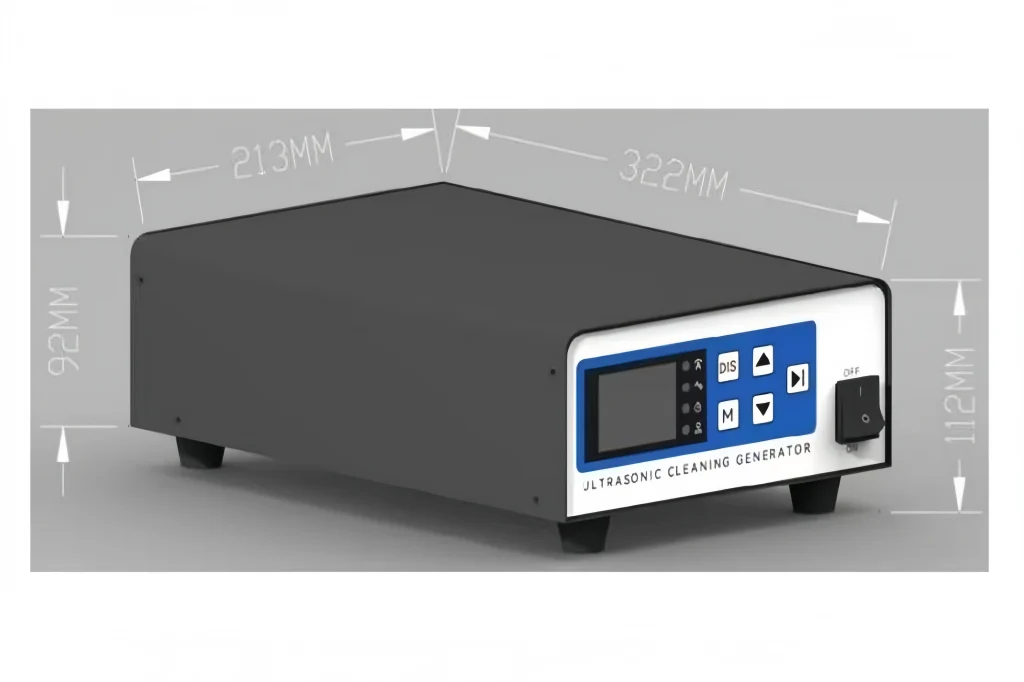
Ultrasonic generator selection is less about brand preference than about matching electrical output to the transducer load, tank volume, and the parts moving through the line. At GTKCLEAN we see the same pattern repeatedly: a plant quotes the generator wattage, misses the frequency and load matching, then struggles with unstable cavitation or overheating. The generator is not a standalone power box. It is the control heart of an ultrasonic cleaning system, and its rating only works when the tank load, transducer bank, cleaning chemistry, and production duty cycle are defined first. The criteria below reflect the checks we apply when specifying industrial generators for ultrasonic cleaning lines.
Ultrasonic Generator Selection by Cleaning Task
Start with the worst part in the basket. We ask operators to define the most difficult geometry, heaviest contamination, and the required cleanliness before any generator number is discussed. A generator sized for a light stamping line will not perform in a die casting cell with burned release compound. Cavitation energy has to reach blind holes and recesses, and the cleaning task determines the power density and frequency. We see fewer late-stage failures when the task definition comes before the wattage discussion.
Cavitation links generator output to cleaning performance. <What Is Ultrasonic Cavitation Effect?> covers how cavitation intensity changes with frequency and why aggressive bubble collapse is not always the right outcome for soft alloys or polished surfaces.
Frequency Matching for Industrial Cleaning Loads
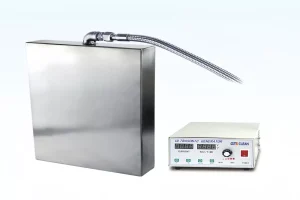
Frequency is the first electrical parameter worth fixing. A 20 kHz generator produces large bubbles that cut through heavy grease and carbonized film on large steel parts. A 40 kHz generator produces smaller, gentler bubbles for precision machined components, optical parts, and surfaces that must not be marked. For most mixed industrial loads we default to 28 kHz or 40 kHz, then adjust chemistry and basket motion before changing the generator. GTKCLEAN ultrasonic vibration plates use piezoelectric ceramic transducers and are available at 20, 28, 40, and 80 kHz. That makes frequency matching a hard gate: the generator must operate at the transducer design frequency, not sweep across a broad range.
Frequency
Typical industrial load
Main tradeoff
20 kHz
Heavy castings, engine blocks, large steel parts
Strong cavitation, higher risk of surface pitting on thin sections
Ultrasonic Generator Power, Tank Volume, and Duty Cycle Ratings
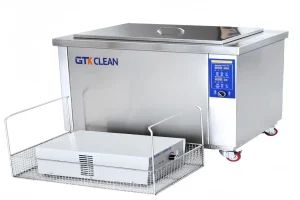
Power density starts with tank volume, transducer count, and basket mass. We calculate the total transducer electrical demand, then compare it with the generator continuous output rating. A generator rated at 2,000 W should not be run continuously at 2,000 W into a stressed load. Leaving headroom reduces transistor heating and extends switching life. The usable cleaning power also depends on how much of the tank is occupied by parts and how the basket moves through the liquid.
How do we calculate power density for an industrial ultrasonic generator?
At GTKCLEAN we start from watts per liter, then correct for basket mass and part geometry. A light stamped component needs less power than a solid bearing housing, even in the same tank. The transducer count is the next check. If the generator cannot drive the installed transducer bank at its rated frequency, cleaning drops off first at the tank edges and the deepest part features.
What happens when an ultrasonic generator is undersized?
An undersized generator runs near its limit, heats the driver stage, and eventually trips or drifts. Operators respond by lengthening the cycle, which raises energy cost and creates a bottleneck. In some cases the generator shuts down under load, but the tank still looks like it is cleaning because some cavitation continues. The visible clue is a cycle that was stable at commissioning but slows after several weeks of full production.
Controls and Protection Features for Stable Process Output
Look for constant power regulation, overload alarm, thermal protection, and a frequency display. The generator should hold its setpoint as the load changes when baskets enter and leave the tank. We prefer units with PLC communication so the cleaning line can record power output and alarm history. That data turns an occasional failure into a predictable maintenance item. GTKCLEAN automated cleaning systems use Siemens or Mitsubishi PLC control, which makes the generator status visible on the same HMI as the tank logic. If your line mixes heavy castings and fine finished seats, the generator needs a defined load strategy rather than a fixed setpoint. If you share the transducer count, tank volume, and basket mass with us at [email protected], we can run the matching calculation before you lock the purchase.
Duty cycle and cooling also shape operating cost. <Ultrasonic Cleaning Energy Costs Minimizing Strategies> covers how generator run time and heating load affect energy use, and why a correctly sized generator often costs less to run than an oversized model.
The Data to Send Before Finalizing an Ultrasonic Generator
Before finalizing an ultrasonic generator, send us the tank dimensions, the number and type of transducers, the material and mass of a full basket, and the current cleaning defect. We use that information to calculate the electrical load and the recommended operating frequency, then confirm whether a standard generator will fit or whether a custom match is required. Submit the part drawing and the current residue or erosion issue to [email protected] or call +86 17768507147. If you include the production hours per day, we can also check duty cycle and cooling requirements before you order.
Common Questions About Ultrasonic Generator Selection
Does a higher wattage ultrasonic generator clean faster?
Not necessarily. Wattage only speeds cleaning when the added power goes into usable cavitation at the correct frequency. If the transducer bank is mismatched, more watts can create surface erosion without removing contamination from blind holes. The faster path is to confirm generator output against the actual basket load and the required cleanliness. For heavy loads, extra power only matters after the fixture exposes the part geometry to the cavitation field.
Can one generator drive two tanks?
It depends on the switching method and the load schedule. Some designs offer dual outputs with alternating operation; others are built for a single transducer bank. Running two tanks simultaneously from one generator usually cuts the available power per tank and makes frequency matching harder. If the second tank is only for rinsing or light duty work, a switched setup may work. For two production cleaning tanks, separate generators usually hold the process more stable.
What is the difference between a generator and a transducer?
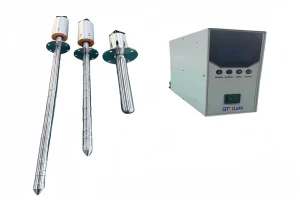
This is the most common source of confusion. The transducer converts electrical energy into mechanical vibration; the generator produces the high frequency electrical signal that drives it. A generator set to the wrong frequency will not destroy the transducer immediately, but it will reduce cavitation and may overheat the load. When specifying a new system, the two must be ordered as a matched set rather than chosen from separate catalog pages.
How do I know if the generator is matched to the tank?
In installations we have corrected, the first clue was that the cavitation test foil failed at the edges of the tank while the center looked fine. The generator was driving the wrong frequency or the transducer bank was unevenly loaded. A matched generator produces consistent foil erosion across the active area and holds a stable current reading as the basket enters the tank. If the current oscillates more than a few percent during the cycle, we treat that as a matching error until the wiring and transducer bank prove otherwise. Share the transducer count, tank volume, and the current cleaning defect at [email protected]; we can confirm which generator configuration will hold stable performance under load. If you're interested, check out these related articles: Selecting Conveyor Cleaning Systems for Continuous ProductionStamped Parts Cleaning Solutions - GTKUltrasonic Pre-Cleaning Machine for Flawless PVD/DLC Coating Pre-Treatment


 English
  German
  Spanish
  French
  Russian
  Portuguese