
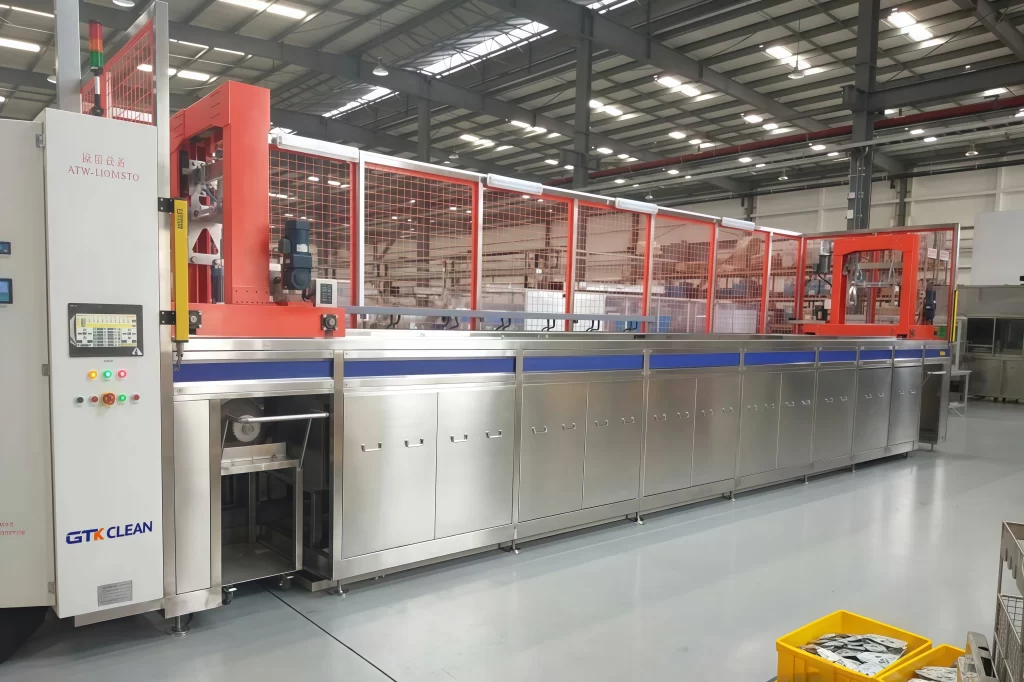
Industrial cleaning has always been one of those areas where the gap between "good enough" and "actually clean" matters more than most people realize. After watching countless manufacturers struggle with manual methods that looked fine on paper but failed in practice, the shift toward automated ultrasonic systems starts making a lot more sense. These machines do what human hands simply cannot: reach every surface, maintain exact parameters, and repeat the process identically thousands of times.
Why Manual Ultrasonic Cleaning Falls Short
Manual cleaning methods seem economical at first glance, but the hidden costs add up quickly in real production environments. The inconsistency alone creates problems that ripple through entire manufacturing chains. Human variability means one operator cleans differently than another, and even the same person performs differently at 8 AM versus 4 PM.
Complex parts present the biggest headaches. Components heading into PVD coating processes or freshly machined CNC parts have intricate geometries that manual methods simply cannot address properly. Blind holes, internal cavities, narrow slits—residues hide in all these places, and they cause problems later. A fingerprint left on a surface before coating might seem trivial until the coating fails in the field.
Labor costs extend beyond wages. Training takes time. Chemical exposure creates health risks and liability concerns. Worker fatigue leads to mistakes, and mistakes lead to rework. For high-volume operations producing stamping parts or fasteners, manual cleaning becomes a genuine bottleneck. The production line waits while someone scrubs parts by hand.
CNC machined components accumulate cutting fluids, metal chips, and burrs during manufacturing. Removing all of this manually takes forever and rarely achieves the precision required for subsequent operations. Stamping parts need thorough removal of oils and anti-rust compounds before electroplating or painting can proceed. Doing this by hand invites errors.
The fundamental problem with manual operations is the lack of process control. Temperature drifts. Cleaning time varies. Chemical concentrations change as solutions age. Standardizing these parameters across shifts and operators proves nearly impossible. Rejected parts, wasted materials, and higher production costs follow naturally from this variability.
What Automated Ultrasonic Systems Actually Deliver
Automated ultrasonic cleaning systems change the equation entirely. Precise control over temperature, frequency, and cleaning duration produces consistent results that manual methods cannot match. This matters enormously for precision components where cleanliness specifications leave no room for interpretation.
Operational costs drop significantly once automation takes over. Labor expenses shrink because machines handle the work. Chemical consumption decreases through advanced filtration and circulation systems that extend solution life. Water usage falls as well. Pre PVD coating cleaners with circulation filtration keep cleaning solutions effective much longer than batch-and-dump manual approaches.
Safety improves when humans step back from hazardous processes. Automated systems reduce exposure to chemicals and high temperatures. Hydrocarbon solvent vacuum cleaners incorporate gas monitoring and exhaust systems that protect personnel while meeting environmental regulations. Workers stay healthier, and compliance headaches diminish.
The cleaning itself reaches places manual methods cannot touch. Cavitation penetrates blind holes, complex geometries, and narrow slits to remove oils, chips, dust, and fingerprints. Rotary basket systems provide 360-degree cleaning for intricate parts. Industries with stringent cleanliness standards find this precision indispensable.
| Feature | Manual Cleaning | Automated Ultrasonic Cleaning |
|---|---|---|
| Cleaning Consistency | Low, highly variable | High, repeatable precision |
| Labor Dependency | High | Low |
| Operational Costs | High (labor, rework) | Lower (efficiency, resource reuse) |
| Cleaning Effectiveness | Limited, difficult for complex parts | Superior, reaches blind spots |
| Safety | Lower, chemical exposure risk | Higher, reduced human interaction |
| Throughput | Low | High |
For a deeper understanding of how these systems work, consider reading about 《What Is Ultrasonic Cavitation Effect?》 and 《What Is the Principle of an Ultrasonic Cleaning Machine?》.
Selecting and Integrating the Right System
Choosing an automated ultrasonic cleaning system requires honest assessment of what you actually need to clean. Part material, size, weight, and geometric complexity all influence system selection. Heavy-duty automated cleaners handle components up to 2000 kg—engine blocks and similar large items. Rotary basket systems work better for smaller, complex parts requiring thorough coverage from all angles.
Cleanliness standards vary dramatically across industries and applications. Basic degreasing differs from ultra-pure cleaning for sensitive electronic components. Pre PVD coating cleaners delivering ultrapure water with conductivity at or below 0.06 μS/cm prevent secondary contamination that would ruin subsequent processes. Your required cleanliness level determines how many cleaning stages you need, which cleaning media to use, and what drying methods make sense.
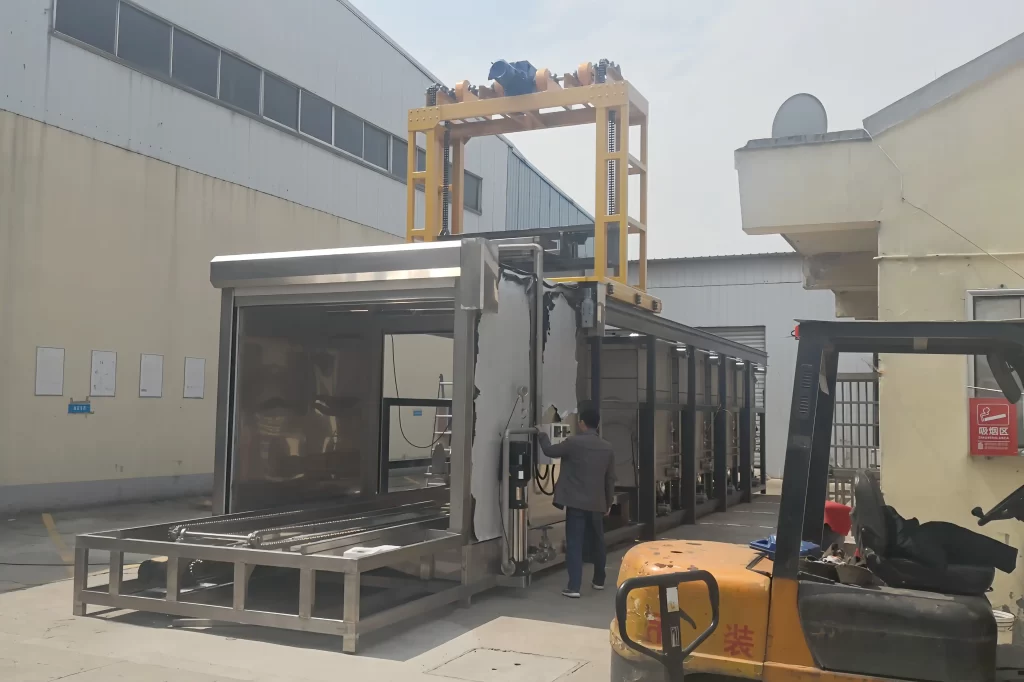
Available floor space and existing production line layout matter more than many buyers initially realize. Inline systems like CNC aluminum shell cleaners or fastener tunnel cleaners integrate directly into production flow. Standalone units work better for batch processing or when floor space is limited. The automation level must match your factory's workflow and expansion plans.
Return on investment calculations should include everything: initial purchase price, installation costs, ongoing labor savings, reduced chemical and water consumption, lower rework rates, energy usage, and maintenance requirements. Filtration and circulation systems that extend fluid life and minimize waste contribute directly to long-term savings.
Getting More from Advanced Cleaning Technology
Process optimization separates adequate cleaning from excellent cleaning. Multi-stage systems integrating hydrojet spray, ultrasonic cleaning, multi-stage ultrapure water rinsing, and various drying methods address contamination comprehensively. Each stage handles specific contaminant types, and the sequence matters.
Parts with blind holes, narrow slits, and complex internal geometries challenge conventional cleaning approaches. Cavitation technology penetrates these hard-to-reach areas effectively, removing oils, chips, and residues that would otherwise remain. For industries where microscopic contaminants compromise product integrity, this capability proves invaluable. The precision of Ultrasonic Cleaning Systems remains unmatched for these applications.
Specialized solutions address unique challenges. Hydrocarbon solvent vacuum cleaners integrate ultrasonic cleaning with vacuum vapor cleaning and drying. Removing air from the solvent allows deeper penetration into part surfaces. This approach works particularly well for precision hardware and CNC machined parts requiring high cleanliness standards.
Modern systems adapt to changing requirements. Fully automatic operation with remote program upgrade capability means cleaning processes can be optimized as cleanliness requirements evolve or new materials enter production. Intelligent control systems using Siemens or Mitsubishi PLCs with HMI interfaces provide automatic alarms and fault diagnostics, minimizing downtime and keeping production moving.
| Technology Feature | Benefit for Process Optimization | GTKCLEAN Product Example |
|---|---|---|
| Multi-stage Cleaning | Comprehensive contaminant removal, tailored to specific needs | Pre PVD (Coating) Parts Ultrasonic Cleaners |
| Cavitation Penetration | Effective cleaning of complex geometries, blind holes | Ultrasonic Cleaners For Stamping Parts |
| Hydrocarbon Vacuum Cleaning | Deep cleaning for precision parts, solvent efficiency | Hydrocarbon Solvent Ultrasonic Vacuum Cleaners |
| Intelligent PLC Control | Automated operation, fault diagnostics, remote upgrades | Ultrasonic Cleaners for CNC Machined Parts |
| Circulation Filtration | Extends fluid life, reduces waste, consistent cleaning quality | Multi-Tank Hydrocarbon Ultrasonic Cleaners |
For more technical details on the underlying principles, explore 《What Is Ultrasonic Wave?》 and 《What Is The Piezoelectric Effect?》.
The Financial and Environmental Case for Automation
The initial investment in automated ultrasonic cleaning systems pays back faster than many manufacturers expect. Reduced labor costs come first—automation minimizes manual intervention across shifts. Consistent quality decreases rework and scrap rates. Higher production throughput follows naturally when cleaning no longer creates bottlenecks.
Environmental benefits align with financial ones. Circulation filtration and ultrapure water systems cut water and detergent consumption significantly. Pre PVD coating cleaners minimize water spots and secondary contamination while reducing environmental impact. These improvements matter for regulatory compliance and increasingly for customer expectations around sustainability.
Cleaning fluid longevity contributes substantially to cost reduction. Efficient filtration and recycling systems extend solution life far beyond what manual batch processing achieves. Hydrocarbon solvent vacuum cleaners with built-in vapor condensation and vacuum distillation recover solvents for reuse, cutting both purchase costs and waste disposal expenses.
Product quality improvements create their own returns. Fewer customer complaints, stronger brand reputation, better market positioning—these benefits compound over time. Reduced waste, lower energy consumption, decreased labor requirements, and improved product quality together build a compelling long-term value proposition.
Where Industrial Cleaning Technology Is Heading
Industrial cleaning continues evolving toward greater efficiency, precision, and environmental responsibility. Smart cleaning systems integrating artificial intelligence and machine learning will enable predictive maintenance and optimized cleaning cycles. Real-time adjustments based on contamination levels and part characteristics will push performance further.
GTKCLEAN's ongoing R&D efforts, reflected in 28 technical patents, position the company to shape these developments. Systems offering greater customization and flexibility will adapt to diverse and evolving cleanliness requirements across industries. Solvent recovery and water treatment technologies will continue advancing.
Industry 4.0 principles will connect cleaning systems to broader manufacturing ecosystems. Centralized control, data analytics, and remote diagnostics will become standard features. Predictive maintenance will minimize downtime. Resource utilization will optimize across entire production lines rather than individual stations. Intelligent control systems with remote upgrade capabilities already appear in many current machines.
Compact, energy-efficient designs and new environmentally benign cleaning agents will gain importance. The focus remains on solutions that anticipate future industrial needs while meeting current requirements.
Frequently Asked Questions About Automated Ultrasonic Cleaning
What are the key benefits of automating ultrasonic cleaning processes?
Automating ultrasonic cleaning processes delivers enhanced cleaning consistency, reduced labor costs, improved safety for personnel, faster cycle times, and the ability to meet stringent cleanliness specifications. These systems ensure repeatable, high-quality results across various industrial applications, optimizing overall production efficiency.
How does automated ultrasonic cleaning improve efficiency and reduce operational costs?
Automated ultrasonic cleaning systems improve efficiency by streamlining the cleaning workflow, minimizing manual handling, and optimizing energy and chemical consumption. Operational costs are reduced through lower labor expenses, decreased rework due to inconsistent cleaning, and extended lifespan of parts due to superior cleaning quality. This leads to a higher return on investment for industrial cleaning equipment.
What factors should be considered when transitioning from manual to automated industrial cleaning?
When transitioning from manual to automated industrial cleaning, consider factors such as the type and volume of parts, required cleanliness levels, available footprint, budget, and integration with existing production lines. Evaluating the specific challenges of your current manual cleaning operations and consulting with experts like GTKCLEAN can help in selecting the optimal automated ultrasonic cleaning system.
Can automated ultrasonic cleaning systems be customized for specific industrial applications?
Yes, automated ultrasonic cleaning systems are highly customizable. GTKCLEAN specializes in independently designing a comprehensive range of automated cleaning equipment, including Ultrasonic Cleaning Systems, to meet evolving cleanliness requirements across diverse industries. Our solutions are tailored to specific part geometries, contamination types, and production volumes, ensuring optimal performance for your unique application.
What is the typical ROI for investing in an automated ultrasonic cleaning system?
The typical ROI for investing in an automated ultrasonic cleaning system can be substantial, often realized within a few years. This is driven by significant reductions in labor costs, improved product quality leading to less scrap and rework, decreased consumption of cleaning chemicals and water, and enhanced production throughput. The exact ROI varies based on the specific application and system configuration, but the long-term operational savings are compelling.
Transform Your Cleaning Operations with GTKCLEAN
Elevate your operational efficiency and cleaning standards with GTKCLEAN's cutting-edge automated ultrasonic cleaning systems. With over 20 years of R&D and 28 technical patents, we provide globally recognized solutions tailored to your unique industrial needs. Contact Suzhou Grintek Environmental Technology Co.,Ltd. today for a consultation and discover how our expertise can transform your cleaning processes. Visit gtkclean.com or email [email protected].
 English
  German
  Spanish
  French
  Russian
  Portuguese