
Why Running a Factory Audit Before Buying Cleaning Equipment Saves More Than It Costs
Skipping a factory audit for cleaning equipment suppliers is a gamble that rarely pays off. The equipment looks fine in the catalog, the price seems competitive, and the sales rep promises everything will arrive on schedule. Then reality hits: seals fail after three months, ultrasonic transducers lose power, and you discover the "stainless steel" tank is actually a cheaper alloy that corrodes under your solvent chemistry.
A proper factory audit for cleaning equipment suppliers catches these problems before they become yours. It verifies whether the supplier actually manufactures what they claim, whether their quality control matches their marketing, and whether their production capacity can handle your order without cutting corners. For precision cleaning systems where contamination tolerances are measured in microns, this verification is not optional.
The math is straightforward. An audit costs a few thousand dollars and a few days of time. A failed cleaning system costs production downtime, rejected parts, customer complaints, and the expense of sourcing a replacement while your line sits idle. Organizations that audit their suppliers consistently report fewer equipment failures and lower total ownership costs over the equipment lifecycle.
| Benefit Category | What the Audit Reveals |
|---|---|
| Risk Mitigation | Identifies supply chain vulnerabilities and quality issues before purchase |
| Quality Assurance | Verifies actual manufacturing standards versus claimed specifications |
| Cost Savings | Prevents equipment failures, rework, and unplanned downtime |
| Compliance | Confirms adherence to regulatory and ethical sourcing requirements |
| Performance | Ensures equipment meets specified cleaning performance and durability criteria |
What Compliance and Supply Chain Risks Look Like in Practice
Environmental compliance, health and safety regulations, and ethical sourcing are not abstract concerns when you are importing industrial equipment. A supplier operating without proper environmental permits may face sudden shutdowns. A factory with poor worker safety practices often has poor quality practices as well, because both stem from the same management attitude toward doing things correctly.
During audits, we look for ISO certifications as a baseline, but certifications alone do not tell the full story. The audit examines whether the documented procedures actually match what happens on the production floor. A supplier might hold ISO 9001 certification while simultaneously shipping equipment that fails incoming inspection because their actual practices have drifted from their documented system.
Supply chain transparency matters particularly for cleaning equipment that will handle regulated processes. If your cleaning system supports medical device manufacturing or aerospace components, you need documentation that traces materials and processes. An audit verifies whether that documentation exists and whether it is accurate.
Why Material Quality and R&D Capability Determine Equipment Longevity
The difference between a cleaning system that lasts eight years and one that fails in eighteen months often comes down to material selection and manufacturing precision that you cannot see in a finished product photo. Tank wall thickness, weld quality, transducer bonding methods, pump specifications, and control system components all affect longevity.
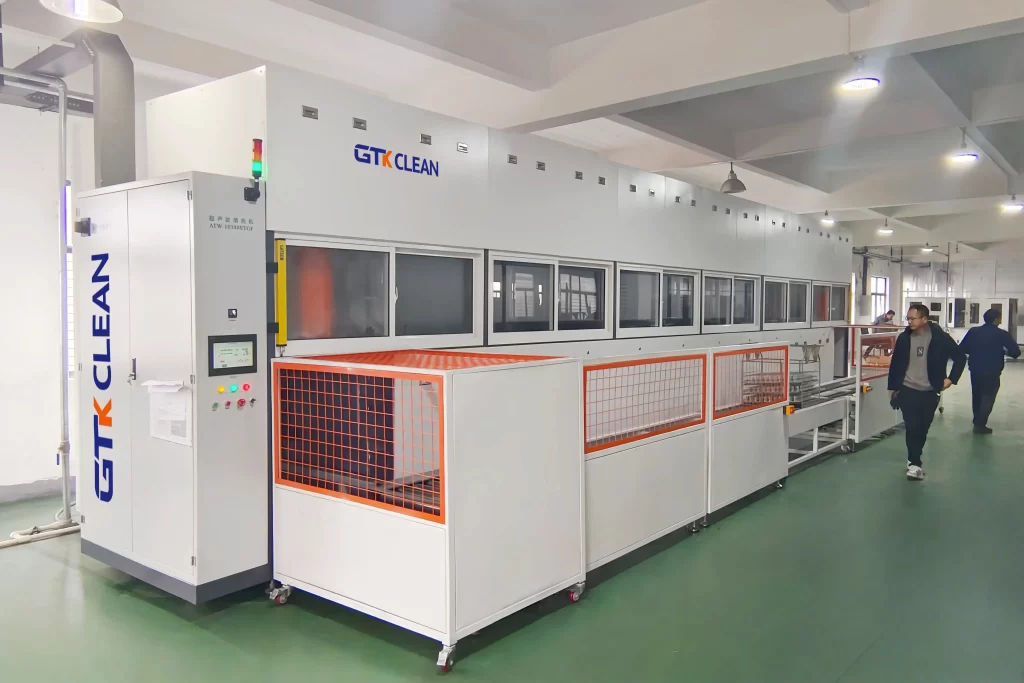
Consider the engineering required for multi-stage ultrasonic cleaning systems with ultrapure water rinse cycles. These systems demand precise frequency control, consistent cavitation intensity across the tank volume, and materials that resist both the cleaning chemistry and the parts being processed. A supplier without genuine R&D capability cannot troubleshoot problems or adapt designs to unusual applications.
We evaluate R&D capability by examining patent portfolios, reviewing new product development history, and assessing whether the engineering team can discuss technical tradeoffs intelligently. A supplier with 28 technical patents and two decades of development history approaches problems differently than one assembling components from various sources without deep understanding of how they interact.
How to Structure a Factory Audit for Cleaning Equipment Suppliers That Actually Works
A factory audit for cleaning equipment suppliers follows a predictable sequence, but the execution determines whether you get useful information or just a factory tour with lunch. The process starts before anyone boards a plane.
Audit planning defines what you need to verify based on your specific application. A buyer procuring hydrocarbon solvent cleaning systems has different concerns than one buying aqueous spray washers. The planning phase produces a vendor assessment checklist tailored to your equipment type, production volume requirements, and quality specifications. Generic checklists miss application-specific risks.
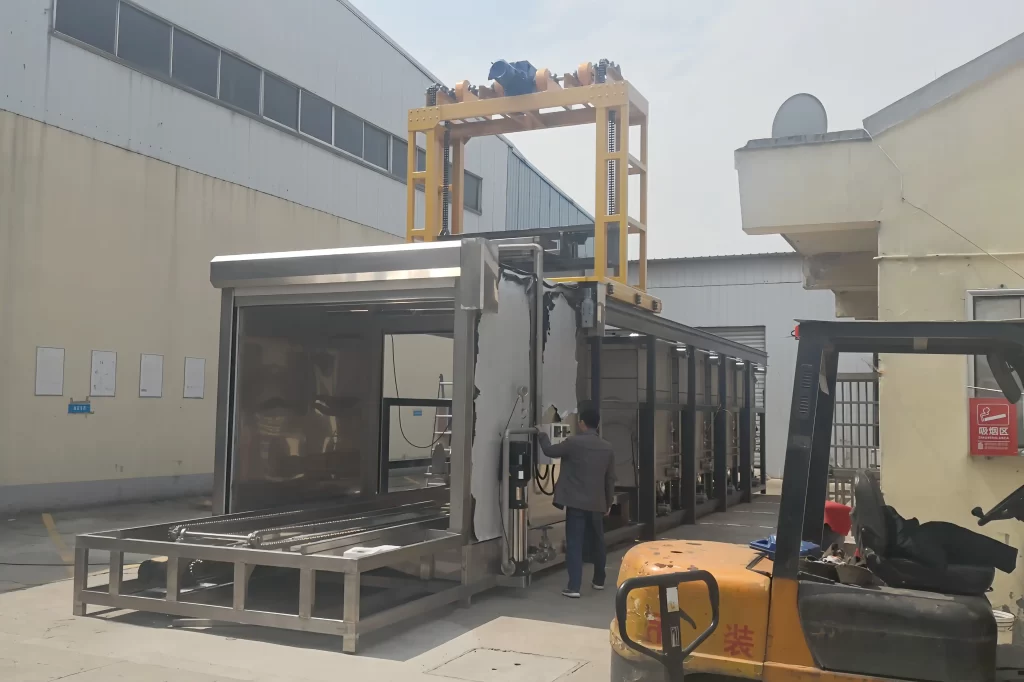
The on-site inspection examines manufacturing facilities and processes directly. This is where you discover whether the supplier's actual capabilities match their claims. You observe production in progress, examine work-in-process inventory, and talk with production personnel. The inspection covers equipment condition, housekeeping, material handling, and workflow organization.
Documentation review examines quality management system records, calibration certificates, material certifications, and product test data. The goal is verifying that documented procedures exist and that they are actually followed. Gaps between documentation and practice are common findings.
The audit report documents findings, categorizes non-conformities by severity, and recommends corrective actions. A useful report distinguishes between critical issues that should disqualify a supplier, major issues that require correction before ordering, and minor issues that represent improvement opportunities.
Follow-up verifies that corrective actions were implemented effectively. This step is frequently skipped, which undermines the entire audit investment. A supplier that agrees to corrective actions but never implements them has told you something important about how they will handle problems with your order.
What to Examine on the Production Floor During a Cleaning Equipment Audit
The production floor reveals more than any brochure or sales presentation. Evaluating a supplier's actual capabilities requires examining manufacturing processes, quality systems, and production capacity with a critical eye. The goal is determining whether this supplier can consistently produce equipment that meets your specifications.
Manufacturing Process and Quality Control Assessment
Production line observation starts with understanding the supplier's manufacturing flow. Where do raw materials enter? How are they inspected and stored? What happens at each workstation? How are in-process inspections conducted? Where do finished units go for final testing?
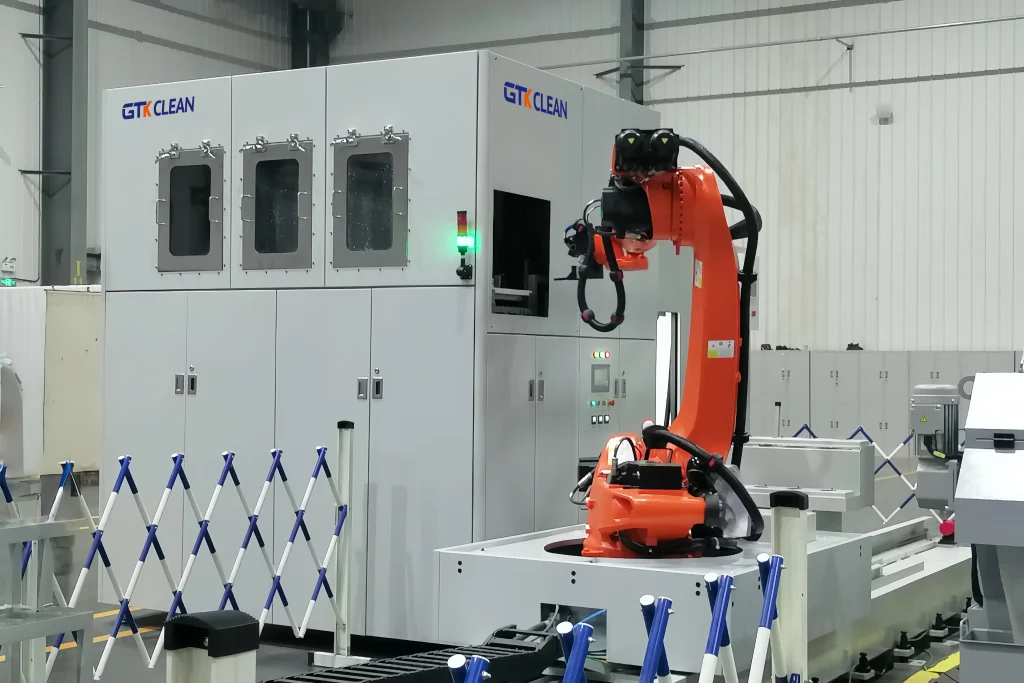
For advanced cleaning systems such as multi-tank hydrocarbon ultrasonic cleaners designed for blind-hole cleaning and solvent recovery, process control requirements are demanding. Ultrasonic transducer bonding must achieve consistent adhesion strength. Tank fabrication requires precise dimensional control and weld quality. Electrical assembly must follow documented procedures to ensure safety and reliability.
Quality control assessment examines inspection equipment, calibration records, and inspection procedures. A supplier claiming to verify ultrasonic frequency and power output should have the test equipment to do so and records showing regular calibration. We examine whether inspection results are actually used to make decisions or simply filed away.
Equipment maintenance practices reveal management priorities. Well-maintained production equipment produces consistent results. Neglected equipment produces variable quality and eventually fails during your order.
R&D Capability and Innovation Capacity Evaluation
A supplier's investment in research and development determines their ability to solve problems and improve products over time. For cleaning equipment, this capability matters because applications evolve, new contamination challenges emerge, and customers need suppliers who can adapt.
R&D assessment examines the development team's qualifications, their new product development process, and their track record of successful innovations. A supplier with a comprehensive range of automated cleaning equipment covering CNC machined parts, stamping parts, and various other applications has demonstrated the ability to develop solutions across different requirements.
Intellectual property review indicates whether the supplier creates genuine innovations or simply copies existing designs. A portfolio of technical patents suggests engineering depth and investment in proprietary technology. This matters for long-term partnerships where you may need customized solutions or technical support for unusual applications.
If your cleaning requirements involve specific challenges such as complex part geometries or unusual contamination types, discussing these with the supplier's engineering team during the audit reveals their technical depth. Engineers who can discuss tradeoffs and propose solutions demonstrate capability that sales representatives cannot fake.
What Happens After the Audit Determines Whether It Was Worth Doing
The factory audit produces findings. What happens next determines whether those findings translate into better equipment and a reliable supply relationship. Post-audit actions require collaboration, clear expectations, and follow-through from both parties.
Corrective action planning addresses identified deficiencies. For critical and major findings, the supplier must propose specific corrective actions with implementation timelines. These proposals should address root causes rather than symptoms. A supplier who responds to a finding about inconsistent weld quality by proposing "more inspection" has not understood the problem. The correct response addresses welder training, procedure documentation, or equipment maintenance.
Implementation verification confirms that corrective actions were actually completed and effective. This may require a follow-up visit or documented evidence depending on the finding severity. Suppliers who implement corrective actions promptly and thoroughly demonstrate the management commitment that predicts future performance.
Ongoing relationship management extends beyond the initial audit. Regular communication, performance reviews against agreed metrics, and periodic re-audits maintain quality over time. Suppliers can drift from good practices, and sustained attention prevents gradual degradation.
Customer feedback mechanisms provide ongoing performance data. Equipment performance in actual operation reveals issues that factory testing may not catch. Establishing channels for reporting problems and tracking resolution builds a partnership that improves over time.
Contractual agreements should formalize performance expectations, quality requirements, and consequences for non-conformance. Clear contracts prevent misunderstandings and provide recourse when problems occur.
Selecting the Right Partner for Your Cleaning Equipment Requirements
Choosing a cleaning equipment supplier involves more than comparing prices and delivery times. The audit process reveals which suppliers have the capability, systems, and commitment to deliver equipment that performs reliably over its intended service life. Suppliers with demonstrated R&D depth, verified quality systems, and responsive technical support provide value that extends well beyond the initial purchase.
If your application involves precision cleaning requirements or you are evaluating suppliers for a significant equipment investment, a conversation about specific requirements and capabilities is worthwhile before committing. Suzhou Grintek Environmental Technology Co.,Ltd. can be reached at +86 17768507147 or [email protected] to discuss how two decades of cleaning technology development and 28 technical patents might address your particular challenges.
Frequently Asked Questions About Cleaning Equipment Supplier Audits
What stages should a factory audit for cleaning equipment suppliers cover?
A thorough factory audit for cleaning equipment suppliers moves through five stages: planning that defines scope and objectives based on your specific equipment requirements, on-site inspection of manufacturing processes and quality control systems, documentation review covering certifications and quality records, report generation with findings and corrective action recommendations, and structured follow-up to verify implementation. Each stage builds on the previous one, and skipping stages undermines the audit value.
How do I verify that a cleaning equipment supplier actually meets international quality and safety standards?
Verification requires looking beyond certificates hanging on the wall. During the audit, examine whether ISO 9001 quality management procedures are actually followed on the production floor, whether CE marking documentation reflects genuine conformity assessment, and whether safety testing records exist for the specific equipment models you are considering. Review calibration records for test equipment, examine material certifications for critical components, and observe whether documented procedures match actual practices. Certifications indicate intent; audit observations reveal reality.
What return do regular factory audits provide for cleaning equipment procurement?
Regular audits deliver returns across several dimensions: they identify supply chain risks before they disrupt your operations, they verify that supplier quality remains consistent over time rather than degrading after the initial order, and they provide leverage for continuous improvement discussions. Organizations that audit regularly report fewer incoming quality rejections, lower warranty claim rates, and stronger supplier relationships. The audit investment typically pays for itself many times over through avoided failures and reduced total cost of ownership. For ongoing supplier relationships, consider scheduling follow-up audits annually or whenever significant changes occur in the supplier's operations or your requirements.
If you're interested, you may want to read the following articles:
Design an Efficient Multi-Stage Industrial Cleaning Process
Recommended Optimum Cleaning Temperature for Ultrasonic Cleaning Equipment (Including Special Guidance for Aluminum Parts and Polishing Wax)
Choosing the Right Ultrasonic Cleaning System for Your Factory
Aqueous Parts Cleaning: A Manufacturer’s Technical Guide
 English
  German
  Spanish
  French
  Russian
  Portuguese