
Automated cleaning lines sit at the center of modern manufacturing operations, directly affecting both product quality and throughput. When these systems stop unexpectedly, the costs accumulate fast: lost production hours, expedited repairs, and downstream scheduling chaos. Preventing automated cleaning line downtime is not a single fix but a layered strategy that addresses mechanical vulnerabilities, maintenance timing, operator behavior, and the data infrastructure that ties everything together. This article walks through the practical steps manufacturers use to keep their cleaning processes running.
What Actually Causes Cleaning Line Stoppages
Unexpected downtime rarely arrives without warning. Most stoppages trace back to identifiable mechanical, electrical, or operational failures that developed over time. Pinpointing the root cause of equipment failure is the first step toward effective prevention, and it requires looking beyond the immediate symptom to the underlying condition.
Mechanical issues frequently involve component wear in moving parts. Bearings degrade, pump seals lose integrity, and nozzles accumulate residue that restricts flow. Electrical problems range from sensor malfunction to control system errors, often triggered by loose connections or power fluctuations that went unnoticed during routine checks. Operational factors tend to be the most overlooked: improper loading sequences, incorrect parameter settings, or skipped verification steps that compound into system faults.
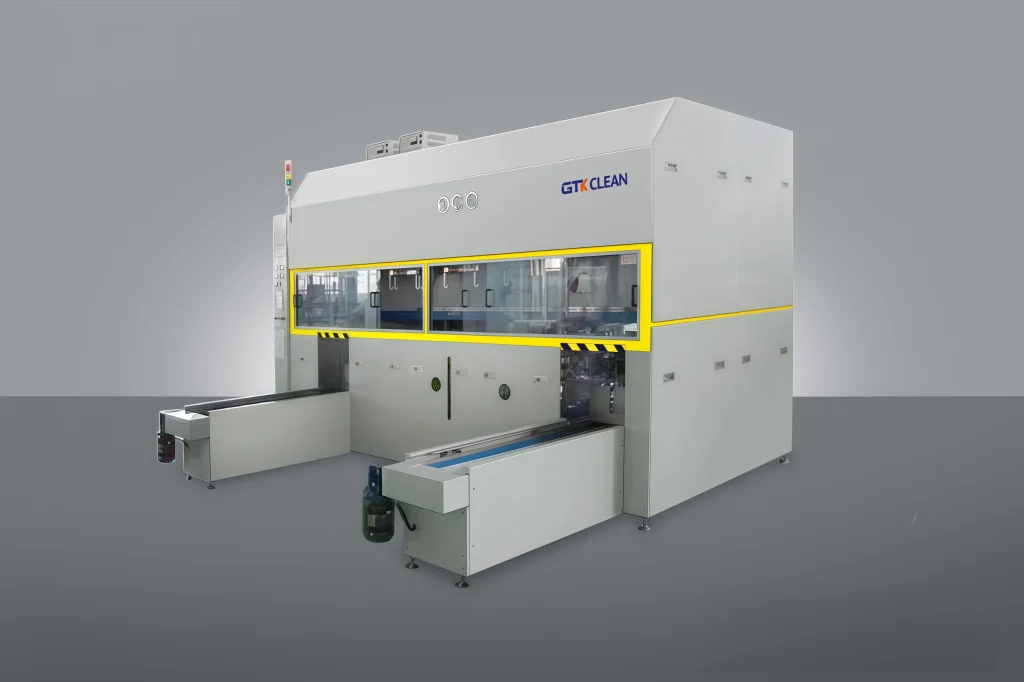
GTKCLEAN's ultrasonic and solvent cleaning systems address several of these failure points through design choices rather than aftermarket fixes. The CNC Machined Parts Ultrasonic Cleaners, for example, operate with fully automatic cycles and stable cleaning quality, reducing the variability that comes from manual intervention.
| Failure Mode | Common Symptoms | Potential Root Causes |
|---|---|---|
| Mechanical Wear | Excessive noise, vibration, reduced performance, leaks | Bearing failure, pump degradation, seal wear, nozzle clogging |
| Electrical Faults | System shutdowns, erratic behavior, sensor alarms | Loose connections, power fluctuations, component short circuits |
| Control System | Incorrect cycles, unresponsive controls, error messages | Software bugs, PLC programming issues, communication errors |
| Fluid Contamination | Poor cleaning results, foaming, filter blockages | Inadequate filtration, chemical incompatibility, excessive debris |
| Operator Error | Improper loading, incorrect settings, skipped steps | Insufficient training, unclear procedures, fatigue |
Why Reactive Maintenance Keeps Failing
Shifting from reactive repairs to a scheduled preventative maintenance strategy changes the economics of downtime. Regular maintenance ensures that components are inspected, cleaned, and replaced before they fail, maintaining machine reliability across production cycles. The approach involves routine checks, lubrication, and calibration, all performed according to a predefined schedule that accounts for actual operating conditions rather than generic manufacturer intervals.
I worked with a client operating a large-scale automated cleaning line for electronic components who faced persistent issues with unexpected shutdowns. Their weekly production was down roughly 10% from these interruptions. When we audited their maintenance records, the pattern was clear: they were fixing problems after they occurred, not preventing them. We recommended a structured preventative maintenance program that prioritized critical wear components and fluid management. Within three months, their unplanned downtime decreased by 25%, and the lifespan of their cleaning fluids extended by 15%.
GTKCLEAN's industrial cleaning equipment is engineered for easy maintenance access, with component layouts that allow technicians to complete inspections without disassembling adjacent systems. The Multi-Tank Hydrocarbon Ultrasonic Cleaners include circulation filtration and solvent recycling systems that simplify fluid management and extend operational intervals between required interventions.
How Predictive Technology Changes the Maintenance Equation
Advanced diagnostics, automation software, and integrated systems provide real-time insights that enable faster problem resolution and predictive intervention. Predictive maintenance uses data analytics to forecast equipment failures before they occur, allowing maintenance teams to schedule work precisely when needed rather than on arbitrary calendar intervals.
Automation software monitors process parameters continuously, identifying anomalies and often self-correcting minor deviations before they escalate. Integrated sensor systems track variables such as temperature, pressure, fluid levels, and cleaning performance, feeding critical data into system diagnostics that can distinguish between normal variation and developing problems.
The intelligent control systems in GTKCLEAN's Pre PVD (Coating) Parts Ultrasonic Cleaners feature Siemens or Mitsubishi PLCs with color touchscreen HMIs, automatic alarms, and fault diagnostics. These interfaces provide real-time operational transparency that supports both immediate troubleshooting and longer-term trend analysis.
| Feature | Traditional Maintenance | Smart Maintenance Technologies |
|---|---|---|
| Approach | Reactive, time-based | Predictive, condition-based |
| Data Source | Manual inspections, logs | Sensors, IoT, historical data |
| Problem Detection | After failure, scheduled checks | Real-time monitoring, anomaly detection |
| Maintenance Scheduling | Fixed intervals | Dynamic, based on equipment condition |
| Downtime Impact | Unplanned, potentially long | Minimized, scheduled |
| Cost Efficiency | Higher repair costs, production loss | Optimized resource use, extended asset life |
Where Operator Training Pays Off
Well-trained personnel and standardized operating procedures are critical for minimizing human error and ensuring consistent operation of automated cleaning lines. Even the most advanced equipment can suffer from improper handling or a lack of understanding of its capabilities and limitations. Comprehensive operator training covers not only basic functions but also troubleshooting common issues and adhering to safety protocols.
Standardized operating procedures provide clear, step-by-step instructions for every task, from daily startups to chemical replenishment and routine cleaning. This reduces variability and ensures that all operators perform tasks consistently, which matters more than most facilities acknowledge. Proper chemical compatibility and fluid management are particularly important because using incorrect cleaning agents at wrong concentrations or allowing fluid quality to degrade causes nozzle clogging that can halt a line within hours.
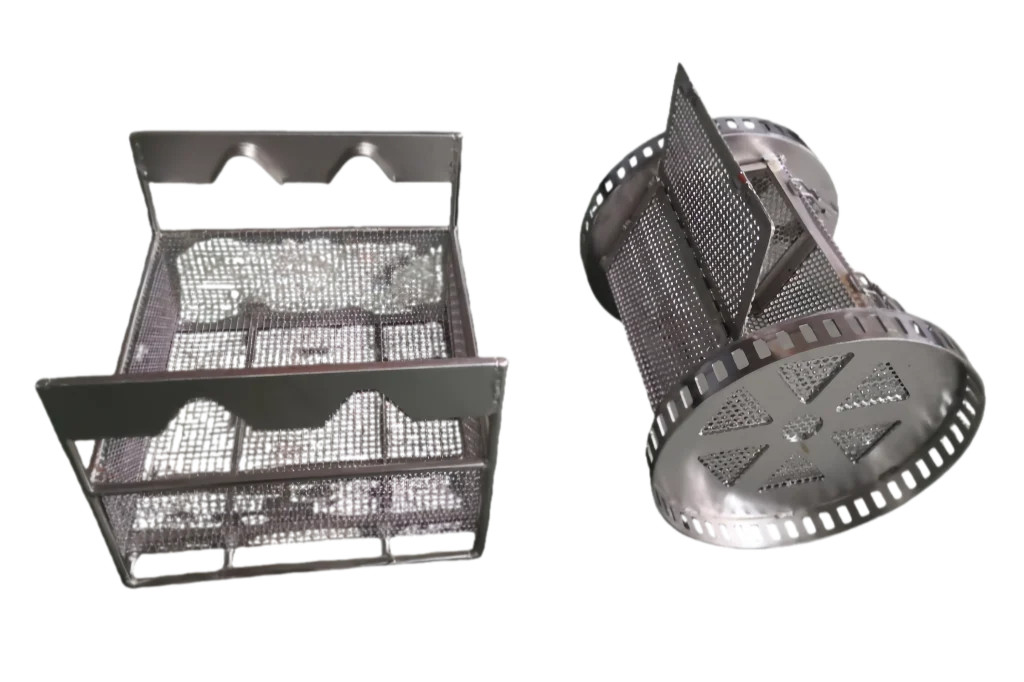
The Rotary Basket Ultrasonic Cleaners are designed for fully automatic operation, reducing manual intervention points and improving consistency across shifts. When operators do interact with the system, the interface guides them through required steps rather than relying on memory or informal training.
Which Metrics Actually Predict Cleaning Line Reliability
Establishing key performance indicators for uptime and conducting regular performance reviews are essential for identifying bottlenecks and driving continuous improvement. Three metrics provide the clearest picture of cleaning line reliability: Overall Equipment Effectiveness (OEE), Mean Time Between Failures (MTBF), and Mean Time To Repair (MTTR).
OEE measures the percentage of manufacturing time that is truly productive, combining availability, performance rate, and quality output into a single figure. MTBF indicates how long a system operates before failing, revealing whether maintenance interventions are actually extending equipment life. MTTR quantifies the average time required to restore operation after a failure, which reflects both the accessibility of components and the preparedness of maintenance staff.
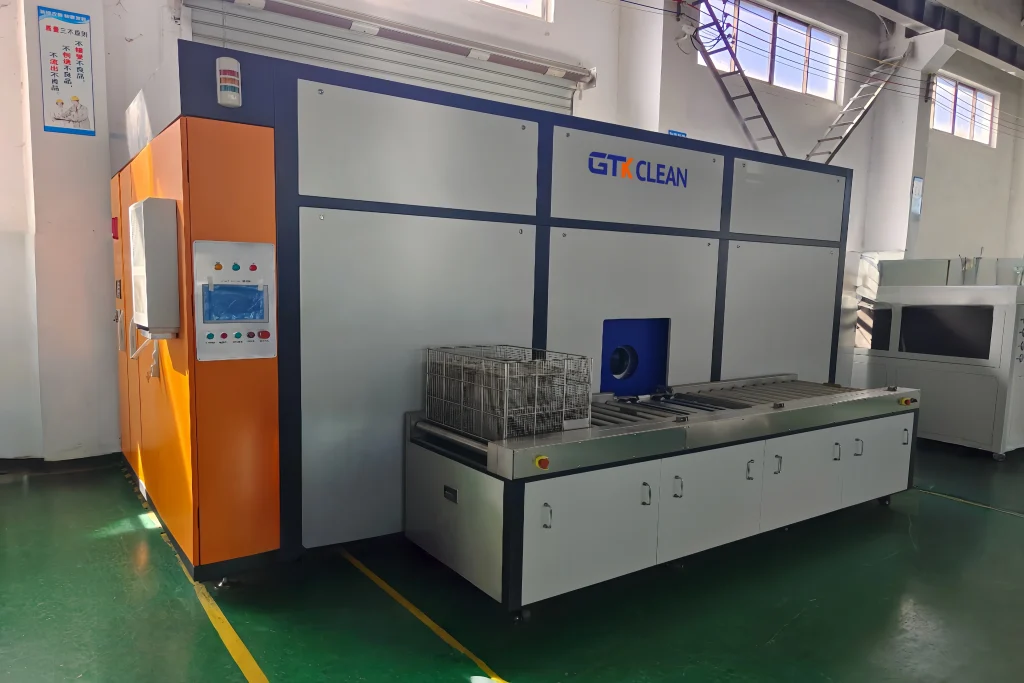
Regular data analysis helps identify recurring issues, assess the effectiveness of maintenance strategies, and pinpoint areas for process optimization. This data-driven approach allows manufacturers to make informed decisions about equipment upgrades, training needs, and operational adjustments. The Hydrocarbon Solvent Ultrasonic Vacuum Cleaners offer HMI interfaces with remote monitoring capabilities, providing the data infrastructure needed for this kind of analysis.
| Metric | Calculation | Significance |
|---|---|---|
| OEE | Availability × Performance × Quality | Overall efficiency of the cleaning line |
| MTBF | Total Uptime / Number of Failures | Average time between system failures |
| MTTR | Total Downtime / Number of Failures | Average time to restore operation after failure |
| Availability | Uptime / (Uptime + Downtime) | Proportion of time the line is available to run |
| Throughput | Units Cleaned / Time | Production rate of the cleaning process |
If your current cleaning line data shows MTBF declining or MTTR increasing, those trends warrant a closer look at both equipment condition and maintenance protocols before the numbers translate into production losses.
How GTKCLEAN Supports Continuous Operation
Unexpected downtime and inconsistent cleaning performance do not have to define your production reality. GTKCLEAN draws on 20+ years of R&D and 28 technical patents to deliver automated cleaning solutions engineered for continuous operation. To discuss your specific cleaning line requirements and identify where reliability improvements are possible, contact our technical team.
Frequently Asked Questions
Is new automated cleaning equipment always the right response to frequent stoppages?
Not necessarily. While new equipment can offer advanced reliability features, a thorough root cause analysis of existing systems often reveals that optimized maintenance schedules, targeted operator training, or component upgrades can significantly reduce downtime at lower cost. Start with system diagnostics to understand what is actually failing and why before committing to capital equipment replacement.
How quickly can an automated cleaning line recover from an unexpected shutdown?
Recovery time depends heavily on the issue's complexity and the facility's maintenance infrastructure. Lines equipped with advanced diagnostic tools and staffed by well-trained technicians can often identify and resolve minor issues within minutes to a few hours. Major mechanical failures involving custom components or specialized repairs may require longer downtime, which is why predictive maintenance aims to catch these problems before they cause shutdowns.
Can small operational changes genuinely improve cleaning line reliability?
They can, and the cumulative effect is often larger than expected. Improved material handling reduces mechanical stress on loading systems. Consistent chemical compatibility checks prevent fluid degradation that leads to nozzle clogging. Adherence to fluid management protocols extends the intervals between required maintenance. None of these changes is dramatic on its own, but together they reduce the frequency of conditions that lead to unplanned stoppages. To explore which operational adjustments would have the most impact on your specific cleaning line configuration, reach out to discuss your current setup.
If you're interested, check out these related articles:
Industrial Ultrasonic Cleaning Systems: The Complete Guide
Automated Cleaning Equipment: A Beginner’s Industrial Guide
Why Coating Manufacturers Choose GTKCLEAN Pre-Coating Cleaning Equipment
Ultrasonic Transducer Technology: An Expert’s Guide to Industrial Cleaning
Solvent Cleaning System Maintenance: A Complete Guide
 English
  German
  Spanish
  French
  Russian
  Portuguese