
Maintaining industrial conveyor systems demands consistent attention, particularly concerning effective conveyor cleaning. Neglecting this vital aspect can lead to a cascade of operational issues, from reduced efficiency and increased maintenance costs to significant safety hazards. Addressing common cleaning problems proactively ensures the longevity of equipment and maintains optimal production flow. This article explores the root causes of these challenges and outlines practical solutions to keep your conveyor systems running smoothly.
What Actually Causes Conveyor Cleaning Problems in the First Place
Identifying the fundamental issues behind conveyor system inefficiencies is crucial for developing sustainable and effective cleaning solutions that prevent recurring problems and operational disruptions. Material carryback, dust accumulation, and product contamination are frequent culprits. These issues degrade product quality and accelerate wear and tear on conveyor components, leading to unplanned downtime. Understanding the specific nature of these problems allows for targeted interventions and improved belt damage prevention.
Material often sticks to conveyor belts due to several factors: the material's moisture content, its adhesive properties, and the belt's surface condition. Fine, damp materials are particularly prone to adhesion. Worn or damaged belts create uneven surfaces where material can cling. Incorrect belt tension or speed exacerbates this problem, preventing effective discharge and leading to carryback. I have seen operations lose hours of production time each week simply because nobody identified that their belt tension had drifted out of specification over several months.
How to Manage Material Carryback Before It Becomes Expensive
Proactive management of material carryback and spillage directly translates to reduced waste, lower cleanup costs, and improved workplace safety. Implementing appropriate conveyor belt cleaning solutions is paramount. These solutions range from simple mechanical scrapers to advanced automated cleaning systems. The choice of belt cleaner types depends heavily on the material being conveyed, belt speed, and environmental conditions.
GTKCLEAN's conveyor belt cleaning systems are engineered to remove material carryback effectively, preventing spillage and reducing waste. Our designs incorporate scraper blades and multi-stage cleaning approaches to ensure maximum material removal. A primary scraper removes the bulk of the material, followed by a secondary scraper for finer particles, and potentially a brush cleaner for textured belts. This systematic approach minimizes residual material, which is critical for maintaining a clean operational environment.
What Determines How Long Your Belt Cleaners Actually Last
Implementing best practices for belt cleaning enhances immediate operational performance and significantly extends the service life of conveyor components, reducing capital expenditure and maintenance frequency. Regular inspection and proper adjustment of scraper blades are fundamental maintenance best practices. Over-tensioned blades cause premature belt wear, while under-tensioned blades will not clean effectively. Belt tracking issues also impact cleaning performance, as misaligned belts can bypass cleaners or cause uneven wear.
Consistent monitoring of belt cleaner contact pressure, coupled with scheduled blade replacements, can extend the lifespan of conveyor belts by up to 25%. This investment in cleaning frequency and component care yields substantial savings in replacement parts and labor over time. Automated cleaning solutions minimize manual labor and cut down maintenance-related downtime, ensuring consistent performance optimization.
The frequency of industrial conveyor belt cleaning depends on the material conveyed, production volume, and required hygiene standards. For dry, non-adhesive materials, daily or weekly cleaning might suffice. For wet, sticky, or food-grade materials, continuous or shift-based cleaning is often necessary to prevent buildup and contamination. Regular inspections help determine the optimal cleaning schedule for specific operational needs.
Why Cleaning Frequency Affects More Than Just Belt Condition
A clean conveyor system is fundamental to meeting stringent regulatory compliance, minimizing environmental impact, and ensuring a safe working environment. Accumulations of material create slip hazards, increase the risk of dust explosions, and contribute to poor air quality. Maintaining high hygiene standards is particularly critical in industries such as food processing or pharmaceuticals, where product contamination can have severe consequences. Proper waste management of removed materials is also a key consideration, preventing environmental impact and ensuring compliance with local regulations.
Failing to clean conveyor systems regularly poses several risks. Material carryback increases product loss and cleanup costs. Accumulations create safety hazards like slip-and-fall incidents and fire risks from combustible dust. Uncleaned belts cause premature wear on rollers and idlers, leading to costly repairs and system downtime. Product contamination becomes a significant concern in sensitive industries.
Where Automated Conveyor Cleaning Makes the Biggest Difference
Modern automated cleaning technologies offer a strategic advantage by improving cleaning effectiveness, reducing labor costs, and boosting overall system uptime. These technologies move beyond traditional scrapers, incorporating methods like water jet cleaning or specialized dry cleaning methods. Automated cleaning systems can be integrated with sensor-based cleaning mechanisms that detect material buildup and activate cleaning cycles only when needed, conserving resources. Modular cleaning systems allow for flexible configurations, adapting to various conveyor designs and material types.
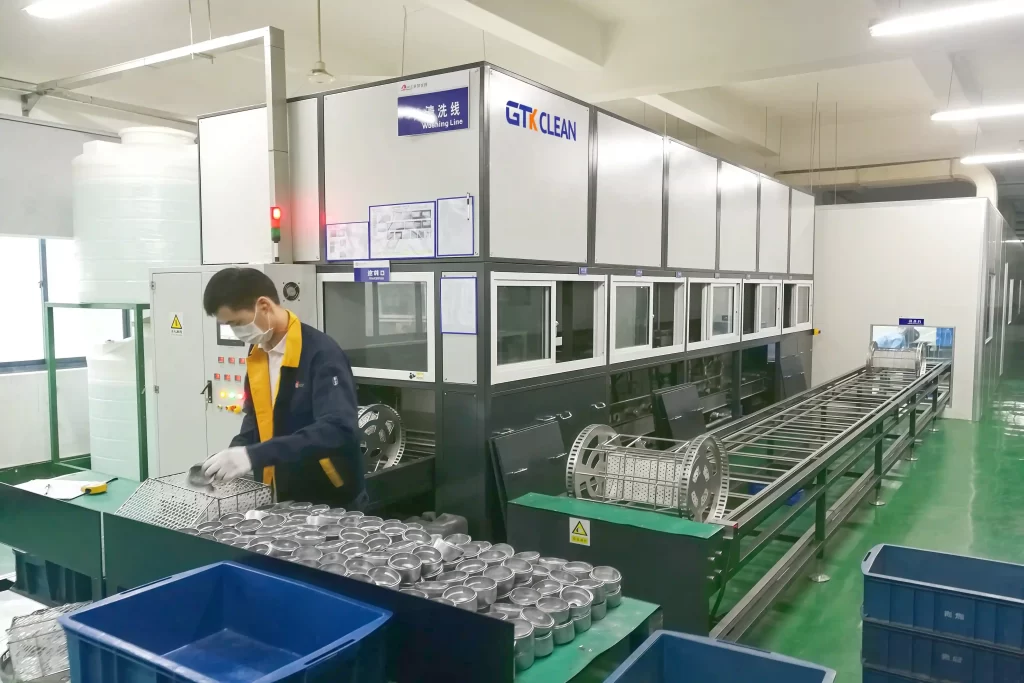
GTKCLEAN's patented systems help maintain hygiene standards and mitigate safety hazards while boosting productivity. Our CNC Aluminum Shell Inline Cleaners employ multi-directional spray nozzles to achieve no-dead-angle cleaning, effectively removing release agents, cutting oils, and chips from complex-shaped aluminum parts. This level of precision and automation ensures a higher standard of cleanliness and operational efficiency compared to manual methods.
| Cleaning Method | Primary Application | Key Benefit | Limitations |
|---|---|---|---|
| Mechanical Scrapers | Bulk material removal | Cost-effective, simple | Less effective for fine/sticky material |
| Brush Cleaners | Fine particle removal, textured belts | Gentle on belt, good for textured surfaces | Can wear quickly, less aggressive |
| Water Jet Cleaning | Sticky, stubborn materials | High cleaning power, reduces adhesion | Requires water management, potential for corrosion |
| Automated Systems | High-volume, diverse materials | Consistent, reduced labor, optimized | Higher initial investment, complex integration |
If your operation handles materials with variable moisture content or adhesive properties, it is worth discussing blade material selection and contact pressure settings before committing to a system configuration.
Discuss Your Conveyor Cleaning Requirements
Persistent conveyor cleaning problems do not have to hinder your industrial productivity. GTKCLEAN helps operations managers achieve superior cleaning performance and maximize uptime through our patented, independently designed conveyor belt cleaning systems. To discuss requirements for your specific operational challenges, contact GTKCLEAN at [email protected] or +86 17768507147.
Frequently Asked Questions
What are the primary benefits of automating conveyor cleaning?
Automating conveyor cleaning significantly reduces manual labor, minimizes system downtime, and ensures consistent cleaning quality. This leads to improved operational efficiency and extends the lifespan of conveyor belt cleaning solutions. Automated systems can also be programmed for optimal resource use, reducing water and energy consumption during cleaning cycles.
How do different types of conveyor belt cleaners compare in effectiveness?
Belt cleaner types vary widely, from mechanical scrapers to water jet systems. Mechanical cleaners work well for bulk material removal, while water jets excel at fine particle adhesion. The optimal choice depends on material characteristics and desired hygiene standards, often requiring a combination of technologies for comprehensive cleaning.
Can conveyor cleaning systems be integrated into existing production lines?
Yes, many modern automated cleaning systems are designed for integration into existing conveyor setups. Modular designs and customizable configurations allow for minimal disruption during installation, ensuring operational continuity. If you are evaluating integration options for your current setup, our engineers can assess your layout and recommend a suitable strategy.
If you're interested, check out these related articles:
Solvent Cleaning System Maintenance: A Complete Guide
Manual Ultrasonic Cleaning Machines: When to Use Them
What Is The Piezoelectric Effect?
 English
  German
  Spanish
  French
  Russian
  Portuguese