
Achieving compliance when you clean medical instruments to FDA standards requires a detailed understanding of regulatory requirements and advanced cleaning methodologies. We provide automated cleaning equipment solutions that ensure medical devices meet stringent cleanliness criteria, reducing bioburden and preventing infection. Our expertise in industrial cleaning systems helps manufacturers navigate the complexities of medical device reprocessing.
Understanding FDA Regulations for Medical Instrument Cleaning
Medical device reprocessing involves strict adherence to numerous FDA regulations and guidance documents. These regulations ensure patient safety and device efficacy. Key regulatory frameworks include 21 CFR Part 820, the Quality System Regulation (QSR), which mandates current Good Manufacturing Practices (cGMP) for medical devices. ISO 13485 compliance, an international standard for quality management systems in medical devices, further supports regulatory requirements. Manufacturers must establish and maintain a quality system that governs the design, manufacture, packaging, labeling, storage, installation, and servicing of medical devices. This includes comprehensive controls over cleaning processes to prevent contamination and ensure devices are fit for their intended use. Regulatory compliance medical devices are subject to rigorous scrutiny, demanding robust and validated cleaning protocols.
| Regulation/Guidance Document | Primary Focus | Relevance to Cleaning
Table: Key FDA Regulations & Guidance Documents
| Document | Description
**
What are the specific FDA guidelines for cleaning reusable medical devices?
The FDA categorizes reusable medical devices into critical, semi-critical, and non-critical, each with distinct reprocessing requirements. Critical devices, which penetrate sterile tissue or the bloodstream, demand sterilization. Semi-critical devices, contacting mucous membranes or non-intact skin, require high-level disinfection. Non-critical devices, contacting intact skin, need low-level disinfection. For all categories, FDA guidelines emphasize thorough pre-cleaning to remove gross soil, followed by validated cleaning, disinfection, and sterilization processes. These steps are crucial for effective bioburden reduction and infection prevention, aligning with regulatory expectations for medical device reprocessing.
Essential Steps in Medical Instrument Cleaning Protocols
Implementing a robust medical instrument cleaning protocol is paramount for patient safety and regulatory compliance. The process begins immediately after use to prevent the drying of blood and other organic matter, which can make subsequent cleaning more difficult. This initial step, known as point-of-use care, involves wiping down instruments and, if possible, immersing them in an enzymatic solution. Following this, the instruments undergo decontamination procedures.
The next stage involves thorough cleaning to remove all visible and microscopic debris. This can be achieved through manual cleaning medical devices or automated cleaning systems. Manual cleaning requires trained personnel to scrub instruments using brushes and detergents, paying close attention to lumens, crevices, and hinges. Automated methods, such as ultrasonic cleaning and washer-disinfectors, offer standardized and repeatable cleaning cycles, which are often preferred for their efficiency and consistency.
After cleaning, instruments are rinsed with purified water to remove any residual detergents or chemicals. This is a critical step, as residues can interfere with subsequent disinfection or sterilization processes. Following rinsing, instruments are inspected for cleanliness. Magnification tools can assist in identifying any remaining debris. If an instrument is not visibly clean, the entire cleaning process must be repeated.
The final steps involve disinfection or sterilization, depending on the device's classification. Disinfection reduces the number of pathogenic microorganisms, while sterilization eliminates all forms of microbial life. Proper handling and storage of reprocessed instruments are also vital to maintain their sterile or disinfected state until use. Adhering to these medical instrument cleaning steps ensures effective infection prevention and bioburden reduction, meeting the stringent requirements for medical device reprocessing.
Advanced Cleaning Technologies for FDA Compliance
Achieving superior cleaning performance for medical instruments often necessitates advanced industrial cleaning equipment. Ultrasonic and solvent cleaning systems are two primary technologies we offer that provide the precision required for FDA compliance. These automated cleaning systems are designed to address the complex geometries and microscopic contaminants often found on medical devices.
Ultrasonic cleaning medical devices utilizes high-frequency sound waves to create cavitation bubbles in a liquid bath. These bubbles collapse, generating microscopic jets that dislodge contaminants from instrument surfaces, including blind holes, crevices, and internal lumens. This method is highly effective for precision cleaning medical devices, ensuring thorough removal of bioburden and residues. Our Pre PVD (Coating) Parts Ultrasonic Cleaners, for example, feature multi-stage cleaning processes including hydrojet spray, ultrasonic cleaning, and multi-stage ultrapure water rinsing, ensuring conductivity ≤ 0.06 μS/cm to prevent secondary contamination. Such systems are ideal for metals, molds, electronic, and optical components, including parts with deep or complex internal features.
Solvent cleaning medical devices, particularly hydrocarbon solvent ultrasonic vacuum cleaners, are another advanced solution. These systems use high-purity hydrocarbon solvents to dissolve organic contaminants like oils, greases, and waxes. The vacuum environment enhances the cleaning process by removing air from the solvent, allowing deeper penetration into intricate parts. Our Hydrocarbon Solvent Ultrasonic Vacuum Cleaners integrate ultrasonic cleaning, vacuum vapor cleaning, and drying in a single station. They are compatible with hydrocarbon or modified alcohol, offering flexibility in cleaning media. This technology ensures high cleanliness standards for precision hardware, CNC machined parts, and stamped components, especially those with blind holes or complex geometries.
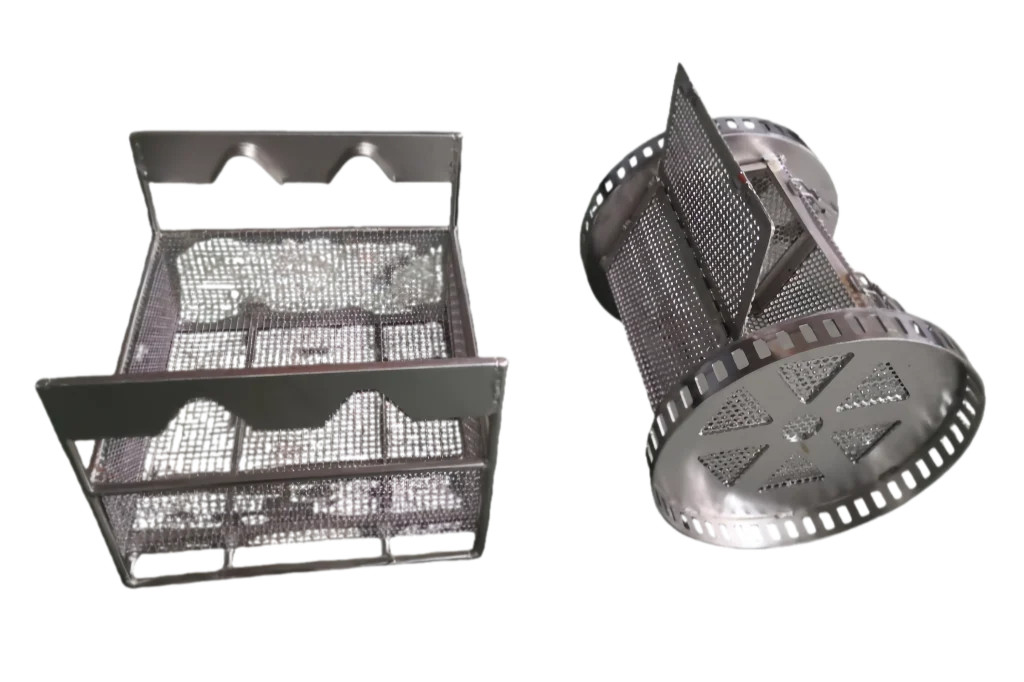
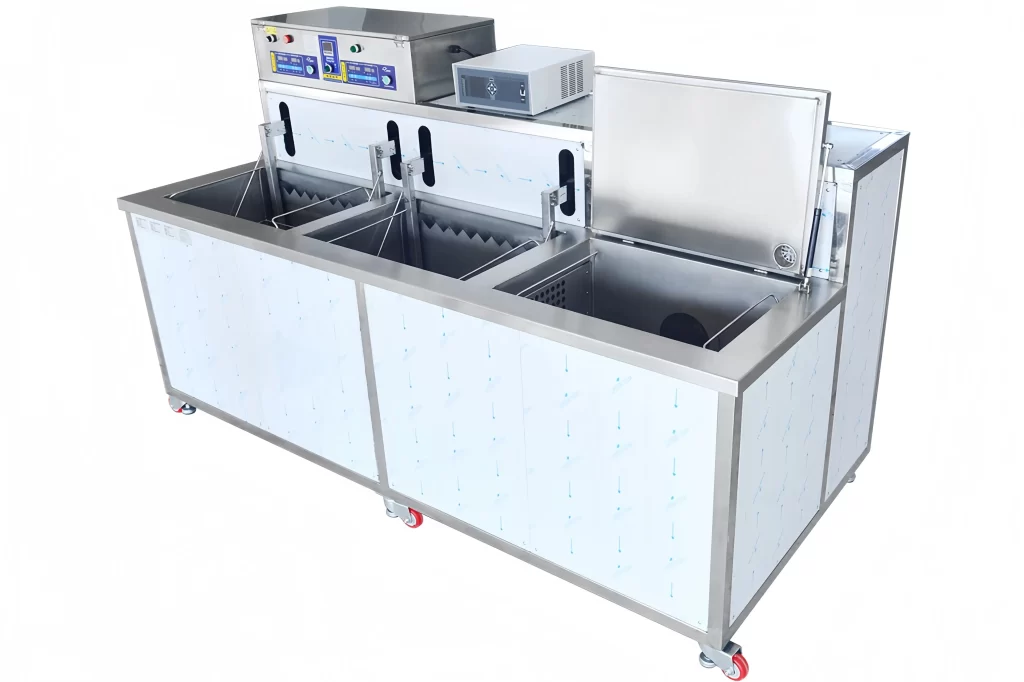
Automated cleaning equipment, such as our Multi-Tank Ultrasonic Cleaners, provides consistent and repeatable results, which is crucial for cleaning validation. These systems reduce manual labor and human error, contributing to a more reliable and compliant reprocessing workflow. For surgical instrument cleaning and endoscope cleaning systems, the ability to customize cleaning cycles, temperatures, and solutions ensures optimal performance tailored to specific device requirements.
How does ultrasonic cleaning contribute to FDA compliance for medical instruments?
Ultrasonic cleaning significantly contributes to FDA compliance by providing a highly effective method for removing microscopic contaminants from medical instruments. The process of cavitation cleaning generates millions of tiny bubbles that implode, creating powerful micro-jets. These jets reach into intricate geometries, blind holes, and small crevices, dislodging organic and inorganic residues that traditional cleaning methods might miss. This thorough mechanical action ensures medical device cleaning efficacy, reducing bioburden to levels required for subsequent disinfection or sterilization. Ultrasonic cleaning benefits medical device reprocessing by offering a validated, repeatable process, which is a key requirement for FDA approved cleaning methods. We design our ultrasonic cleaning systems with features like multi-stage ultrapure water rinsing to further enhance compliance.
Cleaning Validation and Documentation for Audit Readiness
Cleaning validation is a critical process for medical device manufacturers to demonstrate that their cleaning protocols consistently achieve predetermined cleanliness levels. This involves establishing documented evidence that a process will consistently produce a product meeting its predetermined specifications and quality attributes. For medical device cleaning validation, this means proving that instruments are free from residues that could compromise patient safety or device function.
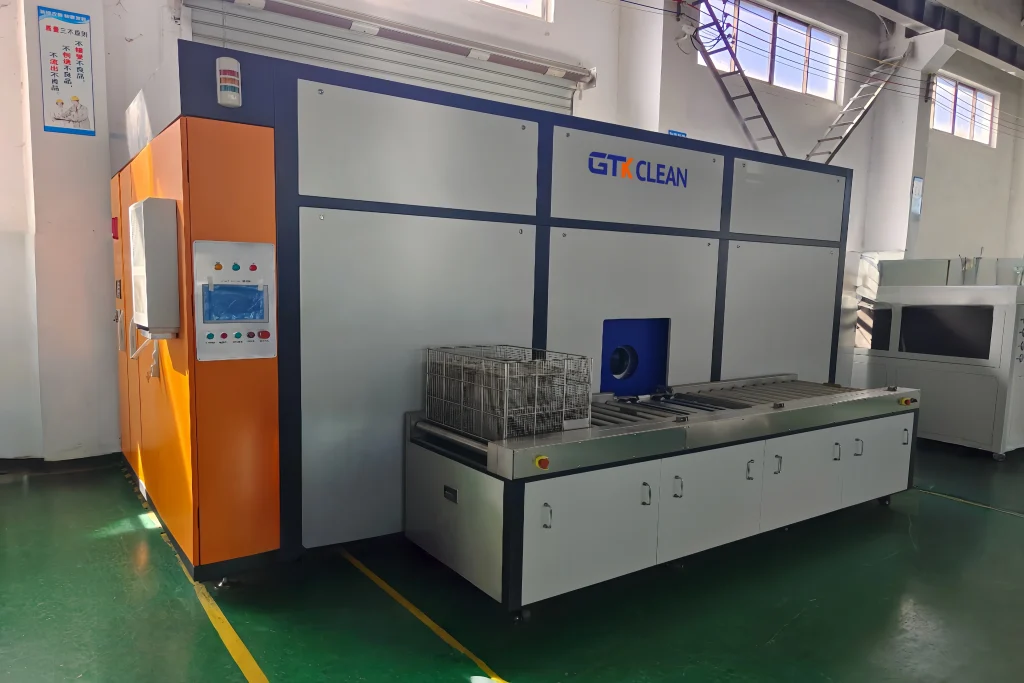
Methodologies for validation include direct product testing, rinse water analysis, and swab testing to detect residual proteins, carbohydrates, and detergents. These tests verify the effectiveness of the cleaning process in removing contaminants. The validation master plan outlines the overall strategy, while Installation Qualification (IQ), Operational Qualification (OQ), and Performance Qualification (PQ) confirm that the equipment is correctly installed, operates as intended, and consistently performs to specifications. For instance, our automated cleaning systems are designed with intelligent control systems, such as Siemens or Mitsubishi PLCs, which facilitate data collection for IQ OQ PQ cleaning.
Documentation requirements medical device cleaning are extensive and must be meticulously maintained for FDA audit readiness. This includes cleaning protocols, validation reports, standard operating procedures (SOPs), maintenance logs, and change control records. Traceability medical devices requires that each instrument's cleaning history be recorded, linking it to specific cleaning cycles and validation data. Quality control medical devices relies on this comprehensive documentation to ensure ongoing compliance and to identify any deviations from established parameters. We emphasize the importance of robust documentation to support process validation medical devices, ensuring that our clients are well-prepared for regulatory inspections.
What documentation is required for medical instrument cleaning validation?
Medical instrument cleaning validation requires comprehensive documentation to demonstrate compliance and ensure audit readiness. This includes a Validation Master Plan, which outlines the overall validation strategy. Detailed cleaning protocols are necessary, specifying procedures, cleaning agents, equipment, and parameters. Installation Qualification (IQ) documents verify correct equipment installation, while Operational Qualification (OQ) confirms the equipment operates within specified limits. Performance Qualification (PQ) reports provide evidence that the cleaning process consistently produces acceptable results. Additionally, change control records, maintenance logs, and training records for personnel involved in the cleaning process are essential. These documents collectively support the process validation medical devices and traceability medical devices.
Partner with Us for Compliant Cleaning Solutions
Ensuring your medical instruments meet FDA standards requires reliable, validated cleaning equipment and processes. We offer a comprehensive range of automated cleaning equipment, including ultrasonic and solvent cleaning systems, designed for precision and compliance. Our 20+ years of R&D experience and 28 technical patents enable us to provide superior cleaning performance tailored to your specific needs. To discuss specific requirements, contact us at [email protected] or +86 17768507147.
Optimize Ultrasonic Frequency for Diverse Materials
Choosing the Right Ultrasonic Cleaning System for Your Factory
The Engineer’s Guide to Pre-Coating Surface Preparation
Multi-Tank Ultrasonic Cleaning: A Deep Dive into Industrial Configurations
 English
  German
  Spanish
  French
  Russian
  Portuguese