Solvent ultrasonic vacuum cleaning systems remove contamination that standard aqueous or solvent tanks leave behind in blind holes, deep recesses, and closely stacked parts. After twenty years of designing automated cleaning lines, I treat vacuum not as an optional drying step but as the condition that determines whether a precision part passes final inspection. This article explains the working sequence, why solvent recovery matters more than most buyers expect, and the specifications you should confirm before a supplier finalizes the layout. If you are specifying a line for strict cleanliness production, the details in the vacuum and drying stages will decide your yield.
Where Solvent Ultrasonic Vacuum Cleaning Fits
A solvent ultrasonic vacuum system makes sense when the cleanliness requirement cannot accept water marks, when parts have closed cavities, or when residual oil must be removed before coating or assembly. Standard ultrasonic cleaning creates cavitation, but dissolved gas and trapped air can prevent solvent from reaching the bottom of a blind hole. By evacuating the chamber before cleaning, the system removes that gas and lets solvent penetrate the feature. Vacuum also lowers the boiling point of the solvent, so drying can happen at a temperature low enough to avoid thermal damage to sensitive parts. We specify this configuration most often for precision hardware, CNC machined parts, stamped components, and die-cast parts headed to PVD coating, plating, or high-pressure sealing.
Solvent-based cleaning demands tight vapor control to keep operating costs predictable. <What Is The Technical Principle Of Hydrocarbon(Solvent) Cleaning Machines?> covers how closed-loop vapor recovery and condensation separate hydrocarbon cleaning from open aqueous systems, and why that changes the payback calculation for precision lines.
How the Vacuum Cleaning and Drying Sequence Works
Loading and evacuation. The basket is sealed in the chamber and the vacuum pump lowers pressure before cleaning begins.
Ultrasonic cleaning under solvent. Cavitation removes oils, fine chips, and particles from surfaces and recesses; rotary basket movement can help drain blind holes.
Vapor rinsing. Solvent vapor condenses on the parts, dislodging dissolved residues and leaving a cleaner surface.
Vacuum drying. The chamber is evacuated again; residual solvent boils off and is condensed for reuse. The part exits dry, with no water spot risk.
In our installations, the third step is where poorly designed lines fail. If vapor rinsing is too short or the solvent mixture has picked up moisture, parts inside thin threads can dry with a faint residue pattern that only appears under a microscope. The fix is usually not more ultrasonic power but longer degassing time and better vacuum pump sizing.
Why Solvent Recovery Determines Operating Cost
Operating cost in a solvent vacuum line is driven by solvent loss through exhaust, drag-out, and decomposition. A system with a built-in distillation loop returns clean solvent to the process and leaves only a small purge stream for disposal. For a single-station hydrocarbon machine with an initial fill of up to 1,800 liters, a well-sealed recovery loop can hold solvent consumption below 200 liters per month in stable production. If you ignore recovery, the same system can become expensive within a year because of rising purchase and waste costs.
Factor
Hydrocarbon solvent
Modified alcohol
Degreasing strength
High for stamping and cutting oils
Moderate, better for polar soils
Flash point
Generally higher
Lower
Drying
Vacuum required
Vacuum recommended
Common use
Precision metal parts
Optical, electronic, coated substrates
Recovery
Vacuum distillation
Vacuum distillation
GTK's hydrocarbon ultrasonic vacuum machines include an indirect steam heating loop and a vacuum distillation recovery circuit, so the solvent is cleaned continuously while the chamber runs. For new energy vehicle battery housings and stamped components with deep recesses, we often specify a multi-tank hydrocarbon vacuum cleaner with a rotary basket to reach blind areas without extra manual work. A separate solvent recovery system can also be retrofitted when an existing line is losing solvent through evaporation or carry-out.
If you are still deciding between solvent and water-based routes, the answer depends on drying energy, part material, and the oils you need to remove. <Water Based Versus Solvent Based Ultrasonic Cleaning Systems> compares residue behavior, drying time, and waste handling for industrial processes.
If your process involves hot stamping oils or low surface tension lubricants, it is worth confirming the solvent type and recovery loop before finalizing the BOM, reach out at [email protected].
What to Check Before You Specify a System
Before you compare quotes, pin down these parameters: maximum load, basket dimensions, cycle time, and vacuum level. They control everything else. If a supplier cannot state them clearly, your throughput and cleanliness calculation will not be stable.
Parameter
Typical value
Maximum load
≤200 kg per batch
Basket size
670 × 480 × 400 mm
Cycle time
8 to 15 minutes depending on stage
Initial solvent fill
≤1,800 L
Solvent consumption
≤200 L/month
Confirm Vacuum Level and Drying Time
Ask for the ultimate vacuum pressure and the pump-down time to reach it. For complex parts, the drying phase may need to hold low pressure long enough for residual solvent in blind holes to boil off. A machine that reaches deep vacuum slowly will extend cycle time and can still leave liquid in the smallest features.
Match Solvent to the Soil and Part Geometry
Hydrocarbon solvents work well on stamping and cutting oils; modified alcohol may be needed for polar contamination or electronic parts. The solvent also determines what basket material and sealing system are acceptable. For parts with deep holes, a rotary basket is more important than higher ultrasonic power because it changes how fluid drains during the vacuum steps.
Cleanliness failures often appear only after the next manufacturing step. <The Engineer’s Guide to Pre-Coating Surface Preparation> covers the surface checks that catch oil and particle residues before coating rejects the batch.
What to Send for a Cleanliness Check Before Buying
Solvent vacuum cleaning systems are not a one-parameter purchase. If your part drawing has blind holes below 3 mm, a customer-specific residue limit, or a production volume that changes the basket design, send the geometry, contamination type, and target cleanliness standard to [email protected] or call +86 17768507147. Tell us the existing solvent and wastewater constraints if you have them. We can then confirm whether a single-station machine, multi-tank line, or custom rotary basket fits the process before you issue a purchase order.
Common Questions About Solvent Ultrasonic Vacuum Systems
What is the difference between a standard ultrasonic cleaner and a solvent vacuum system?
The main difference is that a solvent vacuum system degasses the solvent before cavitation and dries the parts under vacuum after rinsing. A standard ultrasonic tank cleans by cavitation alone, so dissolved gas can cushion the collapse and leave residue in blind holes. Vacuum also lowers the boiling point of the solvent, which pulls residual liquid out of small features without high heat. That combination is what makes it suitable for precision parts with closed cavities, threads, or coating-level cleanliness requirements.
Can the same machine run hydrocarbon and modified alcohol?
It depends on the machine's sealing, heater, and control program. Some single-station systems are designed to switch between hydrocarbon solvent and modified alcohol, but the change must be handled carefully because the two solvents have different flash points, vapor pressures, and cleaning profiles. The safest approach is to confirm with the manufacturer whether the vacuum pump seals, heat exchangers, and HMI recipes can accept the second solvent. If the machine was only qualified for one solvent, switching without review can create a safety or compatibility risk.
Which parts justify a solvent ultrasonic vacuum system?
In our projects, the clearest justification is a part with blind holes or deep recesses that must be dry and residue-free before coating, plating, or final assembly. Examples include CNC machined valve bodies, stamped battery housing components, and precision hardware with threads below 2 mm. If the previous aqueous line leaves water marks or needs a long heated drying stage, a solvent vacuum approach can reduce that failure mode. The rotary basket option matters more than vacuum itself when the part traps liquid.
How much solvent does a vacuum system actually consume?
A common assumption is that solvent consumption is only about evaporation loss. In practice, drag-out and contaminated solvent purge are larger factors. A well-designed hydrocarbon vacuum machine with a working distillation loop can keep consumption below 200 liters per month at a 1,800-liter initial fill. That figure assumes the part basket drains correctly, the vapor recovery system is sealed, and operators do not leave the chamber open longer than necessary. Share your part geometry and monthly output at [email protected], and we can confirm the expected consumption and basket arrangement for your program. If you're interested, check out these related articles: Choosing the Right Ultrasonic Cleaning System for Industrial SuccessHow to Choose Cleaning Equipment for Medical Device Manufacturing


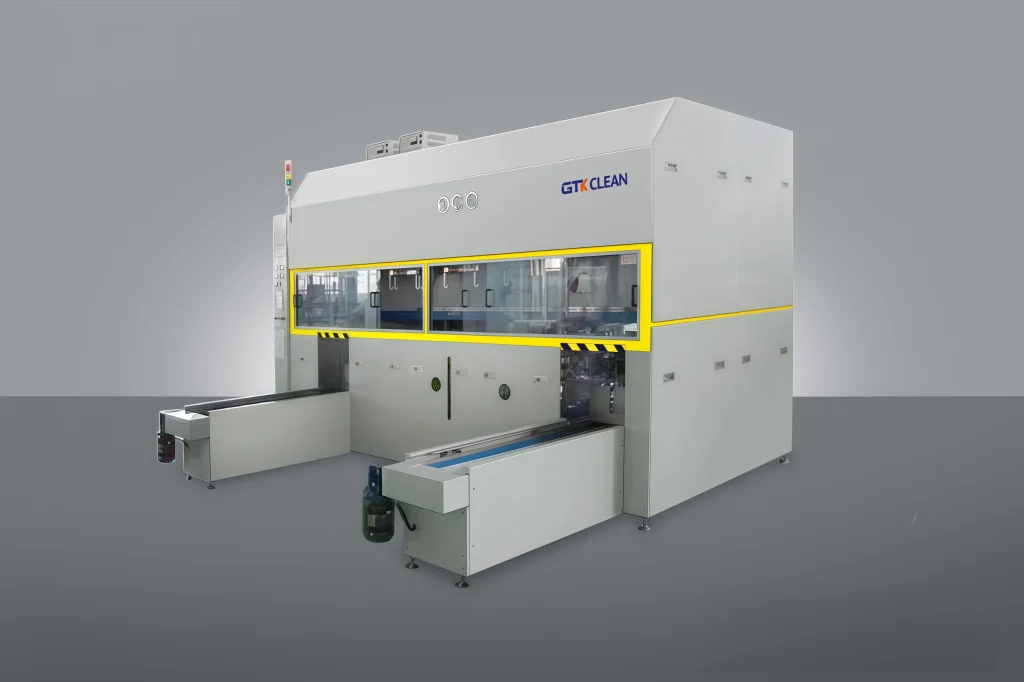
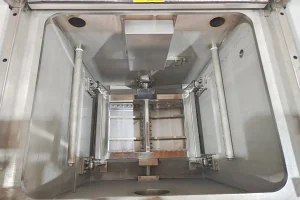 In our installations, the third step is where poorly designed lines fail. If vapor rinsing is too short or the solvent mixture has picked up moisture, parts inside thin threads can dry with a faint residue pattern that only appears under a microscope. The fix is usually not more ultrasonic power but longer degassing time and better vacuum pump sizing.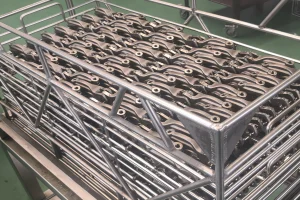
 English
  German
  Spanish
  French
  Russian
  Portuguese