Solvent recovery systems lower operating costs when they are treated as part of the cleaning process, not as a disposal accessory. The real savings come from returning clean distillate to the tank and cutting both virgin solvent purchases and waste disposal invoices. But a recovery unit that is undersized, overheated, or fed wet solvent burns energy without reducing consumption. In our design work, I see the same pattern: plants focus on the still while drag-out and water contamination keep pulling solvent out of the line. This article breaks down where the savings actually appear and the operating decisions that decide whether they hold.
The Real Sources of Solvent Loss
Solvent leaves a precision cleaning line through more than distillation bottoms. Drag-out from part geometry is often the largest hidden cost. Blind holes, threads, and stacked parts carry solvent into the rinse stage or onto the plant floor. Evaporation from open tanks and spray mist also adds up on continuous lines. Spent solvent disposal only becomes a problem after water, oil, or particulate loading has shortened the bath life.
Loss source
Where it goes
Recovery system effect
Drag-out from complex parts
Rinse tanks, floor drains
None; drainage time and part handling control this
Solvent Recovery Systems and the Direct Purchasing Savings
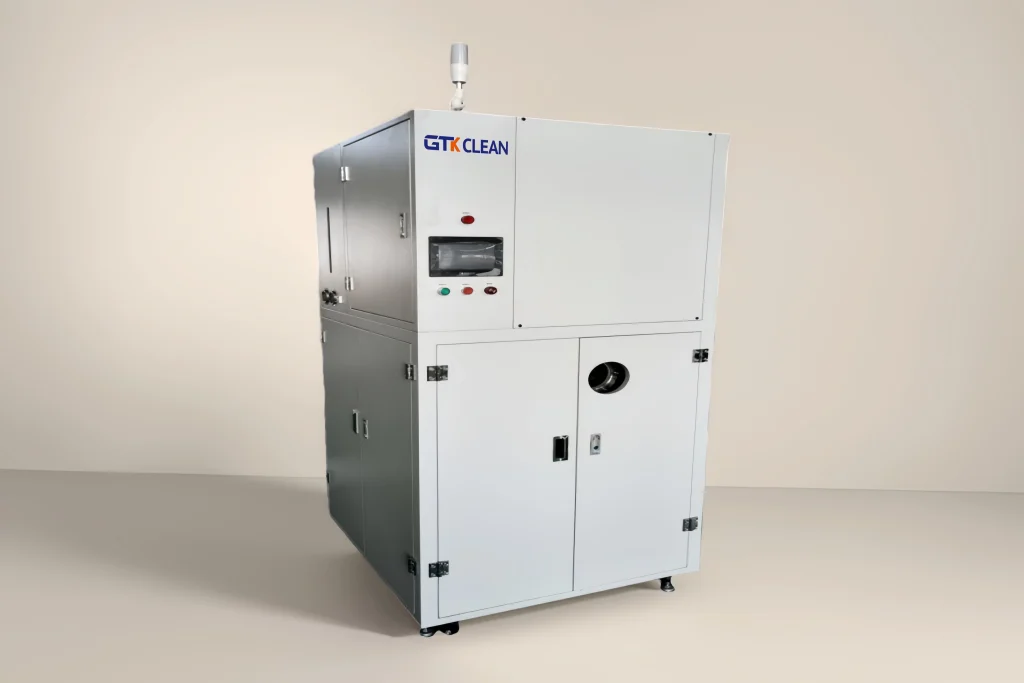
A solvent recovery system attacks two visible line items: the purchase order for virgin solvent and the invoice for hazardous waste disposal. The recovery unit heats contaminated solvent, evaporates the solvent fraction, condenses it, and leaves oil, water, and solids in the still. That cuts the volume of fresh solvent required to top up the same bath. In hydrocarbon systems we build, vacuum-assisted distillation operates at lower temperature than atmospheric distillation, which reduces thermal cracking and preserves solvent chemistry for more cycles. One of our single-station hydrocarbon ultrasonic vacuum systems lists a cleaning fluid consumption of no more than 200 L per month because vapor condensation and vacuum distillation return the cleaning medium to the tank. The largest direct saving is often disposal rather than the solvent itself. Off-site solvent waste can carry transportation, paperwork, and compliance charges that exceed the original purchase price per liter. A recovery system removes that waste stream from the monthly invoice and turns it back into working inventory.
The Throughput Match That Makes Solvent Recovery Pay
Matching the recovery unit to soil loading matters more than matching it to tank volume. A still sized to the tank will not necessarily keep up with the oil, water, and solids that the cleaning line feeds it. I look at peak weekly contaminant load first: what the parts carry in, how much oil the solvent must hold, and whether the line runs one shift or three. The still must recover solvent faster than the line degrades it.
Recovery sizing changes payback more than still brand selection does. <Implement Solvent Recovery Systems: A Factory Efficiency Guide> covers the factory-side checks that should happen before a distillation unit is added to an existing solvent line.
A still that is too small leaves solvent contaminated and sends more liquid to waste. A still that is too large cycles too rarely, which lets water separate and sludge settle in ways that bake onto heating surfaces. The right match means the recovery feed line, the condenser, and the storage tank all hold steady during the longest production run. If your solvent feed contains water or more than one oil type, it is worth confirming the separation sequence before finalizing the recovery BOM. Send your solvent type and monthly top-up history to [email protected].
Water Ingress and the Hidden Cost of Poor Distillation
Water in the solvent tank increases recovery cost before a drop of solvent is lost. Water raises the boiling point of the mixture, lengthens drying time, and can form azeotropes that make the distilled solvent hazy or unstable. In plants that use aqueous rinses after solvent cleaning, water is the most common route for recovery savings to disappear. A water separator only works when someone drains it. If the separator fills and the operator does not notice, water flows back into the clean solvent tank and the same batch needs a second recovery pass. We usually add a sight glass or a low point drain so the condition is visible on rounds. Vacuum distillation also helps because the lower operating temperature reduces thermal stress, but it does not remove water on its own.
Distillation hardware also needs a service plan. <Solvent Cleaning System Maintenance: A Complete Guide> covers how fouled heat exchangers, degraded seals, and missed sensor calibrations quietly push solvent consumption back up.
The Operating Habits That Preserve Solvent Recovery Savings
Savings hold only when the crew runs the recovery loop as a process. I ask operators to record each solvent addition and each water drain, because a rising top-up rate is the earliest sign that recovery is falling behind. Clean the heat transfer surface, set the cut point correctly, and stop the batch before the oil residue bakes onto the still. If the recovered solvent is off-color or smells different, the team should stop the line and check the feed rather than continuing to process bad solvent. If your team cannot resolve why solvent consumption is climbing or why the distillate is not staying clear, a process review with line data usually finds the leak. Send your solvent type, monthly consumption, and main contamination source to [email protected] or call +86 17768507147. I can confirm whether the recovery unit is sized to the line and identify where the remaining solvent is leaving the process.
Common Questions About Solvent Recovery Systems
How much solvent can a recovery system return? A properly matched recovery system returns most of the clean solvent fraction, but the useful return rate depends on what arrives in the feed. If the feed is mostly solvent with light oil, the system can return a high percentage to service. If the feed contains heavy sludge and water, the operator should separate those components first. The aim is not to distill everything; it is to keep clean solvent in the loop and send only a small residue to disposal. Is a recovery system mainly a disposal tool? A common mistake is treating a recovery still as a disposal device only. The still is a process tool that controls bath quality, solvent inventory, and energy use together. Plants that view recovery as waste treatment tend to run the still intermittently, let contamination build, and then struggle to catch up. When recovery runs as a continuous process step, the bath stays more stable and the disposal volume stays low. Does recovery work the same for every solvent? It depends on whether the solvent is water miscible or immiscible. Hydrocarbon solvents separate more readily from water and oils, which makes vacuum distillation effective. Modified alcohols and oxygenated solvents need closer attention to water removal and cut points because their boiling behavior changes with contamination. The recovery principle is similar, but the operating range is not. That is why feed composition should be confirmed before the still is selected. Why is our first month after installation still showing high solvent use? In systems we ship, the first month often shows a higher top-up rate than expected because the line is still carrying old contaminated solvent and the operators are learning the water drain interval. Once the bath inventory is cleaned up and the drains are built into the shift routine, consumption typically settles. If top-up stays high, I look next at drag-out and vapor leaks rather than blaming the still. At what point should a plant add a recovery system? The better question is whether the cleaning line is ready for recovery. A plant with high solvent turnover, rising disposal costs, or water contamination should evaluate recovery before adding tanks or switching solvents. Recovery works best when the bath volume, soil load, and shift pattern are already understood. Send your current solvent consumption and soil load to [email protected], and we can confirm whether recovery is the right first step. If you're interested, check out these related articles: Ultrasonic Cleaning systems for Pre PVD (Coating) PartsMulti-Tank Ultrasonic Cleaning: A Deep Dive into Industrial ConfigurationsWhat Is Ultrasonic Cavitation Effect?


 English
  German
  Spanish
  French
  Russian
  Portuguese