About Us
Learning Center
Ultrasonic Cleaning Systems
Manual Ultrasonic Cleaners and Washers
Benchtop Ultrasonic Cleaners
Two Tank Ultrasonic Cleaners
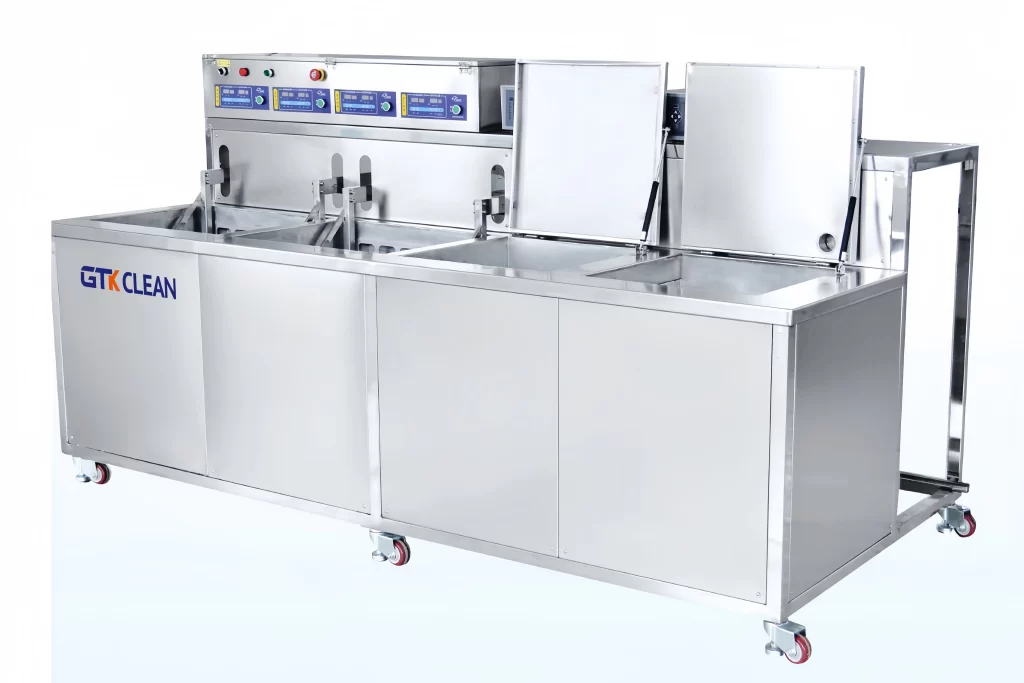
Multi-Tank Ultrasonic Cleaners
Ultrasonic Deburring Cleaners
Semi-Automated Ultrasonic Cleaners
Semi-Automated Ultrasonic Cleaners
Semi-Automated Acid Cleaners
Ultrasonic Cleaners for Pre PVD/DLC Parts
Pre-PVD Coating Parts Ultrasonic Cleaners
Ultrasonic Cleaners for Molds Before Coating
Ultrasonic Washers for Mobile Phone Accessories Before Coating
Ultrasonic Cleaners for Optical Components Pre-Coating
Ultrasonic Cleaners for Cutting Inserts Pre-Coating
Ultrasonic Cleaners for Heavy-Duty Components Pre-Coating
Automated Ultrasonic Cleaners
Ultrasonic Cleaners for CNC Machined Parts
Ultrasonic Parts Washers For Metal Stamping
Rotary Basket Ultrasonic Cleaners
Ultrasonic Parts Washers For Machined Parts
Automated Ultrasonic Oil Seals Washers
Copper Parts Ultrasonic Cleaners
Automated Ultrasonic Cleaners for Silicone Parts
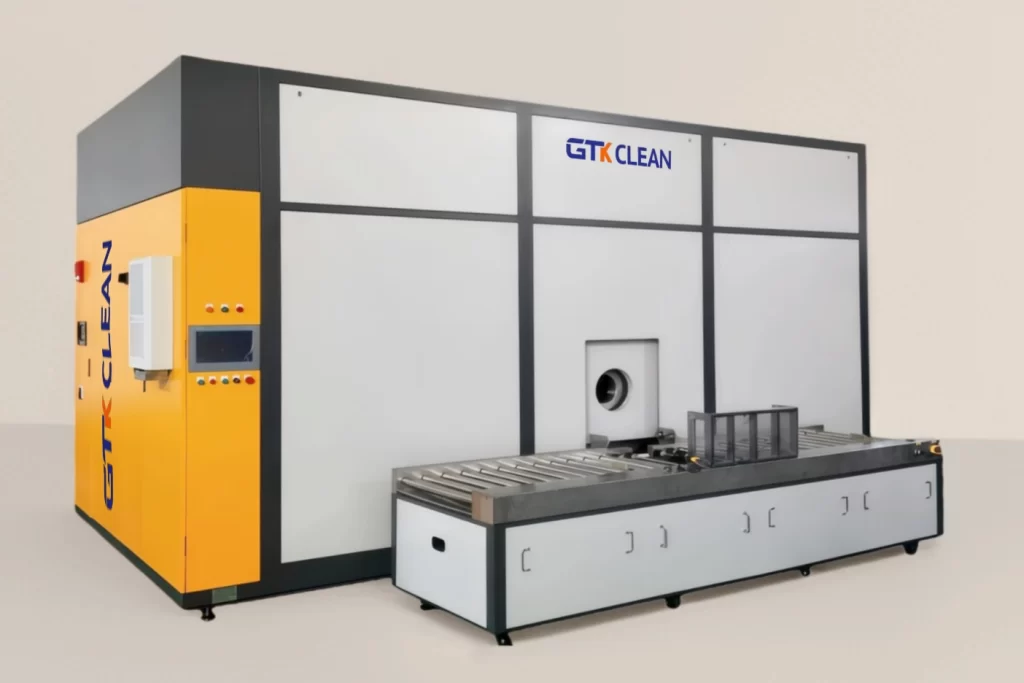
Conveyor Belt Ultrasonic Cleaners
New Energy Vehicle Components Tunnel Cleaners
Custom Ultrasonic Cleaners
Ultrasonic Cleaning and Regeneration System for SCR
Heavy-Duty Automated Ultrasonic Parts Cleaners
Conveyor Parts Washers
Industrial Parts Washers
Inline Conveyor Washers for CNC Aluminum Shell
Inline Conveyor Washers for Steering Shaft
Inline Conveyor Washers for Elevator Traction Sheave
Conveyor Washers For Stamped Parts
Fastener Tunnel Washers
AC Parts Automated Tunnel Washers
Container Washers
Pallet Tunnel Washers
Tunnel Tote Washers
Dual-Lane Crate Washers
Cabinet Parts Washers
Custom Cabinet (Turntable) Parts Washers
Rotary Turntable Parts Washers
Heavy-Duty Turntable Parts Washers
High-Pressure Deburring Parts Washers
High-Pressure Waterjet Deburring and Cleaning
Custom Conveyor Belt Parts Washers
Inline Flat Glass Cleaners
Aerospace Parts Tunnel Washers
Engine Block & Cylinder Head Cleaners
Conveyor Belt Washer for Thermos
Solvent Cleaning Systems
Single Chamber Solvent Ultrasonic Cleaning Systems
Semi-Automated Solvent Cleaning Machines
Hydrocarbon Solvent Ultrasonic Vacuum Cleaners
Modified Alcohol Ultrasonic Cleaners
Multi-Stage Solvent Ultrasonic Cleaners
Multi-Tank Solvent Ultrasonic Cleaners
4-Tank Solvent Ultrasonic Cleaners
7-Tank Solvent (Hydrocarbon) Ultrasonic Cleaners
Hydrocarbon Ultrasonic Copper Parts Cleaners
Ultrasonic Vapor Degreaser Equipment
Solvent Recovery System
Water Treatment Systems
Pure Water System
Deionized (DI) Water Treatment Systems
Reverse Osmosis (RO) Water Treatment Systems
Low-temperature Evaporation System
Low-temperature Evaporation System
Wastewater Treatment Systems
Accessories
Ultrasonic Immersible Transducer
Ultrasonic Immersible Transducer
Ultrasonic Rod Transducers
Ultrasonic Rod Transducer
Ultrasonic Generator
Ultrasonic Cleaner Generators
Filtration Systems
Filtration System
Oil-Water Separator
Industrial Parts Dryer
Industrial Parts Cleaning Baskets
Industry Washing Baskets
Industrial Parts Cleaning Detergents
Industrial Cleaning Detergents
Applications
Pre PVD (Coating) Parts Cleaning
CNC Machined Parts Cleaning
Automotive Parts Cleaning
Stamping Parts Cleaning
Molds Cleaning
Castings Cleaning
Aerospace Cleaning
Contact Us
Blog
Home
Blog
Blog
Ultrasonic Degassing: The Step You’re Skipping Before Cleaning
Most precision cleaning problems get blamed on detergent, temperature, or frequency when a fresh ultrasonic tank cleans ……
Read More
Passivation and Metal Preparation Explained: Process Guide
Passivation is often treated as a standalone chemical bath, but in a production line it only works after the right metal……
Read More
How to Prevent Flash Rust After Cleaning: A Practical Guide for Metal Parts
Flash rust is the thin oxide film that can form on bare steel or iron surfaces within minutes after aqueous cleaning. It……
Read More
Rinse Aids and Detergent Residue: Why Parts Emerge Dirty
Parts can pass through an aggressive wash stage, look wet-clean, and then dry dirty. White films, haze rings, rainbow sh……
Read More
Surfactants and Oil and Grease Removal in Industrial Parts Cleaning
Oil films and grease deposits remain among the most common cleaning challenges in machine shops and high-volume manufact……
Read More
What Is pH in Parts Cleaning and Why It Matters for Quality
Every production cleaning failure has a root cause, and a large share trace back to the same variable: pH. It determines……
Read More
How Modified Alcohol Recovery Systems Reduce Solvent Costs
Modified alcohol recovery systems fail most often not because the distillation column is undersized, but because the sol……
Read More
Solvent Recovery Systems: Lower Operating Costs
Solvent recovery systems lower operating costs when they are treated as part of the cleaning process, not as a disposal ……
Read More
Solvent Recovery Systems Cut Industrial Cleaning Costs
Solvent recovery systems are the financial control point in any solvent-based cleaning process. A well integrated recove……
Read More
Water-Based vs Solvent Ultrasonic Cleaning: What to Check
Water-based or solvent ultrasonic cleaning is not an environmental preference contest. The right choice follows the cont……
Read More
1
2
3
4
5
...
25
English
German
Spanish
French
Russian
Portuguese
English
 English
 German
 Spanish
 French
 Russian
 Portuguese