About Us
Learning Center
Ultrasonic Cleaning Systems
Manual Ultrasonic Cleaners and Washers
Benchtop Ultrasonic Cleaners
Two Tank Ultrasonic Cleaners
Multi-Tank Ultrasonic Cleaners
Ultrasonic Deburring Cleaners
Semi-Automated Ultrasonic Cleaners
Semi-Automated Ultrasonic Cleaners
Semi-Automated Acid Cleaners
Ultrasonic Cleaners for Pre PVD/DLC Parts
Pre-PVD Coating Parts Ultrasonic Cleaners
Ultrasonic Cleaners for Molds Before Coating
Ultrasonic Washers for Mobile Phone Accessories Before Coating
Ultrasonic Cleaners for Optical Components Pre-Coating
Ultrasonic Cleaners for Cutting Inserts Pre-Coating
Ultrasonic Cleaners for Heavy-Duty Components Pre-Coating
Automated Ultrasonic Cleaners
Ultrasonic Cleaners for CNC Machined Parts
Ultrasonic Parts Washers For Metal Stamping
Rotary Basket Ultrasonic Cleaners
Ultrasonic Parts Washers For Machined Parts
Automated Ultrasonic Oil Seals Washers
Copper Parts Ultrasonic Cleaners
Automated Ultrasonic Cleaners for Silicone Parts
Conveyor Belt Ultrasonic Cleaners
New Energy Vehicle Components Tunnel Cleaners
Custom Ultrasonic Cleaners
Ultrasonic Cleaning and Regeneration System for SCR
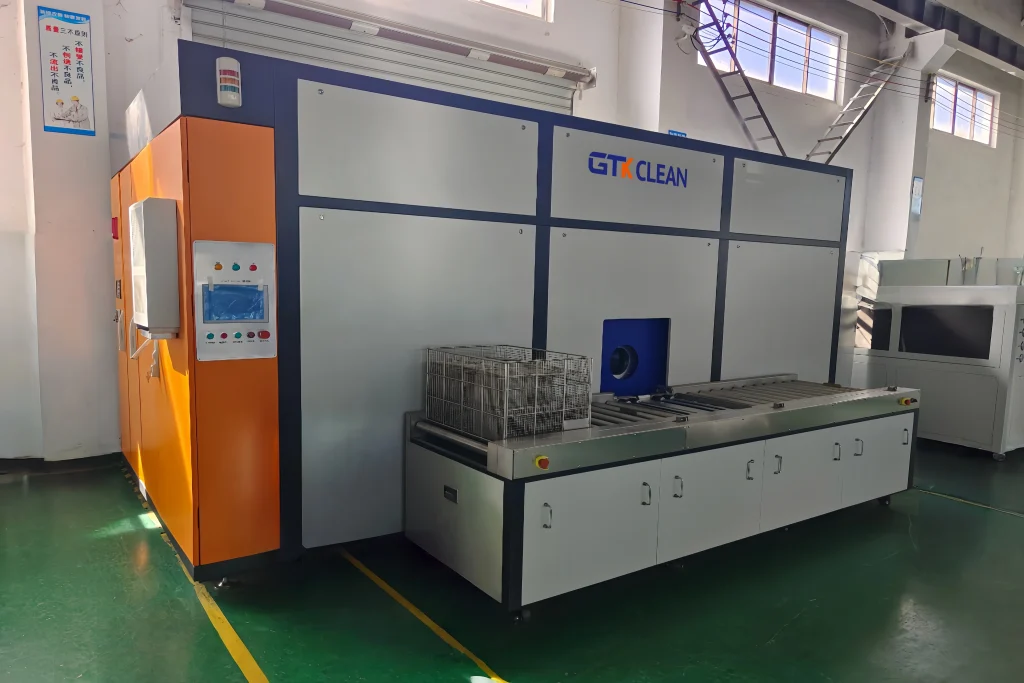
Heavy-Duty Automated Ultrasonic Parts Cleaners
Conveyor Parts Washers
Industrial Parts Washers
Inline Conveyor Washers for CNC Aluminum Shell
Inline Conveyor Washers for Steering Shaft
Inline Conveyor Washers for Elevator Traction Sheave
Conveyor Washers For Stamped Parts
Fastener Tunnel Washers
AC Parts Automated Tunnel Washers
Container Washers
Pallet Tunnel Washers
Tunnel Tote Washers
Dual-Lane Crate Washers
Cabinet Parts Washers
Custom Cabinet (Turntable) Parts Washers
Rotary Turntable Parts Washers
Heavy-Duty Turntable Parts Washers
High-Pressure Deburring Parts Washers
High-Pressure Waterjet Deburring and Cleaning
Custom Conveyor Belt Parts Washers
Inline Flat Glass Cleaners
Aerospace Parts Tunnel Washers
Engine Block & Cylinder Head Cleaners
Conveyor Belt Washer for Thermos
Solvent Cleaning Systems
Single Chamber Solvent Ultrasonic Cleaning Systems
Semi-Automated Solvent Cleaning Machines
Hydrocarbon Solvent Ultrasonic Vacuum Cleaners
Modified Alcohol Ultrasonic Cleaners
Multi-Stage Solvent Ultrasonic Cleaners
Multi-Tank Solvent Ultrasonic Cleaners
4-Tank Solvent Ultrasonic Cleaners
7-Tank Solvent (Hydrocarbon) Ultrasonic Cleaners
Hydrocarbon Ultrasonic Copper Parts Cleaners
Ultrasonic Vapor Degreaser Equipment
Solvent Recovery System
Water Treatment Systems
Pure Water System
Deionized (DI) Water Treatment Systems
Reverse Osmosis (RO) Water Treatment Systems
Low-temperature Evaporation System
Low-temperature Evaporation System
Wastewater Treatment Systems
Accessories
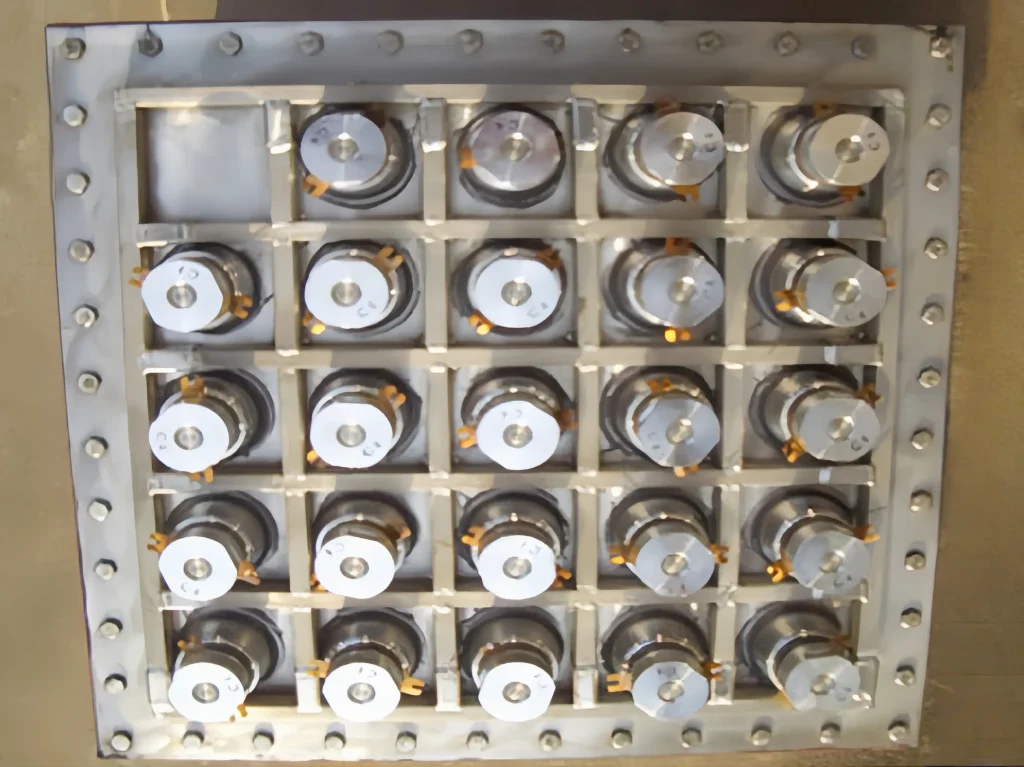
Ultrasonic Immersible Transducer
Ultrasonic Immersible Transducer
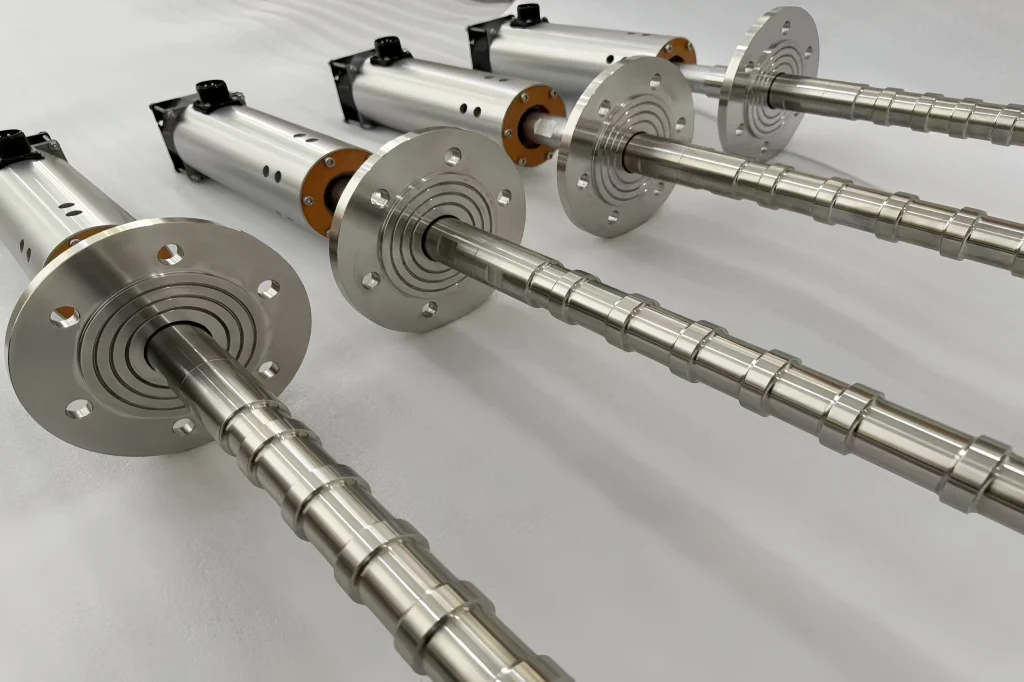
Ultrasonic Rod Transducers
Ultrasonic Rod Transducer
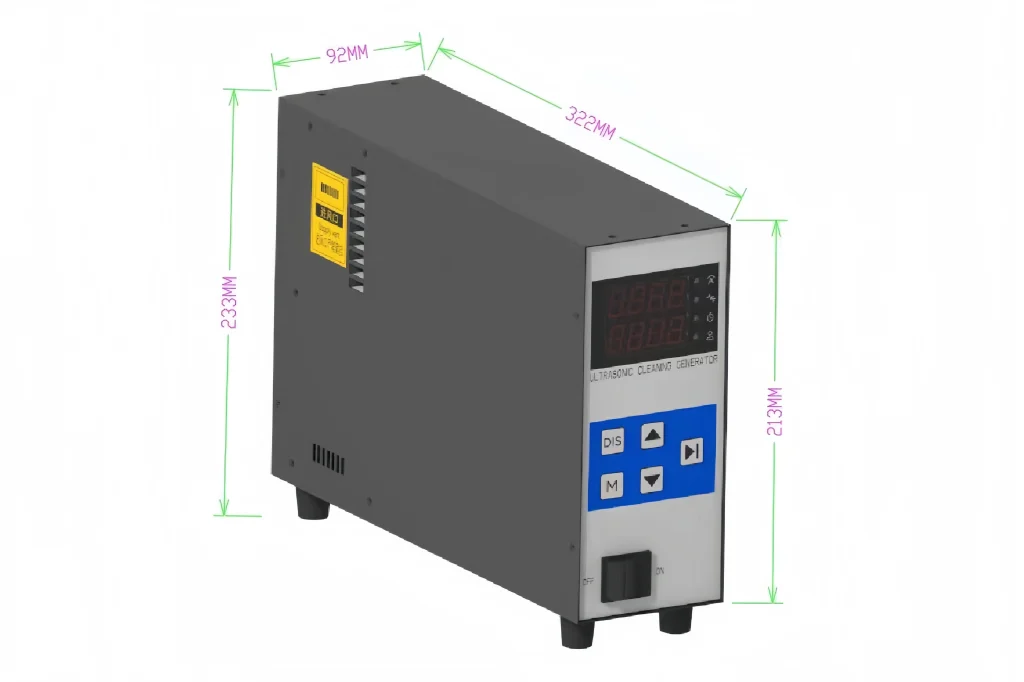
Ultrasonic Generator
Ultrasonic Cleaner Generators
Filtration Systems
Filtration System
Oil-Water Separator
Industrial Parts Dryer
Industrial Parts Cleaning Baskets
Industry Washing Baskets
Industrial Parts Cleaning Detergents
Industrial Cleaning Detergents
Applications
Pre PVD (Coating) Parts Cleaning
CNC Machined Parts Cleaning
Automotive Parts Cleaning
Stamping Parts Cleaning
Molds Cleaning
Castings Cleaning
Aerospace Cleaning
Contact Us
Blog
Home
Blog
Blog
Specifying Ultrasonic Vibration Plates for Industrial Cleaning
Ultrasonic vibration plates convert generator output into mechanical vibration at the tank wall, and that vibration is t……
Read More
Rod vs Plate Ultrasonic Transducers: Selection Guide
Rod vs plate ultrasonic transducers are not interchangeable in industrial cleaning, even when their frequency and power ……
Read More
How Ultrasonic Generator Settings Change Cleaning Results
Ultrasonic generator settings decide how much electrical input becomes useful cavitation, and wrong settings can leave r……
Read More
Solvent Ultrasonic Cleaning Systems: Where They Work and Why
Solvent ultrasonic cleaning systems are the default choice in applications where water cannot be tolerated or drying tim……
Read More
Specifying High Load Ultrasonic Cleaning for Large Parts
High load ultrasonic cleaning systems usually fail because basket design, transducer coverage, and handling equipment ar……
Read More
Heavy-Duty Automated Ultrasonic Cleaning Systems: Buyer Checklist
Most heavy-duty automated ultrasonic cleaning system specifications begin with tank size and ultrasonic power. Those two……
Read More
Conveyor Ultrasonic Cleaning Systems: What Continuous Lines Need
Conveyor ultrasonic cleaning systems only deliver consistent output when the part, basket, and drying stage are specifie……
Read More
How an Industrial Ultrasonic Cleaning System Works
An industrial ultrasonic cleaning system is not a stronger version of a benchtop cleaner. It is an engineered process ce……
Read More
Ultrasonic Cleaning Systems: Types, Benefits, and Limits
Ultrasonic cleaning systems are built around cavitation, but the configuration only delivers when it matches the part ge……
Read More
Parts Cleaning Operating Costs: Where the Real Savings Are
Parts cleaning operating costs rarely stay fixed after a line is installed. A machine that looks cheap in the initial qu……
Read More
1
2
3
4
5
6
...
25
English
German
Spanish
French
Russian
Portuguese
English
 English
 German
 Spanish
 French
 Russian
 Portuguese