Solvent recovery systems are the financial control point in any solvent-based cleaning process. A well integrated recovery unit continuously distills contaminated solvent from ultrasonic cleaning, vapor degreasing, and rinsing stages, returning clean solvent to the line instead of paying to dispose of it. I have evaluated enough systems to know that the difference between a profitable solvent line and a high-cost one often sits in the recovery loop, not the cleaning tank. This article breaks down what recovery systems do, which specifications matter for industrial use, and how to calculate whether your line justifies one.
Operating Cost Drivers in Industrial Solvent Cleaning
Solvent purchase and disposal usually appear as separate budget lines, but they behave as one cost loop. Fresh solvent enters the cleaning tank, removes stamping oil or cutting fluid from parts, and exits as contaminated liquid or vapor. If the plant pays for fresh solvent and then pays again for hazardous waste handling, the same volume is charged twice. A closed-loop recovery system interrupts that duplication by distilling the solvent back to usable purity and leaving concentrated residue as the only waste stream. The largest cost variable is not always the solvent price per liter; it is the loss mechanism. Surface drag-out on parts, vapor escape from uncovered tanks, and water contamination during rinsing all remove solvent from the process. In a hydrocarbon system with an initial capacity of 1,800 liters, uncontrolled drag-out and vapor loss can push monthly replacement far above the rated 200 liters that a vacuum-tight line should consume. Reducing that gap matters more than negotiating a slightly lower purchase price.
Solvent loss control starts with process boundaries, not only recovery hardware. <Optimizing Industrial Cleaning to Reduce Solution Expenses> covers how tank design, rinsing practice, and vapor containment change solvent replacement volume week by week.
Solvent Recovery System Selection Parameters
Selecting a recovery system starts with the solvent chemistry. Hydrocarbon solvents tolerate atmospheric distillation when the boiling range is stable, but modified alcohol and heat-sensitive blends often need vacuum distillation to lower boiling temperature and prevent decomposition. A system configured for one solvent will not reliably recover another without changing sealing materials, heater set points, and condenser design.
Vacuum level, condenser temperature, leak rate during warm up
Filtration with recirculation
Low contamination from one process oil
Filter micron rating, oil-water split, pressure drop at rated flow
Adsorption polishing
Low-concentration solvent vapor or water carryover
Saturation capacity, regeneration method, disposal of spent media
Beyond chemistry, confirm that the recovery unit matches the cleaning line volume, not just the tank size. A recovery system sized to the full tank volume can recycle a batch in a few hours, but under-sizing extends the contamination window and forces the line to run with degrading solvent longer than intended. I specify recovery capacity based on the volume of solvent moved per shift, not the initial fill. Material compatibility and safety ratings are not negotiable in solvent service. Gaskets, hoses, and pump seals must be selected for the solvent family, and the electrical enclosure must carry the correct explosion-proof classification for the operating area. These two details cause more project delays than solvent chemistry differences.
Recovery does not need to sit at the end of the line to work. In a multi-stage solvent ultrasonic cleaner, the recovery line can pull from the solvent rinse tank, the vapor degreaser condensate path, or the contaminated solvent sump. Pulling from the rinse tank keeps the cleanest solvent from drifting into the next stage; pulling from the degreaser captures the highest contaminant load for immediate distillation. Many lines combine both points with a small distillation loop shared across tanks. Vacuum-tight recovery loops change how drying and degreasing interact. A unit with built-in vapor condensation and vacuum distillation can recover solvent from the vapor phase while the basket is still in the chamber, which shortens the time between cleaning and drying. That configuration works well for machined parts with blind holes because the vacuum pulls solvent vapor out of recesses before condensation begins. The decision point most buyers miss is how the recovered solvent returns to the line. If the return point discharges into the dirtiest tank, recovery only slows contamination; it does not improve final rinse quality. In my experience, the strongest payback comes from returning distilled solvent to the final rinse stage and cascading used rinse solvent toward the first cleaning tank. If your line runs on mixed solvents or alternates between hydrocarbon and modified alcohol, confirm the recovery unit can switch media without cross-contamination. That specification affects seals, condenser settings, and waste residue handling more than the distillation chamber itself. Send your current solvent type and monthly consumption to [email protected] and I will confirm which recovery topology fits.
Common Solvent Recovery Failures and Their Causes
Failures in recovery systems rarely come from the distillation chamber itself. The most common problem is water entering the solvent loop. Even a small amount of rinse water carried into the recovery batch raises the boiling point of the mixture and creates an emulsion layer that refuses to separate cleanly. The result is high solvent carryover into the water phase and a residue that is difficult to drain. A second common failure is thermal decomposition from the wrong heating approach. If a modified alcohol solvent sits against a high-temperature heater surface for too long, it can break down and produce acid byproducts that attack the tank and discolor cleaned parts. Vacuum recovery avoids this by lowering the boiling point, but the vacuum level and condenser temperature must be maintained as a pair. A system that reaches a deep vacuum without sufficient condensation simply pulls solvent vapor into the exhaust. I have also seen condenser undersizing create vapor loss that operators accepted as normal. A condenser matched to the distillation heater wattage will recover nearly all solvent vapor before it reaches the vent. When the condenser is two or three sizes too small, the visible loss is not dramatic, but it accumulates in solvent purchases every month.
Solvent recovery units usually pay back faster when the same cleaning line also removes manual handling and process variation. <Justify Ultrasonic Cleaning Equipment Investment: A Strategic ROI Guide> covers how to separate fixed equipment cost from variable solvent, labor, and rework savings over the expected machine life.
Confirming Solvent Recovery Scope Before You Commit
A solvent recovery project stalls when the solvent type, shift volume, and cleanliness target are not matched before the first tank drawing. That mismatch shows up later as an undersized condenser, an incompatible seal, or a recovery schedule that lags behind production. Before you commit to a recovery system, share three numbers with the GTKCLEAN team: the solvent family and boiling range, the expected contaminated solvent volume per shift, and the final rinse cleanliness target. I will use those to confirm whether vacuum distillation, atmospheric distillation, or a hybrid recovery loop is the right fit, and what residue handling your line needs. Send the details to [email protected] or call +86 17768507147.
Common Questions About Solvent Recovery Systems
Does a solvent recovery system make sense for a single ultrasonic cleaning station?
Only when the station operates often enough to create meaningful waste volume. A small benchtop system with a 100 liter tank and occasional use may be better served by exchanging dirty solvent through an off-site recycler. A single-station vacuum solvent system with 1,800 liter capacity and daily production, on the other hand, usually justifies an integrated recovery loop because the same tank is continuously generating contaminated solvent. The real trigger is consumption per month, not machine count.
What solvent loss rate should trigger a recovery system evaluation?
Many plants set the threshold too high because they only look at purchase invoices. A more useful signal is solvent replacement volume compared with the closed-loop rating of the cleaning system. If a vacuum hydrocarbon line rated at 200 liters per month is consuming 600 liters, the gap is almost always drag-out, vapor escape, or a recovery failure. Evaluate the recovery loop when monthly replacement exceeds two to three times the designed consumption rate, because the excess volume is the direct cost of system leaks and process losses rather than normal cleaning operation.
How do I know whether to choose vacuum distillation over atmospheric distillation?
It depends on the solvent's boiling range and thermal stability. Choose atmospheric distillation when the solvent has a stable boiling point and the contaminants are oils that separate easily. Choose vacuum distillation when the solvent is heat-sensitive, such as modified alcohol, or when high-boiling additives would remain in the residue at atmospheric temperature. Vacuum also lowers solvent vapor losses from the recovery unit itself, which matters in tight production spaces. The vacuum system costs more and demands better seals, so the decision should follow solvent chemistry first and plant layout second.
Can one recovery unit serve multiple cleaning tanks on a floor?


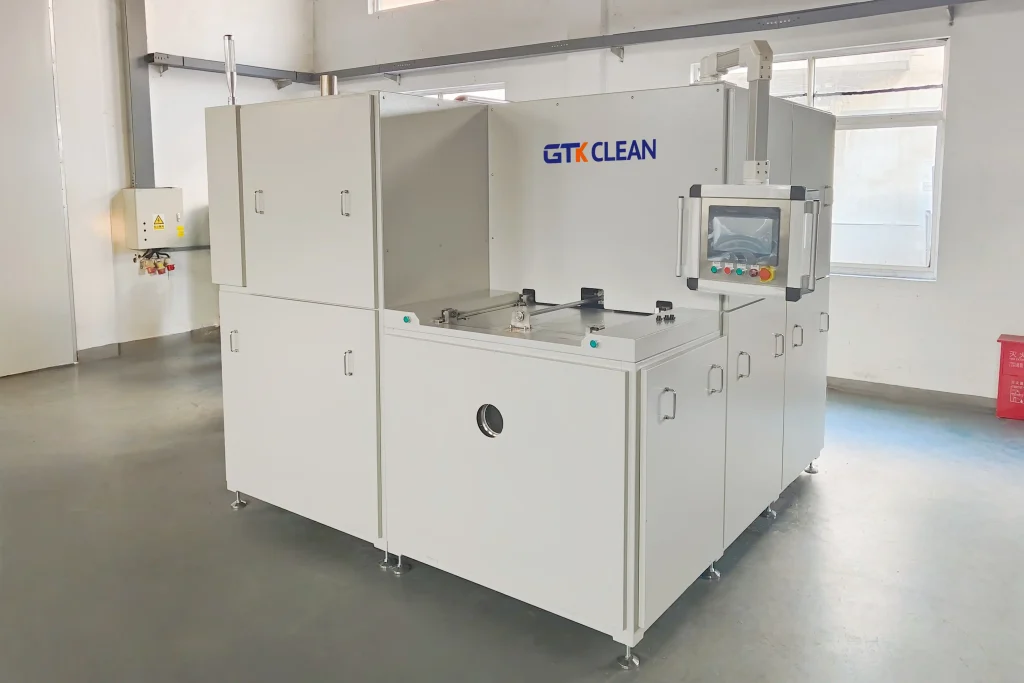
 Vacuum-tight recovery loops change how drying and degreasing interact. A unit with built-in vapor condensation and vacuum distillation can recover solvent from the vapor phase while the basket is still in the chamber, which shortens the time between cleaning and drying. That configuration works well for machined parts with blind holes because the vacuum pulls solvent vapor out of recesses before condensation begins. The decision point most buyers miss is how the recovered solvent returns to the line. If the return point discharges into the dirtiest tank, recovery only slows contamination; it does not improve final rinse quality. In my experience, the strongest payback comes from returning distilled solvent to the final rinse stage and cascading used rinse solvent toward the first cleaning tank. If your line runs on mixed solvents or alternates between hydrocarbon and modified alcohol, confirm the recovery unit can switch media without cross-contamination. That specification affects seals, condenser settings, and waste residue handling more than the distillation chamber itself. Send your current solvent type and monthly consumption to [email protected] and I will confirm which recovery topology fits.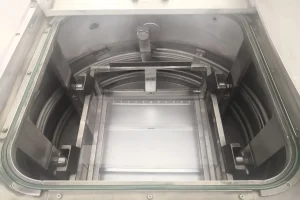
 English
  German
  Spanish
  French
  Russian
  Portuguese