Vapor degreasing ultrasonic cleaning systems are not simply ultrasonic tanks filled with solvent. They combine ultrasonic immersion, vapor rinsing, and vacuum or distillative drying into a closed loop, and the configuration of that loop affects operating cost, cycle time, and safety more than transducer wattage does. I look at solvent recovery and vapor containment first, because those are the areas where an underspecified system becomes expensive or unsafe. This buyer's guide works through the process, the specifications to fix before comparing equipment, and the pre-purchase checks that reduce sourcing risk.
The Working Process of Vapor Degreasing Ultrasonic Cleaning Systems
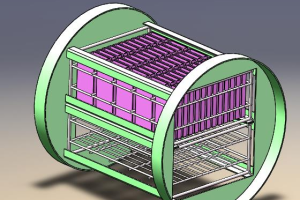
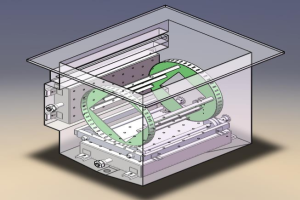
In an ultrasonic cleaning stage, transducers generate cavitation bubbles in the liquid solvent. When those bubbles collapse near a metal surface, they remove stamping oil, cutting fluid, chips, and drawing compounds from blind holes, threads, and narrow gaps. Vapor degreasing adds a second mechanism after that immersion step. The part moves into a solvent vapor zone, where solvent condenses on the cooler part surface, dissolves remaining film, and carries it away. In a well engineered system, the final drying step is not a hot air blowoff alone. Vacuum vapor drying pulls residual solvent from recesses so that the part surface and captured liquid boil together under vacuum. That is why the process is common for stamped components, battery housings, and precision hardware with blind or recessed geometry. A rotary basket helps because it rotates the part during cleaning and drying so trapped solvent cannot settle in one position.
Specifications to Fix Before Comparing Systems
The biggest error in vapor degreasing system sourcing is starting with ultrasonic wattage. The first parameters to fix are part geometry, maximum load, basket type, solvent class, and the required drying state. Those decisions change tank layout, hoist or conveyor design, and safety interlocks. Once they are fixed, the remaining specifications become comparable.
Parameter
Typical specification
Cleaning medium
High purity hydrocarbon solvent or modified alcohol
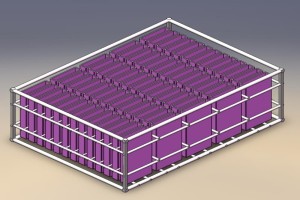
Part geometry controls basket selection. A round rotating basket is better for workpieces with blind holes, cracks, or recesses because it prevents solvent and oil from pooling. A square basket suits plate type or collision sensitive components. We specify the basket and rotation after we see the part drawing, not after the tanks are built.
Water based cleaning is not a default fallback for every part. <Water Based Versus Solvent Based Ultrasonic Cleaning Systems> covers how aqueous systems compare on drying, cycle time, and operating cost for parts that can tolerate water contact and higher final moisture sensitivity.
Solvent Recovery and Safety in Vapor Degreasing Systems
Solvent cost is not fixed by the purchase price of the solvent. It is set by distillation recovery, drag out, and vapor containment. A hydrocarbon ultrasonic vacuum cleaner with a built in distillation loop can keep monthly consumption below 200 L by separating used solvent, removing oil and particulate, and returning cleaned solvent to the process tank. That loop also stops the oil concentration from rising until it alters cleaning performance.
Hydrocarbon solvent cleaning depends on distillation and condensation loops more than on any single tank specification. <What Is The Technical Principle Of Hydrocarbon(Solvent) Cleaning Machines?> explains how heating, vaporization, condensation, and recovery operate together, and why oil loading matters more than tank capacity in a vapor degreasing system.
Safety design on a solvent line has to be specified, not assumed. Gas monitoring, vapor containment, temperature interlocks, exhaust, and access control each need to be part of the machine scope. If you are comparing quotations, check whether those items are included or priced as options. The difference changes installed cost and can affect whether the line passes local fire and environmental review. Part drag out is the variable that most frequently changes monthly solvent use. A basket with deep recesses or a poorly oriented part will carry more solvent out of the tank than the recovery data suggests, which is why a solvent consumption estimate should follow a part trial or at least a detailed drawing review.
If monthly solvent consumption is becoming a cost issue, the recovery loop is usually the place to look. <Reduce Solvent Consumption in Industrial Cleaning: A Guide> covers distillation intervals, filtration, and part drag out as the main levers for cutting solvent use without sacrificing cleanliness.
One decision point is usually impossible to settle from a catalog: whether your part needs single stage or two stage cleaning, and what vacuum level gives a dry part in your target cycle time. If the geometry includes deep blind holes or the next process is coating or assembly, it is worth confirming those setpoints before finalizing the line. Email a part drawing and target throughput to [email protected] and ask for a process recommendation.
Production Line Applications for Vapor Degreasing Ultrasonic Cleaning
Vapor degreasing ultrasonic cleaning systems fit best where parts carry oil, drawing compound, or stamping fluid into a blind hole, thread, or recess and where water cannot be tolerated. Typical workpieces include CNC machined parts, stamped components, die cast parts, precision hardware, and parts going into PVD or DLC coating, assembly, or vacuum processing. At GTKCLEAN, we have designed multi tank hydrocarbon ultrasonic cleaners around new energy vehicle battery housings and stamped components where recessed oil removal and drying consistency were the main acceptance criteria. Batch systems are often the right entry point when part families change frequently. The machine can be programmed for a basket of one part number and switched when the next part arrives. Inline or conveyor based vapor degreasing exists for high volume continuous production, but the process economics change quickly with vapor containment and solvent carryout. A batch vacuum system is more forgiving when the required cleanliness level changes between programs.
Pre-Purchase Checks for Vapor Degreasing Systems
Most failed sourcing projects follow the same path. The buyer compares tank volume, ultrasonic power, and price, then signs off before confirming how vapor is contained, how solvent is recovered, and what vacuum level is required for dry parts. Those three omissions show up later as cycle time drift, high solvent consumption, or safety interlocks that need a retrofit. Before you commit, fix them against your actual part geometry and contamination. Send the part number, material, contamination type, and daily target output to [email protected] or call +86 17768507147, and we will check the configuration against the required cycle and dryness. That step takes less time than correcting a wrong specification after installation.
Common Questions About Vapor Degreasing Ultrasonic Cleaning Systems
What is the difference between vapor degreasing and plain ultrasonic cleaning?
Plain ultrasonic cleaning loosens contamination while it is submerged in liquid. Vapor degreasing goes one step further by using solvent vapor to rinse the part and then drying it under vacuum or controlled vapor conditions. The vapor stage removes the residual film left behind after immersion, which is why it works for blind holes and parts that cannot go into a water rinse. For parts with trapped oil, the combination is usually more consistent than immersion alone because the vapor can reach surfaces where liquid circulation is weak.
Can vapor degreasing ultrasonic systems use modified alcohol instead of hydrocarbon solvent?
It depends on the contaminant and the machine design. Hydrocarbon solvent is the common choice for stamping oil and heavier drawing compounds, and it is usually heated to 40 to 60 degrees C for solubility. Modified alcohol is used when faster drying or a different residue profile is needed. The machine must be compatible with the solvent class through its heating, condensation, and recovery settings. A system built for hydrocarbon is not automatically suitable for modified alcohol unless the manufacturer has validated the change.
What parts are most suitable for vapor degreasing ultrasonic cleaning?
Most people assume the process is only for large or heavily soiled parts, but the stronger fit is actually precision components with difficult geometry. Parts with blind holes, recesses, threads, and narrow gaps retain oil where hand cleaning and simple spray washing cannot reach. CNC machined parts, stamped components, die cast parts, and pre coating workpieces are typical candidates. The deciding factor is whether residue or trapped solvent can compromise the next operation, such as coating, assembly, welding, or vacuum processing.
How much solvent does a vapor degreasing ultrasonic system use per month?

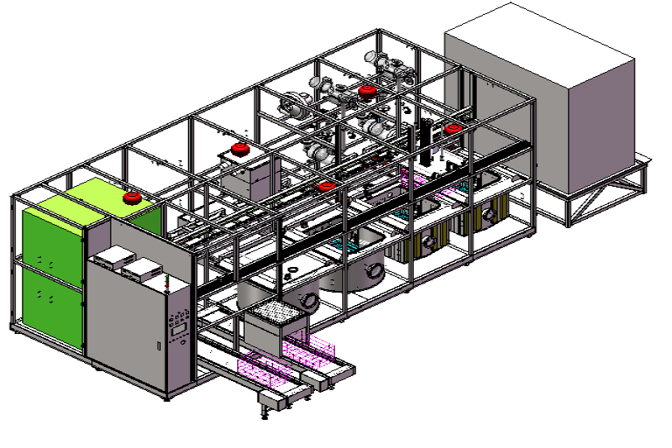
 Batch systems are often the right entry point when part families change frequently. The machine can be programmed for a basket of one part number and switched when the next part arrives. Inline or conveyor based vapor degreasing exists for high volume continuous production, but the process economics change quickly with vapor containment and solvent carryout. A batch vacuum system is more forgiving when the required cleanliness level changes between programs.
 English
  German
  Spanish
  French
  Russian
  Portuguese